
Is clover taking over your beautiful lawn? Yes, you can eliminate clover from your lawn, and this guide will show you how. We’ll cover everything from understanding why clover thrives to the most effective clover removal methods, whether you’re looking for natural clover killer options or strong weed killer for clover. Let’s get your grass back in shape!
Clover in grass can be a persistent problem for homeowners. Its low-growing habit and nitrogen-fixing ability allow it to spread easily, often outcompeting desirable turfgrass species. This guide aims to provide a comprehensive approach to clover control, detailing both pre-emergent clover control strategies to prevent its establishment and post-emergent clover control tactics to tackle existing infestations. We’ll explore the best way to get rid of clover, considering both chemical and organic clover removal methods to suit your lawn care philosophy.
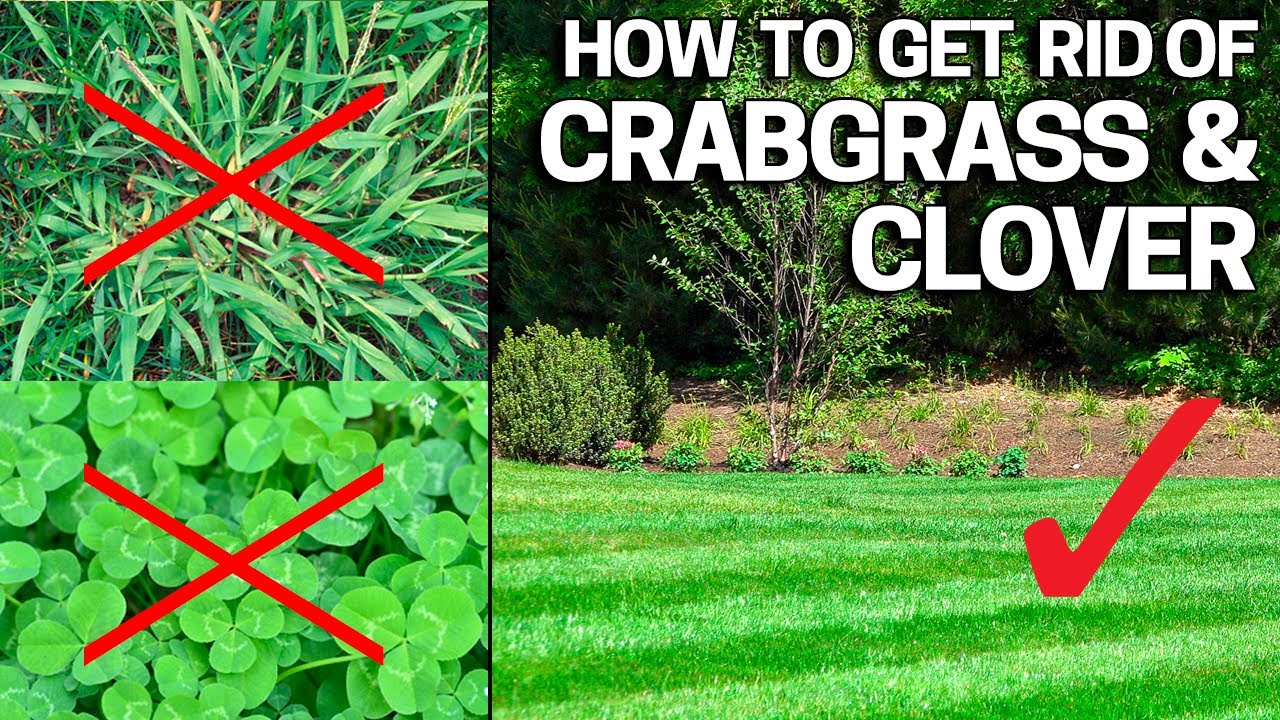
Image Source: i.ytimg.com
Why Clover Invades Your Lawn
Before we dive into clover removal, it’s helpful to know why clover, particularly White Clover (Trifolium repens), finds your lawn so appealing. Clover thrives in conditions that many lawn grasses struggle with.
Common Lawn Conditions Favoring Clover:
- Low Nitrogen Levels: Clover is a legume, meaning it has a symbiotic relationship with nitrogen-fixing bacteria in its roots. These bacteria convert atmospheric nitrogen into a usable form for the plant, giving clover a significant advantage in lawns deficient in nitrogen. Your grass, on the other hand, relies on you to supply this essential nutrient.
- Compacted Soil: Clover’s shallow root system can penetrate compacted soil more easily than many turfgrass roots. Compacted soil also hinders air and water movement, stressing your grass and making it more susceptible to weed invasion.
- Drought Stress: When your lawn is dry and stressed, it weakens. Clover is generally more drought-tolerant than many common turfgrass varieties.
- Mowing Too Short: Mowing your lawn too low can scalp the grass, exposing the soil and creating ideal conditions for clover to germinate and spread. It also removes too much of the grass blade, weakening its ability to compete.
- Overwatering: While clover is drought-tolerant, it can also thrive in moist conditions. However, consistently damp soil can lead to fungal diseases in grass, weakening it and allowing clover to gain a foothold.
Identifying Clover in Your Lawn
Accurate identification is the first step in effective clover control. While White Clover is the most common culprit, other varieties can appear.
Characteristics of White Clover:
- Leaves: Typically has three leaflets, often with a white or pale green “V” or crescent-shaped mark in the center of each leaflet.
- Stems: Creeping stems that root at the nodes where they touch the soil, allowing the plant to spread rapidly.
- Flowers: Small, white, spherical flower heads that attract pollinators.
- Growth Habit: Forms a dense, low-growing mat.
Strategies for Clover Control
Controlling clover involves a multi-pronged approach. You can tackle existing clover with targeted treatments and improve your lawn’s health to prevent future infestations.
I. Pre-Emergent Clover Control: Preventing Clover Before It Starts
Pre-emergent herbicides work by preventing weed seeds from germinating. Applying them at the right time is crucial for effective pre-emergent clover control.
Timing is Key for Pre-Emergents:
- Early Spring: The ideal time to apply pre-emergent herbicides for clover is in early spring, before soil temperatures consistently reach 55°F (13°C). This is typically when clover seeds begin to germinate.
- Late Summer/Early Fall: A second application in late summer or early fall can also be beneficial, targeting any late-germinating clover seeds.
Common Pre-Emergent Herbicides for Clover:
Many broadleaf pre-emergent herbicides can help prevent clover germination. Always read and follow label instructions carefully.
- Dithiopyr: Effective against crabgrass and some broadleaf weeds, including clover.
- Prodiamine: Another excellent pre-emergent for crabgrass and broadleaf weed prevention.
Important Note: Pre-emergent herbicides will also prevent grass seed from germinating. If you plan to overseed your lawn, avoid applying pre-emergents until after the grass has established.
II. Post-Emergent Clover Control: Eliminating Existing Clover
When clover has already established itself, you’ll need post-emergent treatments to kill clover. These herbicides target actively growing weeds.
Understanding Post-Emergent Herbicides:
Post-emergent herbicides for clover typically fall into a few categories:
- Selective Herbicides: These are designed to kill broadleaf weeds while leaving grasses unharmed. This is often the preferred method for clover control in lawns.
- Non-Selective Herbicides: These will kill any plant they come into contact with, including your lawn grass. They are best used for spot treatments in areas where you intend to reseed or for complete lawn renovation.
Chemical Weed Killer for Clover:
Several effective chemical weed killers are available for clover.
Common Active Ingredients in Clover Weed Killers:
- 2,4-D: A widely used selective herbicide that targets broadleaf weeds.
- MCPP (Mecoprop): Often combined with 2,4-D, it’s effective against various broadleaf weeds.
- Dicamba: Another potent broadleaf herbicide that can control clover.
- Triclopyr: Particularly effective against woody plants and broadleaf weeds, including clover.
- Quinclorac: Also effective against crabgrass, it can be useful for mixed weed problems.
Application Tips for Chemical Weed Killers:
- Read the Label: Always read and strictly follow the product label for application rates, timing, and safety precautions.
- Spot Treatment: For smaller patches of clover, spot treatment with a spray bottle is more efficient and reduces the risk of harming desirable grass.
- Timing: Apply when clover is actively growing and temperatures are between 60-85°F (15-30°C). Avoid applying during windy conditions to prevent drift onto desirable plants.
- Watering: Do not water your lawn for 24 hours before or after applying herbicides. This ensures the herbicide adheres to the weed’s leaves.
- Repeat Applications: Some persistent clover infestations may require repeat applications. Allow at least 10-14 days between treatments.
Natural Clover Killer Options:
For those seeking organic clover removal or a more eco-friendly approach, several natural clover killer methods are available.
Natural and Organic Clover Removal Techniques:
- Vinegar: Horticultural vinegar (acetic acid at 10-20% concentration) can burn the foliage of clover. It is non-selective, so be careful to only spray directly on the clover. It may require repeat applications as it only kills the top growth.
- Boiling Water: Pouring boiling water directly onto clover patches will kill the plant. This is a very targeted method but can also damage nearby grass.
- Salt (Sodium Chloride): Salt can dehydrate and kill clover. Mix about 1 tablespoon of salt with a quart of water and spray directly onto the clover. Be cautious, as salt can be toxic to grass and can build up in the soil, making it difficult for anything to grow. Use sparingly and only for spot treatments in extreme cases.
- Corn Gluten Meal: While primarily known as a natural pre-emergent, corn gluten meal can also suppress weed growth by inhibiting root development. It’s a more preventative measure than a direct killer.
- Manual Removal: For small infestations, digging out the clover, roots and all, is an effective method. Ensure you remove as much of the root system as possible to prevent regrowth.
Considerations for Natural Methods:
- Effectiveness: Natural methods are often less potent than synthetic herbicides and may require multiple applications.
- Non-Selectivity: Many natural options are non-selective, meaning they can harm your grass if not applied carefully.
- Soil Impact: Some natural methods, like salt, can negatively impact soil health and make it harder for grass to grow in the future.
III. Improving Lawn Health: The Long-Term Solution for Clover Control
The most sustainable way to achieve long-term clover control is by creating a lawn that is thick and healthy enough to outcompete weeds. This involves proper lawn care practices.
Key Lawn Health Practices:
- Proper Mowing:
- Height: Mow your grass at the higher end of the recommended range for your grass type. This shades the soil, making it harder for weed seeds to germinate and suppressing clover.
- Sharp Blades: Use sharp mower blades to make clean cuts. Ragged cuts stress the grass and make it more susceptible to disease and weeds.
- Clippings: Leave grass clippings on the lawn (grasscycling). They return valuable nutrients to the soil.
- Fertilization:
- Regular Feeding: Apply a balanced fertilizer according to your lawn’s needs and the season. This ensures your grass has the nutrients it needs to grow strong and dense.
- Nitrogen: Focus on providing adequate nitrogen, as clover thrives in nitrogen-deficient lawns.
- Proper Watering:
- Deep and Infrequent: Water your lawn deeply but infrequently. This encourages deep root growth in your grass, making it more drought-tolerant and competitive.
- Avoid Overwatering: Soggy soil can weaken grass and promote disease, creating opportunities for clover.
- Aeration:
- Relieve Compaction: Aerate your lawn annually or bi-annually to alleviate soil compaction. This improves air, water, and nutrient penetration to the grass roots.
- Overseeding:
- Fill Bare Spots: Overseed your lawn in the fall or spring to fill in any thin or bare areas where clover might take hold. Choose a grass seed that is well-suited to your climate and soil conditions.
Specific Methods and Products for Clover Control
Let’s delve into some practical product types and approaches for tackling clover.
Pre-Emergent Clover Control Products:
These products create a barrier in the soil that prevents weed seeds from sprouting.
Examples of Pre-Emergent Products:
- Combination Crabgrass and Weed Preventers: Many products designed to prevent crabgrass also contain pre-emergent herbicides effective against clover. Look for active ingredients like Dithiopyr or Prodiamine.
- Timing is Crucial: Apply these in early spring before soil temperatures reach 55°F.
Post-Emergent Clover Control Products:
These products are designed to kill existing weeds.
Selective Herbicides for Clover:
These are the workhorses for clover removal in established lawns because they target broadleaf weeds without harming grass.
Popular Weed Killer for Clover Brands and Ingredients:
- Trimec: A common formulation containing 2,4-D, MCPP, and Dicamba.
- Spectracide Weed Stop for Lawns: Available in various formulations, often featuring 2,4-D, MCPP, and Dicamba.
- Image for St. Augustine Grass: Specifically formulated for St. Augustine grass and other sensitive turf types, it often contains active ingredients like quinclorac. (Always check the label for grass suitability).
- Fertilizer Plus Weed Control: Many granular products combine lawn fertilizer with selective herbicides, offering a two-in-one solution.
Application Forms:
- Liquid Concentrates: Require mixing with water and application via a hose-end sprayer. Offers good coverage and control.
- Granular: Applied with a spreader. Often combined with fertilizer. Can provide longer-lasting control.
- Ready-to-Spray: Convenient liquid formulations that attach directly to a garden hose.
Non-Selective Herbicides for Clover (Use with Caution):
These are best for spot treatments where you are prepared to reseed.
Examples of Non-Selective Weed Killers:
- Glyphosate (e.g., Roundup): Highly effective but will kill any plant it touches.
- Diquat Dibromide: A contact herbicide that burns down foliage quickly.
Organic Clover Removal Approaches:
As mentioned, organic methods are a viable option for eco-conscious lawn care.
Natural Clover Killer Products:
- Feather Meal/Plant-Based Fertilizers: These can act as a natural pre-emergent by providing nitrogen that hinders weed root development.
- Commercial Organic Herbicides: Some products use active ingredients like acetic acid (vinegar) or essential oils. Always check labels for efficacy against clover.
Manual Clover Removal:
This is the most hands-on approach but can be very effective.
Tools for Manual Removal:
- Dandelion Diggers/Weeding Tools: These can be used to lever out clover plants, including their roots.
- Hand Trowels: Useful for digging around individual clover patches.
- Gloves: Protect your hands from soil and any herbicides.
When to Apply Treatments for Best Results
Timing is everything in weed control. Here’s a breakdown of optimal application times for different clover control strategies.
Pre-Emergent Clover Control Schedule:
- Early Spring: Apply when soil temperatures begin to warm consistently above 50°F, typically late February to early April, depending on your region. This prevents the earliest germinating clover seeds.
- Late Summer/Early Fall: A second application in September or October can catch late-season germination and prepare for the next spring.
Post-Emergent Clover Control Schedule:
- Spring: Target actively growing clover in late spring when temperatures are consistently between 60-85°F.
- Fall: Fall is often the best time for post-emergent clover control. The cooler temperatures are less stressful for your grass, and clover is actively trying to store energy for winter, making it more susceptible to herbicides. Aim for late September through October.
Crucial Considerations for All Treatments:
- Clover Actively Growing: Herbicides work best when the weed is actively growing and healthy.
- Weather Conditions: Avoid applying herbicides when rain is expected within 24-48 hours, as rain can wash away the product. Also, avoid application during extreme heat or drought.
- Grass Health: Ensure your lawn grass is healthy and not stressed by heat, drought, or recent mowing.
Combining Methods for Comprehensive Clover Control
The most effective clover control strategy often involves a combination of approaches.
Integrated Pest Management (IPM) for Clover:
IPM is a holistic approach that uses a variety of methods to manage pests (in this case, weeds) in the most economical and environmentally sound way.
Steps in an IPM approach to Clover:
- Identification: Correctly identify the weed as clover.
- Prevention: Implement cultural practices that promote healthy turf and discourage clover (proper mowing, watering, fertilization). Use pre-emergent herbicides if necessary.
- Monitoring: Regularly inspect your lawn for signs of clover infestation.
- Intervention:
- For small infestations, use manual removal or spot treatment with a natural clover killer.
- For larger infestations, use selective post-emergent herbicides.
- Evaluation: Assess the effectiveness of your treatments and adjust your strategy as needed.
The Synergy of Cultural Practices and Treatments:
- Healthy Lawn, Fewer Weeds: A well-maintained lawn with dense turf is the best defense against weeds like clover.
- Targeted Treatments: Use herbicides or natural methods only where and when necessary.
- Long-Term Vision: Focus on building a resilient lawn that requires less intervention over time.
Frequently Asked Questions About Clover Control
Here are some common questions people have when dealing with clover in their lawns.
FAQ: Your Clover Control Questions Answered
Q1: Is clover bad for my lawn?
While clover is a nitrogen fixer, which can be beneficial in some contexts, in a typical ornamental lawn, it’s often considered a weed because it can create an uneven texture, attract pollinators that might be unwelcome, and indicate underlying lawn health issues (like low nitrogen or compacted soil).
Q2: Can I kill clover without killing my grass?
Yes, using selective broadleaf herbicides is the best way to kill clover while leaving your grass unharmed. Always read the product label to ensure it is safe for your specific turfgrass type.
Q3: When is the best time to apply weed killer for clover?
The best time for post-emergent clover control is when the clover is actively growing, typically in late spring or early fall when temperatures are mild (60-85°F). Pre-emergent control should be applied in early spring before clover seeds germinate.
Q4: How do I get rid of clover organically?
For organic clover removal, you can use manual pulling, spot treatment with horticultural vinegar, or corn gluten meal as a natural pre-emergent. Improving your lawn’s overall health is also a key organic strategy.
Q5: Will mowing clover help get rid of it?
Mowing clover at the correct height (higher is better) can help suppress it by shading out seedlings and promoting grass growth. However, mowing alone will not eliminate established clover, especially if the roots remain.
Q6: My lawn has a lot of clover. Should I reseed my entire lawn?
If clover infestation is severe and your grass is thin, a complete renovation might be considered. This typically involves killing off the existing vegetation (including clover) with a non-selective herbicide, then preparing the soil and reseeding. For less severe cases, targeted treatments and improving lawn health are usually sufficient.
Q7: How often should I treat for clover?
The frequency of treatment depends on the severity of the infestation and the method used. Chemical treatments may require follow-up applications after 10-14 days. Natural methods might need more frequent reapplication. The goal is to maintain a healthy lawn that outcompetes clover, reducing the need for repeated treatments.
Conclusion: Achieving a Clover-Free Lawn
Eliminating clover from your lawn is achievable with the right knowledge and consistent effort. By focusing on both immediate clover removal and long-term lawn health, you can enjoy a thicker, greener, and more uniform turf. Remember to identify the problem, choose appropriate clover control methods, and consistently implement good lawn care practices. Whether you opt for potent chemical weed killer for clover, gentle natural clover killer options, or a combination approach, this guide provides the tools you need for successful clover management. Your best way to get rid of clover is by creating an environment where your grass thrives and clover struggles to compete.