
A lawn water fountain works by drawing water from a reservoir, pumping it upwards, and then allowing it to flow back down, creating a visually appealing cascade. This process relies on the principles of fluid dynamics and simple mechanics, powered by an electric pump.
Water fountains, often seen gracing our lawns and gardens, are more than just decorative elements. They are marvels of simple engineering that bring life and tranquility to outdoor spaces. Fathoming how these charming water features operate reveals a clever interplay of basic physics and readily available technology. Whether you’re contemplating installing one or simply curious about the gentle burble, this guide will explain the inner workings of a typical lawn water fountain.
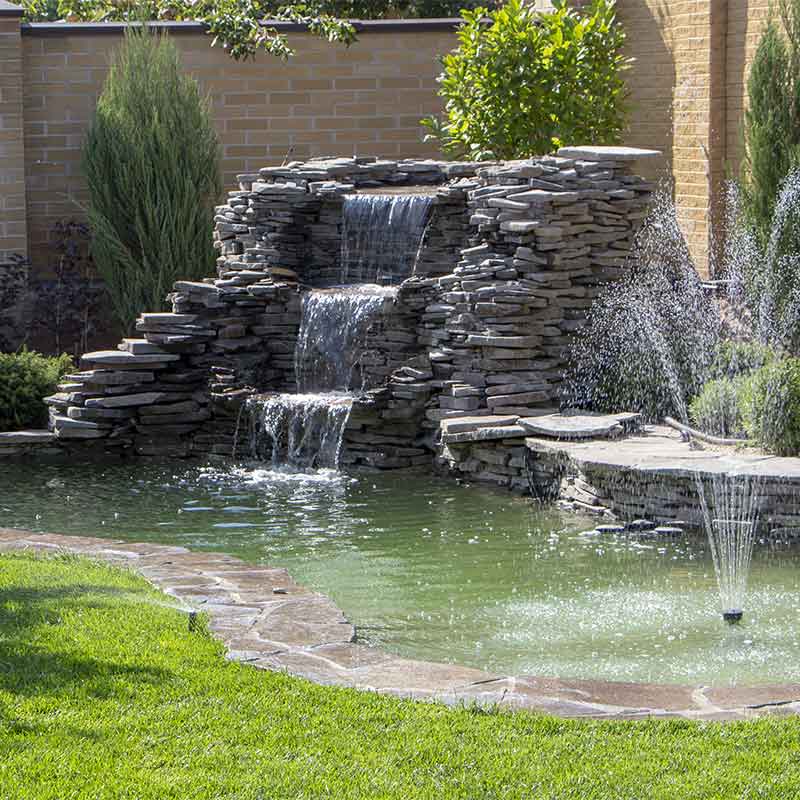
Image Source: www.solariverusa.com
The Core Components of a Lawn Water Fountain
At its heart, a lawn water fountain is a self-contained water circulation system. It doesn’t require a connection to your main irrigation system or lawn sprinkler system. Instead, it has its own dedicated water supply and circulation mechanism. Let’s break down the essential parts:
1. The Reservoir (Basin)
This is the foundation of your fountain, the container that holds the water. Reservoirs can vary greatly in size and material, from simple plastic tubs to elaborate stone basins. The primary function of the reservoir is to:
- Store Water: It holds enough water to keep the pump submerged and prevent it from running dry.
- Collect Recirculating Water: All the water that flows down from the fountain’s upper levels eventually returns to the reservoir.
- House the Pump: Typically, the submersible pump is placed at the bottom of the reservoir.
The size of the reservoir is crucial for water efficiency. A larger reservoir means you’ll need to refill it less often, especially in warmer weather when evaporation can be significant.
2. The Pump
The pump is the engine of the fountain, responsible for moving the water. Most lawn water fountains use submersible electric pumps. These are designed to be placed directly in the water, which helps keep them cool and prevents them from needing priming.
Here’s how the pump functions:
- Water Intake: The pump draws water from the reservoir through an intake screen. This screen prevents debris like leaves and dirt from entering and potentially damaging the pump.
- Motor: An electric motor powers an impeller.
- Impeller: This is a rotating component with blades. As the impeller spins, it pushes the water outwards, creating water pressure.
- Water Discharge: The pressurized water is then forced out of the pump through an outlet, typically connected to tubing that leads upwards.
The power of the pump, measured in gallons per hour (GPH) or liters per minute (LPM), determines the volume of water that can be moved and the height the fountain can achieve. This is a critical factor when considering how the fountain will affect water distribution in your garden.
3. Tubing and Riser Pipe
Once the water leaves the pump, it travels upwards through a system of tubing. This is often a flexible plastic hose or a rigid riser pipe.
- Riser Pipe: This is a vertical pipe that carries the water from the pump to the top of the fountain structure. It provides a stable conduit for the water flow.
- Tubing: Flexible tubing can be used to connect the pump to the riser pipe or to connect different levels of the fountain.
The diameter of the tubing and riser pipe influences the flow rate and can affect the overall appearance of the water cascade. Larger diameter pipes can handle higher volumes of water, resulting in a more robust flow.
4. Fountain Spout or Feature
This is where the magic happens – where the water emerges and begins its descent. Fountain spouts come in countless designs:
- Simple Spouts: A basic opening where water flows directly.
- Tiered Dishes: Water spills from one level to the next.
- Statuary: Water flows from the hands of a statue, through an animal’s mouth, or over carved features.
- Bubblers: Water gently bubbles up from beneath the surface.
The design of the spout significantly impacts the sound and visual appeal of the fountain, influencing how the water interacts with the air and creates patterns.
5. Water Spray Nozzles (Optional)
Some fountains incorporate spray nozzles at the top or along the cascade. These nozzles are designed to:
- Shape the Water: They can create various spray patterns, such as plumes, bells, or fans.
- Increase Aeration: Exposing the water to more air can help keep it oxygenated, which is beneficial for any aquatic life in or around the fountain.
- Enhance Visual Appeal: Different spray patterns can add complexity and dynamism to the fountain’s display.
The choice of nozzle can greatly affect the water distribution and the overall aesthetic.
The Flow of Water: A Step-by-Step Journey
Let’s trace the path of water through a typical lawn water fountain:
- Water Collection: The water sits in the reservoir at the base of the fountain.
- Pump Activation: When the pump is plugged into an electrical source, its motor starts to spin.
- Water Intake and Pressurization: The spinning impeller draws water from the reservoir into the pump. The impeller’s rotation forces this water outwards at high speed, building up water pressure.
- Ascent Through Tubing: The pressurized water is then pushed through the riser pipe and any connecting tubing, traveling upwards within the fountain’s structure.
- Emergence and Cascade: The water reaches the fountain’s spout or feature at the top. From here, gravity takes over. The water flows over the various levels, spills out of openings, or sprays from nozzles.
- Return to Reservoir: As the water cascades downwards, it collects in the reservoir, ready to be drawn back into the pump. This continuous cycle is what keeps the fountain running and the water moving.
This closed-loop system means that a fountain typically uses very little water overall, primarily losing water through evaporation. This makes it a relatively water-efficient feature compared to many other outdoor water uses.
Factors Influencing Fountain Performance
Several elements contribute to how well a lawn water fountain operates and looks:
1. Water Pressure
As mentioned, the pump is the key to generating water pressure. The higher the water pressure, the higher the water can be lifted and the more dramatic the cascade or spray can be.
- Pump Wattage/Flow Rate: A more powerful pump will produce higher pressure and a greater flow rate.
- Head Height: This is the vertical distance the water needs to be pumped. A fountain with multiple tiers will require a pump capable of overcoming a greater head height.
2. Water Flow Rate
The flow rate, often measured in gallons per minute (GPM) or liters per minute (LPM), determines how much water is moved over a period. A higher flow rate means more water cascading, which can create a more impressive display.
- Pump Capacity: The pump’s GPH rating is a direct indicator of its flow rate.
- Tubing Size: Wider tubing allows for a greater flow rate with less resistance.
3. Fountain Design and Aeration
The specific design of the fountain plays a significant role in the visual and auditory experience.
- Tiered Designs: These rely on controlled spills from one level to the next. The shape of each tier influences the way the water falls.
- Nozzle Types: Different nozzles can create a variety of water effects, from delicate mist to strong jets.
- Aeration: The more the water is exposed to air as it falls, the more it will “splash” and create sound. This aeration also helps keep the water fresh.
4. Power Source
Most lawn water fountains are powered by electricity.
- Submersible Pumps: These are designed to be fully submerged in water and are typically plugged into a GFCI (Ground Fault Circuit Interrupter) protected outdoor outlet.
- Solar-Powered Fountains: These use solar panels to power the pump, offering a more eco-friendly and cable-free option. Their performance can be dependent on sunlight intensity.
5. Water Level Maintenance
Keeping the water level adequate is crucial for the pump’s longevity and the fountain’s operation.
- Evaporation: On hot, dry, or windy days, water can evaporate quickly.
- Splashing: Some fountain designs cause more water to splash out of the reservoir.
- Regular Top-Ups: It’s essential to check the water level regularly and top it up to ensure the pump remains submerged.
Comparing Fountains to Other Lawn Watering Methods
It’s important to distinguish a water fountain from a lawn sprinkler system or garden watering solutions. While both involve water, their purposes and mechanisms are quite different.
| Feature | Lawn Water Fountain | Lawn Sprinkler System / Underground Sprinklers | Garden Watering (Hose) |
|---|---|---|---|
| Primary Purpose | Aesthetic appeal, sound, ambiance | Irrigation of lawns and gardens | Manual watering of plants, lawns |
| Water Source | Self-contained reservoir | Main water supply (city water, well) | Main water supply (city water, well) |
| Water Movement | Electric pump circulates water within the system | Water pressure from main supply | Water pressure from main supply |
| Distribution | Controlled cascade/spray within the fountain | Pop-up sprinklers, sprinkler heads spread water over an area | Manual application via hose nozzle or wand |
| Zones | Not applicable (single, self-contained system) | Often divided into sprinkler zones for varied watering needs | Not applicable (manual control) |
| Water Efficiency | High (closed-loop system, only evaporation loss) | Variable, depending on design and management | Variable, highly dependent on user |
| Installation | Relatively simple, often portable or placed | Can be complex, often involves digging for underground sprinklers | Simple connection to outdoor faucet |
Unlike a lawn sprinkler system which is designed for broad water distribution across your lawn and garden beds, a fountain’s water stays within its immediate vicinity. While both use water pressure to operate, their application is entirely different. Pop-up sprinklers and sprinkler heads in an irrigation system are engineered to cover large areas, often managed by sprinkler zones to provide targeted watering based on plant needs. Fountains, on the other hand, are about creating a focused water feature.
Enhancing Your Lawn Water Fountain Experience
To get the most out of your lawn water fountain, consider these tips:
1. Placement is Key
- Visibility: Position your fountain where it can be enjoyed from your patio, deck, or favorite window.
- Sunlight: If you have a solar fountain, place it in a spot that receives ample direct sunlight.
- Proximity to Power: For electric fountains, ensure easy access to a GFCI-protected outdoor outlet.
- Avoid Overhangs: Keep the fountain away from trees that shed a lot of leaves or debris, which can clog the pump and reservoir.
2. Maintenance for Longevity
Regular cleaning and maintenance are vital for the health and appearance of your fountain.
- Clean the Reservoir: Periodically drain and clean the reservoir to remove algae, sediment, and debris. Use a soft brush and mild soap or a specialized fountain cleaner.
- Clean the Pump Intake: Ensure the intake screen on the pump is free of clogs.
- Check Tubing: Make sure the tubing is not kinked or blocked.
- Winterization: In colder climates, drain the fountain completely and store the pump indoors to prevent freezing damage.
3. Algae Control
Algae can be a common issue in fountains.
- Natural Inhibitors: Some plants, like water lilies, can help shade the water and reduce algae growth.
- Fountain Cleaners: Use commercially available fountain cleaners or algaecides designed for fountains. Avoid using harsh chemicals that could damage the pump or fountain materials.
- Regular Water Changes: Changing the water more frequently can help reduce algae buildup.
4. Water Efficiency and Conservation
While fountains are inherently water-efficient, you can take further steps:
- Covering: Consider a fountain cover when not in use or during very windy periods to minimize evaporation and debris.
- Reservoir Size: As mentioned earlier, a larger reservoir reduces the frequency of refills.
- Leak Checks: Periodically inspect the fountain for any leaks in the reservoir or tubing.
Frequently Asked Questions (FAQ)
Q1: Do lawn water fountains use a lot of electricity?
Most lawn water fountains use relatively little electricity. The pumps are typically low-wattage submersible pumps designed for continuous operation. The actual consumption depends on the pump’s power rating and how long the fountain runs.
Q2: Can I connect my lawn water fountain to my lawn sprinkler system?
No, it is not recommended or typically possible to connect a lawn water fountain to your irrigation system or lawn sprinkler system. Fountains are designed as self-contained, recirculating systems. Attempting to connect them could damage both systems and lead to inefficient water distribution.
Q3: How often should I add water to my fountain?
This depends on the size of your reservoir, the climate, and the fountain’s design. On hot or windy days, you might need to add water daily. In cooler, more humid conditions, you might only need to top it up weekly or bi-weekly. Always ensure the pump remains submerged.
Q4: What is the best location for my water fountain?
The best location offers good visibility for enjoyment, easy access to a power source (if electric), and minimal exposure to falling debris like leaves. Consider placing it on a level, stable surface.
Q5: How do I prevent my fountain from freezing in winter?
In climates with freezing temperatures, it is essential to winterize your fountain. This involves draining all water from the reservoir, pump, and tubing. The pump should be removed and stored in a frost-free location, such as a garage or basement.
Q6: Are there water-efficient ways to manage my fountain?
Yes, using a larger reservoir to reduce refill frequency, covering the fountain when not in use to minimize evaporation, and promptly fixing any leaks contribute to water efficiency.
Q7: What is the difference between a fountain and a pop-up sprinkler?
A fountain is an aesthetic feature that recirculates water within a contained system for visual and auditory appeal. A pop-up sprinkler is part of an irrigation system designed to deliver water from your main supply to specific areas of your lawn or garden for plant growth.
In conclusion, a lawn water fountain is a beautiful addition to any outdoor space, creating a serene atmosphere through the simple yet effective circulation of water. By fathoming its components and operation, you can better maintain and enjoy this captivating feature.