
Wondering how long it takes for lawn fertilizer to work? Typically, you’ll start seeing visible fertilizer effects within a few days to a week, with significant lawn greening timeline improvements visible within one to two weeks after application.
Many factors influence how quickly your lawn responds to fertilizer. These include the type of fertilizer used, the specific nutrients it contains, the weather conditions, and the current health of your grass. Let’s dive deeper into these elements to fully grasp the fertilizer absorption rate and the overall fertilizer results time frame.
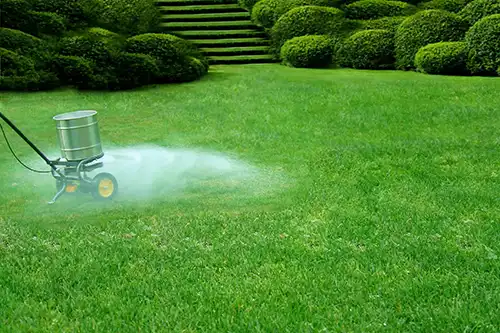
Image Source: www.flapest.com
Fathoming Fertilizer Activation Time
When you spread fertilizer on your lawn, it doesn’t magically transform your grass overnight. There’s a process involved, often referred to as fertilizer activation time. This activation period is crucial because it dictates when the nutrients become available for your grass to absorb.
How Fast Does Fertilizer Work?
The speed at which fertilizer works is a primary concern for most homeowners. The good news is that when applied correctly, many fertilizers begin to show positive changes relatively quickly. However, understanding the nuances of how fast does fertilizer work requires looking at the different types of fertilizer and their release mechanisms.
Quick-Release vs. Slow-Release Fertilizers
Fertilizers are broadly categorized into two main types based on how quickly they release their nutrients: quick-release and slow-release. This distinction is fundamental to understanding the lawn greening timeline.
-
Quick-Release Fertilizers: These fertilizers are often granular and are water-soluble. Once applied and watered, they dissolve quickly, making nutrients immediately available to the grass roots. This leads to a rapid, visible response. You might see your lawn start to look greener within 24-48 hours. However, the effects are often short-lived, and they can be more prone to burning the lawn if over-applied.
-
Slow-Release Fertilizers: These fertilizers release nutrients gradually over a longer period, often several weeks or even months. This is achieved through various methods, such as coating the granules with a material that breaks down slowly, or by using naturally slow-releasing nutrient compounds. The benefit here is sustained feeding, which reduces the risk of burning and provides a more consistent growth pattern. While the initial response might be slower, typically showing noticeable results in 5-7 days, the overall fertilizer results time frame is much longer and more stable.
Fertilizer Absorption Rate: What Influences It?
The fertilizer absorption rate is directly tied to how efficiently the grass can take up the nutrients provided. Several environmental and application factors play a significant role:
-
Moisture: Water is essential for fertilizer to work. For quick-release fertilizers, moisture is needed to dissolve the granules. For slow-release, it helps break down coatings or activate the release process. If you don’t water after application (unless the product specifies otherwise), nutrients will remain on the soil surface, significantly delaying any visible fertilizer effects.
-
Soil Temperature: Grass roots are more active in warmer soil temperatures. This increased activity boosts the nutrient uptake time. In cooler weather, the grass’s metabolic processes slow down, meaning it will absorb nutrients at a much slower pace.
-
Soil pH: Soil pH affects nutrient availability. If your soil is too acidic or too alkaline, certain nutrients might be locked up and unavailable to the grass, even if they are present in the fertilizer. The ideal pH for most lawns is between 6.0 and 7.0.
-
Grass Type and Health: Different grass species have varying nutrient requirements and absorption rates. A healthy, vigorous lawn will typically respond to fertilizer more quickly than a stressed or unhealthy one. If your grass is already suffering from drought, disease, or pests, its ability to absorb nutrients will be compromised.
-
Application Method: How the fertilizer is applied matters. Even distribution is key. Overlapping application or missing spots can lead to uneven results. Spreader settings should be calibrated correctly to ensure the recommended rate is applied.
Lawn Response to Fertilizer: A Deeper Dive
The lawn response to fertilizer isn’t just about greenness. It also encompasses growth, root development, and overall vigor. The timeline for these responses can vary.
Visible Fertilizer Effects: What to Expect and When
When you apply fertilizer, you’re primarily looking for those desirable visible fertilizer effects. These usually manifest in a few key ways:
-
Greening: This is the most immediate and noticeable effect. The nitrogen in the fertilizer promotes chlorophyll production, leading to a richer, deeper green color. For quick-release fertilizers, you might see the first hints of this enhanced greenness within a day or two. For slow-release, it might take up to a week to observe a significant difference.
-
Growth: Increased growth, often seen as faster mowing, is another key indicator that the fertilizer is working. This response is typically a bit slower than the greening effect, usually becoming apparent within one to two weeks.
-
Vigor and Density: Over time, a properly fertilized lawn will become more robust, with thicker blades and a denser overall appearance. This is a sign of healthy root development and improved plant health, and it can take several weeks to become significantly apparent.
The Timeline: From Application to Impact
To provide a clearer picture, let’s break down the typical fertilizer results time frame based on common scenarios:
| Fertilizer Type | Initial Greening (Days) | Significant Greening (Weeks) | Increased Growth (Weeks) |
|---|---|---|---|
| Quick-Release | 1-3 | 1-2 | 1-2 |
| Slow-Release | 5-7 | 2-4 | 2-3 |
| Organic Fertilizers | 7-14 | 3-6 | 3-5 |
Note: These are general estimates. Actual times can vary significantly based on the factors mentioned previously.
Fertilizer Breakdown Speed and Nutrient Uptake Time
The fertilizer breakdown speed is intrinsically linked to the nutrient uptake time by the grass. Understanding this relationship is key to effective lawn care.
How Nutrient Uptake Happens
Grass plants absorb nutrients through their roots. These nutrients are dissolved in the soil water and then taken into the plant through a process called osmosis and active transport.
- Root Zone Availability: For nutrients to be absorbed, they must first be present in a soluble form in the soil water surrounding the roots.
- Root Activity: The health and activity of the grass roots directly impact how much nutrient can be absorbed. Healthy roots in a favorable soil environment will absorb nutrients more efficiently.
- Environmental Factors: As mentioned, soil temperature, moisture, and pH all influence how quickly nutrients become available and how effectively roots can absorb them.
Factors Affecting Fertilizer Breakdown Speed
The rate at which fertilizer breaks down and becomes available for absorption depends on:
- Fertilizer Composition: The chemical form of the nutrients is the primary determinant. For instance, urea, a common nitrogen source, is rapidly converted to ammonia and then to nitrates, which are readily absorbed by plants. However, certain organic compounds require microbial action to break down.
- Soil Microbes: Soil microorganisms play a vital role in breaking down organic fertilizers and some synthetic ones, making nutrients available. The abundance and activity of these microbes are influenced by soil health, moisture, and temperature.
- Moisture and Temperature: As with nutrient uptake, moisture is crucial for the breakdown of many fertilizer types. Warm temperatures generally speed up chemical reactions and microbial activity, accelerating breakdown.
Interpreting Visible Fertilizer Effects: What to Watch For
When you’re waiting for your lawn to show visible fertilizer effects, here’s what to specifically observe:
- Color Change: The most obvious sign is an improvement in the grass’s green color. Look for a uniform deepening of the green hue across the treated area.
- Leaf Blade Appearance: Individual grass blades may appear fuller and more robust.
- Growth Rate: You’ll notice your lawn needs mowing more frequently than it did before the fertilization. This indicates active growth.
- Resilience: The grass might appear more resistant to stress, such as temporary wilting during hot periods.
Common Questions About Fertilizer Timing
Here’s a look at frequently asked questions related to how long does it take for lawn fertilizer to work:
Q1: How long after fertilizing will my lawn turn green?
A1: For quick-release fertilizers, you might see a color change within 24-48 hours. Slow-release fertilizers typically take 5-7 days for noticeable greening.
Q2: Can I speed up the fertilizer absorption rate?
A2: Watering after application is the most effective way to start the fertilizer activation time. Ensuring optimal soil conditions (temperature, pH) and a healthy root system also helps.
Q3: My lawn still looks yellow after a week. Is the fertilizer not working?
A3: It’s possible. Several factors could be at play: the fertilizer might be slow-release, the weather might be unfavorable (too cool or dry), or there might be an underlying issue with your soil or grass health. Patience is key, but if no changes are seen after two weeks, reassess your application and soil conditions.
Q4: How long do fertilizer results last?
A4: This depends heavily on the fertilizer type. Quick-release fertilizers might provide benefits for 3-6 weeks, while slow-release fertilizers can last from 6 weeks to several months. Organic fertilizers generally offer the longest-lasting, most gradual benefits.
Q5: Should I water my lawn immediately after fertilizing?
A5: Generally, yes. Watering helps dissolve granular fertilizers and moves them into the soil, preventing burn and initiating the nutrient uptake time. Always check the product label for specific instructions, as some products may recommend waiting a day.
Q6: What is fertilizer activation time?
A6: Fertilizer activation time refers to the period from application until the nutrients in the fertilizer become available for the grass to absorb and utilize. This process involves dissolution, breakdown, and availability in the soil.
Q7: How long before seeing fertilizer impact on growth?
A7: While greening can be seen within days, the impact on growth (i.e., faster mowing) typically becomes apparent within one to two weeks after applying fertilizer.
Q8: What affects the fertilizer breakdown speed?
A8: The chemical composition of the fertilizer, the presence of soil microbes, soil moisture, and soil temperature all influence how quickly fertilizer breaks down.
Q9: What is the typical lawn greening timeline after fertilizing?
A9: A typical lawn greening timeline for quick-release fertilizers is 1-3 days for initial color changes and 1-2 weeks for significant greening. Slow-release fertilizers show noticeable greening within 5-7 days, with full effects in 2-4 weeks.
Q10: How does the fertilizer absorption rate work?
A10: The fertilizer absorption rate depends on the grass’s root activity, soil moisture, soil temperature, and soil pH. Nutrients must be dissolved in soil water and accessible to active roots for absorption to occur efficiently.
By understanding these various timelines and factors influencing them, you can better manage your lawn fertilization program and achieve the lush, green results you desire. Remember that consistent feeding, proper watering, and good soil health are the cornerstones of a thriving lawn.