
Can you overseed a lawn in Utah? Yes, you absolutely can and often should overseed a lawn in Utah. Overseeding is a fantastic way to thicken your turf, introduce newer, more resilient grass varieties, and improve overall lawn health, especially in a climate as diverse as Utah’s. This Utah lawn overseeding guide will walk you through every step, from choosing the right time to caring for your newly seeded grass.
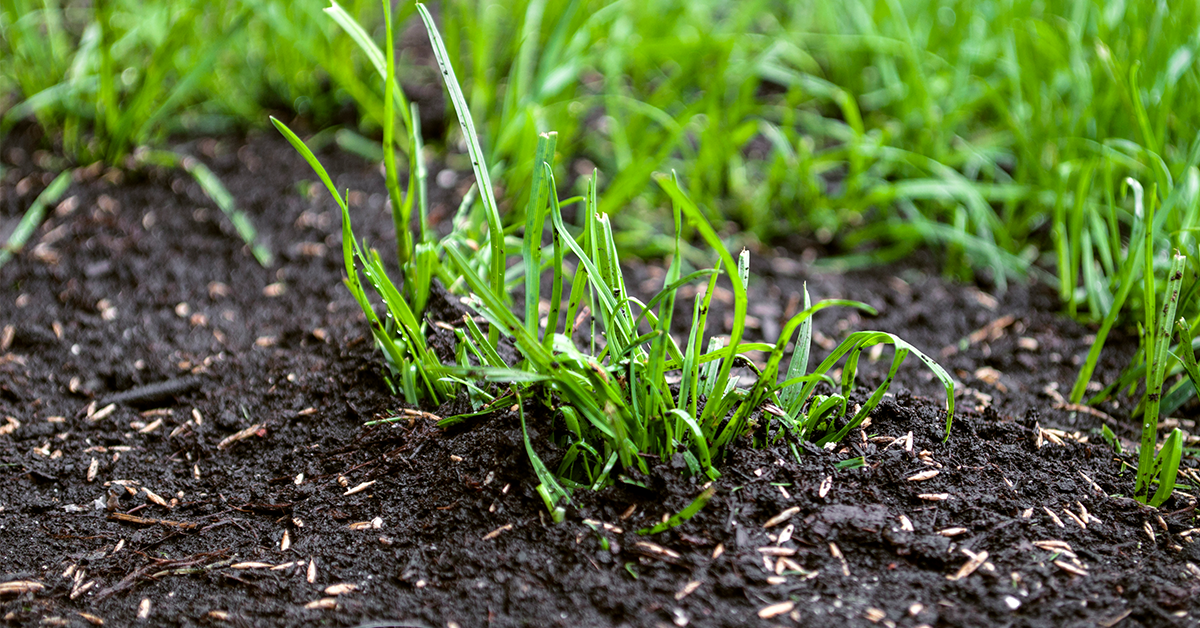
Image Source: grow.ifa.coop
Why Overseed Your Lawn in Utah?
Utah’s climate presents unique challenges for lawns. From scorching summers to cold, dry winters, and the omnipresent threat of drought, maintaining a lush, green yard can be tough. Overseeding offers several benefits specifically tailored to growing grass in Utah:
- Improved Density: Thinning lawns are more susceptible to weeds and disease. Overseeding fills in bare patches and creates a thicker, more competitive turf.
- Enhanced Weed Control: A dense lawn naturally crowds out weeds, reducing the need for chemical herbicides.
- Disease Resistance: Newer grass seed varieties often have improved resistance to common lawn diseases that can plague Utah lawns.
- Drought Tolerance: Introducing drought-tolerant grass types can significantly reduce your lawn’s water needs, a crucial factor for lawn care Utah.
- Color and Texture: Overseeding with a different grass blend can improve the overall aesthetic of your lawn, giving it a richer color and finer texture.
- Repair Damaged Areas: Whether from pet traffic, heavy footfall, or winter damage, overseeding is the best way to repair worn-out sections.
Best Time to Overseed Lawn Utah
Timing is crucial for successful seeding new grass Utah. The best time to overseed a lawn in Utah is during the fall, specifically from late August through October. Here’s why:
- Cool Season Grass Growth: Most residential lawns in Utah are planted with cool-season grasses (like Kentucky bluegrass, fescues, and ryegrass). These grasses thrive in cooler temperatures. Fall provides ideal conditions with mild air temperatures and warming soil, allowing seeds to germinate and establish roots before winter.
- Reduced Weed Competition: Spring often brings a surge of annual weeds that compete with new grass seedlings for light, water, and nutrients. Fall has less weed pressure, giving your new grass a better chance to grow.
- Moisture Availability: Fall typically brings more consistent rainfall than the hot, dry summer months, aiding germination and early growth.
- Winter Dormancy Prep: By overseeding in fall, your new grass has ample time to establish a strong root system before going into winter dormancy, ensuring it’s ready to emerge vigorously in the spring.
While fall is ideal, spring overseeding can be done, typically from March to May. However, be aware that spring overseeding faces greater competition from annual weeds and the increasing summer heat, which can stress young seedlings. If you choose spring, ensure consistent watering and be prepared for more weeding.
Choosing the Right Grass Seed Types Utah
Selecting the correct grass seed is vital for success in Utah’s climate. The most common type for lawns here are cool-season grasses.
Overseeding Cool Season Grass Utah
For overseeding cool season grass Utah, you’ll want to select a blend that matches or complements your existing lawn. Here are some popular and suitable grass seed types Utah:
- Kentucky Bluegrass (KBG): A premium choice for Utah lawns, KBG offers excellent cold-season hardiness and a beautiful, dense turf. It’s slow to establish but very drought-tolerant once mature and can self-repair through rhizomes. It performs best in full sun.
- Fine Fescues: These include Creeping Red Fescue, Chewings Fescue, and Hard Fescue. They are known for their shade tolerance, low-maintenance needs, and good drought resistance. They can tolerate some foot traffic but aren’t as durable as KBG.
- Perennial Ryegrass: This is the fastest germinating grass seed, making it excellent for quick establishment and filling in bare spots. It’s also quite wear-tolerant. However, it can be less cold-hardy and drought-tolerant than KBG and fescues, and may struggle in extreme Utah summers. It’s often used in blends to provide quick cover.
- Tall Fescue: While often considered a warm-season grass, there are newer, improved varieties of Tall Fescue that have good cold tolerance and are suitable for Utah. They have deep root systems, making them very drought-tolerant and wear-resistant. They are a good option for sunny areas that receive moderate to heavy traffic.
Recommended Seed Blends for Utah:
Many bagged seed mixes are designed for specific regions and conditions. Look for blends that include:
- Kentucky Bluegrass: For the best overall look and resilience in most sunny Utah areas.
- Fine Fescues: To improve shade tolerance and reduce watering needs.
- Perennial Ryegrass: For quick germination and to fill in gaps rapidly.
When purchasing seed, check the seed tag for the percentage of weed seed and other crop seed. Opt for bags with a low percentage of these. Also, consider the grass varieties within the blend; some newer cultivars offer enhanced disease and drought resistance.
Preparing Soil for Overseeding Utah
Proper soil preparation is critical for seeding new grass Utah and ensuring good seed-to-soil contact. This stage is key to successful lawn renovation Utah.
Step 1: Mow the Lawn Short
- Set your mower to its lowest setting.
- Mow the entire lawn. This removes excess thatch and creates a better environment for new seeds to reach the soil.
- Collect the clippings so they don’t smother the new seeds.
Step 2: Remove Debris and Thatch
- Use a rake or a power dethatcher/scarifier to remove any accumulated thatch, dead grass, leaves, and other organic debris.
- Thatch is a layer of dead and living stems and roots that can prevent seeds from reaching the soil. A layer thicker than ½ inch can be problematic.
- Rake the loosened debris off the lawn.
Step 3: Aerate Your Lawn
- Aeration involves creating small holes in the soil, which relieves compaction and allows for better air, water, and nutrient penetration.
- This is especially important in Utah, where soil can become compacted due to clay content or heavy foot traffic.
- Use a core aerator (which pulls out plugs of soil) or a spike aerator. Core aeration is generally more effective.
- Aeration should ideally be done before overseeding to improve seed-to-soil contact.
Step 4: Lightly Loosen the Soil Surface
- After aerating, you can lightly rake the lawn again to further loosen the soil surface.
- This creates small divots and channels where the seeds can settle and make good contact with the soil.
Step 5: Add Topdressing (Optional but Recommended)
- Applying a thin layer (about ¼ inch) of compost or a quality topsoil mix can provide essential nutrients for new seedlings and improve soil structure.
- Spread the topdressing evenly over the lawn.
- You can then rake it lightly into the aeration holes or gently work it into the soil surface.
The Overseeding Process
Now that your soil is prepped, it’s time for the actual overseeding.
Step 1: Select Your Seed
- Choose a high-quality grass seed blend suitable for growing grass in Utah and your lawn’s specific conditions (sun, shade, traffic). Refer to the grass seed types Utah section above.
Step 2: Calculate Seed Amount
- The recommended seeding rate varies by grass type, but a general guideline for overseeding is 4-6 pounds of seed per 1,000 square feet.
- Always check the seed bag for the manufacturer’s specific recommendations.
- Using too much seed can lead to overcrowding and weak seedlings.
Step 3: Apply the Seed
There are a few ways to apply the seed:
- Broadcast Spreader: This is the most common method for home lawns.
- Calibrate your spreader according to the seed bag’s instructions to ensure even application.
- Apply half the seed in one direction (e.g., north to south) and the other half in the perpendicular direction (e.g., east to west). This helps ensure uniform coverage.
- Drop Spreader: Offers more precise application, especially for smaller areas or if you need to be very accurate.
- Hand Spreading: For very small areas or touch-ups.
Step 4: Ensure Seed-to-Soil Contact
- After spreading the seed, it’s crucial to get it in contact with the soil.
- If you aerated, the seed will naturally fall into some of the holes.
- You can lightly rake the lawn again (gently!) to push the seed into the soil surface or run a cultipacker or roller over the lawn. A light roller is best to firm the soil around the seed without burying it too deep.
Step 5: Apply Starter Fertilizer
- Apply a starter fertilizer that is formulated for new grass. These fertilizers contain higher levels of phosphorus, which promotes root development.
- Follow the product’s application rates carefully. Do not over-fertilize, as this can burn new seedlings.
Watering Overseeded Lawn Utah
Proper watering is arguably the most critical factor in the success of your overseeding project. New grass seed needs consistent moisture to germinate and establish.
Watering Overseeded Lawn Utah: The Key Principles
- Keep the Seedbed Consistently Moist: This is the golden rule. The top ½ inch of soil should feel like a damp sponge, not waterlogged and not dry.
- Frequent, Light Watering: For the first 2-3 weeks, you will likely need to water several times a day – perhaps 2-3 times daily, for short durations (5-10 minutes).
- Avoid Large Waterings: Deep, infrequent watering is good for established lawns but will wash away new seeds and create uneven germination.
- Observe, Don’t Just Schedule: Your watering schedule will depend on temperature, humidity, and wind. Check the soil moisture regularly. If it looks dry, water.
- Adjust as Seedlings Grow: As seedlings emerge and start to grow taller (about 1 inch), you can gradually reduce the frequency of watering and increase the duration. This encourages deeper root growth.
- Transition to Established Lawn Watering: Once the new grass is about 2-3 inches tall and has been mowed once or twice, you can transition to a deeper, less frequent watering schedule, similar to your established lawn.
Important Considerations for Utah:
- Evaporation: Utah’s dry air and sun can cause the soil surface to dry out quickly, especially in early spring or late fall. Be vigilant.
- Water Restrictions: Be mindful of any local water restrictions that may be in place. Water early in the morning to minimize evaporation.
- Overwatering: While moisture is key, waterlogged soil can lead to fungal diseases and suffocation of seeds and roots. Ensure good drainage.
Lawn Care Utah: Post-Overseeding Maintenance
Once your overseeding is complete and the new grass is starting to grow, consistent lawn care Utah practices will ensure its long-term health.
Mowing New Grass
- First Mowing: Wait until the new grass reaches about 3 inches tall.
- Raise the Mower Deck: For the first mowing, set your mower blade to a higher setting than usual – at least 3 to 3.5 inches. This reduces stress on the young grass.
- Never Remove More Than One-Third: This is a fundamental lawn care principle that applies even more strictly to new seedlings.
- Sharp Blades: Always use a sharp mower blade to prevent tearing the delicate grass blades.
- Mulch Clippings: Leave the clippings on the lawn. They act as a natural fertilizer.
Fertilizing After Germination
- After the new grass has been mowed a few times and appears established (typically 4-6 weeks after seeding), you can apply a balanced, slow-release fertilizer.
- Follow the product’s instructions for application rates.
- Avoid high-nitrogen fertilizers on brand new seedlings, as this can encourage top growth at the expense of root development.
Weed Control
- Prevention is Key: A dense, healthy lawn is the best defense against weeds.
- Hand Pulling: For scattered weeds, hand-pulling is the safest option for young grass.
- Post-Emergent Herbicides: If you must use herbicides, wait until the new grass is well-established (at least 6-8 weeks old and has been mowed several times). Choose a product specifically labeled for use on newly seeded or young turf, and always follow label instructions carefully. Some broadleaf herbicides can damage or kill new grass.
Overseeding for Lawn Renovation Utah
If your lawn is in particularly poor condition, overseeding can be a key component of a broader lawn renovation Utah project. This might involve:
- Soil Testing: Before starting any renovation, consider a soil test from your local extension office to check pH and nutrient levels. This will guide your fertilizer and amendment choices.
- Addressing Drainage Issues: If your lawn has persistent wet spots, renovation might require grading or amending the soil to improve drainage.
- Gradual Improvement: For severely damaged lawns, you might need to repeat the overseeding process for a couple of years to achieve the desired density and grass type.
Common Problems and Solutions in Utah
When growing grass in Utah, you might encounter specific issues:
| Problem | Cause | Solution |
|---|---|---|
| Poor Germination | Insufficient seed-to-soil contact, dry conditions, seed too old | Rake seed into soil, water consistently and frequently, use fresh seed. |
| Weed Infestation | Thin lawn, spring overseeding, improper mowing | Overseed in fall, maintain a thick lawn, hand-pull weeds, use appropriate herbicides cautiously on established seedlings. |
| Drought Stress | Insufficient watering, inappropriate grass types | Water deeply and less frequently as grass establishes, choose drought-tolerant grass varieties, consider xeriscaping or drought-tolerant ground cover in very dry areas. |
| Fungal Diseases | Overwatering, poor air circulation, excessive thatch, high humidity | Water in the morning, reduce watering frequency as grass establishes, ensure good air circulation by aerating and mowing, dethatch annually. |
| Patchy Growth | Uneven seed distribution, inconsistent watering, soil compaction | Use a spreader accurately, maintain consistent moisture, aerate compacted areas, ensure good seed-to-soil contact. |
| Grubs/Insects | Soil pests | Monitor your lawn for signs of infestation. Apply appropriate insecticides according to product directions, ideally targeting the larval stage. Healthy lawns are more resistant. |
| Salt Damage | Winter de-icing salts, contaminated water sources | Avoid using de-icing salts on or near your lawn. If suspected, flush the soil with large amounts of fresh water. Choose salt-tolerant grass varieties if this is a recurring issue. |
| Heat Stress | Summer high temperatures, prolonged drought | Ensure adequate watering during hot spells, mow higher to shade the soil, choose heat-tolerant grass varieties. Dormancy during extreme heat is natural for cool-season grasses. |
Frequently Asked Questions (FAQ)
Q1: How often should I overseed my lawn in Utah?
For best results, it’s recommended to overseed your lawn annually in the fall. This helps maintain density and introduces improved grass varieties.
Q2: Can I overseed my lawn if I have sprinklers?
Yes, sprinklers are very helpful for overseeding. Just be sure to adjust your sprinkler settings to provide frequent, light watering to keep the seedbed moist without causing runoff.
Q3: My new grass is growing, but it’s very thin. What should I do?
This can happen if the seed-to-soil contact wasn’t ideal or if watering was inconsistent. Continue to water diligently and avoid mowing until it reaches about 3 inches. You may need to overseed again next fall to thicken it further.
Q4: Is it too late to overseed in October in Utah?
Generally, the earlier in fall the better. However, you can typically overseed into early October as long as there are at least 4-6 weeks before the ground freezes. Check your local extended weather forecast for average first frost dates.
Q5: Can I use a fertilizer with weed killer when overseeding?
No, it is strongly advised against using any weed killers (pre-emergent or post-emergent herbicides) or “weed and feed” products when you are trying to establish new grass. These products will kill your new grass seeds and seedlings. Wait until the new grass is well-established (at least 6-8 weeks old and has been mowed several times) before considering any lawn treatments.
By following this Utah lawn overseeding guide, you’ll be well on your way to a thicker, healthier, and more beautiful lawn that can better withstand the challenges of growing grass in Utah. Happy seeding!