
So, how long does it take to aerate a lawn? The time it takes to aerate a lawn can vary significantly, but generally, a homeowner can expect to spend anywhere from 1 to 4 hours on a typical residential lawn. This duration depends on factors like lawn size, the type of aerator used, your speed, and any necessary prep work or cleanup.
Aerate your lawn to help it breathe better. This process punches small holes into the soil. These holes let air, water, and nutrients reach the grass roots. It also helps break up soil compaction. Lawn aeration time is a common question for many homeowners looking to improve their turf. This guide will break down the aeration duration and everything you need to know about aerating lawn process.
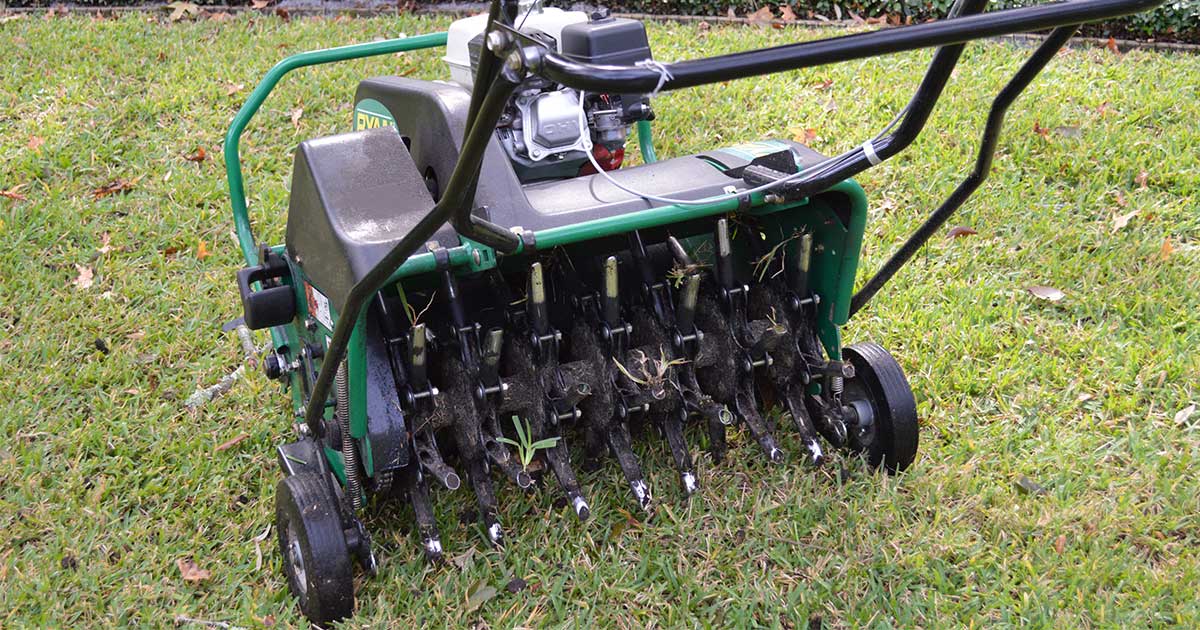
Image Source: www.pennington.com
Factors Influencing Aeration Duration
Several key elements play a role in determining how much time to aerate your lawn. Understanding these will help you budget your time effectively.
Lawn Size
This is the most obvious factor. A larger lawn naturally takes more time to aerate than a smaller one. Think of it like painting a wall: a big wall takes longer than a small one.
- Small Lawns (under 1,000 sq ft): You might finish in under an hour.
- Medium Lawns (1,000 – 5,000 sq ft): Expect 1 to 2 hours.
- Large Lawns (over 5,000 sq ft): This could take 2 to 4 hours or even longer.
Type of Aerator
The equipment you use makes a big difference in lawn aerator time.
- Spike Aerators: These are less effective and generally faster. You simply push or pull them across the lawn. However, they can further compact the soil in some cases.
-
Core Aerators (Plug Aerators): These are the most common and effective for homeowners. They pull out small plugs of soil.
- Walk-behind Core Aerators: These are the most common for residential use. You push them, similar to a mower. The speed at which you push and how often you empty the collection box (if applicable) impacts lawn aeration time.
- Tow-behind Aerators: If you have a riding mower, these can be efficient. You simply attach them and drive.
- Riding Aerators: These are self-propelled machines that look like small tractors. They are the fastest option for larger areas but are more expensive to rent or buy.
Your Pace and Experience
Are you a seasoned lawn care pro or a beginner? Your familiarity with the equipment and your physical stamina will affect aerating yard time. If you’re doing it for the first time, you’ll likely go slower as you get a feel for the machine.
Terrain and Obstacles
A flat, open lawn is much quicker to aerate than one with many slopes, hills, or obstacles like flower beds, trees, or garden paths. Maneuvering around these takes extra time and care.
Soil Conditions
While not directly affecting the time spent pushing the aerator, very hard, compacted soil might make it harder for the aerator tines to penetrate, potentially slowing you down.
Prep Work and Cleanup
- Mowing: Before aerating, it’s often recommended to mow your lawn. This takes time.
- Clearing Debris: Removing toys, rocks, and other debris from the lawn is crucial to avoid damaging the aerator and takes extra minutes.
- Core Collection: Some aerators collect the plugs, others leave them on the surface to break down. If you need to rake up the plugs, this adds to your total aeration duration.
Estimating Aeration Time for Different Lawn Sizes
Let’s break down realistic time estimates for typical lawn sizes, assuming you’re using a walk-behind core aerator and not encountering major issues.
Small Lawn (Under 1,000 sq ft)
- Prep: 15-30 minutes (mowing, clearing)
- Aeration: 30-60 minutes
- Cleanup: 15-30 minutes (if needed)
- Total Estimated Time: 1 to 2 hours
Medium Lawn (1,000 – 5,000 sq ft)
- Prep: 30-60 minutes (mowing, clearing)
- Aeration: 1 to 2 hours
- Cleanup: 30-45 minutes (if needed)
- Total Estimated Time: 2 to 3.5 hours
Large Lawn (5,000 – 10,000 sq ft)
- Prep: 45-90 minutes (mowing, clearing)
- Aeration: 2 to 3 hours
- Cleanup: 45-60 minutes (if needed)
- Total Estimated Time: 3.5 to 5.5 hours
Note: These are estimates. If you have a very large lawn (over 10,000 sq ft) or are using a professional service, the time will increase, or the cost will reflect the larger scale.
Optimizing Your Aeration Schedule
Beyond just the how long does it take to aerate a lawn question, aeration scheduling is key to getting the best results.
Best Time for Aeration
The best time for aeration depends on your grass type:
-
Cool-Season Grasses (Fescue, Kentucky Bluegrass, Ryegrass):
- Best: Early fall (September/October)
- Also Good: Early spring (March/April)
- Why? These seasons allow the grass to recover quickly and establish new growth. Aerating when the grass is actively growing is crucial.
-
Warm-Season Grasses (Bermuda, Zoysia, St. Augustine):
- Best: Late spring to early summer (May/June)
- Why? These grasses thrive in heat and will recover fastest when aerated during their peak growing season.
Frequency of Aeration
Most lawns benefit from aeration once a year. However, heavily trafficked lawns or those with significant soil compaction might benefit from aeration twice a year (once in spring, once in fall for cool-season grasses).
Post-Aeration Care
What you do after aerating a lawn also plays a role.
- Watering: Water your lawn thoroughly after aeration.
- Fertilizing: This is an excellent time to fertilize, as the nutrients can reach the root zone more easily.
- Overseeding: If you’re overseeding, do it immediately after aeration while the soil is disturbed. The plugs provide a great seedbed.
The Aerating Lawn Process: A Step-by-Step Breakdown
To accurately gauge lawn aeration time, it helps to know the steps involved.
Step 1: Preparation (Crucial for Efficiency)
- Mow the Lawn: Mow your grass to a height of about 2-3 inches. Shorter grass makes it easier for the aerator to work and for the plugs to break down.
- Clear the Lawn: Walk your lawn and remove any rocks, sticks, toys, or other debris. This protects your aerator and prevents you from having to stop and clear things mid-process.
- Mark Sprinkler Heads/Obstacles: If you have pop-up sprinklers or other underground hazards, mark them clearly to avoid damaging them.
Step 2: Aeration
- Start the Aerator: Follow the manufacturer’s instructions for starting your specific aerator.
- Begin Aerating: Push or guide the aerator across the lawn. Aim for overlap with your previous pass to ensure complete coverage.
- Direction of Passes: Aerate in one direction (e.g., north to south) for the first pass. Then, aerate in the perpendicular direction (e.g., east to west) to ensure thorough aeration. This is often referred to as a “cross-aeration” and is important for effective loosening of compacted soil.
- Handling Plugs: If your aerator collects plugs, remember to empty the hopper when it’s full. This is a common point where aeration duration can be extended if you’re not prepared. If it leaves plugs on the surface, simply leave them to decompose.
Step 3: Cleanup and Post-Aeration Care
- Rake (Optional): If you prefer a tidier look or have many plugs, you can lightly rake the lawn to break them up and spread them.
- Water: Water the lawn well. This helps the soil absorb moisture and encourages grass recovery.
- Fertilize/Overseed: If you plan to fertilize or overseed, now is the time to do it. The aerated soil is perfect for seed-to-soil contact.
Factors That Can Extend Aeration Time
While the above steps give a general idea, certain situations can significantly increase how long does it take to aerate a lawn.
- Difficult Terrain: Steep slopes or very uneven ground require slower, more careful maneuvering, extending aerating yard time.
- Heavy Compaction: If your soil is extremely compacted, the aerator may struggle to penetrate, requiring multiple passes or slower operation.
- Equipment Malfunctions: Mechanical issues can halt progress and require repairs, obviously impacting lawn aerator time.
- Weather: Extremely hot or humid weather can lead to fatigue, forcing you to take more breaks and extend the overall aeration duration. Rain can also make the ground too muddy, preventing you from working.
- Detailed Cleanup: If you have a very manicured lawn with many flower beds or intricate landscaping, cleaning up plugs and debris around these areas will take longer.
Professional Aeration Services: How Long Do They Take?
If you hire a professional service, how long aeration takes will differ from a DIY approach. Professionals are efficient and have powerful equipment.
- Time: A professional crew typically works much faster. They might complete a medium-sized lawn in 30 minutes to 1.5 hours, depending on their setup and the lawn’s characteristics.
- Cost: The cost will vary based on lawn size, the company’s rates, and whether they offer additional services like overseeding or fertilization.
When considering professional services, inquire about their typical timeframe for a lawn of your size. This helps manage your expectations.
FAQ: Common Questions About Lawn Aeration Time
Here are answers to frequently asked questions related to how long does it take to aerate a lawn.
Q1: How much time do I need to block out for lawn aeration?
For a typical residential lawn (1,000-5,000 sq ft), plan for 2 to 3.5 hours of dedicated time. This includes preparation, the aeration itself, and a basic cleanup. It’s always better to overestimate slightly than underestimate.
Q2: Does the type of aerator really affect the time?
Yes, significantly. A walk-behind core aerator will take longer than a tow-behind or riding aerator for the same-sized lawn. Spike aerators might be quicker but are generally less effective and can sometimes compact soil further, impacting the long-term health of your lawn.
Q3: Can I aerate my lawn faster by skipping preparation?
While you might save a little time upfront, skipping preparation like clearing debris can lead to equipment damage or require frequent stops to clear obstructions, ultimately slowing down the process and potentially costing you more in repairs. Proper prep is part of efficient lawn care timing.
Q4: How long does it take to aerate a lawn with a riding mower attachment?
If you have a riding mower and a tow-behind aerator, you can significantly reduce aeration duration. For a medium-sized lawn, this might take 1 to 2 hours, including prep and cleanup, as the driving is much faster than pushing a walk-behind unit.
Q5: When is the best time to aerate my lawn?
The best time for aeration depends on your grass type. For cool-season grasses, aim for early fall or early spring. For warm-season grasses, late spring to early summer is ideal. Timing is crucial for optimal recovery and effectiveness.
Q6: How often should I aerate my lawn?
Most lawns benefit from aeration once a year. However, lawns with heavy foot traffic or visible signs of compaction may need aeration twice a year.
Q7: What if my lawn is on a slope? Does that change the time?
Yes, aerating on slopes can take longer due to the need for more careful maneuvering and potentially slower operation to maintain stability and safety. This is a factor in aerating yard time for uneven terrain.
Q8: How long does it take for the plugs to disappear after aeration?
The soil plugs left on the surface typically break down naturally within 1 to 2 weeks, especially with regular watering and mowing.
Q9: Is there a way to speed up the aeration process itself?
Efficiency comes from good preparation, a well-maintained aerator, and consistent movement. For larger areas, investing in a more powerful aerator (like a riding unit) or hiring a professional service are the most effective ways to reduce the actual aerator time.
Q10: What is the typical aeration duration for a professional service on a 1/4 acre lawn?
For a professional crew on a 1/4 acre lawn (approximately 10,890 sq ft), the aeration duration might range from 1 to 2 hours, depending on their equipment and the lawn’s condition.
Conclusion: Planning Your Aeration Day
So, how long does it take to aerate a lawn? As we’ve explored, it’s not a one-size-fits-all answer. By considering your lawn’s size, the equipment you’ll use, and your own pace, you can create a realistic timeframe. Remember to factor in preparation and cleanup for an accurate estimate of your total aeration duration.
Choosing the best time for aeration and executing the aerating lawn process correctly will yield significant benefits for your lawn’s health, making the lawn aeration time a worthwhile investment. Whether you tackle it yourself or hire a professional, knowing the details helps ensure a successful lawn care season. Happy aerating!