
What is the best way to measure lawn height? The best way to measure lawn height is to use a ruler for lawn or a measuring tape for grass by taking readings from the soil surface to the tip of the grass blade, ensuring you measure in several random spots across your lawn.
Getting your lawn’s height just right is key to a healthy, vibrant yard. But how do you know if you’re hitting that sweet spot? It’s not as simple as just letting your grass grow. There’s a science to it, and accurate measurement is your first step. This guide will walk you through everything you need to know about grass length measurement and how to use the right lawn care tools to achieve that perfect ideal grass height.
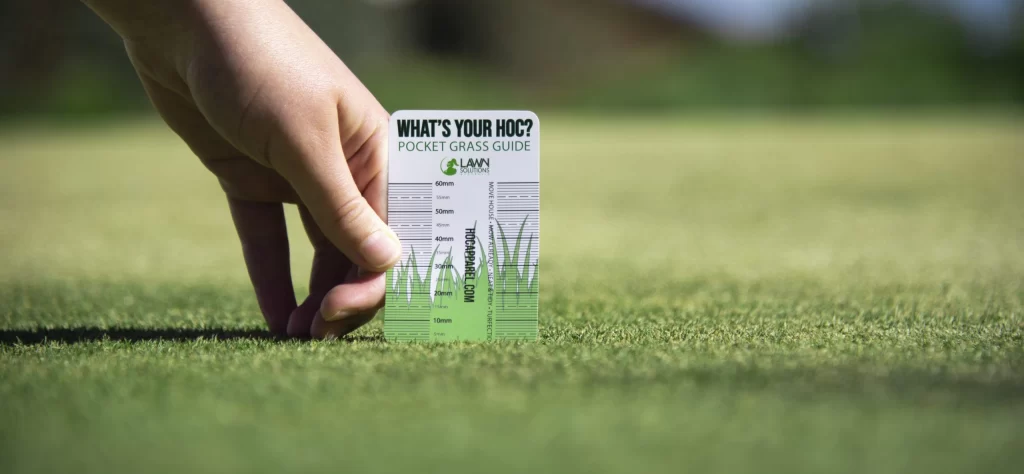
Image Source: lawnsolutionsaustralia.com.au
Why Accurate Lawn Height Measurement Matters
Many homeowners might wonder, “Why bother with precise measurements when I have a lawn mower?” The answer is simple: proper lawn height directly impacts the health, appearance, and resilience of your grass. Mowing too short, known as scalping, can stress the grass, making it susceptible to weeds, diseases, and drought. Conversely, mowing too high can lead to a weak root system and create an environment where thatch can build up, which also isn’t good for your lawn.
Understanding the optimal clipping height for your specific grass type is the foundation of good lawn care. This is where accurate measurement becomes essential. It’s not just about aesthetics; it’s about nurturing a robust and sustainable lawn.
Benefits of Proper Lawn Height
- Stronger Roots: Grass maintained at the correct height develops deeper root systems. This allows the grass to access more water and nutrients, making it more drought-tolerant.
- Weed Suppression: Taller grass blades shade the soil surface, preventing weed seeds from germinating and getting the sunlight they need to grow.
- Disease Resistance: Lawns mowed at the appropriate height are generally healthier and better equipped to fight off common turf diseases.
- Reduced Stress: Scalping or over-cutting the grass puts significant stress on the plant, weakening it and making it more vulnerable.
- Improved Appearance: A uniformly cut lawn at the correct height looks far more attractive and well-maintained.
Essential Lawn Measurement Tools
To accurately measure your lawn’s height, you’ll need a few basic lawn care tools. The most straightforward and effective tools are designed specifically for this purpose or can be adapted easily.
The Humble Ruler: Your Lawn’s Best Friend
A standard ruler for lawn measurement is surprisingly effective. Look for one that is at least 12 inches long and made of a durable material like plastic or metal. Wooden rulers can warp and may not provide accurate readings, especially in damp conditions.
How to use a ruler:
- Locate the Soil: Gently part the grass blades with your fingers to expose the soil surface.
- Place the Ruler: Place the end of the ruler directly on the soil.
- Measure to the Tip: Carefully note the measurement at the highest tip of the grass blade that is growing upright.
- Repeat: Take several measurements across different areas of your lawn to get an average.
Measuring Tape for Grass: A More Flexible Option
A flexible measuring tape for grass can also be useful, especially for larger areas or if you prefer a more adaptable tool. Retractable tape measures are ideal as they are easy to store and deploy.
How to use a measuring tape:
- Expose the Soil: As with the ruler, find the soil surface by separating the grass.
- Lay Flat: Lay the measuring tape flat on the ground, ensuring the starting point (zero) is on the soil.
- Read the Height: Extend the tape upwards to the tip of the tallest grass blade.
- Record: Note the measurement.
Other Helpful Indicators
While a ruler or tape is primary, you might also consider:
- Marking Your Mower: Many mowers have height adjustment settings. You can use your ruler to calibrate these settings to ensure they correspond to the desired height.
- A Simple Stick: In a pinch, a straight stick can be marked with a marker at specific inch or centimeter intervals.
Deciphering Lawn Height Standards by Grass Type
Different grass types have different preferences for mowing height. What’s perfect for one might be detrimental to another. This is where a mowing height guide becomes indispensable. The ideal grass height is about finding the balance that promotes healthy growth without stressing the plant.
Here’s a general overview of common grass types and their recommended mowing heights. Always consult local resources or your grass seed supplier for the most specific recommendations for your region and grass cultivar.
Cool-Season Grasses
These grasses thrive in cooler climates and include varieties like Kentucky Bluegrass, Perennial Ryegrass, and Fine Fescues.
| Grass Type | Ideal Clipping Height (inches) | Ideal Clipping Height (cm) | Notes |
|---|---|---|---|
| Kentucky Bluegrass | 2.5 – 3.5 | 6.4 – 8.9 | Taller heights promote deeper roots and better drought tolerance. |
| Perennial Ryegrass | 2 – 3 | 5.1 – 7.6 | Can tolerate slightly lower heights but benefits from taller growth. |
| Fine Fescues | 2.5 – 4 | 6.4 – 10.1 | Most fescues do well at taller heights, helping shade out weeds. |
| Tall Fescue | 3 – 4 | 7.6 – 10.1 | Very drought tolerant when kept at 3 inches or more. |
| Fine Leaf Fescues | 2.5 – 4 | 6.4 – 10.1 | Often blended; benefits from taller cuts to shade out weeds. |
Warm-Season Grasses
These grasses flourish in warmer climates and include Zoysia, Bermuda, and St. Augustine grass.
| Grass Type | Ideal Clipping Height (inches) | Ideal Clipping Height (cm) | Notes |
|---|---|---|---|
| Zoysia Grass | 0.5 – 2 | 1.3 – 5.1 | Can be mowed low, but higher heights help it outcompete weeds. |
| Bermuda Grass | 0.5 – 1.5 | 1.3 – 3.8 | Lower heights are common for sport fields, but higher is more resilient. |
| St. Augustine | 3 – 4 | 7.6 – 10.1 | Prefers higher mowing to prevent stress and scalping. |
| Centipede Grass | 1.5 – 2.5 | 3.8 – 6.4 | Sensitive to low mowing; keep it on the taller side. |
| Bahiagrass | 3 – 4 | 7.6 – 10.1 | Hardy grass that benefits from taller mowing for density. |
Important Note: These are general guidelines. Always check the specific cultivar of your grass and the recommendations from local agricultural extension offices or reputable lawn care professionals. Environmental factors like climate, soil type, and rainfall can also influence the ideal grass height.
The One-Third Rule: A Golden Principle of Mowing
A crucial aspect of maintaining proper lawn height is the “one-third rule.” This rule states that you should never remove more than one-third of the grass blade in a single mowing. Adhering to this practice is vital for the plant’s health and vigor.
For example, if your grass is currently at 3 inches tall and you want to maintain it at 2 inches, you should mow. If your grass is 4 inches tall and you want to keep it at 3 inches, you should mow. However, if your grass is 4.5 inches tall and you want it at 3 inches, mowing it down to 3 inches in one go would violate the one-third rule. Instead, you would need to mow it down to approximately 3.75 inches, wait a few days for it to grow a bit more, and then mow again to reach the desired 3 inches.
Why the One-Third Rule is Essential
- Prevents Shock: Removing too much of the grass blade at once shocks the plant, inhibiting photosynthesis and weakening its ability to recover.
- Maintains Energy Reserves: Grass stores energy in its lower leaf blades. Cutting too much removes these vital energy reserves.
- Encourages Bushier Growth: By taking off just a little at a time, you encourage the grass to grow more thickly and develop a denser canopy.
- Reduces Stress: A stressed lawn is more prone to diseases and pest infestations. Following the one-third rule minimizes this stress.
How to Measure Lawn Height Before Mowing
Before you even start your mower, taking a moment to measure your lawn’s current height is a smart move. This helps you determine if it’s time to mow and how much you should be cutting.
Step-by-Step Measurement Process
- Choose Your Spots: Select several random locations across your lawn. Aim for areas that represent the overall growth, avoiding any particularly sparse or overgrown patches unless you want to specifically check those.
- Access the Soil: Use your fingers to gently separate the grass blades until you reach the soil level. This is your starting point for measurement.
- Deploy Your Tool: Place the end of your ruler for lawn or measuring tape for grass onto the soil.
- Measure Vertically: Extend the ruler or tape straight up to the tip of the tallest, actively growing grass blade. Ensure you’re not measuring a bent or lying-down blade.
- Record Readings: Write down the measurement from each spot.
- Calculate the Average: Add up all your measurements and divide by the number of spots you measured. This gives you your average lawn height.
- Compare to Your Target: Compare your average lawn height to your grass type’s ideal grass height.
- Determine Mowing Action:
- If your average height is at or slightly above your target height, and the difference is no more than one-third of the current height, it’s time to mow.
- If your lawn is significantly taller than your target height, you’ll need to approach mowing in stages to adhere to the one-third rule.
Calibrating Your Lawn Mower
Your lawn mower’s lawn mower blade height settings are crucial. Often, the numbers or notches on the mower don’t perfectly align with actual grass height. This is where your measurements come into play.
Steps for Calibration
- Set the Mower: Adjust your mower’s height setting to one of its positions (e.g., the ‘3’ setting).
- Measure the Blade Height: With the mower on a flat, hard surface (like a driveway or garage floor), measure the distance from the ground to the cutting edge of the blade. This is the actual clipping height your mower will achieve with that setting.
- Compare and Adjust: If the actual measurement doesn’t match the desired height for that setting, make a note. You might find that the ‘3’ setting actually cuts at 2.5 inches, or perhaps 3.2 inches.
- Mark Your Settings: You can use a permanent marker to label the mower’s adjustment lever with the actual cutting height for each setting (e.g., “Setting 3 = 2.5 inches”). This makes future mowing much more precise.
- Re-measure Periodically: Grass blades can change stiffness, and mower decks can shift slightly. It’s a good idea to re-check your mower’s settings a few times during the mowing season.
Fathoming Lawn Height Variations
It’s important to realize that your lawn is unlikely to be uniformly the same height. Several factors contribute to these variations:
- Uneven Terrain: Hills and dips in your yard can cause the mower to cut lower on the high spots and higher on the low spots.
- Mower Deck Leveling: An improperly leveled mower deck will cut unevenly.
- Grass Growth Patterns: Some areas might naturally grow faster or thicker than others.
- Obstacles: Areas around trees, garden beds, or sprinkler heads might be mowed slightly differently or experience different growth rates.
Addressing Uneven Height
- Measure in Multiple Zones: If you have significant terrain variations, measure height in both high and low areas.
- Adjust Mower for Terrain: For very uneven areas, you might need to adjust your mowing technique or even the mower’s height setting temporarily.
- Level Mower Deck: Ensure your mower deck is properly leveled. Consult your owner’s manual for instructions.
- Prioritize Taller Areas: When in doubt, aim to cut based on the average or slightly taller sections to avoid scalping.
Common Mistakes in Measuring Lawn Height
Even with the right tools, a few common pitfalls can lead to inaccurate measurements:
- Measuring Bent or Flattened Blades: Always measure the actively growing, upright blade.
- Not Measuring in Enough Spots: A single measurement won’t reflect the overall condition of your lawn.
- Ignoring the Soil Level: Failing to reach the soil can lead to overestimating the actual height.
- Not Accounting for the One-Third Rule: Mowing too much at once is a recipe for disaster.
- Using Damaged or Inaccurate Tools: Ensure your ruler or tape measure is straight and the markings are clear.
Optimizing Your Mowing Height for Different Seasons
Your lawn’s ideal height can also shift slightly with the seasons. This is part of a comprehensive lawn height standards approach.
Spring
In spring, encourage strong root development. Mowing at the higher end of the recommended range for your grass type can help. This promotes deeper roots and shades the soil, deterring early-season weeds.
Summer
During the hottest, driest periods, raising your mowing height slightly can benefit the grass. Taller grass provides more shade for the soil, reducing evaporation and keeping the roots cooler. This helps the lawn withstand heat and drought stress.
Fall
As temperatures begin to cool, you might gradually lower your mowing height. A slightly shorter cut in the fall can help prevent diseases like snow mold from taking hold over winter and allows more sunlight to reach the crown of the grass. However, don’t cut it too short, as the grass still needs to store energy for the winter.
The Role of Clipping Height in Lawn Health
The clipping height refers to the height of the grass after mowing. Understanding how your mowing practices affect this is critical.
- Mulching vs. Bagging: When you mulch your clippings (leave them on the lawn), they decompose and return nutrients to the soil. This is generally beneficial. However, if you’re mowing at a very high height and the clippings are large clumps, they can smother the grass beneath. Measuring and adhering to the one-third rule helps prevent this.
- Clipping Removal: If your clippings are very long or clumpy, or if you’re treating a disease, you might need to bag them. This removes organic matter and some nutrients from the lawn.
Frequently Asked Questions (FAQ)
Q1: What is the best time of day to measure my lawn height?
You can measure your lawn height at any time, but it’s often easiest to do before you plan to mow, typically when the grass is dry.
Q2: Can I use my shoe to estimate lawn height?
While you can get a very rough idea, using your shoe is not accurate for precise grass length measurement. A ruler or measuring tape is far more reliable.
Q3: How often should I measure my lawn height?
It’s a good practice to measure your lawn height at least once every few weeks, especially during the peak growing seasons. This helps you stay on track with your mowing schedule and ensures you’re following the one-third rule.
Q4: What if my grass type isn’t listed here?
Always refer to the packaging of your grass seed, your local university extension office, or a qualified lawn care professional for the most accurate ideal grass height recommendations for your specific grass variety.
Q5: Does the amount of sunlight affect the ideal lawn height?
Yes, lawns in full sun might benefit from slightly taller mowing to provide more shade, while lawns in shade might prefer slightly shorter heights to allow more light penetration to the grass blades.
By consistently measuring your lawn height and adjusting your mowing practices accordingly, you’re investing in a healthier, more beautiful, and resilient lawn. These simple steps, utilizing basic lawn care tools, can make a significant difference in the overall vitality of your turf. Happy mowing!