
Can you use weed killer for mushrooms? Yes, while not all weed killers are designed for mushrooms, certain broadleaf weed killers can help reduce the conditions that encourage mushroom growth by targeting specific plant life that might contribute to imbalances. However, the most effective approach to stopping mushrooms growing on your lawn safely involves addressing the underlying causes of their appearance.
Mushrooms popping up on your lawn can be a bit of a surprise, and while they are a natural part of a healthy ecosystem, they might not be what you want in your perfect backyard. Seeing these fungi on grass can sometimes signal underlying issues with your soil and overall turf health. This guide will walk you through how to manage these common yard mushrooms and get rid of lawn fungus effectively and safely.
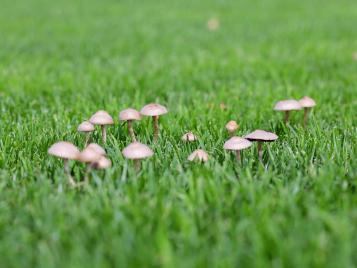
Image Source: www.lovethegarden.com
Why Do Mushrooms Appear on My Lawn?
Mushrooms are the fruiting bodies of fungi, and they emerge when specific conditions are met. These conditions often relate to moisture, decaying organic matter, and a certain soil environment. Comprehending these factors is the first step in effective mushroom control.
The Role of Organic Matter
Think of mushrooms as nature’s recyclers. They thrive on decaying organic material in the soil. This can include:
- Dead grass clippings: If you leave grass clippings on the lawn, especially in thick layers, they can decompose and provide a food source for fungi.
- Decomposing roots: As your grass grows and old roots die, they break down in the soil, offering nutrients for fungi.
- Buried wood and debris: Old tree stumps, buried construction materials, or even animal waste can be a hidden feast for these underground fungal networks.
Moisture is Key
Fungi, like most living things, need water to survive and reproduce. Excessive moisture creates an ideal environment for mushroom growth.
- Overwatering: Watering your lawn too frequently or for too long can saturate the soil, encouraging fungal development.
- Poor drainage: If your lawn doesn’t drain well, water can sit in the soil, creating damp conditions that mushrooms love.
- Rainfall: Prolonged periods of rain can naturally lead to more mushrooms, especially if your lawn already has a good food source for the fungi.
Soil Conditions
The health of your soil plays a significant role in whether mushrooms decide to take up residence.
- Compacted soil: When soil becomes compacted, air and water struggle to penetrate, leading to surface moisture and a less healthy environment for grass roots. This can indirectly favor fungal growth.
- Thatch buildup: A thick layer of thatch (dead and living organic matter between the grass blades and the soil surface) can trap moisture and provide a nutrient-rich environment for fungi.
- pH levels: While less direct, extreme soil pH imbalances can affect the overall health of your grass, potentially creating opportunities for fungal organisms.
Identifying the Mushroom Problem
Most mushrooms you find on a lawn are harmless to your grass. However, their presence often indicates an imbalance in your lawn’s ecosystem. It’s important to distinguish between harmless “fairy rings” (circular patterns of mushrooms) and more widespread mushroom outbreaks that might signal a deeper lawn disease.
Common Lawn Mushrooms
Many common mushrooms appear on lawns. Some are quite small and appear in clusters, while others can be larger. Examples include:
- Ink caps: These often appear after rain and can dissolve into an inky liquid.
- Coprinus: Another type of mushroom that can decompose rapidly.
- Psilocybe: While some varieties of these mushrooms are known for their psychoactive properties, many are simply part of the soil’s natural decomposition process and are not harmful to your lawn. It’s always wise to avoid touching or consuming any mushrooms found on your property.
When Mushrooms Signal a Lawn Disease
While mushrooms themselves aren’t typically the “lawn disease,” their appearance can be a symptom of conditions that weaken your grass and make it more susceptible to actual turf diseases.
- Fungus on grass: This phrase often refers to diseases like dollar spot, brown patch, or fairy ring fungus, which affect the grass blades and roots directly. Mushrooms can sometimes be associated with these, particularly in the case of fairy rings.
- Compromised turf health: If your grass is stressed due to poor mowing, over-fertilization, or drought, it can be more prone to fungal issues, which may then manifest as mushrooms.
Safe and Effective Mushroom Control Strategies
Getting rid of lawn fungus and managing yard mushrooms safely involves focusing on improving your lawn’s overall health and creating an environment that discourages fungal growth.
Addressing the Root Causes
The most sustainable way to stop mushrooms from growing on your lawn is to tackle the reasons they appear in the first place.
1. Manage Organic Matter
Reducing the food sources for fungi is crucial.
- Regular raking and removal of debris: Sweep up fallen leaves, twigs, and other organic debris promptly.
- Proper mowing practices:
- Mulching vs. Bagging: While mulching grass clippings can return nutrients to the soil, if you have an excessive amount of clippings or if they clump together, they can create a layer that promotes fungal growth. Consider bagging your clippings during periods of rapid growth or when they are very dense.
- Mowing height: Maintain the correct mowing height for your grass type. Cutting too short can stress the grass and create more dead material.
- Remove buried wood: If you suspect old tree stumps or buried wood is contributing, excavate and remove it.
2. Control Moisture Levels
Excessive wetness is a major ally for mushrooms.
- Adjust watering schedules: Water deeply but infrequently. Aim for about one inch of water per week, applied in a single watering session, to encourage deep root growth. Water early in the morning so the grass blades can dry before nightfall.
- Improve drainage:
- Soil Aeration: This is one of the most effective ways to combat compaction and improve drainage. Aerating involves removing small plugs of soil, allowing air, water, and nutrients to penetrate deeper into the root zone. This process is vital for good turf health.
- Thatch Removal: Regularly dethatch your lawn. Thatch buildup can trap moisture and nutrients, creating a perfect breeding ground for fungi. Power raking or mechanical dethatching are effective methods.
3. Enhance Turf Health
A strong, healthy lawn is more resilient to fungal issues.
- Proper fertilization: Fertilize your lawn according to its needs. Over-fertilizing, especially with high-nitrogen fertilizers, can lead to lush top growth that is more susceptible to diseases and can create more thatch.
- Overseeding: Fill in bare patches with healthy grass seed. This not only makes your lawn look better but also creates a denser turf that is more resistant to weeds and diseases.
- Choose the right grass: Select grass varieties that are well-suited to your climate and soil conditions.
Mechanical and Physical Removal
Sometimes, you just want those mushrooms gone quickly.
- Hand-picking: The simplest method is to simply pick the mushrooms by hand. This is safe and effective for immediate removal. Remember to dispose of them in a sealed bag to prevent spreading spores.
- Raking: Gently raking the area can dislodge mushrooms and help break up any surface thatch that might be contributing to the problem.
Chemical Solutions (Use with Caution)
While a specific “weed killer for mushrooms” isn’t typically a product, certain lawn treatments can indirectly help. It’s important to note that chemical applications should be a last resort and used with extreme care, as they can affect beneficial soil organisms and your lawn’s overall health.
- Fungicides: If you are dealing with a significant fungal disease affecting your grass, a targeted fungicide may be necessary. Consult with a local lawn care professional to identify the specific disease and recommend an appropriate product. It’s crucial to choose a fungicide that is labeled for lawn use and specifically targets the type of fungus you are dealing with.
- Broadleaf Weed Killers: Some broadleaf weed killers might incidentally affect certain types of lawn fungi by altering the soil environment or targeting companion plants that might indirectly support fungal growth. However, this is not their primary purpose. Always read and follow label instructions carefully.
- Important Note on Chemical Use:
- Identify the problem first: Before reaching for chemicals, accurately identify what you are dealing with. Are they harmless mushrooms, or is there an underlying lawn disease?
- Follow label directions precisely: Incorrect application can harm your lawn, surrounding plants, pets, and the environment.
- Consider non-chemical alternatives first: Prioritize cultural practices like aeration, dethatching, and proper watering.
Specific Strategies for Common Mushroom Problems
Fairy Rings
Fairy rings are distinct circles of mushrooms. They are caused by a fungus that grows outward from a central point, feeding on decaying organic matter.
- Identify the cause: Often, fairy rings are caused by buried wood or organic debris.
- Treatment:
- Aeration and Dethatching: These practices can help break up the fungal mycelium.
- Watering: Consistent watering can help encourage grass growth within the ring, sometimes masking the visual effect.
- Topdressing: Adding a thin layer of compost can help the grass grow better within the ring.
- Fungicides: In severe cases, specific fungicides might be recommended, but this is often a temporary solution. The best approach is to remove the buried organic matter if possible.
Mushroom Clusters
These appear in groups and are usually a sign of rich organic material in the soil.
- Treatment:
- Hand-picking: Remove them as they appear.
- Reduce Thatch: Ensure your thatch layer isn’t too thick.
- Adjust Watering: Avoid overwatering.
- Soil Aeration: Improve soil structure and drainage.
Preventing Future Mushroom Growth
Prevention is always better than cure when it comes to lawn care.
Regular Lawn Maintenance
Consistent, proper lawn care is your best defense against unwanted mushrooms.
- Mow regularly: Keep your grass at the recommended height.
- Water wisely: Deeply and infrequently.
- Fertilize appropriately: Give your lawn the nutrients it needs without overdoing it.
- Dethatch annually: Or as needed, based on thatch buildup.
- Aerate annually: Especially for compacted soils.
- Clean up debris: Leaves, clippings, and other organic matter.
Seasonal Considerations
Be mindful of seasonal changes that encourage fungi.
- Autumn: Increased rainfall and decaying leaves create prime conditions. Ensure thorough cleanup of fallen leaves.
- Spring: Warming temperatures combined with spring rains can also spur growth.
What to Do if You’re Unsure
If you’re struggling to identify the issue or are hesitant about treatment options, consulting a professional can be very beneficial.
- Local Garden Centers: Often have knowledgeable staff who can offer advice on lawn care products and techniques.
- University Extension Offices: Many universities offer free or low-cost lawn care advice and soil testing services.
- Professional Lawn Care Services: For persistent problems or complex lawn diseases, a professional can diagnose the issue and provide tailored solutions.
Frequently Asked Questions (FAQ)
Are lawn mushrooms poisonous?
Many common lawn mushrooms are not poisonous to humans, but some can be. It is best practice to never touch or consume any mushrooms found on your lawn or anywhere else, especially if you are not an expert in mushroom identification. Keep pets and children away from mushroom patches as well.
Will mowing the mushrooms get rid of them?
Mowing will remove the visible mushroom caps, but it does not address the underlying fungal network in the soil. The mushrooms will likely regrow if the conditions that caused them remain.
Can I use bleach on my lawn to kill mushrooms?
Using bleach on your lawn is generally not recommended. While it might kill surface-level mushrooms, it can severely damage your grass, soil, and beneficial microorganisms. It is a harsh chemical that can disrupt the entire lawn ecosystem.
How quickly can mushrooms regrow?
After removal, mushrooms can reappear within a few days to a week, especially if conditions remain favorable (moist and with decaying organic matter). The key to long-term mushroom control is addressing these underlying conditions.
Is it bad if I have mushrooms on my lawn?
Mushrooms are not inherently bad for your lawn. In fact, their presence can indicate a healthy soil ecosystem with plenty of organic matter. However, if you find them unsightly or if they are appearing in very large numbers, it suggests that your lawn could benefit from improved aeration, better drainage, and reduced thatch. They can also be an indicator of underlying lawn disease if they are part of a fairy ring or appear alongside discolored grass.
By focusing on the fundamental aspects of good lawn care – managing organic matter, controlling moisture, and promoting healthy turf – you can effectively stop mushrooms from growing on your lawn safely and enjoy a beautiful, resilient yard.