
A riding lawn mower battery typically lasts between 3 to 5 years, though this can vary based on usage, maintenance, and the type of battery. This guide will help you understand the factors influencing your mower’s battery life and how to get the most out of it.
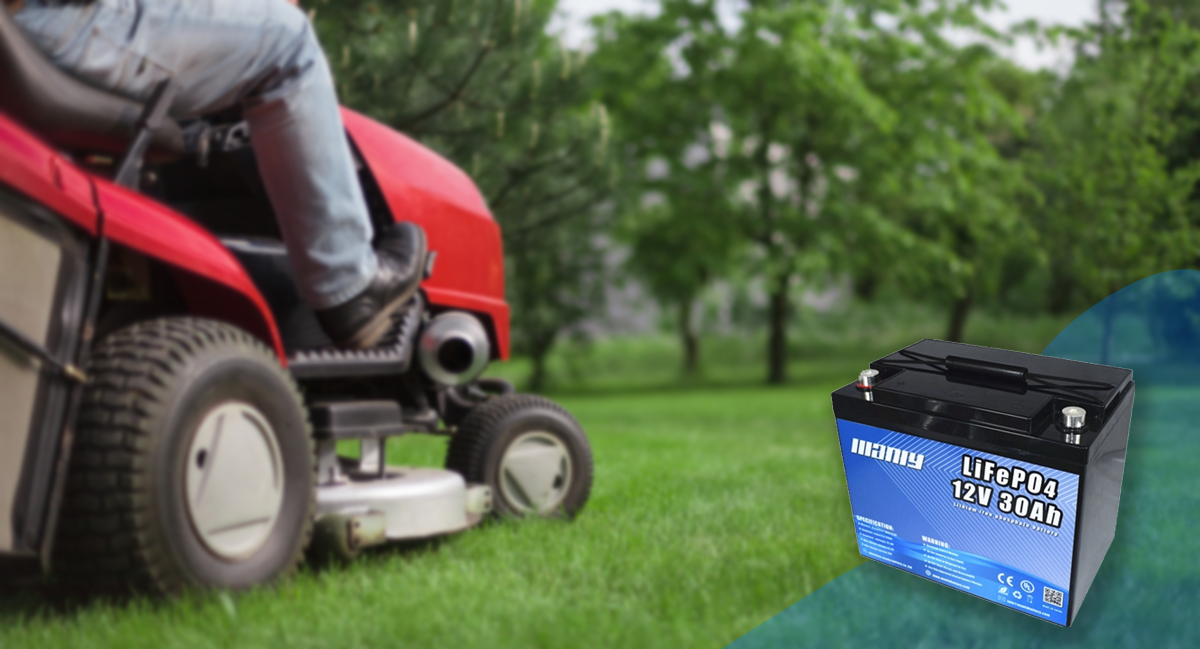
Image Source: manlybattery.com
Deciphering Riding Mower Battery Life
The lifespan of your riding mower’s battery is influenced by a variety of factors. It’s not just about how old the battery is, but also how it’s treated. Let’s explore the key elements that impact riding mower battery life.
Age and Battery Health
Like all batteries, those in riding lawn mowers degrade over time. Even when not in use, internal chemical reactions slowly wear down the battery’s capacity. This means a newer battery will generally perform better and hold a charge longer than an older one. As battery age riding mower components, its ability to deliver power decreases, potentially leading to slower cranking or an inability to start the engine.
Usage Patterns and Demands
How often and how intensely you use your riding mower plays a significant role.
- Frequent Use: Mowing a large lawn weekly will put more strain on the battery than occasional use on a small yard.
- Heavy Duty Tasks: Mowing very thick or wet grass, using attachments like snow blowers or aerators, and operating the mower on steep inclines demands more power, thus stressing the battery.
- Short Trips: Starting and stopping the engine frequently without allowing the alternator to fully recharge the battery can also shorten its lifespan.
Environmental Conditions
The environment where your mower is stored and operated can impact its battery.
- Extreme Temperatures:
- Heat: High temperatures accelerate the chemical reactions within the battery, leading to faster degradation. Leaving a mower in direct sunlight on a hot day can be detrimental.
- Cold: While cold temperatures reduce battery performance temporarily, they can also cause permanent damage if the battery is not adequately charged. A discharged battery is more susceptible to freezing.
- Humidity: High humidity can lead to corrosion on battery terminals, hindering proper electrical contact and charging.
Type of Battery
The type of battery installed in your riding mower is a primary determinant of its expected lawn tractor battery lifespan or zero turn mower battery duration.
- Flooded Lead-Acid Batteries: These are the most common type and are relatively inexpensive. They require regular maintenance, such as checking and topping off electrolyte levels. Their lifespan is typically within the 3-5 year range.
- Sealed Lead-Acid (SLA) Batteries: These include Absorbed Glass Mat (AGM) and Gel batteries.
- AGM Batteries: They are spill-proof and maintenance-free. They generally offer better vibration resistance and a longer lifespan than flooded lead-acid batteries, often lasting 4-6 years with proper care. These are often used as a deep cycle battery mower option.
- Gel Batteries: Similar to AGM batteries, they are sealed and maintenance-free. They are known for their excellent deep discharge capabilities but can be more sensitive to overcharging. Their lifespan can also be in the 4-6 year range.
- Lithium-Ion Batteries: Increasingly found in newer electric riding mowers, these batteries offer longer run times, faster charging, and a longer overall lifespan (often 8-10 years or more). However, they come with a higher initial cost. The electric riding mower battery is a key component of these machines.
Factors Affecting Riding Mower Battery Voltage
Riding mower battery voltage is crucial for starting the engine and powering the mower’s accessories. Several factors can affect this voltage.
- State of Charge: A fully charged battery will have a higher voltage than a partially discharged one. Low voltage can lead to slow cranking and starting issues.
- Temperature: As mentioned, temperature affects battery performance. Cold temperatures reduce voltage output, while excessive heat can also temporarily lower voltage due to increased internal resistance.
- Battery Age and Condition: Older batteries or those with damaged internal components will naturally exhibit lower voltage even when fully charged.
- Load: When you connect accessories like headlights or power tools, the voltage will drop momentarily as the battery supplies power. This is normal, but a severely weakened battery may show a significant and sustained voltage drop.
Maximizing Your Riding Mower Battery Lifespan
You can take several proactive steps to ensure your riding mower’s battery lasts as long as possible. Good mower battery maintenance is key.
Proper Charging Practices
- Avoid Overcharging: While modern chargers often have trickle charge capabilities, leaving a battery on a charger indefinitely can cause damage. Follow the manufacturer’s recommendations for charging times.
- Deep Discharge Prevention: Repeatedly draining the battery completely can significantly shorten its life. Try to recharge it before it becomes completely depleted, especially if you’re using it for extended periods or with heavy loads.
- Use the Right Charger: Always use a charger designed for your specific battery type and voltage. Using an incorrect charger can lead to overcharging or undercharging, both of which are harmful.
- Automatic vs. Manual Chargers: Automatic chargers are generally preferred as they can sense the battery’s charge level and stop or reduce the charging rate accordingly.
Regular Maintenance
Mower battery maintenance goes beyond just charging.
- Clean Terminals: Periodically inspect the battery terminals for corrosion. Clean them with a wire brush and a mixture of baking soda and water. Apply a thin layer of dielectric grease to prevent future corrosion.
- Check Electrolyte Levels (Flooded Batteries): If you have a flooded lead-acid battery, check the electrolyte levels every few months. Ensure the water covers the lead plates. Use only distilled water for topping up.
- Secure Battery: Ensure the battery is securely fastened in its mounting bracket. Vibration can loosen connections and cause internal damage.
- Inspect for Leaks: Look for any signs of leaks or damage to the battery case.
Storage Recommendations
Proper storage can prevent premature battery failure.
- Cool, Dry Place: Store your riding mower in a cool, dry place, away from direct sunlight and extreme temperatures.
- Charge Before Storage: Ensure the battery is fully charged before storing it for an extended period (e.g., during the off-season).
- Periodic Charging: If storing for many months, it’s advisable to charge the battery every 1-3 months to maintain its charge. Some battery tenders are designed for this purpose.
Smart Usage Habits
Adopting good usage habits can also extend riding mower battery life.
- Minimize Accessory Use When Engine Off: Avoid running accessories like headlights or the radio for extended periods with the engine off, as this will drain the battery.
- Avoid Straining the Engine: Don’t push the mower beyond its capabilities. Mowing overgrown or wet grass strains the engine and, consequently, the battery.
- Warm Up Period: Allow the engine a short warm-up period after starting to ensure the alternator has time to begin recharging the battery.
How to Extend Mower Battery Life
Extending your mower battery’s life involves a combination of the practices discussed above. The core principle is to treat the battery gently and maintain it consistently.
- Invest in Quality: A higher-quality battery, even if more expensive upfront, often offers a longer lawn tractor battery lifespan.
- Consider a Battery Tender: For seasonal storage or if you don’t use your mower frequently, a quality battery tender or maintainer can keep the battery at an optimal charge level, preventing sulfation and extending its life.
- Upgrade to AGM or Lithium-Ion: If your mower is compatible, upgrading from a flooded lead-acid battery to an AGM or even a lithium-ion battery (for electric models) will likely provide a longer and more reliable service life.
- Regular Inspections: Make it a habit to inspect your battery and terminals at the beginning of each mowing season and at least once mid-season. Catching problems early can prevent more significant issues.
- Listen to Your Mower: Pay attention to how your mower starts. A slower crank or a struggle to start is often an early indicator that the battery is weakening.
Replacing Your Riding Mower Battery
Eventually, every battery will need replacement. Knowing when to replace it can save you from being stranded mid-mow.
Signs Your Battery Needs Replacement
- Slow Cranking: The engine turns over slowly when you try to start it.
- Failure to Start: The engine won’t crank at all, or you just hear a clicking sound.
- Reduced Power to Accessories: Lights are dim, or other electrical accessories seem weak.
- Visible Swelling or Cracks: The battery case appears swollen, cracked, or leaking. This is a critical sign of failure and a potential safety hazard.
- Short Run Time: The battery no longer holds a charge for as long as it used to.
- Battery Age: If your battery is over 3-5 years old and you’re experiencing any of the above symptoms, it’s likely nearing the end of its life.
Choosing the Right Replacement Battery
When it’s time for a lawn mower battery replacement, select one that meets or exceeds your mower’s original specifications.
- Voltage: Most riding mowers use a 12-volt battery.
- Cold Cranking Amps (CCA): This rating indicates the battery’s ability to start an engine in cold temperatures. Ensure the CCA rating is sufficient for your mower’s engine size and your climate.
- Reserve Capacity (RC): This measures how long the battery can deliver a specific amount of current. A higher RC generally means a more robust battery.
- Physical Size and Terminal Type: Ensure the new battery will fit in the mower’s battery tray and that the terminals (posts) are in the correct orientation and type for your mower’s wiring.
- Battery Type: Consider if you want to stick with the original type or upgrade to an AGM for better performance and less maintenance.
Specifics on Electric Riding Mower Battery Life
The electric riding mower battery operates differently and has its own set of considerations for longevity.
- Battery Chemistry: The most common batteries in electric riding mowers are lithium-ion (Li-ion) variants, like Lithium Iron Phosphate (LiFePO4). These are significantly different from lead-acid batteries.
- Charge Cycles: Li-ion batteries are rated for a certain number of charge cycles (a charge cycle is one full discharge and recharge). High-quality Li-ion batteries can have thousands of charge cycles, leading to a much longer lifespan.
- Depth of Discharge (DoD): Frequent deep discharges can reduce the overall lifespan of a Li-ion battery. Many electric mowers have sophisticated battery management systems (BMS) that prevent over-discharge.
- Charging Habits: Using the manufacturer-provided charger is essential. Avoid leaving the battery plugged in indefinitely once fully charged, although modern BMS systems are generally good at managing this.
- Temperature Sensitivity: While generally more tolerant than lead-acid batteries, extreme heat can still degrade Li-ion batteries over time.
- Lifespan: Expect the electric riding mower battery to last considerably longer than a traditional lead-acid battery, often 8-10 years or even more, depending on usage and battery quality.
Zero Turn Mower Battery Duration
Zero turn mower battery duration is generally similar to that of other riding mowers, as they often share similar battery technologies (primarily 12V lead-acid). However, the demanding nature of zero-turn maneuverability and potentially larger engines can place slightly higher electrical demands on the battery.
- Higher Demand: The complex steering systems and often more powerful engines found on zero-turn mowers can draw more current during operation, particularly during starts and intense mowing.
- Maintenance is Key: Due to this potentially higher demand, consistent mower battery maintenance is even more critical for zero-turn models to ensure optimal zero turn mower battery duration.
- Battery Type Matters: As with any riding mower, the type of battery (flooded lead-acid, AGM) will significantly influence its lifespan. Upgrading to an AGM battery can be particularly beneficial for zero-turn riders.
Frequently Asked Questions (FAQ)
Q1: Can I use a car battery in my riding mower?
A1: While a car battery is also 12V, it’s not ideal for a riding mower. Car batteries are designed for starting engines (high burst of power) and not for sustained discharge. Riding mower batteries are typically designed as deep cycle battery mower units, capable of handling more consistent electrical loads for accessories and longer run times. Using a car battery may result in a shorter lifespan and reduced performance for your mower.
Q2: How do I know if my riding mower battery is dead?
A2: Signs of a dead or failing battery include: the engine cranks very slowly or not at all, lights are dim, the mower won’t start even after a jump start, or the battery casing looks swollen or damaged. A battery voltage test can also confirm if the battery is holding a charge.
Q3: Can I leave my riding mower battery on a trickle charger all the time?
A3: For most lead-acid batteries, a “trickle charger” that provides a very low, continuous charge can be detrimental over time, leading to overcharging and damage. It’s better to use a “smart” charger or battery maintainer designed to recognize when the battery is fully charged and stop or reduce the charge rate accordingly. Always follow the charger and battery manufacturer’s instructions.
Q4: What is the best way to clean battery terminals?
A4: Disconnect the battery cables (negative first, then positive). Mix a small amount of baking soda with water to create a paste. Use a wire brush (or a dedicated battery terminal brush) dipped in the paste to scrub away corrosion from the terminals and cable clamps. Rinse with clean water (avoiding getting water into the battery cells if it’s a flooded type) and dry thoroughly. Apply a thin layer of petroleum jelly or dielectric grease to protect them.
Q5: How often should I check my riding mower battery?
A5: It’s recommended to check your battery at least twice a year: once before the mowing season begins and again mid-season. If you have a flooded lead-acid battery, checking the electrolyte levels should be done every 2-3 months.
By adhering to these guidelines and performing regular mower battery maintenance, you can significantly extend the riding mower battery life and ensure your mower is always ready to tackle the lawn.