
Can you apply peat moss to your lawn? Yes, you absolutely can apply peat moss to your lawn to improve its health and encourage thicker, greener grass.
Peat moss is a natural soil amendment derived from sphagnum moss that has decomposed over thousands of years in peat bogs. It’s a valuable tool for any homeowner looking to enhance their lawn’s vitality. This article will guide you through the entire process of peat moss lawn application, explaining its benefits, the best times to apply it, and how to do it effectively.
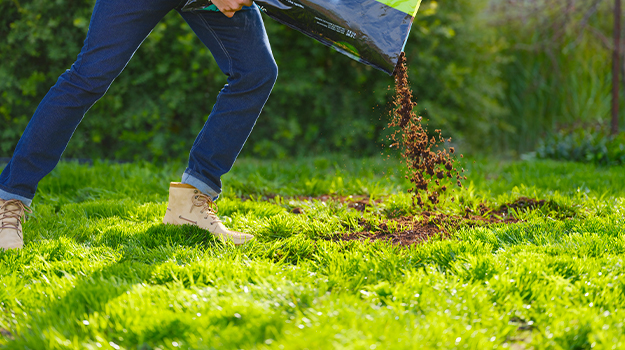
Image Source: www.promixgardening.com
The Advantages of Peat Moss for Lawns
Before diving into the “how,” let’s explore the compelling benefits of peat moss for lawns. Its unique properties make it an excellent choice for boosting turf health.
- Improved Soil Structure: Peat moss lightens heavy clay soils, making them easier to work with and allowing better root penetration. For sandy soils, it helps bind particles together, increasing water and nutrient retention.
- Enhanced Water Retention: Peat moss can hold a significant amount of water, sometimes up to 20 times its weight. This is crucial for keeping grass hydrated, especially during dry spells, and reducing the need for frequent watering.
- Better Aeration: By improving soil structure, peat moss promotes better air circulation within the soil. This is vital for healthy root growth, as roots need oxygen to thrive.
- Nutrient Availability: While peat moss itself isn’t rich in nutrients, it helps make existing soil nutrients more accessible to grass roots. It also provides a slightly acidic environment, which many grasses prefer.
- Weed Suppression: A thick, healthy lawn created by using peat moss can naturally crowd out weeds, reducing the need for chemical herbicides.
- Disease Resistance: Healthy soil and robust grass are more resistant to common lawn diseases and pests.
When Is the Optimal Time for Peat Moss Lawn Application?
Choosing the right time for peat moss lawn application is key to maximizing its benefits. Several windows in the year are ideal.
Spring Application
Spring is an excellent time to apply peat moss. After the winter freeze-thaw cycles can sometimes compact the soil, spring application helps loosen it up. This prepares the soil for new growth and allows grass to establish strong roots as the weather warms.
- Timing: Aim for early to mid-spring, after the last frost but before peak summer heat arrives.
- Why it’s good: It prepares the soil for the growing season, aids in seed germination if you’re overseeding, and helps the lawn recover from winter stress.
Fall Application
Fall is another prime time for using peat moss on grass. The cooler temperatures and increased moisture provide ideal conditions for the peat moss to integrate into the soil. It also helps prepare the lawn for winter by improving soil structure and water retention.
- Timing: Late summer or early fall is ideal. This gives the peat moss time to break down and mix with the soil before winter.
- Why it’s good: It helps the lawn enter winter with healthier soil, supports root development, and prepares the ground for spring.
Aeration and Peat Moss: A Powerful Combination
Combining peat moss application with lawn aeration is a highly effective strategy. Aeration creates small holes in the soil, relieving compaction and allowing air, water, and nutrients to reach the root zone.
- The Process: Core aeration is the best method, as it removes plugs of soil.
- How Peat Moss Helps: After aerating, you can spread peat moss over the lawn. The aeration holes act as perfect entry points for the peat moss, allowing it to fall into the root zone and work its magic more efficiently. This is often referred to as peat moss and lawn aeration.
How Much Peat Moss for Lawn? Determining the Right Amount
A common question is, “how much peat moss for lawn care is appropriate?” Over-application can be counterproductive, while under-application might not yield the desired results.
The general recommendation is to apply a layer of peat moss about 1/2 inch to 1 inch thick across the lawn. For a typical residential lawn, this translates to:
- Calculating Your Lawn Size: Measure the length and width of your lawn to determine its square footage.
- Peat Moss Bale Coverage: Most standard bales of peat moss (usually around 2 or 3 cubic feet) cover approximately 25 to 50 square feet at a 1-inch depth. Always check the packaging for specific coverage estimates.
- Example: If you have a 1000 sq ft lawn and want to apply a 1-inch layer, you would need about 20-40 cubic feet of peat moss, depending on the product’s density and claimed coverage.
It’s better to apply a thinner layer more frequently than a very thick layer all at once. This allows for better integration with the existing soil and avoids smothering the grass.
Methods for Applying Peat Moss to Your Lawn
There are several effective methods for peat moss spreading on lawn areas. The best method depends on your lawn size and the tools you have available.
Method 1: Manual Spreading (for smaller lawns)
For smaller lawns, you can easily spread peat moss by hand using a shovel and a rake.
Steps:
- Prepare the Peat Moss: Open the peat moss bales. It can be quite dusty and messy, so consider doing this in a contained area. Some people find it helpful to lightly moisten the peat moss before spreading to reduce dust.
- Distribute: Use a shovel to scoop out portions of peat moss and scatter them evenly across the lawn. Aim for a consistent, thin layer.
- Rake In: Use a sturdy garden rake to spread the peat moss and work it into the existing soil and grass. Gently rake in a back-and-forth motion to ensure the peat moss doesn’t smother the grass blades. The goal is to get the peat moss down to the soil level.
- Water: After raking, water the lawn thoroughly. This helps settle the peat moss and provides moisture for the soil and grass.
Method 2: Using a Spreader (for larger lawns)
For larger lawns, using a broadcast or drop spreader can make the peat moss lawn application much more efficient.
Steps:
- Prepare the Peat Moss: This is where it can get tricky with spreaders. Peat moss is very light and fluffy. It’s often recommended to mix it with compost or other granular materials in the spreader to help it flow more evenly. Alternatively, some people create a slurry by mixing peat moss with water in a large tub or wheelbarrow until it’s a thick, spreadable consistency, then load this into the spreader.
- Adjust Spreader Settings: Set your spreader to a medium to coarse setting. You’ll likely need to experiment to find the right balance.
- Fill the Spreader: Load the prepared peat moss mixture into the spreader.
- Spread Evenly: Walk at a consistent pace, overlapping your passes slightly to ensure even coverage.
- Rake (Optional but Recommended): Even with a spreader, a light raking can help work the peat moss into the soil and grass.
- Water: Water the lawn thoroughly after spreading.
Method 3: Topdressing with Aeration (Highly Recommended)
This method leverages the benefits of both aeration and peat moss.
Steps:
- Aerate the Lawn: Rent a core aerator or hire a professional service. Aerate the entire lawn, creating holes about 2-3 inches deep.
- Prepare Peat Moss: As described in Method 1 or 2, have your peat moss ready.
- Spread Peat Moss: Spread the peat moss evenly over the aerated lawn. The plugs of soil and the aeration holes will help the peat moss fall directly into the soil profile.
- Rake Gently: A light raking helps distribute the peat moss and ensures it settles into the holes. Avoid heavy raking that might pull out the aeration plugs.
- Water Thoroughly: Water the lawn well to help the peat moss settle and the soil absorb moisture.
- Allow Plugs to Degrade: Let the aeration plugs break down naturally on their own. They will decompose and further incorporate the peat moss.
Peat Moss for Lawn Repair and Improvement
Beyond general maintenance, peat moss is an excellent choice for peat moss for lawn repair. Whether you’re dealing with bare patches, uneven areas, or generally poor soil, peat moss can help.
- Bare Patches: For areas where grass has died off, you can loosen the soil, mix in some peat moss and compost, and then reseed. The peat moss will help retain moisture, which is crucial for seed germination.
- Improving Thin Turf: If your lawn is generally thin and struggling, applying a layer of peat moss mixed with a good quality grass seed and fertilizer can significantly boost its density.
Mixing Peat Moss with Soil: The Underlying Principle
The core of using peat moss on grass effectively lies in mixing peat moss with soil. Peat moss is most beneficial when it’s incorporated into the top few inches of your soil.
- Why Mixing is Crucial: When peat moss is applied and then worked into the soil, it directly improves the soil structure, water retention, and aeration at the root level. If it’s left in a thick layer on top, it can act as a barrier, preventing water and air from reaching the soil.
- How it Works: As peat moss decomposes, it becomes part of the soil. This process is accelerated when it’s mixed with existing soil and microorganisms.
Practical Tips for Peat Moss Application
Here are some extra tips to make your peat moss lawn application a success:
- Start Small: If you’ve never used peat moss before, try it on a small section of your lawn to see how your grass responds.
- Moisten for Dust Control: Peat moss can be incredibly dusty. Lightly misting it with water before and during application can help keep the dust down.
- Consider Composting: For even better results, consider mixing peat moss with compost. This adds valuable nutrients and beneficial microbes to your soil.
- Don’t Overdo It: While beneficial, excessive peat moss can sometimes lead to overly acidic soil or create a barrier if not properly incorporated. Stick to the recommended layer thickness.
- Consistency is Key: Regular, moderate applications of peat moss are more beneficial than one massive application.
- Check Soil pH: Peat moss is naturally acidic (pH 3.0-4.0). While it helps improve soil structure, it’s a good idea to test your soil’s pH periodically. If your soil is already very acidic, you might want to limit peat moss use or mix it with lime. However, for most lawns, the small amount applied for topdressing will not significantly alter the pH.
Alternatives to Peat Moss
While peat moss is an excellent soil amendment, it’s worth noting that its harvesting has environmental considerations. If you’re looking for alternatives, consider:
- Compost: High-quality compost is rich in nutrients and beneficial microorganisms and also improves soil structure.
- Coconut Coir: This is a byproduct of the coconut industry and offers similar water retention and aeration benefits to peat moss.
- Leaf Mold: Decomposed leaves create a nutrient-rich amendment that greatly improves soil structure.
Conclusion
Applying peat moss to your lawn is a rewarding process that can lead to a healthier, more vibrant turf. By understanding how to apply peat moss to lawn correctly, choosing the best time to apply peat moss, and using the right methods for peat moss spreading on lawn, you can significantly improve your lawn’s soil quality and overall health. Whether you’re tackling peat moss for lawn repair or aiming for general lawn improvement, this natural amendment is a valuable asset in your lawn care arsenal. Remember, the key is proper application and integration with your existing soil for the best results.
Frequently Asked Questions (FAQ)
Q1: Can I just spread peat moss on top of my lawn without raking it in?
A: While you can, it’s not ideal. A thick layer of peat moss left on the surface can mat down and block air and water from reaching the soil, potentially harming your grass. Raking it in, especially after aerating, ensures it integrates with the soil and provides its benefits directly to the root zone.
Q2: Will peat moss make my lawn too acidic?
A: Peat moss is naturally acidic. However, when used as a thin topdressing (1/2 to 1 inch) and mixed with soil, the effect on your lawn’s overall pH is usually minimal, especially if your soil has a healthy buffering capacity. If you’re concerned, test your soil’s pH before and after application. Mixing it with compost can also help balance the pH.
Q3: How often should I apply peat moss to my lawn?
A: For general soil improvement, applying peat moss once a year, either in spring or fall, is usually sufficient. If you’re dealing with very poor soil or significant lawn repair, you might consider a second, lighter application in the opposite season.
Q4: Can I apply peat moss at the same time as fertilizer?
A: Yes, you can apply them together. Many people find it convenient to combine peat moss application with fertilization, especially when overseeding. Just ensure the fertilizer is evenly distributed.
Q5: What is the best way to water after applying peat moss?
A: Water thoroughly after applying peat moss. This helps to settle the material into the soil and ensures that the grass and soil receive adequate moisture. Avoid letting the peat moss dry out completely, especially if it’s not yet well-integrated into the soil.