
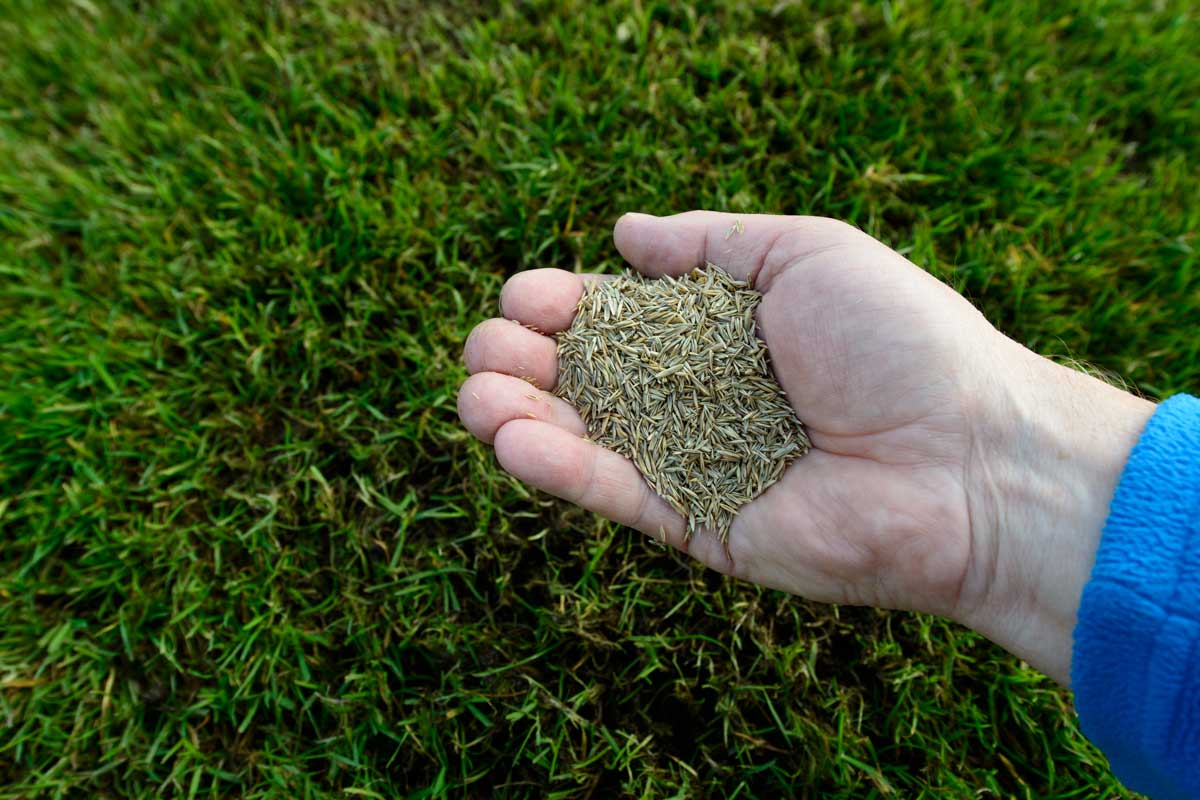
Image Source: www.greenviewfertilizer.com
Lawn Seed Lifespan: How Long Is Lawn Seed Good For?
Generally, unopened lawn seed is good for 1 to 3 years under ideal storage conditions. However, the actual seed viability and germination rate can decrease much faster depending on how it’s stored and the specific grass species.
Factors Influencing Seed Longevity
Many elements play a role in how long your lawn seed remains viable. It’s not just about a simple lawn seed expiration date. Think of it like food; proper storage and handling are key to preserving its quality.
Seed Viability: The Core Principle
Seed viability refers to the ability of a seed to germinate and grow into a healthy plant. For lawn seed, this is the most critical factor. Even if a bag has a best before date far in the future, if the seed has been mistreated, its viability will be compromised.
The Role of Seed Storage
Proper seed storage is paramount for preserving grass seed quality and extending its useful life. Incorrect storage can quickly degrade even the freshest seed.
Environmental Conditions for Seed Storage
- Temperature: Extreme temperatures, both hot and cold, are detrimental. High heat can cook the embryo within the seed, rendering it infertile. Freezing, while less immediately damaging than extreme heat, can also cause ice crystals to form and rupture delicate seed structures. A cool, consistent temperature is ideal.
- Moisture: Humidity is the enemy of stored seeds. Moisture encourages fungal growth and can initiate germination prematurely, leading to spoilage. Seeds need to be kept in a dry environment.
- Light: While seeds need light to grow, they don’t need it to be stored. Storing seeds in a dark place protects them from potential temperature fluctuations caused by direct sunlight.
- Oxygen: Seeds respire, meaning they consume oxygen. While this process slows down significantly in storage, completely airtight containers can sometimes lead to anaerobic conditions, which aren’t ideal. However, for practical purposes, keeping seeds well-sealed against moisture is more important than worrying about oxygen levels in a home storage scenario.
Seed Age and Its Impact
The seed age is a direct indicator of how long the seed has been subject to potential degradation. While not all old seed is bad, seed age is a significant factor in predicting its germination rate.
Typical Seed Age vs. Germination Rate
| Seed Age (Years) | Expected Germination Rate (Approximate) | Notes |
|---|---|---|
| 0-1 | 85-95% | Peak viability, best results. |
| 1-2 | 70-85% | Still good, but slight decline may be noticeable. |
| 2-3 | 50-70% | Viability decreasing, may need more seed or patience. |
| 3+ | Below 50% | Significantly reduced chance of germination. |
Note: These are general estimates. Actual rates vary greatly based on species and storage.
Understanding Lawn Seed Expiration
The concept of lawn seed expiration isn’t always a hard and fast rule like with perishable foods. Instead, it’s more of a guideline for when seed quality is likely to have diminished to a point where successful germination is less probable. The date printed on the packaging is often a “packed on” date or a recommended use-by date based on testing at the time of packaging.
Preserving Seed for Maximum Longevity
Effective preserving seed techniques are your best bet for ensuring your lawn seed remains potent. It’s about controlling the environment around the seed.
Optimal Storage Methods for Storing Grass Seed
The goal is to create a stable, cool, dry, and dark environment.
Ideal Storage Locations
- Cool Basement: A basement that stays consistently cool and dry is an excellent choice. Avoid areas prone to flooding or high humidity.
- Climate-Controlled Garage: If your garage is climate-controlled and maintains a stable temperature, it can work. An unconditioned garage that experiences extreme temperature swings is not suitable.
- Indoor Closet (Unused): A closet in a main living area, away from heating vents and exterior walls that might experience temperature fluctuations, can be a good option.
Container Choices for Storing Grass Seed
The right container is crucial for preserving seed by protecting it from moisture and pests.
- Original Packaging (Sealed): If the original bag is still well-sealed and shows no signs of damage or moisture ingress, it can be a starting point. However, paper bags are not ideal for long-term protection against humidity.
- Airtight Plastic Containers: These are a much better option. They offer excellent protection against moisture and pests.
- Vacuum-Sealed Bags: For the absolute best long-term seed storage, vacuum-sealing the seed (after ensuring it’s completely dry) provides superior protection against oxygen and moisture.
Tips for Storing Grass Seed for Extended Periods
- Check for Moisture: Before storing, feel the seed. If it feels damp or clumpy, it’s already compromised.
- Label Clearly: Always label your stored seed with the type of grass and the date you purchased or stored it. This helps you use older seed first.
- Avoid Humidity Sources: Keep seed away from bathrooms, laundry rooms, or kitchens where humidity levels can be high.
- Pest Prevention: While less of a concern in sealed containers, ensure your storage area is not a haven for rodents or insects.
Factors Affecting Germination Rate Over Time
While we aim to preserve seed, its natural biological clock is always ticking. The germination rate is not static.
Species-Specific Longevity
Different types of grass seed have varying natural lifespans. Some cool-season grasses might have slightly better longevity than some warm-season varieties, but this is a generalization, and storage conditions are usually the dominant factor.
Impact of Seed Coat and Treatments
- Seed Coat: The protective outer layer of the seed can influence its resistance to environmental damage. A thicker, more robust seed coat might offer slightly better protection.
- Seed Treatments: Some seeds are coated with fungicides, insecticides, or nutrient packages. These treatments can sometimes slightly alter the seed shelf life, but their primary purpose is to aid germination and early seedling growth, not long-term preservation.
Testing Old Seed
Before you decide to plant old seed, it’s wise to test its viability. This is a simple process you can do at home.
Simple Seed Viability Test
- Gather Samples: Take a small, representative sample of the seed.
- Prepare a Test Surface: Use a damp paper towel or a small amount of moist potting soil in a shallow dish or tray.
- Spread the Seeds: Place about 20-50 seeds on the surface, ensuring they are not overcrowded.
- Provide Conditions: Cover with another damp paper towel or a thin layer of soil. Place the tray in a warm, bright location (but not direct, hot sunlight).
- Maintain Moisture: Keep the paper towels or soil consistently moist but not waterlogged.
- Observe: Check daily for signs of germination (usually a small root or sprout emerging). This typically takes 7-14 days, depending on the grass type.
- Calculate Viability: Count how many seeds germinated. Multiply this number by 2 to get a rough percentage (e.g., if 10 out of 20 seeds germinated, that’s 50%).
This test gives you a much more accurate idea of the germination rate of your particular batch of seed than relying solely on the printed date.
What to Do with Old Lawn Seed
If you find you have old lawn seed, don’t immediately discard it. It might still be useful.
When Old Seed is Still Usable
- Low-Traffic Areas: If your viability test shows a significantly reduced germination rate (e.g., below 50%), consider using it in less visible or low-traffic areas of your yard where a thin patch won’t be as noticeable.
- Overseeding: For overseeding an existing lawn, you can often get away with a lower germination rate because you’re supplementing a healthy grass stand. You might just need to use a bit more seed.
When to Discard Lawn Seed
- Moldy or Smelly Seed: If the seed has any signs of mold, mildew, or an unpleasant odor, it’s best to discard it. This indicates significant fungal growth that could harm your soil and future grass.
- Very Low Viability Test Results: If your viability test shows less than a 20-30% germination rate, the effort and resources required to sow it are likely not worth the potential results.
- Water-Damaged Seed: Seed that has clearly been exposed to significant moisture and shows signs of damage or decay should be thrown away.
FAQs About Lawn Seed Lifespan
Here are some common questions people have about their lawn seed.
Q: Can I use lawn seed that is a year past its expiration date?
A: Yes, you likely can, especially if it has been stored properly. The “expiration” date is more of a guideline. Always perform a quick viability test if you’re unsure.
Q: How does temperature affect seed shelf life?
A: High temperatures significantly reduce seed shelf life by damaging the seed embryo. Cool, stable temperatures are best for preserving seed.
Q: What is the best way to store grass seed?
A: Store grass seed in a cool, dry, and dark place in an airtight container. Vacuum-sealed bags offer the best protection for long-term seed storage.
Q: Does the type of grass seed matter for how long it lasts?
A: While storage is the biggest factor, some grass species may naturally have slightly longer seed viability than others, but the difference is usually minimal compared to the impact of poor storage.
Q: Why is my old seed not germinating?
A: The most common reason is a loss of seed viability due to age and/or improper seed storage. High temperatures, humidity, and exposure to light can all reduce the germination rate.
By paying attention to these factors and employing good storage practices, you can maximize the useful life of your lawn seed and ensure a healthy, vibrant lawn for years to come. Remember, grass seed quality is maintained through careful handling and an awareness of its natural limitations.