
Skunks digging up your lawn can be a real headache, leaving unsightly holes and an unpleasant odor. Can I stop skunks from digging up my lawn safely? Yes, there are several effective and safe methods to deter skunks from disturbing your yard without causing them harm. This guide will explore various strategies to help you stop skunks digging yard and protect your lawn, focusing on humane and natural approaches. We’ll delve into identifying the reasons behind their digging, implementing skunk repellent for lawns, and employing natural skunk deterrents to keep your garden and lawn pristine.
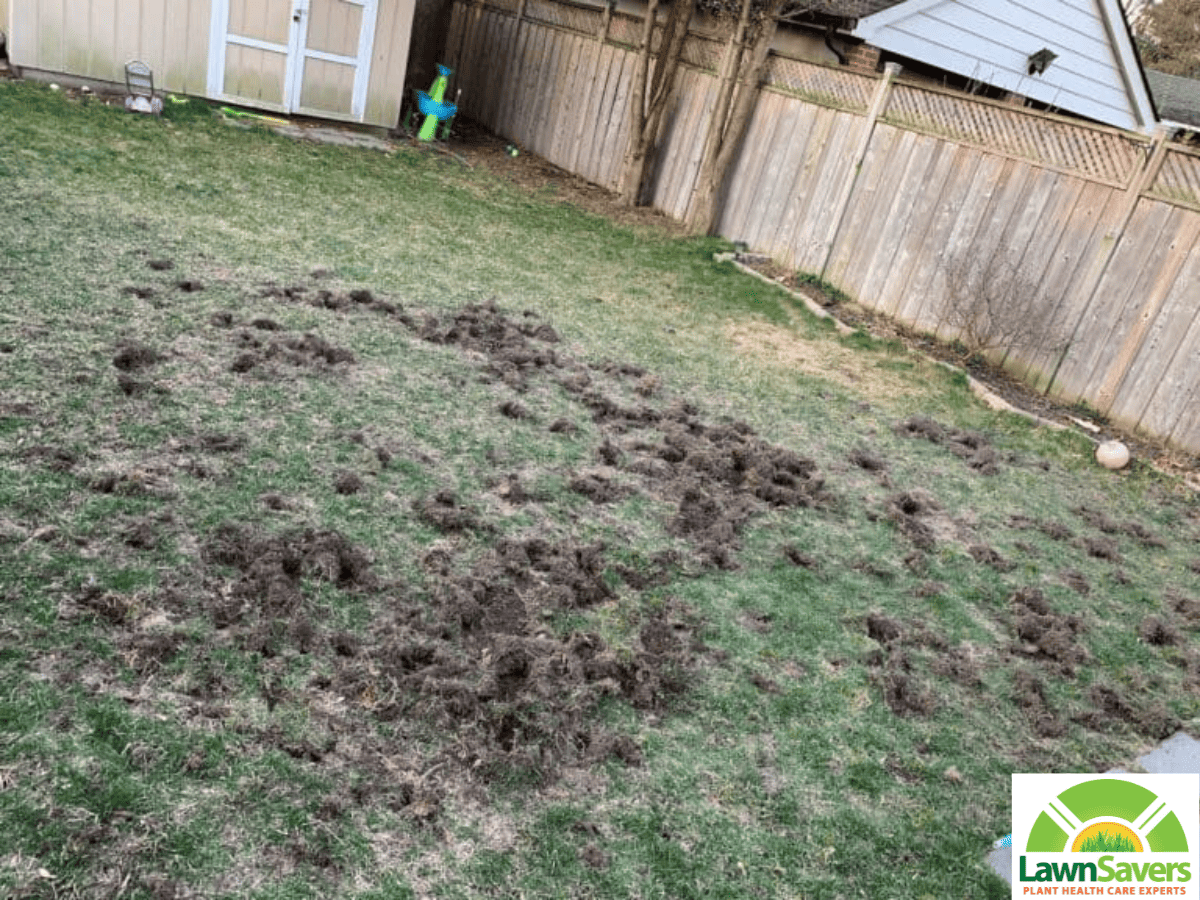
Image Source: lawnsavers.com
Why Skunks Dig Up Lawns
Skunks are primarily nocturnal foragers. Their digging behavior is usually driven by a search for food. Grubs, earthworms, insects, and small rodents are their preferred snacks, and these often reside just beneath the surface of your lawn or in garden beds. When skunks detect the vibrations or scent of these meals, they’ll use their strong claws to dig down and unearth them. This is particularly common in the spring and fall when these food sources are abundant.
Identifying the Signs of Skunk Activity
Before you can effectively deter skunks, it’s helpful to recognize the signs they leave behind:
- Small, conical holes: These are typically 1-3 inches in diameter and are a tell-tale sign of skunks searching for grubs. Unlike moles, which create raised tunnels, skunks dig from above.
- Larger, irregular holes: If a skunk is after larger prey like mice or voles, they might create bigger, more haphazard digging patterns.
- Droppings: Skunk droppings resemble those of cats but often contain remnants of their diet, like insect exoskeletons or fur.
- Tracks: Skunk tracks show five toes on each foot, with the front paws having longer claws than the hind paws.
- The unmistakable odor: While hopefully avoidable, a strong skunk spray odor is a definitive indicator of their presence.
Natural Skunk Deterrents and Repellents
The most effective approach to lawn protection from skunks involves making your yard less attractive to them. This often means disrupting their food source or introducing smells and tastes they dislike.
Scent-Based Deterrents
Skunks have a keen sense of smell and are repelled by certain strong odors.
Essential Oils
Many essential oils are known to be potent natural skunk deterrents. Their strong scents can mask the smell of food or simply be unpleasant enough to make skunks move on.
- Peppermint Oil: Known for its strong, clean scent.
- Eucalyptus Oil: Has a pungent aroma that skunks generally avoid.
- Citronella Oil: Famous for repelling insects, it also works on skunks.
- Tea Tree Oil: Another powerful oil with a distinctive smell.
How to Use Essential Oils:
- Dilute: Mix about 10-15 drops of essential oil with a cup of water and a tablespoon of mild liquid soap (like dish soap). The soap helps the oil adhere to surfaces.
- Apply: Use a spray bottle to generously apply the mixture around the perimeter of your lawn, garden beds, and any areas where you’ve seen digging. Reapply after rain or every few days, as the scent can dissipate.
- Cotton Balls: For a more targeted approach, soak cotton balls in undiluted essential oils and place them in strategic locations around your yard, especially near burrow entrances or favorite digging spots.
Castor Oil
Castor oil is a natural laxative and has a strong scent that skunks find offensive. It’s also sticky and unpleasant to walk on.
How to Use Castor Oil:
- Spray Mixture: Mix 2 tablespoons of castor oil with 1 tablespoon of mild liquid soap and 2 cups of warm water. Shake well and spray liberally over your lawn and garden. Reapply regularly, especially after watering or rain.
- Pellet Form: Some commercial repellents use castor oil in a granular form that can be sprinkled on the lawn.
Ammonia-Soaked Rags
Ammonia has a strong, acrid smell that mimics predator urine, which can scare skunks away.
How to Use Ammonia:
- Soak: Soak old rags or cotton balls in household ammonia.
- Place: Place these soaked rags around the affected areas. Be sure to place them in areas where pets and children cannot easily access them. The scent will dissipate, so regular re-soaking is necessary.
Cayenne Pepper or Hot Sauce
The capsaicin in chili peppers can irritate a skunk’s nose and mouth, making them avoid treated areas.
How to Use Cayenne Pepper:
- Sprinkle: Generously sprinkle cayenne pepper or red pepper flakes around the garden and lawn edges.
- Spray: Mix a few tablespoons of cayenne pepper with water and a little liquid soap, then spray it on affected areas. Be cautious not to inhale the pepper spray yourself.
Commercial Skunk Repellents
If natural methods aren’t sufficient, consider commercially available skunk repellents that work. Many contain ingredients like castor oil, essential oils, or predator urine (synthetic) that skunks find off-putting. Always choose products specifically designed for skunk deterrence and follow the label instructions carefully. Look for products labeled as safe for lawns and gardens.
Habitat Modification
Making your yard less hospitable to skunks can be a long-term solution.
Eliminating Food Sources
The most significant factor attracting skunks is readily available food.
- Secure Garbage Cans: Ensure your garbage cans have tight-fitting lids and consider securing them with bungee cords or clips. Skunks can easily knock over and open unsecured bins.
- Feed Pets Indoors: Do not leave pet food or water bowls outside overnight. What might seem like a small amount of leftover kibble can be a feast for a skunk.
- Clean Up Fallen Fruit: Regularly collect any fallen fruit from trees in your yard, as this can attract insects, which in turn attract skunks.
- Compost Wisely: Avoid adding meat scraps or dairy products to your compost bin, as these can be highly attractive to skunks.
Removing Shelter
Skunks often seek out sheltered areas to rest or den.
- Block Access to Under Decks and Porches: Skunks are notorious for denning under decks, porches, sheds, and other structures. Use sturdy hardware cloth (1/4 inch or 1/2 inch mesh) to seal off these areas. Bury the mesh at least 6 inches into the ground and extend it outward to prevent them from digging under it.
- Clear Debris: Remove woodpiles, dense brush, and any other debris that could provide shelter for skunks.
- Fill Burrows: If you find an existing skunk burrow (often found near foundations, under sheds, or in dense vegetation), fill it in with soil and rocks.
Other Effective Skunk Digging Prevention Tips
Beyond scent and habitat modification, a few other methods can help prevent skunks from burrowing.
Physical Barriers
While not always aesthetically pleasing, physical barriers can be very effective.
- Chicken Wire or Hardware Cloth Fencing: For garden beds or specific areas you want to protect, you can create a low fence using chicken wire or hardware cloth. Ensure the mesh is buried at least 6 inches deep to prevent digging underneath.
Introducing Unpleasant Textures
Skunks have sensitive feet and dislike certain textures.
- Gravel or Mulch: Spreading a layer of coarse gravel or sharp mulch (like pine bark or wood chips) around the edges of your lawn or garden beds can make these areas less appealing to dig in.
Loud Noises and Light
Skunks are generally shy creatures and prefer to avoid confrontation.
- Motion-Activated Sprinklers: These devices detect movement and spray a burst of water, startling skunks and encouraging them to leave. This is a humane and effective way to deter them.
- Motion-Activated Lights: Bright lights can also startle skunks, making them feel exposed and vulnerable.
- Radios: Leaving a radio on a talk station at a low volume near a suspected den site can also discourage them. The constant noise and voices can be unsettling.
Humane Skunk Removal from Yard
If skunks have already established a presence, you might need to encourage them to leave. The goal is always humane skunk removal from yard.
Eviction Methods
- The “Get Out of My House” Approach: If a skunk has taken up residence under a structure, try to make it uncomfortable for them. Place a bright light under the structure or play a radio near the entrance. Skunks generally prefer dark, quiet spaces.
- One-Way Doors: For a more professional approach, a wildlife removal specialist can install a one-way door over the entrance to a skunk’s den. This allows the skunk to exit but prevents it from re-entering. It’s crucial to ensure all skunks have left the den before installing such a device. Often, a period of a few days to a week is recommended, checking for any baby skunks that might still be inside.
Important Note: Never attempt to trap or handle a skunk yourself. They are wild animals and can spray if they feel threatened. If you suspect a skunk is trapped or injured, contact a local wildlife rehabilitation center or animal control.
Keeping Skunks Out of Your Garden
Your garden is a prime target for skunks due to the abundance of tasty insects and grubs. Here’s how to keep skunks out of garden:
- Inspect Regularly: Walk your garden in the early morning or late evening to look for any signs of skunk activity.
- Targeted Repellents: Apply your chosen skunk repellent for lawns specifically around your garden beds. Pay close attention to the perimeter and any areas where you’ve noticed digging.
- Protective Barriers: For particularly vulnerable plants or vegetables, consider using fencing or netting.
- Natural Soil Amendments: Some gardeners report success with adding materials like coffee grounds or eggshells around plants. While not proven to be a definitive skunk deterrent, the added texture and scent might make digging less appealing.
Homemade Skunk Deterrents
For those who prefer DIY solutions, several homemade skunk deterrents can be effective.
Citrus Peels
Skunks are said to dislike the smell of citrus.
- How to Use: Collect orange, lemon, grapefruit, or lime peels. Scatter them liberally around your yard, garden beds, and near any suspected burrow entrances. Replace them every few days as the scent fades.
Garlic Spray
The strong odor of garlic can be quite potent.
- How to Use: Steep a few cloves of minced garlic in water for a day. Strain the garlic and mix the water with a tablespoon of mild liquid soap. Spray this mixture on affected areas.
Vinegar
Vinegar’s pungent smell can also deter skunks.
- How to Use: Mix equal parts white vinegar and water in a spray bottle. Add a drop of mild dish soap. Spray around the lawn and garden. Reapply frequently.
Skunk Digging Prevention Tips Recap
To summarize, here are key skunk digging prevention tips:
- Eliminate Food Sources: Secure trash, don’t feed pets outdoors, clean up fallen fruit.
- Remove Shelter: Seal off areas under decks and sheds, clear debris.
- Use Scent Deterrents: Apply essential oils, castor oil, ammonia, or cayenne pepper mixtures.
- Consider Physical Barriers: Use fencing for sensitive areas.
- Employ Texture Deterrents: Use gravel or coarse mulch.
- Utilize Light and Sound: Motion-activated sprinklers and lights can be effective.
When to Call a Professional
While many DIY methods are effective, there are situations where professional help is recommended:
- Persistent Infestations: If despite your best efforts, skunks continue to damage your lawn, a wildlife control professional can offer more advanced solutions.
- Suspected Dens with Young: If you suspect a skunk den contains young skunks, it’s best to wait until the young are mobile and can leave with their mother before attempting any eviction methods. Professionals are trained to identify and handle such situations safely.
- Health Concerns: If you encounter a skunk that appears sick, lethargic, or aggressive, it could have rabies. Do not approach it; instead, contact your local animal control immediately.
Frequently Asked Questions (FAQ)
Q1: Will commercial skunk repellents harm my pets or children?
A1: Most commercial skunk repellents that work are designed to be safe for pets and children when used according to the manufacturer’s instructions. However, always read the label carefully and keep pets and children away from treated areas until the product has dried or is no longer detectable by scent. Natural repellents like essential oils should also be used with caution, ensuring they are diluted properly and placed out of reach.
Q2: How often do I need to reapply natural skunk deterrents?
A2: Natural deterrents, especially those based on scent, need regular reapplication. It’s recommended to reapply every 2-3 days, or more frequently after rain or heavy watering, as the scent can wash away or dissipate quickly.
Q3: Can I use mothballs to deter skunks?
A3: While mothballs (naphthalene) are sometimes suggested as a repellent, they are toxic and can be harmful to pets, children, and beneficial wildlife. It is generally not recommended to use mothballs in gardens or on lawns. Safer, natural alternatives are readily available.
Q4: What is the best time of year to implement skunk prevention measures?
A4: Skunk activity often increases in the spring when they are looking for food to support their young and in the fall as they prepare for winter. However, you can implement prevention measures year-round to discourage them. Proactive measures before they become a problem are always best.
Q5: My neighbor has a skunk problem, and it’s affecting my yard. What should I do?
A5: Discuss the issue with your neighbor. Sometimes, a coordinated effort can be more effective. If the problem persists and is impacting multiple properties, consider approaching your local homeowner’s association or municipal animal control for guidance and potential community solutions.
By employing a combination of these strategies, you can effectively deter skunks from digging up your lawn and keep your yard looking its best. Remember to prioritize humane methods that are safe for both your family and the wildlife in your area.