
So, how long should a lawn mower last? Generally, with proper care, a well-maintained lawn mower can last anywhere from 10 to 20 years. However, this is a broad estimate, and the actual lifespan depends on several key factors.
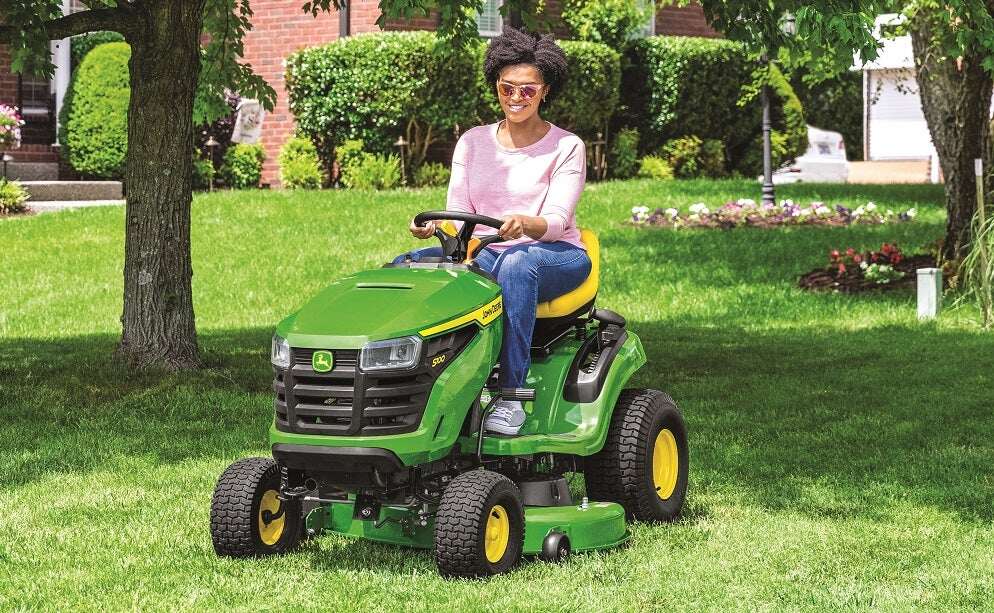
Image Source: blog.koenigequipment.com
Deciphering Lawn Mower Durability: What to Expect
The lawn mower lifespan is a topic many homeowners ponder as they consider their purchase or contemplate replacing their current machine. The average lawn mower age can vary significantly based on the type of mower, its build quality, how it’s used, and crucially, the level of maintenance it receives. Understanding these elements is key to knowing how often to replace a lawn mower and making smart decisions for your yard care.
Factors Affecting Mower Life
Several elements play a crucial role in determining your mower’s longevity. Recognizing these can help you make informed choices and extend the usable life of your equipment.
Type of Lawn Mower
The fundamental design and intended use of different mower types inherently influence their lawn mower durability.
- Rotary Mowers (Push and Self-Propelled): These are the most common types. Their lifespan is typically between 10 to 15 years if well-maintained. They are designed for regular home use and have simpler mechanisms compared to more complex riding mowers.
- Riding Mowers (Lawn Tractors and Zero-Turn Mowers): These are built for larger properties and more demanding tasks. With good care, a riding mower can last 15 to 20 years or even longer. Their robust construction and larger engines are designed for more extensive use.
- Robotic Mowers: While newer to the market, robotic mowers are designed for continuous operation. Their lifespans are still being documented by extensive real-world use, but based on their components and intended operational cycles, they could potentially offer a 10-year lifespan with proper battery care and routine servicing.
Build Quality and Brand Reputation
Not all lawn mowers are created equal. Higher-quality machines, often from reputable brands known for their engineering and materials, tend to have longer lawn mower service life. These mowers usually feature:
- Stronger Deck Materials: Steel decks are generally more durable than plastic ones, especially those made from thicker gauge steel.
- Robust Engine Components: Engines built with higher-grade materials and better manufacturing tolerances will operate more efficiently and last longer.
- Quality Transmission and Drive Systems: For self-propelled and riding mowers, the quality of the transmission significantly impacts its lifespan.
Expected Mower Usage
The intensity and frequency of use directly impact how long a lawn mower will last.
- Lawn Size: Mowing a small suburban lot weekly will put less strain on a mower than regularly cutting several acres.
- Terrain: Mowing on hilly or uneven terrain can stress the engine, transmission, and cutting deck more than mowing on flat ground.
- Grass Type and Density: Thick, tough grass requires more power and can be harder on the blades and engine than fine, sparse grass.
- Frequency of Use: Mowing more frequently, especially during peak growing seasons, naturally increases wear and tear.
Lawn Mower Maintenance and Longevity
This is arguably the most critical factor in extending lawn mower lifespan. Regular and proper maintenance is the cornerstone of ensuring your mower operates efficiently and avoids premature failure. Neglecting maintenance is the fastest way to shorten your mower’s life.
How to Extend Mower Life: Proactive Care
Investing a little time and effort in maintenance can significantly boost your mower’s lawn mower durability and postpone the need for replacement. Here are key strategies for how to extend mower life:
Regular Cleaning is Crucial
After each use, dedicate a few minutes to cleaning your mower. This prevents buildup that can cause rust and damage.
- Deck Cleaning: Use a hose or scraper to remove grass clippings from the underside of the deck. This prevents rust and ensures better airflow for efficient cutting.
- Engine and Exterior: Wipe down the engine housing and exterior with a damp cloth. Keep vents clear of debris.
Engine Care: The Heart of the Mower
The engine is the most vital component. Neglecting its needs will quickly lead to problems.
- Oil Changes: Follow the manufacturer’s recommendations for oil type and change intervals. Typically, this is after the first few hours of use and then every 50 hours of operation or annually.
- Check Oil Level: Regularly check the oil level before each use. Low oil is a common cause of engine damage.
- Air Filter Maintenance: A clean air filter ensures the engine gets adequate airflow, which is essential for performance and longevity. Clean or replace the air filter annually, or more often if you mow in dusty conditions.
- Spark Plug Replacement: A fouled or worn spark plug can lead to hard starting and poor engine performance. Replace the spark plug annually.
- Fuel System Care:
- Use Fresh Fuel: Use fresh gasoline, ideally within 30 days of purchase.
- Fuel Stabilizer: During off-season storage, add a fuel stabilizer to prevent fuel from degrading and clogging the carburetor.
Blade Care: Sharpness Matters
Sharp blades cut grass cleanly, reducing strain on the engine and resulting in a healthier lawn.
- Sharpening: Sharpen your mower blades at least once or twice a season, depending on usage and your lawn’s conditions.
- Balancing: After sharpening, ensure blades are balanced. Unbalanced blades cause vibration, which can damage the engine and mower deck over time.
- Replacement: Replace blades that are significantly damaged or worn out.
Tire and Wheel Maintenance
Properly inflated tires ensure smooth operation and reduce stress on the mower.
- Tire Pressure: Check tire pressure regularly and inflate to the manufacturer’s recommended levels.
- Inspect for Damage: Look for cracks or wear on tires and wheels.
Battery Care (for Electric and Riding Mowers)
- Charging: For electric mowers, follow charging instructions carefully.
- Terminal Cleaning: For riding mowers, ensure battery terminals are clean and free from corrosion.
Storage and Winterization
Proper storage during the off-season is critical for preventing damage and ensuring a smooth start to the next mowing season.
- Clean Thoroughly: Clean the mower completely.
- Fuel System: Either drain the fuel tank and run the engine until it stalls, or fill the tank and add a fuel stabilizer.
- Oil Change: It’s often recommended to change the oil before storage.
- Battery: For electric start riding mowers, disconnect or remove the battery and store it in a cool, dry place. Consider using a trickle charger.
- Covering: Store the mower in a dry, sheltered location, protected from the elements, ideally under a mower cover.
When to Buy a New Mower: Recognizing the Signs
Even with diligent care, all machines eventually wear out. Knowing when to buy a new mower is a balance between repair costs and the benefits of a new machine. Here are some indicators that your current mower might be nearing the end of its lawn mower service life:
Frequent and Costly Repairs
If your mower requires more frequent repairs, and the cost of these repairs is starting to approach the price of a new, comparable mower, it’s time to reconsider.
- Engine Problems: Persistent issues like hard starting, smoke, or loss of power that cannot be easily fixed.
- Transmission Issues: For riding mowers, problems with the transmission can be particularly expensive to repair.
- Deck Rust-Through: If the cutting deck has rusted to the point of having holes, it compromises the mower’s structural integrity and cutting performance.
Declining Performance and Efficiency
A mower that is no longer performing optimally might be a sign of impending failure.
- Inconsistent Cutting: Uneven cuts or scalping the lawn.
- Reduced Power: The engine struggles even with routine tasks.
- Excessive Vibration: A significant increase in vibration during operation can indicate worn-out parts.
Safety Concerns
Safety should always be paramount. If your mower is exhibiting safety issues that are difficult or expensive to fix, it’s time to replace it.
- Brake Malfunctions: On riding mowers.
- Loose Components: Parts that frequently come loose and cannot be securely reattached.
- Electrical Shorts or Fire Hazards: Any sign of electrical malfunction that poses a risk.
Obsolete Technology or Features
While not a direct sign of failure, newer mowers often come with improved efficiency, emission controls, and user-friendly features. If your current mower is significantly outdated, a new one might offer practical benefits.
Calculating Expected Mower Usage and Lifespan
To get a more personalized estimate of your mower’s lawn mower lifespan, you can consider your expected mower usage.
Let’s say a typical push mower engine is rated for 500-1000 operating hours, and a riding mower engine for 1000-2000 hours.
-
Scenario 1: Suburban Lot Mowing
- Lawn size: 1/4 acre
- Mowing time per session: 30 minutes (0.5 hours)
- Mowing frequency: Weekly (approx. 25 weeks per year)
-
Annual usage: 0.5 hours/week * 25 weeks/year = 12.5 hours/year
-
Push Mower Lifespan:
- At 500 hours: 500 hours / 12.5 hours/year = 40 years (highly unlikely due to other component wear)
- At 1000 hours: 1000 hours / 12.5 hours/year = 80 years (even more unlikely)
Realistically, for a suburban lot, a push mower might last 10-15 years, with the engine being a major factor, but deck wear, wheel bearings, and transmission (if self-propelled) will likely fail sooner.
-
Scenario 2: Larger Property Mowing
- Property size: 2 acres
- Mowing time per session: 1.5 hours
- Mowing frequency: Weekly (approx. 25 weeks per year)
-
Annual usage: 1.5 hours/week * 25 weeks/year = 37.5 hours/year
-
Riding Mower Lifespan:
- At 1000 hours: 1000 hours / 37.5 hours/year = 26.7 years
- At 2000 hours: 2000 hours / 37.5 hours/year = 53.3 years
Again, these are engine-focused estimates. A riding mower used this frequently might realistically last 15-20 years before significant component failure or cost of repairs outweighs replacement.
These calculations highlight that while engines can last a long time under light use, other parts of the mower are subject to wear from usage, vibration, and environmental exposure.
Frequently Asked Questions
Q: How often should I replace my lawn mower?
A: You don’t need to replace your mower on a strict schedule. Instead, consider replacement when repairs become too frequent or costly, the mower’s performance significantly declines, or safety issues arise. For a well-maintained push mower, this might be after 10-15 years, and for a riding mower, 15-20 years or more.
Q: What is the average lawn mower age before it needs replacement?
A: The average lifespan can range from 10 years for basic push mowers to 20 years or more for well-cared-for riding mowers. However, this is heavily influenced by usage and maintenance.
Q: Can I extend my lawn mower’s life?
A: Absolutely! Proper lawn mower maintenance and longevity are directly linked. Regular cleaning, oil changes, air filter checks, spark plug replacement, and blade sharpening are key methods for how to extend mower life. Storing it properly during the off-season also plays a significant role.
Q: What are the key factors affecting mower life?
A: The main factors affecting mower life include the type of mower, its build quality, how often and how intensely it’s used, and the quality of its maintenance.
Q: When is it more economical to repair a lawn mower versus buying a new one?
A: It’s generally more economical to repair a mower if the repair cost is less than 25-50% of the price of a comparable new mower, and if the mower has been well-maintained. If the engine or transmission needs major work, or if multiple components are failing, buying new is often the better financial decision.
By paying close attention to maintenance and recognizing the signs of wear, you can maximize your lawn mower lifespan and ensure your equipment serves you reliably for many seasons to come.