
Can you protect your lawn from dogs? Yes, you can protect your lawn from dogs by implementing a combination of strategies focusing on training, lawn care, and deterrents.
Dogs are wonderful companions, but their natural behaviors can wreak havoc on our otherwise pristine lawns. From dog urine burn creating unsightly yellow or brown spots to energetic digging that uproots precious greenery, lawn damage from dogs is a common frustration for pet owners. Thankfully, you don’t have to choose between your furry friend and a beautiful yard. This in-depth guide will explore practical, effective, and sometimes natural lawn protection dogs can tolerate, helping you prevent dogs digging lawn, manage dog pee spots lawn, and ultimately keep dogs off grass in problematic areas, ensuring your outdoor space remains lush and inviting.
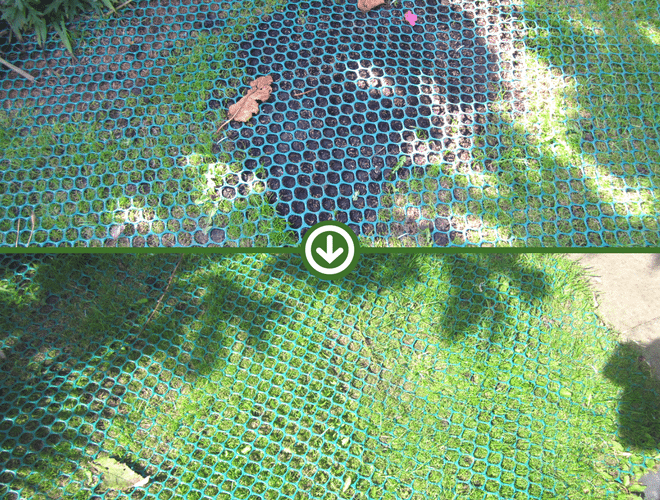
Image Source: www.thegardenrange.co.uk
Comprehending the Causes of Lawn Damage
Before we can implement solutions, it’s crucial to understand why dogs damage lawns. It’s not malicious; it’s instinctual and biological.
The Science Behind Dog Urine Spots
Dog urine burn is perhaps the most visible form of damage. It’s caused by the high nitrogen content in dog urine. While nitrogen is a fertilizer, in concentrated amounts, it burns the grass, creating the characteristic brown or yellow patches. The acidity of the urine also plays a role.
- Nitrogen Overload: Too much of a good thing.
- Acidity: Disrupts the soil’s pH balance.
- Urine Volume: Larger dogs or dogs that frequently urinate in the same spot will cause more pronounced damage.
The Digging Instinct
Dogs dig for a variety of reasons, all tied to their natural instincts:
- Boredom and Excess Energy: When dogs don’t get enough physical and mental stimulation, they find their own entertainment.
- Hunting Prey: Small animals like moles or voles can trigger a dog’s prey drive, leading to extensive digging.
- Cooling Off: On hot days, dogs might dig shallow holes to find cooler soil.
- Seeking Comfort: Some dogs dig to create a comfortable resting spot.
- Burying Treasures: A dog might bury a favorite toy or bone.
- Escape Artists: If a dog feels confined or wants to explore, digging under fences is a common tactic.
The Tread Factor
Constant activity, especially by larger or more energetic breeds, can compact the soil and wear down grass in high-traffic areas. This makes the grass more susceptible to disease and drought.
Strategies for Protecting Your Lawn
A multi-pronged approach is the most effective way to protect garden from dogs and maintain a healthy lawn.
Training Your Dog: The Foundation
The most sustainable way to protect lawn from dogs is through consistent training. This involves teaching your dog acceptable behaviors and discouraging destructive ones.
Designated Potty Areas
- Establish a Spot: Choose a specific area of your yard for your dog to relieve itself. This could be a patch of gravel, mulch, or a less visible corner of your lawn.
- Leash Training: Initially, take your dog to the designated spot on a leash. Reward them with praise and a small treat immediately after they use the area.
- Consistency is Key: Regularly guide your dog to this spot. Over time, they’ll associate it with potty breaks.
- Positive Reinforcement: Never punish your dog for accidents. Focus on rewarding good behavior.
Discouraging Digging
- Increase Exercise and Mental Stimulation: A tired dog is a well-behaved dog. Ensure your dog gets enough walks, playtime, and puzzle toys.
- Provide Alternatives: Offer your dog their own digging pit filled with sand or loose soil. Burying toys or treats in this pit can make it more appealing.
- Interrupt and Redirect: If you catch your dog digging in an unwanted area, interrupt the behavior with a sharp, but not frightening, sound and immediately redirect them to their digging pit or another activity.
- Supervise: Keep an eye on your dog when they are in the yard, especially when they are young or prone to digging.
Lawn Care Practices for Resilience
A healthy, robust lawn is more capable of withstanding minor dog-related stress.
Choosing the Right Grass Type
Some grass varieties are more resilient to dog damage than others.
| Grass Type | Tolerance to Dog Urine | Tolerance to Wear and Tear | Growth Habit | Best For |
|---|---|---|---|---|
| Tall Fescue | Moderate | Good | Deep roots, bunching | Heat, drought, and traffic tolerance, good for warmer climates |
| Perennial Ryegrass | Poor | Excellent | Fine texture, fast growth, shallow roots | High-traffic areas, overseeding for quick greening |
| Kentucky Bluegrass | Moderate | Good | Spreading rhizomes and stolons, dense turf | Cooler climates, thrives in sun or partial shade |
| Bermudagrass | Moderate | Excellent | Aggressive spreading, fine texture, heat-loving | Warm climates, high-traffic areas, very drought tolerant |
| Zoysiagrass | Moderate | Good | Slow-spreading, dense turf, heat and drought tolerant | Warmer climates, moderate traffic, low maintenance |
- Consider Seed Blends: Many commercial grass seed mixes are designed for dog owners, often incorporating more tolerant species.
Proper Watering and Fertilization
- Water Deeply and Infrequently: This encourages deep root growth, making the grass stronger. Watering in the morning is ideal.
- Don’t Over-Fertilize: Stick to recommended fertilization schedules. Excessive nitrogen can worsen dog urine burn.
- Use Slow-Release Fertilizers: These provide nutrients gradually, reducing the risk of burning.
Aeration and Dethatching
- Aeration: This process creates small holes in the soil, improving air circulation, water penetration, and nutrient uptake. It’s especially helpful in areas with compacted soil from your dog’s activity.
- Dethatching: Removing excess thatch (dead grass) prevents a buildup that can suffocate the lawn and harbor pests.
Managing Dog Urine Spots
Even with the best training, accidents happen. Here’s how to mitigate the damage of dog pee spots lawn.
Immediate Rinsing
- The Best Defense: The moment you see your dog urinate on the lawn, immediately rinse the area with plenty of water. This dilutes the urine and washes away the concentrated nitrogen.
- Watering Can or Hose: Keep a watering can or hose handy for this purpose.
Spot Treatment and Repair
- For Existing Spots: Once a dog urine burn spot has formed, it’s best to repair it.
- Remove Dead Grass: Rake out the dead grass and any loose debris.
- Amend the Soil: Loosen the soil with a trowel and mix in some compost or a soil amendment.
- Reseed or Sod: Sprinkle a good quality grass seed or lay down a small piece of sod. Choose a seed mix that matches your existing lawn.
- Keep Dogs Off: Ensure your dog stays away from the repaired area until the new grass is established.
Dietary Supplements and Water Intake
- Consult Your Vet: Some owners explore dietary supplements designed to neutralize urine acidity or alter its composition. Always consult your veterinarian before giving your dog any supplements.
- Hydration: Ensure your dog has constant access to fresh, clean water. This can help dilute their urine.
Creating Barriers and Deterrents
When training and lawn care aren’t enough, deterrents can be a valuable tool to keep dogs off grass or from digging.
Physical Barriers
- Fencing: The most obvious solution for dog proofing yard is secure fencing. This can prevent dogs from accessing specific areas altogether.
- Edging: Install decorative edging around garden beds or specific lawn sections.
- Decorative Rocks or Mulch: Placing these around vulnerable areas can make them less appealing to diggers.
- Temporary Barriers: Use stakes and netting or chicken wire to block off areas while new grass is growing or during specific times.
Natural Lawn Protection and Humane Dog Deterrents
Many owners prefer natural lawn protection dogs can live with. These methods focus on making the lawn less appealing without causing harm.
- Citrus Peels: Dogs often dislike the smell of citrus. Scatter orange, lemon, or grapefruit peels around the lawn.
- Vinegar Solution: A diluted vinegar solution (1 part vinegar to 2 parts water) can be sprayed on the lawn. The smell can deter dogs, but it can also harm grass if used too frequently or in high concentrations. Test in a small area first.
- Coffee Grounds: Used coffee grounds can deter some dogs, and they also add nutrients to the soil.
-
Commercial Dog Repellents: Look for natural, plant-based dog repellent for lawn products. These often use essential oils or bittering agents that are safe for pets and plants when used as directed. Always read and follow label instructions carefully.
- Key Ingredients to Look For: Essential oils (citrus, citronella, peppermint, eucalyptus), bittering agents (like denatonium benzoate).
- Application: Apply to areas you want to protect, reapplying as needed, especially after rain.
-
Motion-Activated Sprinklers: These devices release a burst of water when they detect motion, startling dogs and discouraging them from entering the area. This is a highly effective and humane dog deterrent.
Discouraging Digging with Soil Amendments
- Making it Unpleasant: Burying chicken wire or large, flat rocks just below the surface in areas where your dog likes to dig can make the experience uncomfortable and deter them.
- Adding Unpleasant Textures: Sprinkling coarse gravel or small, smooth stones in problem digging areas can also be effective.
Specialized Solutions for Persistent Problems
For particularly persistent diggers or when lawn damage from dogs is severe, consider these options.
Dog-Proofing Your Yard
This involves a comprehensive approach to making your yard less accessible or appealing for destructive behaviors.
- Secure Boundaries: Ensure fences are in good repair and that there are no gaps your dog can exploit.
- Enrichment Zones: Create dedicated play areas for your dog with toys, tunnels, or their own digging box to redirect their energy.
- Shade and Water: On hot days, ensure your dog has plenty of shade and fresh water. A bored or uncomfortable dog is more likely to dig.
Professional Intervention
- Dog Trainers: If digging or potty habits are a significant issue, a certified professional dog trainer can provide tailored advice and training plans.
- Landscapers: For severe lawn damage, consult with a landscaper about more robust grass types or specialized lawn repair techniques.
Frequently Asked Questions (FAQ)
Q1: Will dog urine kill my grass?
A1: Yes, concentrated dog urine can “burn” the grass, causing yellow or brown spots. This is due to the high nitrogen content.
Q2: How can I stop my dog from digging up my lawn?
A2: To stop your dog from digging, provide plenty of exercise and mental stimulation, offer an alternative digging spot (like a sandbox), and interrupt and redirect digging behavior. You can also make disliked areas less appealing by burying chicken wire or using deterrents.
Q3: What is the best way to prevent dog urine spots on my lawn?
A3: The best way is to train your dog to use a designated potty area and to immediately water down any spots where they have urinated. Fertilizers or supplements designed to neutralize urine can also help, but consult your vet first.
Q4: Are there natural remedies to protect my lawn from dogs?
A4: Yes, natural remedies include scattering citrus peels, using diluted vinegar (with caution), or coffee grounds. Many natural dog repellent for lawn sprays are also available.
Q5: How do I repair dog urine spots on my lawn?
A5: To repair dog urine spots, remove the dead grass, loosen the soil, add compost, reseed with grass seed suitable for your lawn type, and keep your dog away until the new grass grows.
Q6: Can I keep my dog off the grass completely?
A6: While it’s difficult to keep dogs off the grass entirely without strict confinement, you can train them to use specific areas and deter them from sensitive or newly seeded parts of your lawn using barriers or repellents.
Q7: What is “dog proofing yard” in the context of lawn protection?
A7: “Dog proofing yard” refers to making your yard safe and secure for your dog while also protecting your landscaping from destructive behaviors like digging or excessive urination. This includes secure fencing, designated play areas, and using deterrents where necessary.
By combining consistent training with proactive lawn care and appropriate deterrents, you can create a harmonious environment where both your dog and your lawn can thrive. Protecting your lawn from the impacts of your beloved pet is achievable with a little knowledge and effort.