
The question of how long to charge a lawn mower battery safely is a crucial one for anyone who owns an electric or battery-powered mower. Generally, most modern lawn mower batteries take between 1 to 4 hours to reach a full charge, but this can vary significantly based on the battery’s capacity, the charger’s output, and the battery’s current state. Overcharging can damage the battery and reduce its overall lifespan, while undercharging might leave you with insufficient power to complete your lawn care tasks.
Maintaining your lawn mower battery is key to ensuring it performs optimally and lasts for a long time. With the increasing popularity of electric mowers, understanding the nuances of lawn mower battery charging time is more important than ever. This comprehensive guide will walk you through everything you need to know to keep your mower powered up and ready to go, safely and efficiently. We’ll delve into the factors influencing charging times, best practices for charging, and how to tell when your battery is ready.
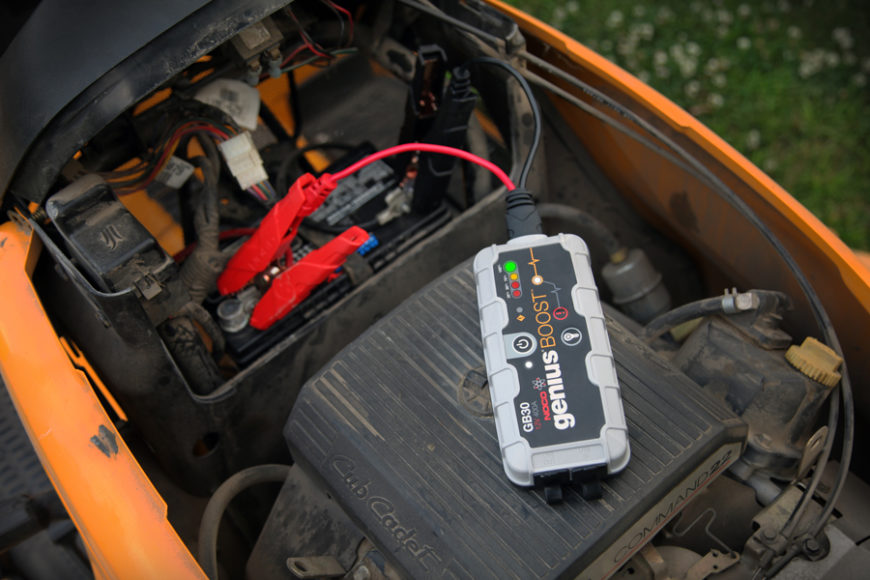
Image Source: www.autozone.com
Deciphering Lawn Mower Battery Charging Time
The lawn mower battery charging time isn’t a one-size-fits-all answer. Several factors come into play, and knowing them will help you avoid potential damage and ensure your battery is always ready for action.
Battery Capacity and Type
The most significant factor influencing how long it takes to charge your electric mower battery charge is its capacity, typically measured in Amp-hours (Ah) or Watt-hours (Wh). A higher capacity battery stores more energy and, therefore, will generally take longer to charge.
- Lithium-ion (Li-ion) Batteries: These are the most common type found in modern cordless lawn mowers. They are known for their excellent energy density, lighter weight, and longer lifespan compared to older battery technologies. Li-ion batteries typically have faster charging times.
- Nickel-Cadmium (NiCd) and Nickel-Metal Hydride (NiMH) Batteries: These are older technologies, less common in newer models, but you might find them in older mowers. They tend to have longer charging times and are more susceptible to the “memory effect,” where they lose capacity if not fully discharged before recharging.
Charger Output Power
The charger you use plays a vital role. Chargers have different output ratings, often measured in Amps (A). A higher amperage charger can deliver more power, thus reducing the mower battery recharge time.
- Fast Chargers: These are designed to replenish the battery as quickly as possible. They typically have higher amperage output.
- Standard Chargers: These provide a more gradual charge, which can be gentler on the battery and potentially extend its lifespan.
Battery’s State of Charge
A completely drained battery will naturally take longer to charge than one that is only partially depleted. If you’ve just finished mowing your lawn, the battery will need a full charge. If you’re topping it up after a light trim, it will take less time.
Ambient Temperature
The temperature of the battery and its surroundings can affect charging speed and safety. Batteries are best charged at moderate room temperatures.
- Cold Temperatures: Charging a very cold battery can be slow and may damage it. Most smart chargers have built-in safeguards to prevent charging if the battery is too cold.
- Hot Temperatures: Charging a hot battery is also not ideal. If the battery feels warm after use, it’s best to let it cool down for a bit before plugging it in. Overheating during charging can significantly reduce battery life lawn mower.
The Safe Way to Charge Your Lawn Mower Battery
Safety is paramount when dealing with any electrical device, and your lawn mower battery is no exception. Following proper charging procedures ensures both your safety and the longevity of your battery.
Using the Correct Charger
Always use the charger that came with your lawn mower or an official replacement from the manufacturer. Using an incompatible charger can lead to undercharging, overcharging, or even fire hazards. Best lawn mower battery charger advice always starts with using the manufacturer-provided unit.
Reading the Manual
Your lawn mower’s user manual is your best friend. It will provide specific instructions regarding charging, including recommended charging times, battery care, and troubleshooting tips. Fathoming the details in your manual is the first step to safe charging.
Connecting and Disconnecting
- Connect the Charger to the Battery First: Before plugging the charger into the wall outlet, ensure it is securely connected to the battery.
- Unplug the Charger from the Wall First: When you’re done charging, unplug the charger from the wall outlet before disconnecting it from the battery. This prevents accidental sparking.
Avoiding Overcharging
Most modern lawn mower batteries and chargers are equipped with “smart” technology that prevents overcharging. Once the battery reaches its full capacity, the charger will automatically stop or switch to a trickle charge mode to maintain the charge without damaging the battery. However, it’s still a good practice not to leave a fully charged battery connected indefinitely, especially with older or less sophisticated chargers.
Battery Health and Lifespan
The way you charge your battery directly impacts its battery life lawn mower. Frequent deep discharges (running the battery completely dead) can shorten its lifespan. It’s often better to recharge the battery when it’s around 20-30% capacity rather than waiting until it’s entirely depleted.
Charging Environment
Charge your battery in a dry, well-ventilated area away from direct sunlight, heat sources, and flammable materials. Avoid charging in damp or wet conditions.
How Long to Charge: Specific Scenarios
Let’s break down charging times based on common scenarios and types of mowers.
Charging Time for Cordless Lawn Mower Batteries
For typical cordless lawn mowers with 40V or 80V Lithium-ion batteries, the charging time for cordless lawn mower units can range from:
- 1 to 2 hours: For smaller capacity batteries (e.g., 2.0 Ah to 4.0 Ah) with a fast charger.
- 2 to 4 hours: For larger capacity batteries (e.g., 5.0 Ah and above) or when using a standard charger.
It’s important to note that if you have multiple batteries, you can often charge them simultaneously with a multi-port charger, significantly reducing the overall downtime for your lawn care.
How Long to Charge Ride On Mower Battery
Ride-on mowers, especially those with larger battery packs, will naturally have longer charging times.
- Smaller Ride-On Mowers (e.g., 48V systems with ~10-20 Ah batteries): These might take anywhere from 4 to 8 hours for a full charge.
- Larger, High-Voltage Ride-On Mowers (e.g., 80V or higher, with larger capacity packs): Some of these can take 12 hours or even overnight to reach a full charge.
The key for these larger machines is often overnight charging, ensuring they are ready for use the next day. Always check the manufacturer’s specifications for the precise how long to charge ride on mower battery duration.
Maintaining Your Lawn Mower Battery for Longevity
Proper maintenance goes hand-in-hand with safe charging to maximize your battery’s lifespan.
Regular Cleaning
Keep the battery terminals clean. Dust, dirt, or corrosion can interfere with the connection and charging efficiency. Use a soft, dry cloth or a pencil eraser to clean terminals. If there’s corrosion, a soft brush with a little baking soda and water solution can help, but ensure the battery is completely dry before use or charging.
Proper Storage
If you won’t be using your mower for an extended period (e.g., during winter), store the battery indoors in a cool, dry place. It’s best to store it with a partial charge (around 40-60%), as storing batteries at 100% or 0% for long periods can degrade them. Consult your manual for the manufacturer’s recommended storage charge level.
Avoiding Extreme Temperatures
As mentioned earlier, extreme heat or cold can damage the battery. Store and charge your battery at moderate room temperatures.
Periodic Inspection
Occasionally inspect your battery for any signs of damage, such as swelling, leaking, or cracked casing. If you notice any of these issues, do not use or charge the battery and consider it for lawn mower battery replacement.
Advanced Charging Tips and Technologies
The world of battery charging is constantly evolving. Here are some advanced tips and technologies that can improve the lawn mower battery charging process.
Smart Chargers and Battery Management Systems (BMS)
Modern Li-ion batteries are almost always paired with a Battery Management System (BMS). This system monitors and regulates various aspects of the battery, including:
- Overcharge Protection: Prevents the battery from being overcharged.
- Discharge Protection: Prevents the battery from discharging too deeply.
- Temperature Monitoring: Ensures charging and discharging happen within safe temperature limits.
- Cell Balancing: Ensures all cells within the battery pack are charged equally, which is crucial for longevity and performance.
This BMS technology is a key reason why most modern batteries don’t require constant monitoring during charging and why the electric mower battery charge is generally safe.
Trickle Charging
Some chargers will switch to a “trickle charge” mode once the battery is full. This is a very low-rate charge that replenishes any self-discharge that might occur over time, keeping the battery at 100% without causing damage. This is generally safe for Li-ion batteries but isn’t always necessary and can, in some rare cases, contribute to wear over very long periods if the charger isn’t perfectly designed.
Parallel vs. Series Charging
- Parallel Charging: Charging multiple batteries at the same time, with each battery connected to its own charging port. This is the most common and safest method for having multiple batteries ready.
- Series Charging: Charging multiple batteries connected in a series. This is less common for lawn mowers and can be more complex, requiring careful attention to battery health.
Diagnostic Indicators
Most chargers and batteries have LED indicators that show the charging status. These lights can tell you if the battery is charging, fully charged, or if there’s an error. Familiarize yourself with your specific model’s indicators for effective understanding lawn mower battery charging.
When is it Time for Lawn Mower Battery Replacement?
Even with the best care, batteries have a finite lifespan. Several signs indicate it might be time for lawn mower battery replacement.
Reduced Run Time
The most common indicator is a noticeable decrease in how long the mower runs on a full charge. If your mower used to last 45 minutes and now only lasts 20 minutes, the battery’s capacity has likely degraded significantly.
Longer Charging Times
If you notice that your battery is taking much longer to charge than it used to, or it never seems to reach a full charge, the battery’s internal resistance may have increased, hindering its ability to accept a charge.
Inconsistent Performance
The mower might start strong but then bog down or stop unexpectedly, even with a seemingly full charge. This could be a sign of a failing battery that can no longer provide consistent power.
Physical Damage
As mentioned earlier, any visible damage like swelling, cracking, or leaking means the battery is compromised and needs immediate replacement for safety reasons.
Age of the Battery
Lithium-ion batteries typically last for 3-5 years or a certain number of charge cycles (e.g., 500-1000 cycles), depending on usage and care. If your battery is several years old and exhibiting any of the above symptoms, it’s likely nearing the end of its life.
Frequently Asked Questions (FAQ)
Q1: Can I leave my lawn mower battery plugged in overnight?
A1: With modern smart chargers, it’s generally safe to leave your Li-ion lawn mower battery plugged in overnight. The charger will stop charging once the battery is full and may switch to a trickle charge. However, for maximum battery longevity, it’s often recommended to disconnect it once it indicates a full charge, or at least within 24 hours.
Q2: What happens if I overcharge my lawn mower battery?
A2: Modern Li-ion batteries have built-in protection against overcharging. However, older battery types or faulty chargers can lead to overcharging, which can cause the battery to overheat, reduce its lifespan, and in extreme cases, pose a fire risk.
Q3: How do I know if my lawn mower battery is fully charged?
A3: Most chargers have LED indicator lights. Typically, a solid green light or a light that turns off will indicate a full charge. Consult your mower’s manual for specific indicator meanings.
Q4: Can I use a different brand’s charger for my lawn mower battery?
A4: It’s strongly advised against using a charger from a different brand or a generic charger unless it is specifically designed and certified for your battery type and voltage. Using an incompatible charger can damage the battery and void your warranty.
Q5: How often should I charge my lawn mower battery?
A5: Charge your battery whenever it’s low, ideally before it’s completely depleted. For storage, charge it to about 40-60%. If you use your mower frequently, keep an eye on the charge level and recharge as needed.
By following these guidelines, you can ensure your lawn mower battery is charged safely, performs optimally, and provides you with years of reliable service for a beautifully maintained lawn.