
So, how often to reseed a lawn? Generally, you should reseed your lawn when it becomes thin, patchy, or has bare spots, typically every 1 to 3 years, depending on its condition and your desired appearance. The best time to reseed grass is generally in the fall or spring when temperatures are mild and moisture is plentiful. This guide will delve into the specifics of lawn reseeding frequency and provide a comprehensive lawn overseeding schedule to help you achieve the lushest, greenest lawn possible.
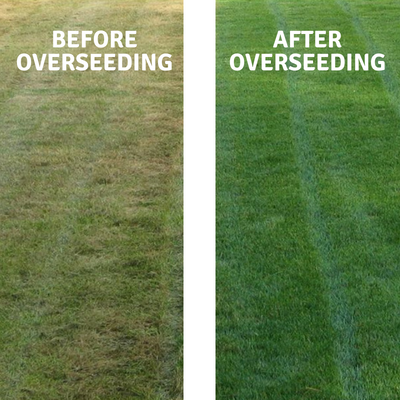
Image Source: www.turfunlimited.com
Why Reseed Your Lawn?
Your lawn is more than just grass; it’s a living ecosystem. Over time, even the best-maintained lawns can suffer from wear and tear, disease, pests, and environmental stresses. This can lead to a thinning turf, bare patches, and an overall less attractive appearance. Reseeding, also known as overseeding, is the process of introducing new grass seed into an existing lawn without tearing up the old turf. It’s a crucial practice for rejuvenating your lawn, improving its density, color, and resilience.
Benefits of Regular Overseeding:
- Increased Density: Fills in thin areas, creating a thicker, more uniform carpet of grass.
- Improved Color: New, healthy grass blades contribute to a richer, more vibrant green hue.
- Enhanced Disease and Pest Resistance: A dense turf crowds out weeds and makes it harder for diseases and pests to take hold.
- Greater Drought Tolerance: Healthy, deep-rooted grass can better withstand dry periods.
- Weed Suppression: A thick lawn outcompetes weeds for sunlight, water, and nutrients.
- Repair of Bare Spots: Crucial for reseeding bare spots that have developed due to damage or neglect.
Determining Your Lawn’s Reseeding Needs
The question of “how often to reseed a lawn” isn’t a one-size-fits-all answer. Several factors influence how frequently you’ll need to perform this essential lawn care task. Regularly assessing your lawn’s condition is key to knowing when it’s time to bring out the seed.
Signs Your Lawn Needs Reseeding:
- Thinning Turf: If you can easily see the soil through the grass, especially in high-traffic areas.
- Patchy Appearance: Irregular patches of thinner grass or bare soil.
- Bare Spots: Areas where the grass has completely died off.
- Increased Weed Presence: Weeds taking over areas where grass should be growing.
- Poor Color: A dull, off-color appearance that doesn’t improve with proper fertilization.
- Susceptibility to Pests and Diseases: If your lawn seems to be constantly battling problems, it may be too weak to resist them.
- Age of Lawn: Older lawns can naturally thin out over time and benefit from periodic reseeding.
Factors Influencing Reseeding Frequency:
- Grass Type: Some grass varieties are more robust and self-repairing than others. Cool-season grasses (like fescue and ryegrass) often benefit more from overseeding than warm-season grasses.
- Climate: Extreme weather conditions, such as prolonged drought, intense heat, or heavy snow, can stress your lawn and necessitate more frequent reseeding.
- Soil Conditions: Poor soil quality (compacted, low in nutrients) can hinder grass growth and make reseeding necessary more often.
- Traffic and Usage: Lawns subjected to heavy foot traffic, play, or pets will likely need reseeding more frequently to repair wear and tear.
- Past Lawn Problems: If your lawn has a history of significant pest infestations, diseases, or weed problems, it might require more regular attention.
- Desired Appearance: If you strive for a consistently thick, golf-course-quality lawn, you’ll likely overseed more often than someone who is content with a moderately healthy turf.
When to Reseed Lawn: Timing is Everything
The success of your reseeding efforts hinges significantly on when you do it. Choosing the right season ensures the new grass seed has the optimal conditions to germinate and establish itself.
The Best Time to Reseed Lawn
For most regions, the ideal times for reseeding are late summer into fall and early spring.
Fall Lawn Reseeding: The Premier Opportunity
Fall is widely considered the best time to reseed lawn. Here’s why:
- Ideal Soil Temperatures: Soil temperatures are still warm enough for germination, but air temperatures are cooling down. This combination is perfect for cool-season grass seeds.
- Reduced Weed Competition: Many summer annual weeds have finished their life cycle and have died off, meaning less competition for your new grass seedlings.
- Moisture Availability: Fall often brings more consistent rainfall, reducing the need for constant watering.
- Less Heat Stress: Newly seeded grass won’t have to contend with the intense heat of summer, which can be detrimental to young seedlings.
- Winter Protection: Established seedlings will have the fall and early winter to develop a stronger root system before facing the dormancy of winter.
Ideal Fall Window: Generally, this window is from late August through October in most northern climates, and September through November in more southern transitional zones. The key is to reseed at least 45 days before the first expected hard frost.
Spring Lawn Reseeding: A Viable Alternative
Spring reseeding can also be successful, though it comes with its own set of challenges.
- Warming Soil: As the weather warms, soil temperatures become conducive to germination.
- Longer Growing Season Ahead: The newly seeded grass has the entire spring and summer to establish itself.
Spring Challenges:
- Increased Weed Competition: Many annual weeds, especially crabgrass, germinate in the spring. Your new grass seedlings will be competing with them for resources.
- Heat Stress: The transition from spring to summer can bring rapidly increasing temperatures, which can stress young, unestablished grass.
- Drought Potential: Summer heat can lead to dry spells, requiring diligent watering to keep new seedlings alive.
Ideal Spring Window: This typically falls between March and May, after the last frost but before the intense heat of summer arrives.
Lawn Overseeding Schedule: A Year-Round Perspective
While fall and spring are the primary reseeding seasons, a consistent lawn overseeding schedule can help maintain a healthy turf.
- Annual or Bi-Annual Overseeding: For most home lawns, overseeding once a year in the fall is usually sufficient. If your lawn experiences heavy use or has significant thinning, you might consider a second overseeding in the spring.
- Targeted Reseeding: If you’re specifically dealing with reseeding bare spots or addressing a particularly patchy lawn, you can overseed those areas whenever the timing is appropriate, even outside the main seasons, provided you can manage watering.
How to Reseed a Lawn: A Step-by-Step Guide
Knowing how often to reseed is only half the battle. Executing the process correctly is vital for achieving optimal results. This guide covers the essential steps for successful reseeding and lawn renovation reseeding.
Step 1: Prepare the Existing Lawn
Proper preparation ensures the new seed has good contact with the soil and a chance to thrive.
Mowing and Debris Removal:
- Mow Low: Cut your existing grass as short as possible without scalping it. This allows more sunlight to reach the soil surface for the new seeds.
- Bag the Clippings: Collect and remove the grass clippings to prevent them from smothering the new seed.
- Rake and Remove Debris: Thoroughly rake the lawn to remove any thatch, dead grass, leaves, and other debris. A power rake or dethatcher can be very effective for this.
Aeration (Highly Recommended):
- Core Aeration: This process involves pulling small plugs of soil out of the lawn. It’s incredibly beneficial before reseeding because it:
- Relieves soil compaction, allowing roots to penetrate deeper.
- Creates small holes that provide excellent seed-to-soil contact.
- Improves air and water circulation to the root zone.
Addressing Bare Spots and Thin Areas:
- Loosen Soil: For reseeding bare spots, lightly cultivate the soil with a rake or trowel. Remove any weeds or debris. The soil should be loose enough for the seed to embed.
Step 2: Choose the Right Grass Seed
The type of grass seed you select is critical and should match your existing lawn’s species and your local climate.
- Identify Your Current Grass Type: Knowing whether you have cool-season (e.g., Kentucky bluegrass, fescues, ryegrass) or warm-season grasses (e.g., Bermuda, Zoysia, St. Augustine) is crucial. Overseeding with incompatible types can lead to an undesirable mix.
- Consider Seed Quality: Look for high-quality seed blends from reputable sources. Avoid cheap mixes that often contain a high percentage of weed seeds or inferior grass varieties.
- Select Appropriate Varieties: Choose grass varieties known for disease resistance, drought tolerance, and shade tolerance if those are issues in your yard.
- For Fall Lawn Reseeding: Cool-season grasses are typically the best choice. A blend of perennial ryegrass and fine fescues is often a good option for general overseeding.
- For Spring Lawn Reseeding: Again, cool-season grasses are the focus.
Step 3: Apply the Grass Seed
Even distribution is key to a uniform result.
- Use a Spreader: A broadcast spreader is the most efficient tool for evenly distributing seed over the entire lawn.
- Follow Seeding Rates: Adhere to the recommended seeding rates on the seed bag. Over-seeding too heavily can lead to competition between new seedlings. For general overseeding, you might use about half the rate recommended for establishing a new lawn.
- Crosshatch Pattern: Apply seed in two directions at right angles to each other (e.g., north-south, then east-west) to ensure complete coverage.
- Spot Seeding: For reseeding bare spots, apply seed directly into the loosened soil, ensuring good coverage.
Step 4: Ensure Seed-to-Soil Contact
This is a critical step often overlooked.
- Raking: Gently rake the seeded areas to lightly cover the seeds with about 1/8 to 1/4 inch of soil. This protects the seed from birds and helps retain moisture.
- Rolling (Optional but Recommended): Use a lawn roller to press the seed into the soil. This is especially helpful after broadcasting seed on a bare surface or after raking.
Step 5: Watering and Ongoing Care
Consistent moisture is paramount for germination and establishment.
- Initial Watering: Water the newly seeded area gently but thoroughly immediately after seeding. The goal is to moisten the soil without washing away the seed.
- Keep Seed Moist: For the next 2-4 weeks, keep the top 1 inch of soil consistently moist. This may require light watering once or twice a day, depending on the weather. Avoid letting the soil dry out completely.
- Reduce Watering Frequency: Once the seedlings reach about 1 inch in height, you can begin to reduce watering frequency but water more deeply. This encourages deeper root growth.
- Mowing: Wait until the new grass reaches about 2.5 to 3 inches in height before mowing for the first time. Use a sharp mower blade and set it to a higher setting than usual. Never remove more than one-third of the grass blade at a time.
- Fertilization: Use a starter fertilizer specifically designed for new grass at the time of seeding. This provides the essential nutrients for healthy root and shoot development. Avoid high-nitrogen fertilizers until the new grass is well-established.
- Weed Control: Avoid applying pre-emergent herbicides for at least 6-8 weeks after seeding, as they can prevent your new grass from germinating. Spot-treat any emerging weeds as needed.
Common Reseeding Scenarios and Solutions
Let’s address specific situations and how often to reseede in those contexts.
Reseeding Patchy Lawn
If your lawn is becoming patchy but isn’t completely bare, overseeding is an excellent solution.
- Frequency: Aim for annual or bi-annual overseeding in the fall. This will gradually thicken the turf and fill in the sparse areas.
- Preparation: Light dethatching or raking followed by aeration is recommended to ensure good seed-to-soil contact in the patchy zones.
Reseeding Bare Spots
When you have distinct areas where grass has died, targeted reseeding is necessary.
- How Often: Address bare spots as they appear. If they are caused by a recurring issue (like pet urine or high traffic), you’ll need to manage that underlying cause as well.
- Preparation: Loosen the soil in the bare spot, remove debris, and ensure good seed-to-soil contact. You might consider using a starter fertilizer specifically for these small areas.
How Often to Overseed for Maximum Density
If your goal is a truly dense, luxurious lawn, you might consider a more aggressive overseeding schedule.
- Frequency: Overseeding every fall is standard. Some enthusiasts might overseed lightly again in the spring, especially with grass types that spread or self-repair well.
- Key Practices: Aeration and dethatching are crucial for maximizing the effectiveness of frequent overseeding.
Lawn Renovation Reseeding
Lawn renovation reseeding is a more intensive process, often involving removing a significant portion of the old turf and starting fresh or heavily amending the soil.
- When It’s Needed: This is for severely degraded lawns, heavily infested with weeds or diseases, or when the existing grass type is unsuitable for the conditions.
- Frequency: This is typically a one-time major undertaking, not something done annually. However, depending on the success of the renovation, minor overseeding may still be needed in subsequent years.
Overseeding vs. New Lawn Establishment
It’s important to distinguish between overseeding and establishing a completely new lawn.
- Overseeding: Adding seed to an existing lawn. The goal is to improve the current turf.
- New Lawn Establishment: Removing existing turf (or starting on bare soil) and sowing seed to create an entirely new lawn. This is a more drastic measure.
When to Consider a New Lawn Instead of Overseeding:
- Dominance of Undesirable Grasses: If your lawn is primarily made up of a grass type that’s not well-suited to your climate or conditions (e.g., a bunch-type grass that leaves large gaps).
- Severe Weed or Disease Infestation: When weeds or diseases are so entrenched that overseeding won’t effectively overcome them.
- Extensive Bare Areas: If 50% or more of your lawn is bare.
- Poor Soil Structure: If the soil is heavily compacted or has very poor drainage and quality.
Lawn Overseeding Schedule: A Practical Summary
| Goal | Frequency | Best Time | Key Preparation Steps |
|---|---|---|---|
| General Maintenance | Annually | Fall | Mow low, rake, dethatch, aerate. |
| Improve Thinning Lawn | Annually or Bi-annually | Fall (Primary), Spring (Secondary) | Mow low, rake, dethatch, aerate. |
| Repair Patchy Areas | As needed, typically annually | Fall | Light raking/dethatching, aeration in patchy zones. |
| Fill Bare Spots | As needed, when spots appear | Fall or Spring | Loosen soil in spots, ensure good seed-to-soil contact. |
| Maximum Density | Annually, possibly light spring | Fall (Primary) | Regular aeration, dethatching, and proper fertilization. |
| Lawn Renovation | One-time major overhaul | Late Summer/Fall | Remove old turf, amend soil, cultivate, seed. |
Frequently Asked Questions About Reseeding
Q1: How often do I need to reseed my lawn?
A: For most lawns, reseeding once a year in the fall is ideal. If your lawn is very thin or gets a lot of wear and tear, you might consider overseeding in the spring as well.
Q2: What is the best time of year to reseed grass?
A: The best time is late summer into fall, or early spring, when temperatures are mild and there’s adequate moisture.
Q3: Can I reseed my lawn in the summer?
A: It’s generally not recommended. Summer heat and potential drought can make it very difficult for new grass seed to germinate and establish successfully.
Q4: Is overseeding the same as starting a new lawn?
A: No, overseeding is adding seed to an existing lawn to thicken it. Starting a new lawn involves removing the old turf and sowing seed over bare soil.
Q5: How do I prepare my lawn for reseeding?
A: Mow the lawn short, rake to remove debris, and ideally aerate the soil. This ensures good seed-to-soil contact.
Q6: How much seed should I use when overseeding?
A: Follow the rates on the seed bag, but generally, you use about half the amount you would for establishing a new lawn.
Q7: How often should I water newly seeded areas?
A: Keep the top inch of soil consistently moist, which might mean watering lightly once or twice a day for the first 2-4 weeks, until the seedlings are established.
By following this comprehensive guide, you can determine the right reseeding frequency for your lawn and implement the best practices for a thick, healthy, and vibrant green space.