
So, how long to water lawn after fertilizing? You should water your lawn for about 15-20 minutes per zone after applying fertilizer. This helps dissolve the fertilizer granules and carry them into the soil, preventing them from burning your grass.
Applying fertilizer is a great way to give your lawn the nutrients it needs to thrive. But what happens after the fertilizer hits the ground? A crucial, and often misunderstood, step is watering. Getting the post-fertilization watering right is key to unlocking the benefits of your fertilizer and avoiding potential damage to your grass.
This guide will dive deep into the world of watering lawn after fertilizer, covering everything you need to know, from how much water after fertilizing to the best time to water lawn after fertilizing. We’ll break down the science, offer practical advice, and help you create the perfect lawn watering schedule after fertilization.
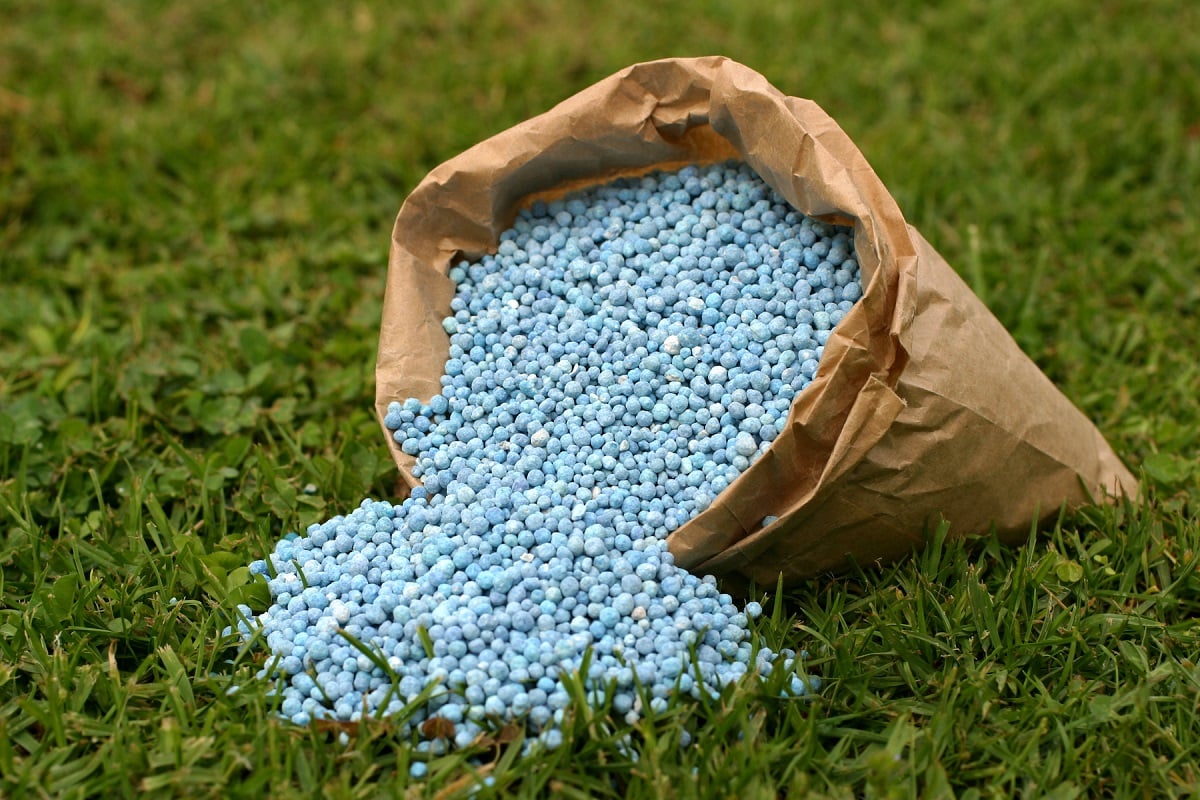
Image Source: www.lawnbuddies.com
Why Watering is Essential Post-Fertilization
Fertilizer isn’t magic. It’s a collection of nutrients that your grass needs to grow strong and healthy. However, these nutrients are often in a concentrated form. If they sit on the surface of your lawn or are not properly absorbed by the soil, they can cause problems. This is where watering comes in.
Dissolving the Nutrients
Most fertilizers, especially granular ones, are made of tiny pellets. These pellets contain concentrated salts. When water is applied, it dissolves these salts, releasing the nutrients into a usable form for your grass’s roots. Without water, the fertilizer can remain on the blades of grass and in the soil surface, waiting to be activated.
Preventing Fertilizer Burn
One of the biggest risks of fertilizing is “fertilizer burn.” This happens when the concentrated salts in the fertilizer draw moisture out of the grass blades and roots, causing them to dry out, turn yellow, and even die. Proper watering washes the fertilizer off the grass blades and into the soil, away from direct contact with the plant, thus preventing this burn.
Driving Nutrients into the Root Zone
Grass roots are the pathway for nutrient uptake. Watering after fertilizing helps to carry the dissolved nutrients down into the soil, where the roots can access them effectively. This ensures that the fertilizer does its job by feeding the grass, not just sitting on the surface.
Activating Slow-Release Fertilizers
Many modern fertilizers are designed as slow-release formulas. These are engineered to release nutrients over time. However, even slow-release fertilizers need a initial watering to kickstart the process and ensure even distribution throughout the soil.
How Much Water After Fertilizing?
This is a common question, and the answer is about finding the right balance. Too little water, and the fertilizer might not dissolve properly, risking burn. Too much water, and you could wash away nutrients or promote fungal diseases.
The General Rule: A Good Soak
As a general guideline, aim for a good, thorough watering. This usually translates to about 0.5 inches to 1 inch of water per 1,000 square feet of lawn.
Here’s a breakdown of how much water after fertilizing depends on your fertilizer type:
- Granular Fertilizer: This type typically requires a good watering to dissolve the granules and carry them into the soil. A 15-20 minute watering session per zone is usually sufficient.
- Liquid Fertilizer: Liquid fertilizers are already in a soluble form. While they still benefit from watering to help them reach the soil and roots, the watering duration might be slightly less intense than with granular types. A lighter watering, just enough to moisten the soil, is often enough.
Checking Soil Moisture
A simple way to gauge if you’ve watered enough is to use a screwdriver or a soil probe. If you can easily push it about 4-6 inches into the ground, you’ve likely provided enough moisture.
Table 1: Watering Duration Guide (Approximate)
| Fertilizer Type | Recommended Watering Time (per zone) | Notes |
|---|---|---|
| Granular | 15-20 minutes | Essential for dissolving granules and preventing burn. |
| Liquid | 10-15 minutes | Helps move the dissolved nutrients into the soil. Less time needed than granular. |
When to Water After Applying Fertilizer?
Timing is crucial. You want to water soon enough to reap the benefits and avoid damage, but not so soon that it interferes with the fertilizer’s application.
The Ideal Window: Within 24 Hours
The best practice is to water your lawn within 24 hours after applying fertilizer. Ideally, water within a few hours of application. This allows the fertilizer to begin its job without sitting on the grass blades for too long.
What About Rain?
If rain is forecasted shortly after fertilizing, that’s often a good thing! Natural rainfall can serve the same purpose as manual watering. However, if the rain is very light and doesn’t provide a good soak, you might still need to supplement with your own watering.
Avoiding Watering Before Fertilizing
Never water your lawn immediately before fertilizing, especially with granular products. A wet lawn can cause granular fertilizer to clump, making application uneven and potentially leading to burn in certain spots.
Best Time of Day for Watering
The best time to water lawn after fertilizing is generally in the early morning, between 4 AM and 10 AM. Here’s why:
- Reduced Evaporation: Cooler temperatures and lower wind speeds in the morning mean less water is lost to evaporation.
- Minimized Disease Risk: Watering in the morning allows the grass blades to dry off during the day. Watering in the evening can leave the grass wet overnight, creating a favorable environment for fungal diseases.
- Nutrient Absorption: Grass plants are actively growing and absorbing nutrients during the day. Watering in the morning ensures they have access to the newly available nutrients.
Watering Frequency After Fertilizing
The immediate watering after fertilization is critical. However, what about ongoing watering frequency after fertilizing? This depends on several factors:
- Grass Type: Different grass species have varying water needs. Cool-season grasses (like fescue and bluegrass) generally require more water than warm-season grasses (like Bermuda and zoysia).
- Weather Conditions: Hot, dry, and windy weather will necessitate more frequent watering than cool, humid conditions.
- Soil Type: Sandy soils drain quickly and require more frequent watering, while clay soils retain moisture longer.
- Fertilizer Type: Some fertilizers, particularly those that promote rapid growth, might require slightly more consistent watering to support that growth.
Establishing a Post-Fertilization Watering Schedule
After the initial post-fertilization watering, return to your regular lawn watering schedule. If your lawn was already on a consistent schedule, stick to it. If you were unsure about your schedule, fertilizing can be a good prompt to establish one.
A general guideline for established lawns is to water deeply and less frequently. Aim for about 1 inch of water per week, whether from rain or irrigation. This encourages deeper root growth, making your lawn more drought-tolerant.
Table 2: General Lawn Watering Frequency Guidelines
| Grass Type | Soil Type | Watering Frequency (during active growth) | Notes |
|---|---|---|---|
| Cool-Season | Sandy | 2-3 times per week | Water deeply to encourage root growth. |
| Cool-Season | Loamy/Clayey | 1-2 times per week | Allow soil to dry slightly between waterings. |
| Warm-Season | Sandy | 1-2 times per week | More drought-tolerant, but still needs deep watering. |
| Warm-Season | Loamy/Clayey | Once per week | Can often withstand longer periods between waterings. |
Important Consideration: After fertilizing, your lawn might show signs of increased growth. This increased growth can also mean increased water demand. Keep an eye on your lawn for signs of stress, such as wilting or a dull bluish-green color.
Watering Tips for Fertilized Lawns
Here are some extra watering tips for fertilized lawn to maximize your results and keep your grass healthy:
Water Deeply, Not Frequently
This principle applies both after fertilizing and as part of your regular watering. Deep watering encourages roots to grow deeper into the soil, making the grass more resilient to drought and heat. Shallow, frequent watering promotes shallow root systems, making the lawn more susceptible to stress.
Avoid Overwatering
As mentioned, overwatering can lead to a host of problems, including:
- Fungal Diseases: Constantly wet soil is a breeding ground for fungi.
- Nutrient Leaching: Excess water can wash away essential nutrients from the root zone.
- Shallow Root Growth: Plants may not develop deep roots if water is always readily available at the surface.
- Weed Growth: Some weeds thrive in overly wet conditions.
Monitor Your Sprinkler System
Ensure your sprinklers are applying water evenly across your lawn. Check for dry spots or areas where water is pooling. Adjust sprinkler heads as needed. Different areas of your lawn might have different watering needs, so consider adjusting your lawn watering schedule after fertilization to account for this.
Adjust for Seasonal Changes
As the seasons change, so do your lawn’s water needs. You’ll typically need to water more during the hot summer months and less in the spring and fall. Always adjust your watering based on current weather conditions.
Consider the Type of Fertilizer Application
- Granular Fertilizer Watering: This requires a good soak to activate the granules and wash them off the blades. A typical sprinkler run of 15-20 minutes per zone is a good starting point. You want to see the granules disappearing into the soil.
- Liquid Fertilizer Watering: Liquid fertilizers are usually applied as a spray. While they still benefit from watering to move them into the soil, the watering session can be lighter. The goal is to moisten the soil, not to create a deluge. A 10-15 minute watering might be sufficient.
Understanding Fertilizer Types and Watering Needs
The type of fertilizer you use will influence your watering strategy. Fertilizers can be broadly categorized into granular and liquid, and then further by their release rate.
Granular Fertilizers
These are the most common type for homeowners. They come in small pellets or granules.
- Water-Soluble Granular Fertilizers: These dissolve completely when watered. They require thorough watering to activate.
- Coated or Slow-Release Granular Fertilizers: These have a coating that breaks down over time, releasing nutrients gradually. While they still benefit from initial watering to start the release process, they are less prone to burn and may not need as immediate or as heavy a watering as fully soluble types. However, always follow the product instructions.
Liquid Fertilizers
Liquid fertilizers are applied as a spray and are already dissolved.
- Watering After Liquid Application: Watering after applying liquid fertilizer helps it to move into the soil and reach the root zone. It also washes any residual product off the grass blades. A lighter watering is usually sufficient here, just enough to moisten the soil.
Key Takeaway: Always read and follow the specific instructions on your fertilizer packaging. Manufacturers often provide precise watering recommendations for their products.
Common Mistakes to Avoid
Even with the best intentions, some common mistakes can undermine your post-fertilization watering efforts.
Watering Too Soon
Applying water too soon after fertilizing, especially with granular products, can cause the fertilizer to wash away before it has a chance to dissolve and penetrate the soil. Wait at least a few hours, or ideally until the next morning.
Not Watering Enough
This is perhaps the most common mistake. If you don’t water enough, the fertilizer won’t dissolve properly, increasing the risk of burn and reducing its effectiveness.
Watering at the Wrong Time
As discussed, watering in the evening can promote disease. Watering during the hottest part of the day leads to significant water loss through evaporation.
Forgetting About Fertilizer Type
Not all fertilizers are the same. Treating a slow-release granular fertilizer the same way you would a quick-release liquid fertilizer can lead to suboptimal results.
What If You Forget to Water After Fertilizing?
Don’t panic! If you realize you’ve forgotten to water after fertilizing, the best course of action is to water as soon as you remember. It’s better to water late than not at all. This will help mitigate any potential burn and get the nutrients into the soil.
If you notice signs of fertilizer burn (yellowing or browning grass), water the lawn immediately and deeply. This will help to dilute and wash away the excess salts causing the damage. You may need to repeat this process a few times. You might also consider lightly raking the affected areas to help aerate the soil.
Frequently Asked Questions (FAQ)
Q1: Can I water my lawn immediately after fertilizing?
Generally, it’s best to wait a few hours or until the next morning to water after fertilizing, especially with granular fertilizers. This allows the fertilizer to settle on the grass blades and in the soil before being washed away.
Q2: How long should I water my lawn after applying granular fertilizer?
For granular fertilizer, aim to water for about 15-20 minutes per zone to ensure the granules dissolve and penetrate the soil.
Q3: How long should I water my lawn after applying liquid fertilizer?
After applying liquid fertilizer, a lighter watering for 10-15 minutes per zone is usually sufficient to move the nutrients into the soil and off the grass blades.
Q4: What happens if I don’t water my lawn after fertilizing?
If you don’t water, the fertilizer may not dissolve properly, increasing the risk of fertilizer burn (yellowing or browning of the grass) and reducing its effectiveness as nutrients won’t reach the roots.
Q5: Is it okay to fertilize when the grass is wet?
It is generally not recommended to apply granular fertilizer when the grass is wet. Wet grass can cause the fertilizer granules to clump, leading to uneven application and potential burn. Wait for the grass to dry if you are using granular fertilizer.
Q6: My lawn looks yellow after fertilizing. What should I do?
Yellowing grass after fertilizing is a common sign of fertilizer burn. Water your lawn immediately and deeply to help dilute and wash away the excess fertilizer salts. Continue to water deeply for the next few days. If the damage is severe, you may need to reseed affected areas.
Q7: How does the type of grass affect watering after fertilizing?
Different grass types have different watering needs. Cool-season grasses generally need more consistent moisture than warm-season grasses. Adjust your watering frequency after fertilizing and your overall lawn watering schedule after fertilization based on your specific grass type.
Q8: What is the best time of day to water the lawn after fertilizing?
The best time to water your lawn after fertilizing is in the early morning, between 4 AM and 10 AM. This minimizes evaporation and allows the grass to dry during the day, reducing the risk of fungal diseases.
By following these guidelines for watering your lawn after fertilizing, you can ensure your grass receives the maximum benefit from the nutrients applied, leading to a greener, healthier, and more resilient lawn. Remember to always consult the specific instructions on your fertilizer product for the most accurate advice.