
The number of amps in a lawn mower battery isn’t a single fixed number; it’s determined by the battery’s capacity and the type of lawn mower it powers. For a quick answer, most standard 12-volt lawn mower batteries have capacities ranging from 12 to 35 amp-hours (Ah), meaning they can deliver a certain amount of current over time. This article will delve deeper into lawn mower battery specifications, exploring what amps mean in this context, how battery capacity is measured, and the variations you’ll find across different types of mowers. We’ll also touch upon lawn mower battery voltage and how it relates to the mower’s performance.
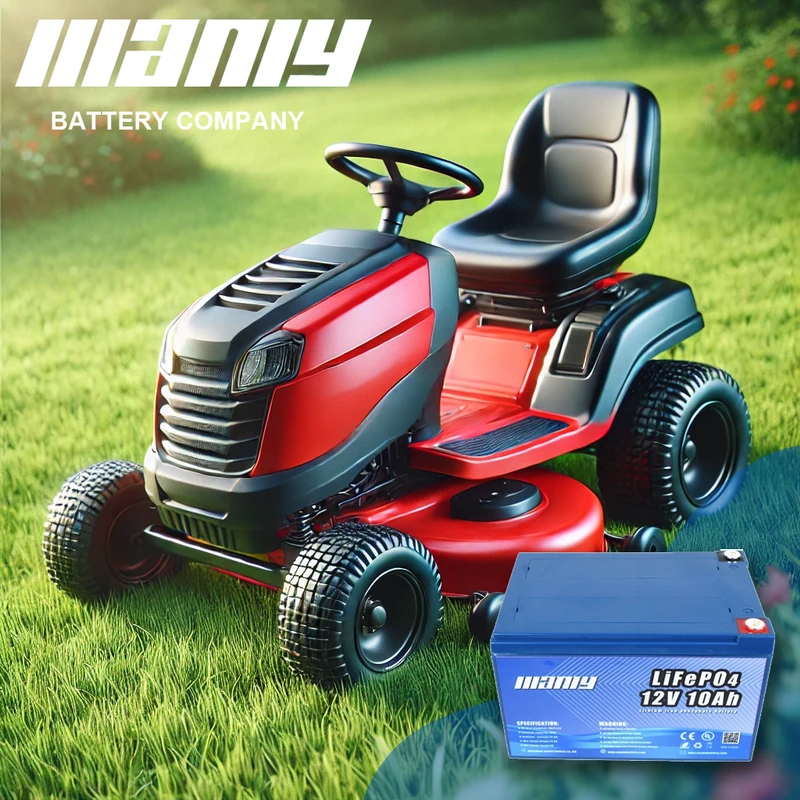
Image Source: manlybattery.com
Deciphering Amps in Lawn Mower Batteries
When we talk about “amps” in relation to a lawn mower battery, we’re usually referring to the battery’s capacity, measured in amp-hours (Ah). Amp-hours tell you how much current (measured in amperes, or amps) a battery can deliver over a specific period. A higher amp-hour rating generally means a battery can power your mower for longer.
What are Amp-Hours (Ah)?
An amp-hour (Ah) is a unit of electric charge. It represents the quantity of electricity transferred by a steady electric current of one ampere in an hour. So, a 12Ah battery, in theory, could supply 1 amp for 12 hours, or 12 amps for 1 hour, or any combination in between that multiplies to 12.
It’s important to note that this is a theoretical maximum. In real-world applications, a battery’s usable capacity is often less than its rated Ah, especially under heavy load or in cold temperatures.
The Role of Voltage
While amp-hours measure capacity, lawn mower battery voltage is the electrical potential difference. Standard lawn mower batteries are typically 12-volt systems. This voltage is crucial for the mower’s electrical components, including the starter motor, lights (if present), and any electronic controls. Higher voltage systems often deliver more power, but the Ah rating still dictates how long that power can be supplied.
Battery Capacity: The Heart of Mower Power
The lawn mower battery capacity is a key factor in determining how long your mower will run on a single charge and its overall power output. This capacity is primarily measured in amp-hours (Ah).
Factors Influencing Battery Capacity
Several factors influence a battery’s capacity:
- Battery Chemistry: Different battery chemistries (like lead-acid, lithium-ion) have different energy densities and discharge characteristics.
- Physical Size: Larger batteries generally have higher capacities.
- Discharge Rate: The faster you draw power, the less effective capacity you’ll get.
- Temperature: Extreme temperatures can reduce battery capacity.
Battery AH for Lawn Mower: What to Look For
When selecting a replacement battery or assessing your current one, the battery ah for lawn mower is a critical specification. For most push mowers and smaller riding mowers, a capacity between 12 Ah and 20 Ah is common. Larger, more powerful riding mowers and lawn tractors might require batteries with capacities of 30 Ah or even higher.
Amps in Different Types of Lawn Mowers
The amperage requirements and battery specifications vary significantly between different types of lawn mowers.
Push Mower Battery Amps
For electric push mowers, the concept of “amps” can be a bit different. Instead of a large lead-acid battery, many use smaller, rechargeable battery packs, often based on lithium-ion technology. These batteries are rated in voltage (e.g., 20V, 40V, 60V) and amp-hours (e.g., 2Ah, 4Ah, 5Ah).
- Electric Lawn Mower Battery Amps: In this context, the “amps” (or more accurately, the Ah) tell you how long the mower can run. A 4Ah battery will typically last twice as long as a 2Ah battery, assuming the power draw is the same. The voltage determines the power delivered to the motor.
Riding Mower Battery Amps
Riding mowers, including lawn tractors, require more power to start their larger engines and to operate accessories like headlights, power take-off (PTO) clutches, and sometimes power steering or lift mechanisms.
Riding Mower Battery Amps
- Riding mower battery amps: These are typically lead-acid batteries, similar to those found in cars, but often smaller. Their capacity is measured in Ah, and you’ll commonly see ratings between 18 Ah and 35 Ah.
- Lawn Tractor Battery Amps: Similar to riding mowers, lawn tractors also use lead-acid batteries. Lawn tractor battery amps will generally fall within the same range, often 20 Ah to 35 Ah, depending on the tractor’s size and features.
Key Specifications to Compare
When looking at mower battery amperage, consider these points:
| Mower Type | Typical Voltage | Typical Ah Range | Battery Type (Common) | Notes |
|---|---|---|---|---|
| Electric Push | 20V – 60V | 2Ah – 5Ah | Lithium-Ion | Focus is on run time per charge. |
| Small Riding Mower | 12V | 18Ah – 25Ah | Lead-Acid (AGM/SLA) | Needs to start engine and power basic accessories. |
| Lawn Tractor | 12V | 20Ah – 35Ah | Lead-Acid (AGM/SLA) | Handles larger engines and more accessories. |
| Garden Tractor | 12V | 25Ah – 45Ah | Lead-Acid (AGM/SLA) | High power demand for larger implements and demanding tasks. |
Cold Cranking Amps (CCA) vs. Amp-Hours (Ah)
For starting batteries, especially those in riding mowers and lawn tractors, you might also see a rating for Cold Cranking Amps (CCA). This is different from amp-hours.
What are Cold Cranking Amps (CCA)?
CCA is a rating used for lead-acid starter batteries. It measures the number of amps a battery can deliver at 0°F (-18°C) for 30 seconds while maintaining a voltage of at least 7.2 volts. A higher CCA rating means the battery is better at starting an engine in cold weather.
- Why CCA Matters for Starters: Starting a lawn mower engine, especially a larger one on a riding mower, requires a significant surge of current. CCA measures this short-duration, high-current capability.
- How it Relates to Ah: While CCA is about starting power, Ah is about sustained power delivery. A battery with a good CCA rating can start your mower, but its Ah rating will determine how long it can power accessories or how many times it can start the engine before needing a recharge.
Mower Battery Charging Amps: The Other Side of the Coin
Just as important as a battery’s output is how it’s recharged. The mower battery charging amps refers to the current that the charger delivers to the battery.
Charger Ratings
Battery chargers are rated in amps, indicating how quickly they can replenish the battery’s charge.
- Slow vs. Fast Charging: A charger with a lower amperage (e.g., 1-2 amps) will charge a lawn mower battery slowly, which is often better for the battery’s long-term health. A higher amperage charger (e.g., 5-10 amps) will recharge the battery much faster, but can potentially reduce the battery’s lifespan if not managed correctly.
- Smart Chargers: Many modern chargers are “smart” chargers. They monitor the battery’s state of charge and adjust the charging current accordingly, preventing overcharging and optimizing charging speed without damaging the battery.
Matching Charger to Battery
It’s crucial to use a charger that is appropriate for your lawn mower battery.
- Voltage Match: The charger’s voltage must match the battery’s voltage (e.g., a 12V charger for a 12V battery).
- Capacity Consideration: While a high-amperage charger can technically charge any battery faster, it’s generally recommended to use a charger with an amperage output that is about 10% of the battery’s Ah rating for optimal charging. For example, for a 20Ah battery, a 2-amp charger is a good choice for slow, healthy charging.
Maintaining Your Lawn Mower Battery
Proper maintenance is key to maximizing the lifespan and performance of your mower battery amperage.
Regular Cleaning
- Terminals: Keep the battery terminals clean and free of corrosion. Corrosion can impede electrical flow and reduce charging efficiency. You can clean them with a wire brush and a mixture of baking soda and water.
Keeping it Charged
- Prevent Deep Discharge: Avoid letting the battery discharge completely. Deep discharges can significantly shorten the life of lead-acid batteries.
- Seasonal Storage: If you store your mower for the winter, it’s best to keep the battery charged using a trickle charger or a smart charger designed for maintenance charging.
Checking Water Levels (For Non-Sealed Batteries)
- Some older style lead-acid batteries have removable caps. If yours does, check the electrolyte levels periodically and top them up with distilled water as needed. Never use tap water. Most modern lawn mower batteries are “sealed” or “maintenance-free” and do not require this.
Troubleshooting Common Battery Issues
- Mower Won’t Start: This is the most common issue. It could be a dead battery, corroded terminals, a loose connection, or a problem with the starter or charging system.
- Slow Cranking: If the engine cranks slowly, the battery might be weak or low on charge.
- Battery Doesn’t Hold a Charge: This could indicate an internal battery problem, a faulty charging system, or a parasitic drain (something drawing power when the mower is off).
Frequently Asked Questions (FAQ)
Q1: How many amps does a typical push mower battery have?
A1: For electric push mowers, battery capacity is measured in amp-hours (Ah) and voltage. Common ratings are 20V, 40V, or 60V with capacities of 2Ah, 4Ah, or 5Ah. These are typically lithium-ion batteries.
Q2: What is the average lawn mower battery amperage for a riding mower?
A2: Riding mower batteries, which are usually 12-volt lead-acid types, commonly have capacities ranging from 18 Ah to 35 Ah.
Q3: Can I use a higher amperage charger on my lawn mower battery?
A3: While technically possible, using a significantly higher amperage charger than recommended can shorten your battery’s lifespan. It’s best to use a charger matched to the battery’s Ah rating or a smart charger that adjusts the current.
Q4: What does the “Ah” on my mower battery mean?
A4: “Ah” stands for amp-hour, which is a measure of the battery’s capacity. It indicates how much current the battery can deliver over time. For example, a 20Ah battery can theoretically deliver 1 amp for 20 hours, or 20 amps for 1 hour.
Q5: How do I find the right battery specifications for my lawn mower?
A5: Check your owner’s manual for exact lawn mower battery specifications. You can also usually find the required voltage and capacity (Ah) printed directly on the old battery itself.
Q6: Do lawn mower batteries have CCA ratings?
A6: Yes, starter batteries for riding mowers and lawn tractors often have a Cold Cranking Amps (CCA) rating. This indicates the battery’s ability to start the engine in cold temperatures.
Q7: How does mower battery amperage affect mower performance?
A7: The mower battery amperage, specifically its Ah rating, primarily affects how long the mower can operate on a single charge or how many times it can start the engine. Higher Ah generally means longer run times. The voltage also plays a role in the overall power delivery.
In summary, the “amps” in a lawn mower battery, most often referring to its amp-hour capacity, is a critical specification that dictates its run time and power capability. Whether you have a battery-powered push mower or a powerful lawn tractor, understanding these lawn mower battery specifications will help you maintain your equipment and make informed purchasing decisions. Always consult your owner’s manual for the most accurate information regarding your specific mower.