
The question of how many times you should fertilize your lawn for lush growth typically ranges from two to four times per year, depending on your grass type and climate. Fertilizing your lawn is a key part of fertilizing lawn care that helps it grow strong and green. This guide will help you create an effective lawn fertilization schedule to achieve that coveted lush look.
Image Source: www.canr.msu.edu
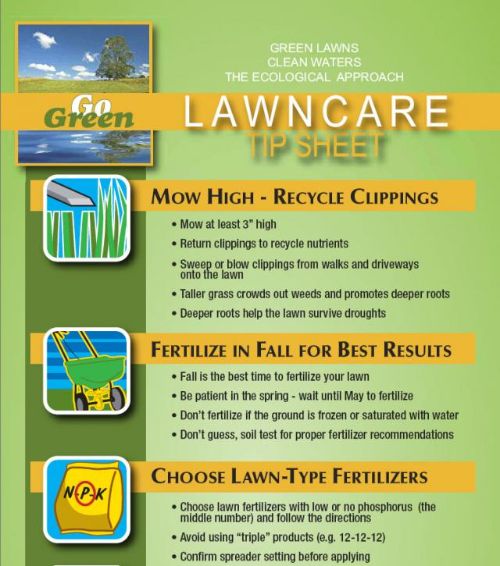
Figuring Out Your Lawn Fertilization Schedule
Getting your fertilizing lawn care right means picking the best time to fertilize lawn and knowing how often to fertilize grass. A good lawn fertilizer application makes all the difference. Let’s dive into the details of fertilizing a lawn for optimal results.
Choosing the Right Fertilizer
Before you fertilize, pick the right food for your grass. Fertilizers have three main numbers, like 10-10-10. These numbers show how much nitrogen (N), phosphorus (P), and potassium (K) the fertilizer has.
- Nitrogen (N): This helps grass grow green and strong. It’s the main ingredient for that lush look.
- Phosphorus (P): This helps roots grow deep. Healthy roots make for a healthier lawn.
- Potassium (K): This helps grass fight off diseases, weeds, and tough weather.
For most lawns, a balanced fertilizer is a good start. You might need more nitrogen if your grass looks pale.
Grass Types Matter
Knowing your grass type is crucial for optimal lawn fertilization. Different grasses have different needs and grow best at certain times of the year.
Cool-Season Grasses
These grasses thrive in cooler weather, typically in the northern parts of the United States. Examples include:
- Kentucky Bluegrass
- Perennial Ryegrass
- Fine Fescues
- Tall Fescue
Lawn fertilization schedule for cool-season grasses usually involves feeding them in the fall and spring.
- Fall Fertilization (Late August to November): This is often the most important feeding. It helps the grass store energy for winter and be ready for spring growth. Use a fertilizer with a good amount of nitrogen.
- Spring Fertilization (March to May): A light feeding in the spring can give your lawn a boost as it emerges from winter dormancy. Be careful not to overdo it, as too much nitrogen can lead to weak, disease-prone growth.
- Summer Fertilization (Optional): If you live in a region with mild summers or have a drought-tolerant grass, you might consider a light summer feeding. However, many experts advise against heavy fertilization during hot summer months as it can stress the grass.
- Late Spring/Early Summer Fertilization: For some cool-season grasses, a feeding in late spring or early summer can help it stay green and healthy through the warmer months.
Warm-Season Grasses
These grasses grow best in the heat, common in the southern United States. Examples include:
- Bermuda Grass
- Zoysia Grass
- St. Augustine Grass
- Centipede Grass
Lawn fertilization schedule for warm-season grasses focuses on their active growing season.
- Late Spring/Early Summer Fertilization (May to July): This is when warm-season grasses really start growing. A fertilizer with nitrogen is perfect here to promote good growth and color.
- Mid-Summer Fertilization (July to August): A second feeding in mid-summer helps keep the grass healthy and green.
- Late Summer/Early Fall Fertilization (September to October): Some warm-season grasses benefit from a feeding in early fall to help them prepare for dormancy. However, avoid heavy nitrogen application too late in the season, as this can encourage new growth that will be damaged by frost.
- Spring Fertilization (Optional): Once the grass has fully greened up after dormancy, a light feeding can help it get going.
When to Fertilize Lawn: Timing is Everything
Knowing when to fertilize lawn is as important as knowing how many times. The goal is to fertilize when the grass is actively growing and can use the nutrients.
- Avoid fertilizing dormant grass: If your grass is brown and not growing, it can’t use the fertilizer. It might just wash away or burn the grass.
- Don’t fertilize during extreme heat or drought: This can stress your lawn and cause damage.
- Fertilize before rain: If you can time your lawn fertilizer application before a gentle rain, the water will help the fertilizer soak into the soil. However, avoid fertilizing if heavy rain is expected, as it can wash the fertilizer away.
- Timing with Aeration: Fertilizing after core aeration can be very beneficial. The holes created by aeration allow the fertilizer to reach the root zone more effectively.
How Often to Fertilize Grass: The Frequency Factor
The frequency of fertilizing lawn depends on the type of fertilizer you use and your desired results.
- Slow-Release Fertilizers: These release nutrients over a longer period (6-8 weeks or more). You might only need to fertilize 2-3 times per year with these. They are generally safer for your lawn.
- Quick-Release Fertilizers: These provide a fast green-up but can require more frequent application (every 4-6 weeks). They also carry a higher risk of burning the lawn if not applied carefully.
For most homeowners aiming for a healthy, green lawn, two to four applications per year are usually sufficient.
The Art of Lawn Fertilizer Application
Applying fertilizer correctly is vital for fertilizing a lawn. It’s not just about spreading it; it’s about doing it evenly and at the right rate.
How Much Fertilizer for Lawn?
The amount of fertilizer to use is critical. Too little won’t help; too much can harm your lawn.
- Read the Bag: Always follow the instructions on the fertilizer bag. This will tell you how much fertilizer for lawn to apply per 1,000 square feet.
- Soil Test: For the most accurate recommendation, get a soil test. Your local cooperative extension office can help with this. A soil test tells you what nutrients your soil is lacking and the ideal amounts to apply.
- Calculate Application Rate: If the bag says apply 1 lb of nitrogen per 1,000 sq ft, and your fertilizer is a 20-0-0 (20% nitrogen), you’ll need 5 lbs of that fertilizer to get 1 lb of actual nitrogen (1 lb N / 0.20 = 5 lbs of product).
Using a Spreader for Even Distribution
A spreader is essential for an even lawn fertilizer application. There are two main types:
- Broadcast Spreaders: These cast fertilizer out in a fan pattern. They are good for larger areas.
- Drop Spreaders: These drop fertilizer directly below the spreader. They are better for smaller or irregularly shaped areas, providing more control.
Tips for using a spreader:
- Calibrate your spreader: Make sure it’s set to the correct rate as per the fertilizer bag.
- Walk at a consistent pace: This ensures an even spread.
- Overlap passes slightly: This avoids missed strips or double-applying.
- Sweep excess fertilizer off hard surfaces: Fertilizer left on driveways or sidewalks can be washed into waterways, causing pollution.
Achieving Optimal Lawn Fertilization
Optimal lawn fertilization involves more than just applying fertilizer. It’s about creating an environment where your grass can thrive.
Fertilizing Lawn Care: Beyond the Fertilizer Bag
Good fertilizing lawn care includes other practices:
- Watering: Water your lawn deeply and infrequently after fertilizing to help the nutrients soak in. Avoid watering immediately after application if the fertilizer has granules that need to dissolve.
- Mowing: Mow your grass at the proper height for its type. Taller grass shades out weeds and encourages deeper root growth.
- Weed and Pest Control: Healthy, well-fertilized grass is naturally more resistant to weeds and pests. However, if problems arise, address them promptly.
- Overseeding: For cool-season grasses, overseeding in the fall can fill in thin spots and improve density.
Common Fertilization Mistakes to Avoid
- Over-fertilizing: This can burn your lawn, damage roots, and lead to excessive thatch buildup.
- Fertilizing at the wrong time: Applying fertilizer when the grass isn’t growing means it won’t be used and can be lost to runoff.
- Uneven application: This leads to patchy growth and dark green stripes where too much fertilizer was applied.
- Ignoring soil test results: Guessing at nutrient needs can lead to imbalances.
- Fertilizing before heavy rain: This can wash away the fertilizer.
Seasonal Fertilization Guide
Here’s a breakdown of a typical lawn fertilization schedule for both cool-season and warm-season grasses.
Cool-Season Grasses (Example: Kentucky Bluegrass, Fescue)
| Season | Time of Year | Focus | Fertilizer Type Suggestion | Notes |
|---|---|---|---|---|
| Fall | Late August – November | Root development, winter survival, spring vigor | Balanced (e.g., 10-10-10) or high nitrogen (e.g., 20-5-10) slow-release | This is the most critical feeding for cool-season grasses. |
| Spring | March – May | Green-up and initial growth boost | Balanced or slightly higher nitrogen (e.g., 15-5-10) slow-release | Avoid high nitrogen if temperatures are already warm. Water well after application. |
| Late Spring | May – June | Sustained growth through early summer (optional, depending on climate) | Low to moderate nitrogen, slow-release | Use cautiously in warmer climates to avoid stressing the grass. |
Warm-Season Grasses (Example: Bermuda Grass, Zoysia Grass)
| Season | Time of Year | Focus | Fertilizer Type Suggestion | Notes |
|---|---|---|---|---|
| Late Spring | May – June | Active growth initiation, green-up | Higher nitrogen (e.g., 25-0-10) slow-release | Wait until the grass is actively growing and has fully greened up after dormancy. |
| Mid-Summer | July – August | Sustained growth, thickness, and color | Balanced or slightly higher nitrogen (e.g., 20-10-10) slow-release | Avoid fertilizing during periods of extreme heat or drought stress. |
| Early Fall | September – October | Prepare for dormancy, root development | Lower nitrogen, higher potassium (e.g., 15-5-15) slow-release | Helps grass recover from summer stress and store energy. Avoid high nitrogen late in fall. |
| Spring | April – May | Early growth spurt (optional) | Low nitrogen (e.g., 10-10-10) | Apply only after the grass has fully broken dormancy and is showing signs of active growth. |
Frequently Asked Questions (FAQ)
Q1: How many times a year should I fertilize my lawn?
A1: Generally, fertilize your lawn two to four times a year. The exact number depends on your grass type, climate, and the type of fertilizer you use.
Q2: When is the best time to fertilize my lawn?
A2: The best time to fertilize lawn depends on your grass type. For cool-season grasses, fall and spring are ideal. For warm-season grasses, late spring and summer are best. Always fertilize when the grass is actively growing.
Q3: What is the difference between slow-release and quick-release fertilizers?
A3: Slow-release fertilizers release nutrients gradually over several weeks or months, providing consistent feeding and reducing the risk of burning. Quick-release fertilizers provide a fast boost of nutrients but require more frequent application and can more easily burn the lawn if not applied correctly.
Q4: How much fertilizer should I put on my lawn?
A4: Always read the fertilizer bag for specific instructions on how much fertilizer for lawn to apply per 1,000 square feet. A soil test can also provide precise recommendations. Over-application can damage your lawn.
Q5: Can I fertilize my lawn in the summer?
A5: For cool-season grasses, fertilizing in summer can be risky due to heat stress. It’s generally best to avoid heavy fertilization during the hottest months. Warm-season grasses often benefit from mid-summer fertilization, but always follow application guidelines and consider weather conditions.
Q6: What does the N-P-K on a fertilizer bag mean?
A6: The N-P-K numbers represent the percentage by weight of Nitrogen (N), Phosphorus (P), and Potassium (K) in the fertilizer. Nitrogen promotes green growth, Phosphorus aids root development, and Potassium helps with overall plant health and stress tolerance.
By following this comprehensive guide, you’ll be well on your way to achieving a lush, healthy, and vibrant lawn. Remember that consistent care and attention to your grass’s specific needs are the keys to success in fertilizing a lawn.