
What is the secret to a beautiful, striped lawn? Achieving those mesmerizing lawn mowing stripes is simpler than you might think. It all comes down to a specific mowing direction lawn technique and a bit of know-how. This guide will walk you through every step to create professional lawn stripes that will make your neighbors green with envy. We’ll cover everything from the basic principles of striped lawn patterns to advanced tips for achieving flawless results.
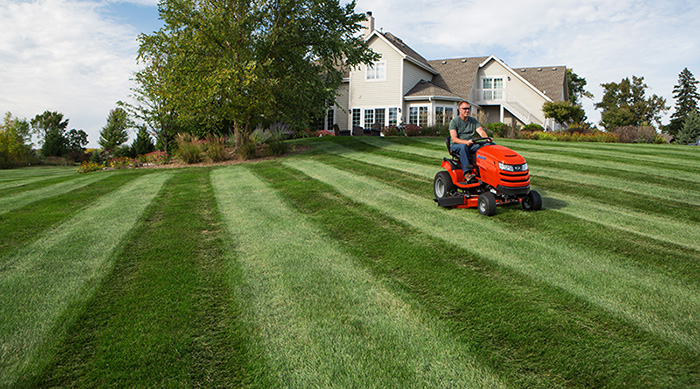
Image Source: www.simplicitymfg.com
The Science Behind Lawn Stripes
Before we dive into the “how,” let’s explore the “why.” Those captivating lawn care stripes aren’t magic; they’re a visual effect created by light reflecting differently off grass blades. When you mow, the mower’s roller (or a specialized lawn mower striping kit) bends the grass blades in a specific direction.
- Light Reflection: Grass blades bent away from your viewing angle appear darker because less light reflects directly into your eyes.
- Light Attraction: Grass blades bent towards you reflect more light, making them appear lighter.
By alternating your mowing direction, you create these contrasting bands of light and shadow, resulting in the classic striped look. This is the core of the lawn stripe technique.
Essential Tools for Striping
While you can achieve a basic stripe with any mower, certain tools can significantly enhance your results.
The Right Mower
- Reel Mowers: These mowers, often used by professionals, have a cylindrical blade that cuts grass cleanly and typically have a built-in roller. They are excellent for creating sharp stripes.
- Rotary Mowers with Rollers: Many modern rotary mowers come equipped with rollers, either integrated into the deck or as an optional add-on. These are ideal for striping.
- Walk-Behind vs. Riding Mowers: Both can create stripes. The key is the roller.
The Lawn Mower Striping Kit
For those with rotary mowers that lack an integrated roller, a lawn mower striping kit is a game-changer. These kits typically consist of a roller that attaches to the front or rear of your mower deck. They’re designed to gently bend the grass blades, creating a more pronounced stripe. Installation is usually straightforward, often involving a few bolts and clamps.
Other Helpful Tools
- String Trimmer/Edger: For clean, crisp edges around your lawn and any obstacles. This complements the stripes beautifully.
- Level: To ensure your mower deck is properly adjusted.
- Turf Paint (Optional): For temporary, vibrant stripes. This is often used for sporting events but can be a fun addition for special occasions.
Getting Started: Preparing Your Lawn
A healthy, well-maintained lawn is the foundation for great stripes.
Step 1: Mow at the Right Height
- Optimal Height: Most cool-season grasses look best and stripe well when mowed to a height of 2.5 to 3.5 inches. Warm-season grasses can often be mowed lower.
- Consistency is Key: Always mow at the same height. Mowing too short can prevent effective striping and stress the grass.
Step 2: Ensure Sharp Blades
Dull mower blades tear grass rather than cut it cleanly. This not only looks bad but also stresses the grass, making it more susceptible to disease. Sharpen your mower blades regularly, ideally at the beginning of the mowing season and again mid-season if needed.
Step 3: Water Properly
A healthy, hydrated lawn will stand up better to mowing and produce more vibrant stripes. Water deeply and infrequently, encouraging deep root growth.
Step 4: Aerate and Dethatch (As Needed)
Compacted soil or excessive thatch can prevent your mower’s roller from effectively bending the grass blades. Aerating and dethatching (typically in spring or fall) can significantly improve striping results.
How to Create Lawn Stripes: The Technique
Now for the exciting part – creating those alternating mowing patterns! The lawn stripe technique is all about consistent, controlled movements.
The Basic Method: Alternating Directions
- Start at the Edge: Begin mowing along one edge of your lawn. This provides a clean starting point and helps you establish straight lines.
- Mow in Straight Lines: Drive your mower in a perfectly straight line across the lawn. For riding mowers, aim for a fixed point in the distance. For walk-behind mowers, keep the mower parallel to the previous pass.
- Turn and Reverse: When you reach the end of your pass, do not turn your mower around. Instead, lift the deck slightly (if possible on your mower) and carefully reverse to the starting point of your next pass.
- Alter Mowing Direction: For your second pass, mow in the opposite direction of your first pass. If your first pass was north to south, your second pass should be south to north.
- Maintain Overlap: Overlap each mowing pass by a few inches. This ensures you don’t miss any spots and helps create continuous stripes.
- Repeat: Continue this pattern across your entire lawn, alternating mowing direction with each pass.
This method directly creates the striped lawn patterns by bending grass blades in opposite directions with each pass.
Advanced Tips for Professional Lawn Stripes
- The “Fan” Method: For a more elaborate starburst or fan pattern, start in the center of your lawn and work outwards in a spiral. Then, continue with alternating directions from the outer edges inward.
- Perpendicular Mowing: While alternating directions is the most common, you can also create more intricate patterns by mowing in perpendicular mowing lines. For example, stripe your lawn in one direction, then stripe it again in the perpendicular direction (e.g., east-west after north-south). This creates a checkerboard effect. Be aware that one direction will always look more pronounced than the other due to the grass blade bending.
- Curved Stripes: For a more organic look, you can create curved stripes by following gentle arcs with your mower. This requires more practice and a steady hand.
- Mowing Pattern Consistency: The key to sharp stripes is consistency. Try to maintain the same speed and turning radius for every pass.
- The “Wet Grass” Myth: While some believe mowing wet grass creates better stripes, it’s generally not recommended. Wet grass clumps, can damage your mower, and can contribute to disease spread. Dry grass is ideal.
Common Striping Mistakes and How to Fix Them
Even with the best intentions, you might encounter a few hiccups. Here’s how to address common striping issues.
Uneven or Faint Stripes
- Cause: Dull blades, incorrect mowing height, insufficient roller pressure, or uneven terrain.
- Fix: Sharpen your blades, adjust your mowing height, ensure your striping kit is properly installed and providing adequate pressure, and consider leveling any significant bumps in your lawn.
Wavy or Jagged Lines
- Cause: Turning too sharply, inconsistent speed, or turning the mower deck around instead of reversing.
- Fix: Practice smooth turns and reversing. Try to maintain a consistent speed. Ensure your mower is tracking straight.
Stripes Only Appearing on One Side
- Cause: Uneven tire pressure (on riding mowers), or a deck that isn’t level.
- Fix: Check and equalize tire pressure. Ensure your mower deck is level side-to-side and front-to-back.
Stripes Don’t Last Long
- Cause: Grass blades are too short or not bending enough.
- Fix: Mow at a slightly higher height. Ensure your roller is making good contact and bending the grass effectively.
Striped Lawn Patterns: Beyond the Basics
Once you’ve mastered the basic alternating stripes, you can explore more creative striped lawn patterns.
Checkerboard Pattern
This is achieved by mowing in one direction (e.g., north-south) across the entire lawn, then mowing the entire lawn again in the perpendicular direction (east-west). You’ll notice that one set of stripes will appear more prominent than the other, depending on how the grass is bent.
Diagonal Stripes
Mow at a 45-degree angle to the edges of your lawn. You can then alternate directions to create diagonal stripes. This can be more challenging to keep perfectly straight.
Concentric Circles or Fans
This is a more advanced technique that involves starting in the center of a circular or oval lawn and mowing outwards in a spiral, or starting at the edges and mowing inwards. It requires precise steering and consistent mower speed.
The Impact of Grass Type
The type of grass you have can influence how well it stripes.
| Grass Type | Striping Potential | Notes |
|---|---|---|
| Kentucky Bluegrass | Excellent | Has upright growth and responds well to bending. |
| Perennial Ryegrass | Very Good | Similar to bluegrass, provides good stripe definition. |
| Fine Fescues | Good | Can stripe well, especially when mowed at a suitable height. |
| Tall Fescue | Moderate | Tends to have coarser blades that can be harder to bend evenly. |
| Zoysia Grass | Good | Can create nice stripes, especially when fully established. |
| Bermuda Grass | Good | Can stripe well, particularly when mowed low and tightly managed. |
| St. Augustine | Fair | Thicker, coarser blades make consistent striping more challenging. |
| Centipede Grass | Fair | Similar to St. Augustine, can be more difficult to achieve sharp stripes. |
Mowing Frequency and Striping
The frequency with which you mow directly impacts the sharpness and longevity of your stripes.
- Regular Mowing: Mowing at least once a week is crucial. This ensures the grass is at the optimal height for bending and that you’re regularly “setting” the stripes.
- “Once and Done” vs. “Twice and Done”: Some enthusiasts advocate for mowing in one direction, then immediately mowing back over the same strip in the opposite direction. This “double pass” can enhance stripe definition, especially on certain grass types. However, it takes more time and can put extra stress on the mower and grass. Experiment to see if it works for your lawn.
Maintaining Your Striped Lawn
Achieving stripes is one thing; keeping them is another.
- Consistent Mowing Schedule: Stick to a regular mowing schedule.
- Edge Maintenance: Keep your lawn edges clean and sharp. This frames your stripes beautifully.
- Fertilization and Watering: A healthy lawn with proper nutrition and hydration will have more upright, responsive grass blades, leading to better stripes.
- Avoid Mowing in Circles: Unless you’re aiming for a specific pattern, avoid mowing in random circles or figure-eights, as this disrupts the directional bending of the grass.
When to Mow for the Best Stripes
- Dry Conditions: Always mow when the grass is dry. This prevents clumping and disease.
- Mid-Morning: Mowing after the morning dew has evaporated but before the heat of the day is often ideal.
- Seasonal Considerations: While you can stripe year-round (weather permitting), the stripes are often most pronounced during periods of active grass growth.
Frequently Asked Questions About Lawn Striping
Q1: Can I create stripes without a roller?
A1: It’s very difficult to achieve noticeable stripes without a roller or a specialized striping kit. The roller is essential for bending the grass blades. You might get a very subtle effect with a very sharp blade on certain grass types, but it won’t be the distinct contrast you see with a roller.
Q2: What is the best grass type for striping?
A2: Cool-season grasses like Kentucky Bluegrass and Perennial Ryegrass generally offer the best striping potential due to their upright growth habit and ability to bend. However, many other grass types can still produce attractive stripes with the right technique and equipment.
Q3: How often should I mow to maintain stripes?
A3: For the best results, mow your lawn at least once a week. This ensures consistent grass height and allows you to “refresh” the stripes regularly.
Q4: Will mowing wet grass make stripes darker?
A4: No, mowing wet grass is not recommended. It can lead to clumping, uneven cuts, spread disease, and can damage your mower. Dry grass is always best for mowing and striping.
Q5: Do I need a special mower for stripes?
A5: Not necessarily. Many standard rotary mowers can achieve excellent stripes if they have a rear roller or if you add a lawn mower striping kit. Reel mowers naturally produce great stripes due to their integrated rollers.
Q6: How do I get my stripes to be really sharp?
A6: Sharpness comes from a combination of factors: a perfectly level mower deck, sharp blades, a good quality roller (or striping kit) that bends the grass firmly, consistent mowing speed, and straight mowing lines with proper overlap. Some people also find a second pass in the opposite direction immediately after the first enhances sharpness.
Q7: Can I stripe my lawn with a riding mower?
A7: Absolutely! Riding mowers are excellent for striping, especially for larger lawns. Ensure your mower has a rear roller, or consider a lawn mower striping kit designed for your model.
Q8: What is the “perpendicular mowing” technique?
A8: Perpendicular mowing refers to mowing in a direction that is at a 90-degree angle to your previous pass. For example, if you mowed north-to-south, you would then mow east-to-west. This creates different visual effects and can be combined with alternating patterns for more complex designs.
By following these guidelines, you can transform your lawn from ordinary to extraordinary, creating those beautiful lawn mowing stripes that showcase your dedication to lawn care stripes and deliver professional lawn stripes right in your own backyard. Happy mowing!