
Renting a lawn aerator can be a game-changer for your grass. The lawn aerator rental cost typically ranges from $60 to $150 per day, with weekend or multi-day rentals often offering slight discounts. This guide will break down the factors influencing these costs and help you budget for this essential lawn care task.
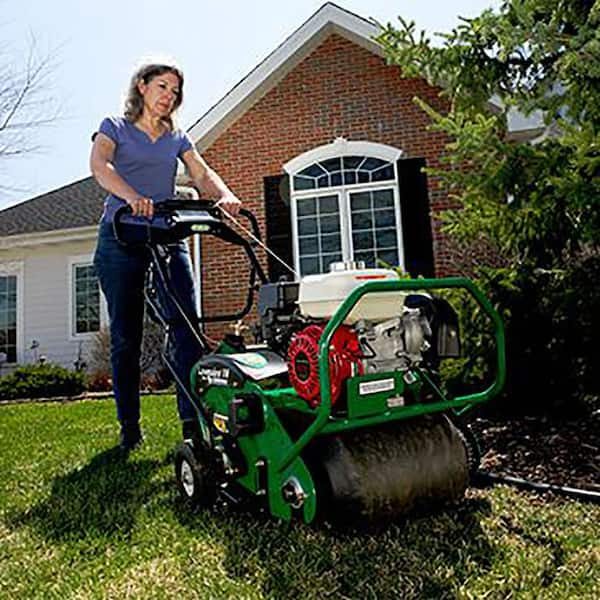
Image Source: images.thdstatic.com
Why Aerate Your Lawn?
Before diving into the costs, let’s briefly touch on why aeration is so important. Over time, soil can become compacted, especially in high-traffic areas. This compaction makes it hard for water, air, and nutrients to reach your grass’s roots. Aeration involves creating small holes in the soil, allowing these vital elements to penetrate. This leads to healthier, greener, and more resilient turf. It’s a crucial step in combating thatch buildup and improving overall lawn health, making it a worthwhile investment.
Factors Affecting Lawn Aerator Rental Costs
Several elements play a role in the final price you’ll pay to rent an aerator. Knowing these can help you find the best deal and prepare for the expense.
Type of Aerator
There are different kinds of aerators available for rent, and their complexity and power directly impact the rental price.
Core Aerators vs. Spike Aerators
- Core Aerators: These are the most effective and, therefore, often the most expensive to rent. They work by physically pulling out small plugs of soil. This method provides excellent soil penetration and is ideal for heavily compacted lawns. The core aerator rental price usually falls in the higher end of the spectrum due to their robust construction and effectiveness.
- Spike Aerators: These machines push spikes into the ground to create holes. They are generally less expensive to rent but are less effective than core aerators, especially in very hard soil. They can sometimes just compact the soil further if the spikes don’t penetrate deeply enough.
Powered vs. Manual Aerators
- Powered Aerators: These are self-powered machines, either walk-behind or tow-behind models. They require less physical effort and are designed for larger areas. The power aerator rental cost will be higher than manual versions due to their engine and mechanical complexity.
- Manual Aerators: These are essentially heavy tools you push or step on. They are only suitable for very small lawns and are rarely the type of aerator you’d rent from a typical equipment rental store.
Self-Propelled vs. Push Aerators
- Self-Propelled Aerators: These machines have a drive system that moves them forward, significantly reducing the user’s effort. They are more common for larger lawn areas. Expect the self-propelled aerator rental cost to be higher than standard walk-behind models.
- Push Aerators: These require the user to push the machine manually. They are generally less powerful and less expensive to rent, suitable for smaller yards.
Rental Duration
The length of time you need the aerator will directly influence the total cost.
- Daily Rental: This is the most common option and provides a 24-hour period. The average cost lawn aerator rental per day is what most people base their initial budget on.
- Weekend Rental: Many rental companies offer weekend packages, which might be a set price for Saturday and Sunday or a slight discount compared to renting for two separate days.
- Multi-Day Rental: If you have a very large property or a particularly challenging lawn, you might need the aerator for longer. Companies may offer discounts for longer rental periods, but always clarify their pricing structure.
Size and Weight of the Aerator
Larger, heavier-duty aerators, especially those designed for commercial use or very large properties, will naturally command higher rental fees. These machines often have more powerful engines and more robust construction, contributing to their higher aerator machine rental cost.
Brand and Model
As with any equipment, different brands and specific models can have varying rental prices. Well-known, reputable brands might be slightly more expensive, but they often offer better performance and reliability.
Location of Rental Company
Rental rates can fluctuate based on geographic location and the local demand for lawn care equipment. Rental companies in areas with a high concentration of homeowners and active gardening seasons might have higher prices.
Additional Fees and Services
Be aware of potential add-ons that can increase the overall cost:
- Delivery and Pickup: If you can’t transport the aerator yourself, you’ll likely pay a delivery and pickup fee. This fee can vary significantly depending on the distance.
- Fuel: Most rental companies expect you to return the equipment with a full tank of fuel. Some may offer to fuel it for you for an extra charge.
- Damage Waiver: Many companies offer an optional damage waiver. For a small daily fee, this can protect you from paying for accidental damage to the equipment.
- Taxes: Don’t forget to factor in local sales tax, which will be added to the rental price.
Common Lawn Aerator Rental Prices
Let’s look at some typical price ranges you can expect when renting different types of aerators. These are approximate figures and can vary widely.
Daily Rental Rates
- Light-Duty/Walk-Behind Aerator: $60 – $90 per day
- Core Aerator (Walk-Behind): $75 – $120 per day
- Self-Propelled Aerator: $90 – $140 per day
- Tow-Behind Aerator: $80 – $130 per day
- Dethatcher/Aerator Combo Units: $85 – $150 per day (the dethatcher aerator rental price can be higher as it combines two functions)
Weekend Rental Rates
Weekend rates are often structured as a “2-day” rental or a special package.
- Light-Duty/Walk-Behind Aerator: $100 – $150 for a weekend
- Core Aerator (Walk-Behind): $120 – $190 for a weekend
- Self-Propelled Aerator: $140 – $220 for a weekend
- Tow-Behind Aerator: $130 – $200 for a weekend
Other Rental Options
- 4-Hour Rental: Some places might offer shorter rental periods, often around $40-$70 for a few hours, though this is less common for larger, powered units.
- Weekly Rental: For extensive projects, a weekly rate might be available, often costing between $200-$400, depending on the machine.
It’s important to note that the backyard aerator rental fee can sometimes be lower for smaller, less powerful models suitable for residential use.
Where to Rent a Lawn Aerator
Several types of businesses offer lawn aerator rentals.
Equipment Rental Stores
These are your most common and reliable sources for renting lawn aerators. Examples include:
- Home Depot Rental
- Lowe’s Rental
- United Rentals
- Sunbelt Rentals
- Local independent rental shops
These stores typically have a wide selection of walk-behind, self-propelled, and tow-behind aerators, as well as core aerators.
Garden Centers and Nurseries
Some larger garden centers or nurseries might also offer equipment rentals, especially during peak gardening seasons. Their selection might be more limited to smaller, homeowner-focused models.
Farm and Garden Supply Stores
Similar to garden centers, these stores may have rental options for lawn maintenance equipment.
Tips for Renting an Aerator
To ensure you get the best value and a smooth rental experience, follow these tips:
1. Know Your Lawn’s Needs
- Size: For small lawns (under 1,000 sq ft), a manual or light walk-behind aerator might suffice. For larger yards, a powered walk-behind or a self-propelled aerator is recommended.
- Soil Type and Compaction Level: If your soil is very compacted or you have clay soil, a core aerator is your best bet for effective results. If your lawn has minimal compaction, a spike aerator might be sufficient.
- Terrain: If your lawn has hills or is difficult to navigate, consider a self-propelled or tow-behind aerator.
2. Call Ahead and Reserve
Aerators are in high demand during peak seasons (spring and fall). Calling ahead to check availability and reserve a machine is crucial to avoid disappointment. This also gives you an opportunity to ask about specific models and their rental rates.
3. Inspect the Equipment Before You Leave
Thoroughly check the aerator for any existing damage before you sign the rental agreement. Note any issues like loose parts, worn tires, or visible dents. Ensure the engine starts easily and runs smoothly if it’s a powered unit.
4. Understand the Rental Agreement
Read the rental contract carefully. Pay attention to:
- Rental period and late fees.
- Fuel policy.
- Insurance or damage waiver.
- Mileage charges if delivery is included.
- Maintenance responsibilities during the rental period.
5. Transport Safely
Most walk-behind aerators are heavy and bulky. Ensure you have a vehicle capable of transporting it safely, such as a pickup truck or a trailer. If you don’t, factor in the cost of delivery from the rental company.
6. Ask for Operating Instructions
If you’re new to using an aerator, don’t hesitate to ask the rental staff for a demonstration or operating instructions. They can provide valuable tips on proper usage, safety precautions, and maintenance.
7. Plan Your Aeration Timing
The best time to aerate is when your grass is actively growing. For cool-season grasses (like fescue, bluegrass, rye), this is typically in the fall. For warm-season grasses (like Bermuda, Zoysia, St. Augustine), early summer is ideal. Aerating at the wrong time can stress your lawn.
Cost Comparison: Renting vs. Buying an Aerator
While renting is often the most cost-effective solution for most homeowners, it’s worth considering when buying might make more sense.
When Renting is Better:
- Infrequent Use: If you only need to aerate your lawn once a year or every couple of years.
- Budget Constraints: The upfront cost of purchasing an aerator can be substantial. Renting allows you to spread out the cost.
- Space Limitations: Storing a large piece of lawn equipment can be an issue for those with limited garage or shed space.
- Trying Before Buying: Renting allows you to test different types of aerators to see what works best for your lawn before committing to a purchase.
When Buying Might Be Better:
- Very Large Property: If you have a very large property that requires frequent aeration, buying might be more economical in the long run.
- Frequent Lawn Care Needs: If you’re a serious lawn enthusiast who performs many types of lawn maintenance, investing in your own equipment can be beneficial.
- Convenience: Having your own aerator means you can use it whenever you feel the need, without the hassle of rental arrangements.
Purchase Prices for Aerators:
- Manual Spike Aerator: $50 – $150
- Good Quality Walk-Behind Core Aerator: $500 – $1,000+
- Self-Propelled Aerator: $1,000 – $2,500+
- Tow-Behind Aerator: $300 – $800+
Comparing the lawn aerator rental cost of $60-$150 per day to purchase prices clearly shows that renting is the more economical choice for occasional use. For instance, renting a core aerator 10 times a year would cost between $750 and $1,200, which is within the range of purchasing a decent walk-behind model. However, if you only need it once a year, renting is significantly cheaper.
Frequently Asked Questions About Lawn Aerator Rentals
Here are some common questions people have when looking to rent an aerator:
Q1: How long does it take to aerate a lawn?
A1: The time it takes depends on the size of your lawn and the type of aerator you use. For a typical suburban yard (around 5,000 sq ft), a walk-behind aerator might take 2-4 hours. A self-propelled or tow-behind unit could reduce this time.
Q2: Can I aerate my lawn when it’s wet?
A2: It’s best to aerate when the soil is moist but not saturated. Slightly damp soil allows the aerator to penetrate effectively without causing excessive mud or compaction. Avoid aerating during or immediately after heavy rain.
Q3: What is the difference between dethatching and aerating?
A3: Dethatching removes the layer of dead grass and organic matter (thatch) that can build up on your lawn. Aerating creates holes in the soil to improve air, water, and nutrient penetration. While separate processes, some machines offer both functions, often referred to as dethatcher aerator rental price if you rent such a combo unit.
Q4: What’s the difference between a spike aerator and a core aerator?
A4: Spike aerators push spikes into the ground, creating narrow holes. Core aerators pull out plugs of soil, leaving small holes. Core aerators are generally more effective for compacted soil. The core aerator rental price is often higher than for spike aerators.
Q5: Do I need a special trailer to transport an aerator?
A5: Most walk-behind aerators are heavy and may require a trailer or a pickup truck with a ramp. Some rental companies offer trailers for rent. Always check the weight and dimensions of the aerator and ensure your vehicle is suitable.
Q6: What is the typical fuel type for rented aerators?
A6: Most powered aerators use regular unleaded gasoline. Check with the rental company for specific fuel requirements.
Q7: How often should I aerate my lawn?
A7: The frequency depends on your lawn’s condition and usage. Generally, aerating once a year is recommended for most lawns. Heavily used or compacted lawns might benefit from aeration twice a year (spring and fall for cool-season grasses, or early summer and early fall for warm-season grasses).
Q8: Can I rent an aerator for just a few hours?
A8: While some places might offer half-day rentals, it’s less common for larger equipment. Most rental periods start at a full day (24 hours). If you can complete your task quickly, you’ll still pay the daily rate.
Q9: What are the cheapest aerator rental rates?
A9: The cheapest lawn aerator rental cost will typically be for manual spike aerators or the smallest, least powerful walk-behind models. However, consider if these will be effective for your specific lawn needs.
Q10: Are there discounts for renting an aerator for multiple days?
A10: Some rental companies offer slight discounts for weekend packages or longer rental periods. It’s always worth asking about multi-day rates when you book. The aerator machine rental cost might be reduced with extended rental periods.
Conclusion
Renting a lawn aerator is a practical and effective way to improve your lawn’s health. By understanding the various factors influencing the lawn aerator rental cost, from the type of machine to the rental duration and location, you can make an informed decision. While the average cost lawn aerator rental can range from $60 to $150 per day, careful planning and comparison shopping can help you find the best value for your lawn care needs. Whether you opt for a core aerator, a self-propelled model, or even a combo unit like a dethatcher-aerator, the investment in aeration will pay dividends in a lusher, greener, and more vibrant lawn.