
When you’re watering newly seeded lawn, the goal is to keep the top inch of soil consistently moist, but not waterlogged, until the grass seedlings are well-established. How often to water new lawn depends heavily on the weather and soil type, but generally, it means frequent, light sprinklings.
Starting a new lawn from seed is an exciting project, filled with the promise of lush green turf. However, the journey from tiny seed to a thriving lawn is a delicate one, and improper watering can quickly derail your efforts. This comprehensive guide will walk you through everything you need to know about watering newly seeded lawn to ensure successful germination and healthy growth. We’ll cover the critical factors, the best practices, and common mistakes to avoid.
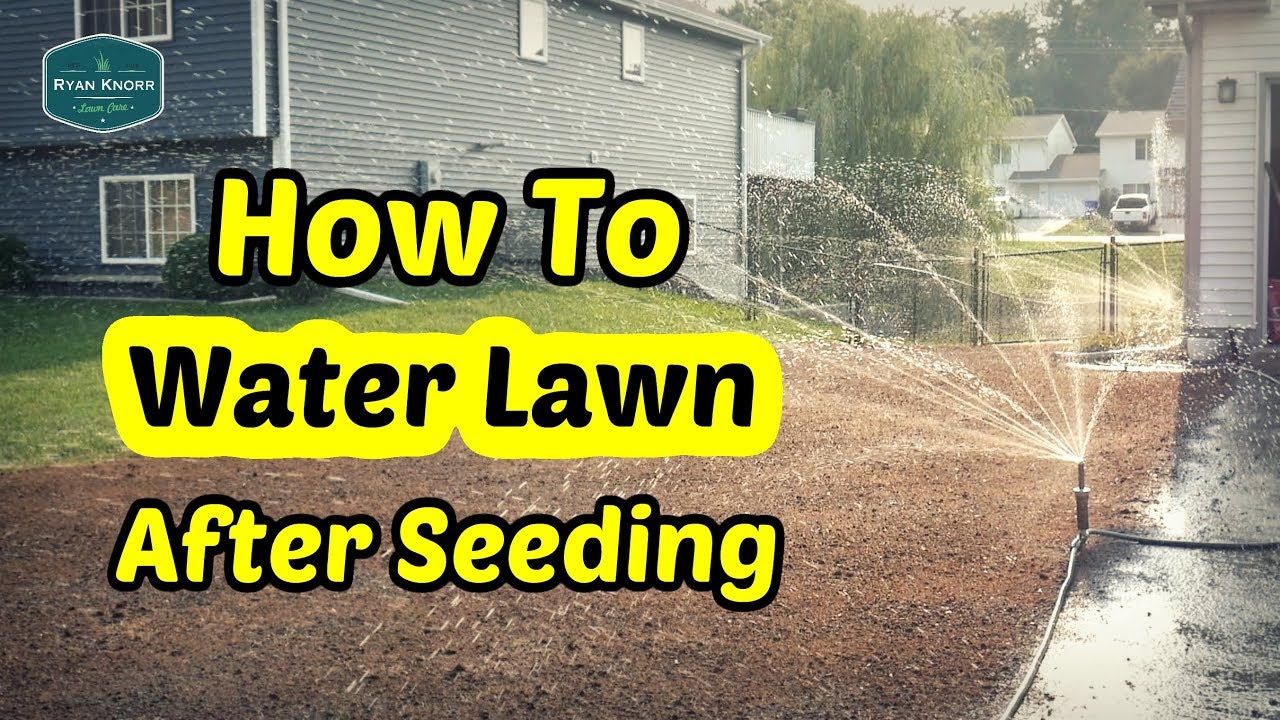
Image Source: i.ytimg.com
The Critical Role of Moisture for Seeds
Seeds are dormant life waiting for the right conditions to awaken. For grass seed, the most crucial element for germination is consistent moisture. Germination watering is about providing that perfect, damp environment without drowning the delicate new sprouts.
Why is consistent moisture so vital?
- Activation: Water activates the enzymes within the seed that trigger the germination process.
- Swelling: Seeds absorb water, causing them to swell and break open their protective coat.
- Root Growth: Once the seed coat splits, a tiny root emerges, anchoring the seedling and seeking more moisture.
- Preventing Desiccation: Young seedlings have shallow root systems and can dry out very quickly, especially in warm or windy weather.
Failing to maintain adequate moisture means seeds will not sprout, or if they do sprout, they may wither and die before they can establish a strong root system.
Factors Influencing Watering Needs
There’s no single “magic number” for how much to water. Several variables play a significant role in determining the optimal watering schedule for seed.
Weather Conditions
- Temperature: Warmer temperatures increase evaporation rates, meaning you’ll need to water more frequently. Hot, dry spells are the biggest enemy of new seed.
- Wind: Wind also accelerates drying of the soil surface. Windy days require more vigilance and potentially more frequent watering.
- Sunlight: Direct, intense sunlight can dry out the top layer of soil very quickly. Areas that receive full sun will need more attention than shaded spots.
- Rainfall: Natural rainfall can supplement your watering, but you still need to monitor soil moisture, as light showers may not penetrate deep enough.
Soil Type
- Sandy Soils: These soils drain quickly. They hold less moisture, so you’ll need to water more often, but for shorter durations to avoid excessive runoff.
- Clay Soils: Clay soils retain moisture longer. They can become waterlogged if overwatered, which can suffocate developing roots. Water less frequently but ensure it penetrates adequately.
- Loamy Soils: Loam is generally ideal, offering a good balance of drainage and moisture retention.
Seed Type
Different grass species have slightly different germination requirements. While the general principles remain the same, some cool-season grasses might be a bit more forgiving in cooler, moist conditions, while warm-season grasses thrive in heat. Always check the specific recommendations for the seed blend you’ve chosen.
The Art of Seedling Irrigation: Light vs. Deep Watering
When it comes to watering newly seeded lawn, you’ll often hear about the balance between light and deep watering. For new seed, the initial phase is all about light watering new seed.
Early Stages: The Importance of Light, Frequent Watering
Immediately after seeding, your primary goal is to ensure the seeds themselves and the soil surface directly around them remain consistently moist. This is where light watering new seed is crucial.
- Frequency: You might need to water several times a day, especially in the first 1-3 weeks, or until the grass begins to establish and you can see distinct seedlings.
- Duration: Each watering session should be short, just enough to moisten the top layer of soil (about ¼ to ½ inch deep). You don’t want puddles or standing water.
- Technique: Use a sprinkler with a fine mist setting or a gentle spray. Avoid high-pressure sprinklers that can dislodge seeds or create muddy patches.
Think of it as misting the seeds to keep them hydrated. The goal is to create a consistently damp environment, like a well-wrung sponge.
Transitioning to Deeper Watering
As your grass begins to sprout and grow a little taller, you can start to gradually transition your watering strategy. The aim is to encourage those fragile roots to grow deeper into the soil, seeking moisture. This is when deep watering new grass becomes important.
- Frequency: As seedlings become visible and start to fill in, you can begin to reduce the frequency of watering, but increase the duration of each session. Instead of multiple light sprinklings a day, you might water once a day or every other day.
- Duration: Each watering should be long enough to moisten the soil to a depth of 2-3 inches. This encourages roots to grow downwards.
- Observation: The key is to observe the soil. If the top inch feels dry, it’s time to water. If you’ve watered deeply, wait until the top 1-2 inches begin to dry before watering again.
This transition helps build a more resilient lawn that can better withstand dry periods.
Establishing the Best Watering Schedule for Seed
Creating a best watering schedule for seed involves a phased approach, adapting as your new lawn grows.
Phase 1: Pre-Germination (Immediately After Seeding)
- Objective: Keep the seed and the top 1/2 inch of soil constantly moist.
- How Often: 2-3 times per day, or more if conditions are very hot, dry, or windy.
- How Long: Short durations, just enough to moisten the surface (e.g., 5-10 minutes per watering session, depending on your sprinkler).
- Key Action: Mist lightly. Avoid soaking the soil. Ensure the entire seeded area receives even coverage.
Phase 2: Germination and Early Sprout (First 1-3 Weeks)
- Objective: Maintain consistent moisture for germination and the initial growth of seedlings.
- How Often: As needed to keep the top 1 inch of soil moist. This might still be 1-2 times per day in hot weather, or once a day in milder conditions.
- How Long: Short to moderate durations (e.g., 10-15 minutes per session).
- Key Action: Continue light, frequent watering. You should be able to see tiny green shoots emerging.
Phase 3: Seedling Establishment (Weeks 3-6, and beyond)
- Objective: Encourage root development by watering less frequently but more deeply.
- How Often: Once every 1-3 days, depending on weather and soil. Aim for the top 2-3 inches of soil to be moist.
- How Long: Longer durations to achieve that depth (e.g., 20-30 minutes, or until you see water starting to run off, then stop).
- Key Action: Begin transitioning to deeper watering. The grass should be at least an inch tall and have a visible green color.
Phase 4: Maturing Lawn (Beyond 6 Weeks)
- Objective: Maintain a healthy lawn with established root systems.
- How Often: Typically 1-2 times per week, providing about 1 inch of water per week in total, depending on rainfall.
- How Long: Water deeply for longer periods to encourage deep root growth.
- Key Action: Water deeply and less often. Let the soil surface dry slightly between waterings.
Maintaining Moisture for Seeds: Practical Tips
- Use a Soaker Hose or Sprinkler with Fine Mist: These are ideal for seedling irrigation. They provide gentle, even moisture without disturbing the seeds or creating puddles.
- Check Soil Moisture Regularly: Don’t just guess. Stick your finger into the soil. If it feels dry an inch down, it’s time to water. You can also use a soil moisture meter.
- Water in the Early Morning: This is the best watering schedule for seed for several reasons. It allows the water to soak in before the heat of the day causes rapid evaporation. It also minimizes the risk of fungal diseases that can thrive in prolonged dampness overnight.
- Avoid Overwatering: This is a common mistake. Waterlogged soil deprives roots of oxygen, leading to rot and disease. It can also wash away seeds or fertilizer.
- Watering Duration for Seeding: As a general rule, aim for a watering duration for seeding that wets the top 1/2 inch of soil in the early stages. As the grass grows, this duration will increase to reach 2-3 inches.
Common Watering Mistakes to Avoid
Even with the best intentions, some watering pitfalls can hinder your new lawn’s progress.
1. Infrequent, Deep Watering from the Start
While deep watering is essential for established lawns, it’s counterproductive in the early stages of watering newly seeded lawn. The seeds themselves, and the initial shallow roots of seedlings, cannot access moisture that is several inches down. This leads to dry seeds and dying sprouts.
2. Watering Only When the Surface Looks Dry
The surface drying quickly doesn’t mean the moisture isn’t there beneath. For new seeds, you need to actively maintain that moist environment. Waiting until the surface appears dry can mean the seeds have already begun to dehydrate.
3. High-Pressure Sprinklers
Powerful sprinklers can blast seeds out of the soil, create bare patches, and form muddy trenches. Always opt for gentle, even coverage.
4. Watering Late in the Evening
Leaving the grass wet overnight creates an ideal environment for fungal diseases. Fungi love prolonged moisture and darkness. Early morning watering allows foliage to dry before nightfall.
5. Inconsistent Coverage
Uneven watering means some areas may dry out while others remain too wet. This leads to patchy germination and uneven growth. Pay attention to your sprinkler’s pattern and adjust as needed.
What If It Rains?
Natural rainfall is a blessing for new lawns. However, you still need to monitor soil moisture. A light shower might only dampen the surface. If the soil still feels dry an inch down, you’ll need to supplement with watering. If the rain is a good soaking rain (around 1 inch), you can likely skip watering for a day or two.
Special Considerations for Different Climates
- Hot & Dry Climates: You’ll likely need to water multiple times a day in the initial germination phase. Consider using a shade cloth if temperatures are extreme, especially during the hottest part of the day, to reduce stress on seedlings.
- Cool & Wet Climates: Be cautious of overwatering, which can lead to damping-off disease (a fungal issue that kills young seedlings). Ensure good drainage, and water only when the top inch of soil starts to feel dry.
Troubleshooting Common New Lawn Watering Issues
| Issue | Cause | Solution |
|---|---|---|
| No Germination/Patchy Germination | Insufficient or inconsistent watering; seeds dried out. | Increase watering frequency, ensuring constant moisture in the top ½ inch of soil. Check for even sprinkler coverage. |
| Seedlings Wilting/Dying | Soil dried out too quickly; roots couldn’t establish. | Water more frequently, even if it means light sprinklings. Transition to slightly longer watering sessions once seedlings are visible to encourage deeper roots. |
| Yellowing Seedlings | Overwatering leading to root rot or nutrient deficiency. | Reduce watering frequency. Ensure good drainage. If overwatering is ruled out, consider a very light application of starter fertilizer specifically for new lawns. |
| Fungal Growth/Spots | Prolonged moisture, especially overnight; poor air circulation. | Water only in the early morning. Ensure good airflow if possible (e.g., avoid over-seeding too densely). Remove any affected areas. |
| Soil Erosion/Washing | High-pressure sprinklers or overwatering causing runoff. | Use sprinklers with a fine mist setting. Water more frequently for shorter durations to avoid water pooling and running off. |
Frequently Asked Questions (FAQ)
Q1: How much water should I give my new lawn each day?
A1: In the first 1-3 weeks, the goal is to keep the top ½ inch of soil consistently moist. This often means watering lightly 2-3 times a day, or even more if it’s hot and dry. The exact amount depends on your sprinkler’s output and weather conditions.
Q2: Can I water my new lawn too much?
A2: Yes, you absolutely can water a new lawn too much. Overwatering can lead to fungal diseases, suffocate young roots by depriving them of oxygen, and wash away seeds or nutrients. Aim for consistently moist soil, not saturated or waterlogged soil.
Q3: When can I stop watering so frequently?
A3: You can start to reduce the frequency and increase the duration of watering once your grass seedlings are well-established and at least an inch tall. This typically occurs after about 2-3 weeks.
Q4: Should I water my new lawn after applying starter fertilizer?
A4: Yes, it’s generally recommended to water after applying starter fertilizer. This helps the fertilizer dissolve and move into the soil where the developing roots can access it. Water lightly to moisten the soil.
Q5: What’s the best time of day to water my new lawn?
A5: The best time is early morning. This allows the water to soak into the soil before the day’s heat causes evaporation, and it allows the grass blades to dry before nightfall, reducing the risk of fungal diseases.
Q6: How do I know if I’m watering enough?
A6: The best way is to check the soil moisture. Stick your finger into the ground about an inch deep. If it feels dry, it’s time to water. If it feels moist, you might be able to wait a bit longer. You should see tiny green shoots if germination is occurring.
Q7: Can I walk on my new lawn?
A7: It’s best to avoid walking on a newly seeded lawn as much as possible, especially before the grass is established. Foot traffic can compact the soil and damage the delicate seedlings.
Conclusion
Watering newly seeded lawn is a critical process that requires attention to detail and a flexible approach. By focusing on consistent moisture, using the right techniques, and adapting to changing conditions, you can create the ideal environment for your seeds to germinate and grow into a healthy, vibrant lawn. Remember, patience and observation are your best tools. Happy seeding!