
Can you get rid of clover from your lawn? Yes, you absolutely can! Dealing with clover in your lawn is a common challenge for many homeowners. While clover might seem harmless, its aggressive growth and tendency to crowd out desirable turfgrass can be frustrating. This guide will walk you through the most effective methods for clover removal, from simple manual techniques to targeted chemical treatments. We’ll cover everything you need to know about lawn care for clover and provide you with the best strategies to achieve a lush, clover-free lawn.
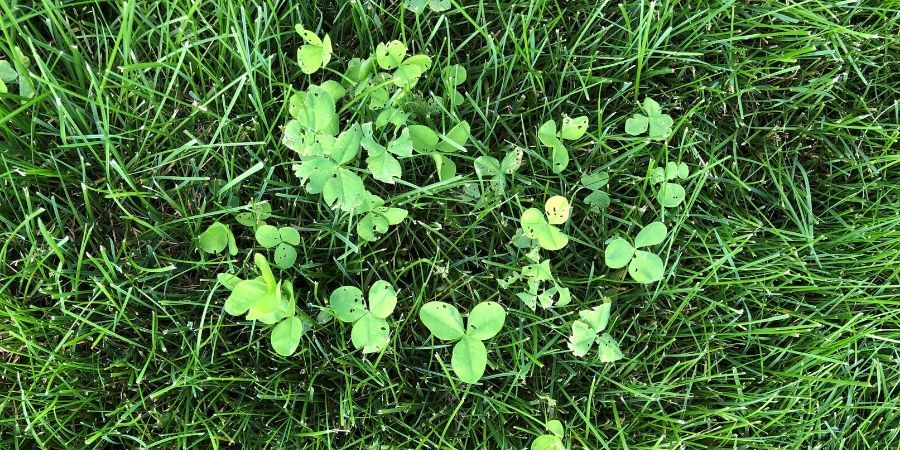
Image Source: www.milorganite.com
Why Does Clover Grow in My Lawn?
Before we dive into clover removal, it’s helpful to understand why clover, particularly white clover (Trifolium repens), thrives in certain lawn conditions. Clover is a nitrogen-fixing plant. This means it has a unique ability to pull nitrogen from the air and convert it into a form that plants can use. This often happens when your lawn is lacking in available nitrogen.
Several factors contribute to its success:
- Low Nitrogen Levels: As mentioned, lawns that aren’t fertilized regularly or have poor soil fertility are prime real estate for clover.
- Compacted Soil: Clover’s shallow root system can easily penetrate compacted soil, while deeper-rooted turfgrasses struggle.
- Drought Conditions: Clover is more drought-tolerant than many common turfgrasses. When your lawn is stressed by dry spells, clover can often hold its own while other grasses suffer.
- Mowing Too Short: Mowing your lawn too low can scalp the grass, creating open areas where clover seeds can easily germinate and establish.
- Poor Drainage: While not always the case, some clover varieties can tolerate areas with less-than-ideal drainage.
- Established Seeds: Clover seeds are tiny and can remain dormant in the soil for years, waiting for the right conditions to sprout.
Identifying Clover in Your Lawn
White clover is the most common culprit, easily recognizable by its three-leaflet leaves, often marked with a lighter, whitish or greenish “V” shape. Its small, white, spherical flower heads are also a dead giveaway, especially during the summer months.
Other types of clover might appear, though less frequently in typical residential lawns:
- Red Clover (Trifolium pratense): Larger leaves and pinkish-purple flower heads.
- Alsike Clover (Trifolium hybridum): Similar to white clover but with slightly larger, pinker flowers.
Methods for Clover Removal
Getting rid of clover requires a multi-pronged approach. The best method for you will depend on the extent of the clover infestation, your tolerance for chemicals, and your available time and resources.
Manual Clover Removal
For small patches of clover, manual clover removal is an effective and eco-friendly option. This involves physically pulling the clover plants out of the ground.
How to Manually Remove Clover:
- Timing: The best time to pull clover is when the soil is moist, usually after a rain or watering. This makes it easier to pull the entire root system.
- Tools: You can use your hands, but a weeding tool, dandelion digger, or a garden trowel can be very helpful. These tools are designed to get under the root and lever the plant out.
- Technique: Grasp the clover plant firmly at its base. Gently but steadily pull upwards. Try to extract the entire taproot. If the root breaks, new growth can emerge from the remaining piece.
- Disposal: Once removed, bag the clover and dispose of it properly. Do not compost it, as the seeds can survive and spread.
- Follow-up: Keep an eye on the area and pull any new clover that emerges. You may need to repeat this process several times.
Pros of Manual Removal:
- Organic: No chemicals are used.
- Targeted: You only remove the clover.
- Immediate: You see results right away.
- Free: No cost for materials.
Cons of Manual Removal:
- Labor-intensive: Can be time-consuming, especially for large infestations.
- May miss roots: Incomplete removal can lead to regrowth.
- Creates bare spots: The area where clover was removed might need reseeding.
Cultural Practices for Clover Control
Improving your lawn’s overall health is a crucial part of long-term clover removal and prevention. Strong, dense turfgrass is the best defense against weeds.
Key Cultural Practices:
-
Proper Mowing:
- Height: Mow your lawn at the higher end of the recommended range for your grass type. For most cool-season grasses, this is around 3 to 3.5 inches. Taller grass shades the soil, discouraging weed seeds from germinating and helping your turfgrass outcompete clover.
- Sharp Blades: Always use a sharp mower blade. Dull blades tear grass, leaving it susceptible to disease and stress, which clover can exploit.
- Mulching: Leave grass clippings on the lawn (unless they are excessively long or clumpy). These clippings return nutrients to the soil, including nitrogen, which can help your grass compete with clover.
-
Appropriate Watering:
- Deep and Infrequent: Water your lawn deeply but less often. This encourages deep root growth in your turfgrass, making it more drought-tolerant. Shallow, frequent watering promotes shallow roots, which are less competitive.
- Avoid Overwatering: Soggy soil can create conditions favorable for some weeds, including clover, and can weaken grass roots.
-
Fertilization:
- Regular Feeding: Feed your lawn with a balanced fertilizer according to a schedule suited to your grass type. This provides the essential nutrients, especially nitrogen, that your turfgrass needs to grow thick and healthy, outcompeting clover.
- Soil Testing: Consider getting a soil test every few years. This will tell you the exact nutrient needs of your soil and help you avoid over or under-fertilizing.
-
Aeration:
- Relieve Compaction: If your soil is compacted, aerate your lawn. This process removes small cores of soil, allowing air, water, and nutrients to penetrate the root zone. It also helps to loosen the soil, making it harder for shallow-rooted weeds like clover to establish.
- Timing: Aerate when your grass is actively growing – spring or fall for cool-season grasses, and late spring or early summer for warm-season grasses.
-
Overseeding:
- Fill Gaps: Overseeding your lawn with a high-quality turfgrass seed can help fill in thin areas where clover might be starting to creep in. Choose a seed variety that is well-suited to your climate and existing grass type.
Chemical Control: Herbicides
When manual removal or cultural practices aren’t enough, herbicides can be an effective tool for killing clover. It’s important to choose the right type of herbicide and apply it correctly to target clover without harming your desirable turfgrass.
There are two main types of herbicides:
- Pre-emergent Herbicides: These prevent weed seeds from germinating. They are applied before weeds appear. For clover, pre-emergent applications can help stop seeds from sprouting in the spring and fall. While effective for prevention, they won’t kill existing clover plants.
- Post-emergent Herbicides: These are designed to kill weeds that are already growing. They are applied directly to the weed.
Post-Emergent Herbicides for Clover
The most effective way to kill established clover is with a selective post-emergent herbicide. These herbicides are formulated to kill broadleaf weeds (like clover) while leaving grasses unharmed.
Key Ingredients to Look For:
Many popular broadleaf weed killers contain one or more of the following active ingredients, which are effective against clover:
- 2,4-D: A widely used herbicide that targets broadleaf plants.
- MCPP (Mecoprop): Another common herbicide for broadleaf weed control.
- Dicamba: Often combined with 2,4-D and MCPP for broader spectrum control.
- Triclopyr: Effective against woody plants and some broadleaf weeds.
- Quinclorac: Particularly effective against crabgrass but also controls some broadleaf weeds.
- Florpyrauxifen-benzyl: A newer active ingredient that is very effective against clover.
What is the Best Clover Killer?
The “best” clover killer often depends on the specific formulation and the combination of active ingredients. Many commercial products are “lawn weed killers” or “broadleaf weed killers” that list clover as a target weed. Look for products that specifically state they control clover.
Applying Post-Emergent Herbicides:
- Read the Label: This is the most critical step. Always read and follow the manufacturer’s instructions carefully. The label will specify the correct application rate, timing, safety precautions, and which turfgrass types the product is safe for.
- Timing is Crucial:
- Active Growth: Apply herbicides when clover and your lawn grass are actively growing. This is typically in the spring and fall when temperatures are moderate (between 60-85°F or 15-30°C).
- Avoid Stress: Do not apply herbicides to lawns that are stressed from drought, extreme heat, or cold.
- Before Flowering: For best results, try to apply before the clover flowers.
- Application Methods:
- Spraying: Most liquid herbicides are applied using a garden sprayer. Ensure even coverage over the clover patches.
- Granular: Some herbicides come in granular form and are applied with a spreader.
- Weather Conditions:
- No Wind: Avoid applying on windy days to prevent the herbicide from drifting onto desirable plants or neighboring properties.
- No Rain: Do not apply if rain is expected within 24-48 hours, as rain can wash the herbicide away before it has a chance to work.
- No Mowing: Do not mow your lawn for 1-2 days before or after applying a liquid herbicide. This allows the weed to absorb the chemical more effectively.
Spot Treatment vs. Broadcast Application:
- Spot Treatment: This involves applying herbicide only to the areas where clover is present. This is ideal for small infestations and helps minimize chemical use.
- Broadcast Application: This involves covering the entire lawn. This is more suitable for widespread clover problems.
Pre-Emergent Herbicides for Clover
Pre-emergent for clover can be used as a preventative measure, particularly in early spring or fall, to stop clover seeds from germinating. However, it’s important to note that pre-emergents are generally less effective for controlling established clover plants.
Key Pre-Emergent Ingredients:
Common pre-emergent herbicides used in lawns include:
- Dithiopyr: Effective against a wide range of annual grasses and some broadleaf weeds.
- Prodiamine: Similar to dithiopyr, providing broad-spectrum pre-emergent control.
- Pendimethalin: Another reliable pre-emergent option.
Applying Pre-Emergent Herbicides:
- Timing: Apply in early spring, before soil temperatures consistently reach 55°F (13°C) and before clover seeds germinate. A second application in the fall can also help prevent winter annuals and reduce the spring weed population.
- Application: Apply evenly across the lawn using a spreader.
- Water-In: Most pre-emergent herbicides require watering after application to activate them and move them into the soil. Follow label instructions.
- Avoid Disturbing Soil: Once applied, avoid excessive digging or disturbing the soil, as this can break the herbicide barrier.
Organic Clover Removal Methods
For those seeking an organic clover removal approach, a combination of manual removal and bolstering lawn health is key.
Organic Strategies:
- Corn Gluten Meal: This is a natural pre-emergent that also provides a dose of nitrogen. It works by inhibiting root formation in germinating seeds. It’s most effective when applied in early spring and fall, but it requires precise timing and can be expensive for large areas. It won’t kill existing clover but can help prevent new growth.
- Vinegar (Horticultural Strength): Horticultural vinegar (around 20% acetic acid) can kill clover on contact. However, it is a non-selective herbicide, meaning it will kill any plant it touches, including your grass. It can also alter soil pH. Use this very carefully as a spot treatment and be prepared to reseed any grass that is damaged.
- Boiling Water: Pouring boiling water directly onto clover patches can kill them. Like vinegar, it’s non-selective and will damage grass. It’s best suited for very small, isolated patches.
- Improving Soil Health: Focus on building healthy soil through composting and regular topdressing. Healthy soil supports vigorous turfgrass growth, which is the best natural defense against weeds.
Dealing with Dandelions Alongside Clover
Often, when you have clover, you also have other common lawn weeds. Many broadleaf herbicides that kill clover are also effective against dandelions. If you’re looking for a dandelion killer for lawns, the same selective post-emergent herbicides mentioned earlier will likely do the job.
Integrated Weed Management:
The most successful lawn care for clover involves an integrated approach. This means combining several strategies:
- Healthy Lawn Practices: Maintain a thick, healthy lawn through proper mowing, watering, and fertilization.
- Manual Removal: Tackle small clover patches as soon as you see them.
- Targeted Herbicides: Use selective herbicides for widespread clover infestations, always following label instructions.
- Pre-Emergents: Consider pre-emergent applications in spring and fall to prevent new weed growth.
Clover Removal: A Step-by-Step Plan
Here’s a general plan to tackle clover in your lawn:
Step 1: Assess the Infestation
- How widespread is the clover? Are there just a few small patches, or is it covering large areas?
- What is your preferred method? Are you strictly organic, or are you open to herbicides?
Step 2: Implement Cultural Practices
- Adjust mowing height: Raise your mower to 3-3.5 inches.
- Evaluate watering: Ensure you’re watering deeply and infrequently.
- Consider fertilizing: If your lawn is thin, apply a balanced fertilizer.
- Plan for aeration: If your soil is compacted, schedule aeration.
Step 3: Manual Removal (for small patches)
- Pull clover by hand or with a weeding tool after rain.
- Dispose of removed clover properly.
Step 4: Chemical Control (if needed)
- Pre-emergent: Apply a pre-emergent herbicide in early spring to prevent new clover growth.
- Post-emergent: For existing clover, apply a selective broadleaf herbicide. Choose a product that lists clover as a target. Apply according to label instructions during the active growing season.
Step 5: Repair and Overseed
- After killing clover, you might have bare spots. Fill these by overseeding with a quality grass seed.
- Lightly rake the area, spread the seed, and keep the soil moist until germination.
Step 6: Ongoing Maintenance
- Continue with proper lawn care practices to keep your turf healthy and dense.
- Regularly scout for and remove any new clover patches that appear.
Common Mistakes to Avoid
- Mowing too short: This is a major enabler of clover.
- Over-fertilizing: Too much nitrogen can sometimes favor clover over certain grasses.
- Using non-selective herbicides incorrectly: These can kill your lawn if not applied with extreme care.
- Ignoring the root cause: If your lawn is struggling due to poor soil or drought, clover will continue to be a problem.
- Not reading herbicide labels: This can lead to damage to your lawn or ineffective treatment.
Frequently Asked Questions (FAQ)
Q1: Will clover kill my lawn?
Clover won’t directly “kill” your lawn in the sense of a disease, but its aggressive growth can crowd out desirable turfgrass species, making your lawn look thin and unhealthy. It often indicates underlying issues in your lawn’s health.
Q2: Can I use a vinegar solution to kill clover?
Yes, horticultural-strength vinegar (20% acetic acid) can kill clover. However, it is non-selective, meaning it will also kill your grass. It should only be used for spot treatment on clover patches and you must be careful not to spray any desirable grass. It can also affect soil pH.
Q3: When is the best time to treat clover?
The best time to treat clover with herbicides is when it is actively growing, typically in the spring and fall when temperatures are moderate (60-85°F or 15-30°C). Manual removal can be done anytime the soil is moist.
Q4: How do I prevent clover from coming back?
The best prevention is to maintain a thick, healthy lawn. This involves proper mowing height, adequate watering, regular fertilization, and addressing soil compaction through aeration. A dense turf will naturally outcompete clover for sunlight, water, and nutrients.
Q5: Is there an organic pre-emergent for clover?
Yes, corn gluten meal is a popular organic pre-emergent. It works by inhibiting root development in germinating seeds. It should be applied in early spring and fall.
Q6: What if I have both clover and dandelions?
Many broadleaf weed killers are effective against both clover and dandelions. Look for a product that specifically lists both as target weeds. Applying a selective post-emergent herbicide during the active growing season will typically address both issues simultaneously.
By understanding the causes of clover growth and implementing a consistent, multi-faceted approach, you can effectively manage and eliminate clover from your lawn, restoring it to a lush, healthy state. Remember, a healthy lawn is the best defense against all types of weeds.