
Image Source: www.canr.msu.edu
How Often Can I Fertilize Lawn? Expert Advice
You can fertilize your lawn about 3 to 4 times per year for most grass types. This provides consistent nourishment to keep your turf healthy and vibrant.
Getting your lawn fertilization schedule right is key to a lush, green yard. Many homeowners wonder, “How often can I fertilize my lawn?” The answer isn’t a simple one-size-fits-all. It depends on your grass type, your soil’s condition, the climate you live in, and the type of fertilizer you use. However, a well-planned lawn fertilization schedule can make all the difference. We’ll explore the best time to fertilize your lawn and the optimal lawn fertilization practices to ensure your grass thrives.
Fertilizing Grass Frequency: Finding the Sweet Spot
The frequency of lawn feeding is a balancing act. Too little, and your grass might look pale and weak. Too much, and you risk burning your lawn or creating an overgrowth of soft, disease-prone grass. Most experts agree that fertilizing grass frequency for cool-season grasses like fescue, bluegrass, and ryegrass differs from warm-season grasses such as Bermuda, Zoysia, and St. Augustine.
Cool-Season Grasses: These grasses are most active in cooler temperatures, typically spring and fall. They generally benefit from 3 to 4 applications per year.
- Early Spring: As the grass begins to green up after winter. This application helps the lawn recover and prepare for active growth.
- Late Spring/Early Summer: To provide nutrients during its peak growth period.
- Early Fall: This is perhaps the most crucial feeding for cool-season grasses, helping them store energy for winter and promoting root growth.
- Late Fall (Optional): Some homeowners apply a “winterizer” fertilizer in late fall to provide sustained nourishment through the dormant season and encourage early spring green-up.
Warm-Season Grasses: These grasses thrive in heat and go dormant in cooler months. They typically need 2 to 3 applications per year.
- Late Spring/Early Summer: As temperatures rise and the grass begins to actively grow.
- Mid-Summer: To sustain growth during the hottest part of the year.
- Early Fall (Optional): A light feeding can help warm-season grasses maintain some color before dormancy, but it’s less critical than for cool-season varieties.
When to Apply Lawn Fertilizer: Timing is Everything
Knowing when to apply lawn fertilizer is as important as how often. Applying fertilizer at the wrong time can be ineffective or even harmful.
Seasonal Lawn Fertilization: Adapting to the Year
Seasonal lawn fertilization is about working with your grass’s natural growth cycles, not against them.
- Spring: This is a good time to fertilize, especially for cool-season grasses. The goal is to provide nutrients for active growth and recovery from winter stress. Avoid fertilizing too early when the ground might still be frozen or the grass hasn’t fully woken up.
- Summer: Fertilizing in summer can be tricky, especially for cool-season grasses. High temperatures can stress lawns, and fertilizer can exacerbate this stress, leading to “fertilizer burn.” If you must fertilize in summer, use a slow-release formula and apply it when temperatures are mild (below 85°F or 29°C) and the lawn is well-watered. Warm-season grasses generally tolerate summer fertilization better.
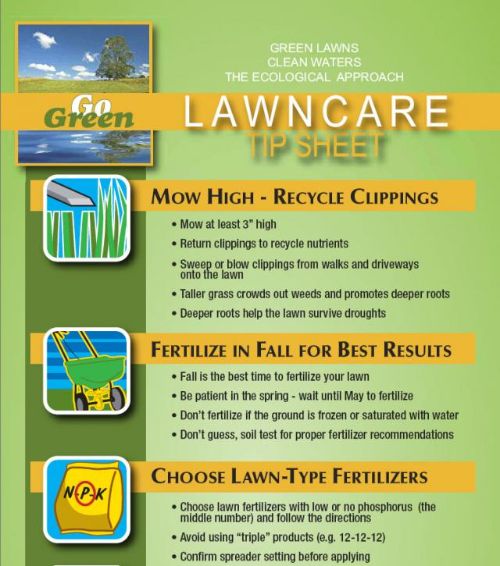
- Fall: This is a prime time for fertilizing, particularly for cool-season grasses. Fall feeding helps the grass store energy, build strong root systems, and prepare for winter. It also promotes a quicker green-up in the spring. For warm-season grasses, fall fertilization is less critical but can help maintain color.
- Winter: Avoid fertilizing during winter when the grass is dormant. This is wasteful and can lead to environmental pollution if the fertilizer runs off into waterways.
Best Time to Fertilize Lawn: Practical Tips
Beyond seasons, consider these practical tips for the best time to fertilize your lawn:
- After Aeration: Fertilizing after aerating your lawn helps the nutrients penetrate the soil more effectively and reach the roots.
- Before a Rain: Applying fertilizer before a gentle rain (not a downpour) can help it dissolve and absorb into the soil without runoff. However, if heavy rain is imminent, it’s best to wait.
- Avoid Drought: Never fertilize a drought-stressed lawn. Water the lawn thoroughly before and after fertilization if rain isn’t expected.
- Morning Application: Applying fertilizer in the morning, after the dew has dried, is often recommended. This helps prevent the fertilizer granules from sticking to wet grass blades, which can cause burn.
Fertilizer Application Intervals: Maintaining Consistent Nourishment
Understanding fertilizer application intervals is crucial for consistent lawn care fertilization. These intervals prevent over-fertilization while ensuring the grass has a steady supply of nutrients.
- Slow-Release Fertilizers: These fertilizers release nutrients gradually over a longer period (6-8 weeks or more). This means you can often use them less frequently, and they are less prone to burning the lawn. A common interval for slow-release fertilizers is 6-8 weeks during the active growing season.
- Quick-Release Fertilizers: These provide a rapid green-up but can also lead to a surge of growth that is less durable and more susceptible to disease. They also have a higher risk of burning the lawn if over-applied. Fertilizer application intervals for quick-release fertilizers should be longer, perhaps 8-10 weeks, and careful attention to application rates is paramount.
A typical fertilization schedule might look like this:
| Season | Cool-Season Grasses | Warm-Season Grasses |
|---|---|---|
| Early Spring | Fertilize | No |
| Late Spring | Fertilize | Fertilize |
| Mid-Summer | Avoid or use very light slow-release | Fertilize |
| Early Fall | Fertilize | Fertilize (optional) |
| Late Fall | Fertilize (optional – Winterizer) | No |
This table provides a general guideline for how many times a year to fertilize your lawn based on grass type.
Lawn Care Fertilization: Different Fertilizer Types
Lawn care fertilization involves choosing the right product. Fertilizers come in various forms, each with its own characteristics.
Slow-Release vs. Quick-Release Fertilizers
- Slow-Release: These are often coated or organic-based. They break down gradually, providing a steady supply of nutrients over time. This reduces the risk of burning and leaching into groundwater.
- Pros: Less frequent applications, reduced risk of burn, more consistent growth, environmentally friendly.
- Cons: Can be more expensive initially, may not provide an immediate “green-up” effect.
- Quick-Release: These are typically synthetic and dissolve rapidly in water. They provide a fast boost of green color.
- Pros: Fast greening effect, generally less expensive.
- Cons: Higher risk of burn, can lead to excessive top growth without root development, prone to leaching.
For optimal lawn fertilization, especially for beginners, slow-release fertilizers are often recommended due to their forgiving nature.
Organic vs. Synthetic Fertilizers
- Organic Fertilizers: Derived from plant or animal matter (e.g., compost, manure, bone meal, feather meal). They improve soil structure and health over time.
- Pros: Gentle on the lawn, improves soil biology, long-term soil improvement, no risk of chemical burn.
- Cons: Can have a slower effect, may be less precise in nutrient delivery, can sometimes have an odor.
- Synthetic Fertilizers: Man-made chemicals designed for specific nutrient ratios. They offer precise nutrient delivery.
- Pros: Precise nutrient control, fast-acting, readily available in various formulations.
- Cons: Can burn lawns if over-applied, no soil-building benefits, potential for environmental runoff if misused.
A balanced approach might involve using organic fertilizers to build soil health and supplementing with synthetic fertilizers when a quick boost is needed.
How Many Times a Year to Fertilize Lawn: Considering Your Specifics
The question of how many times a year to fertilize your lawn is best answered by looking at your unique situation.
Factors Influencing Fertilization Frequency
- Grass Type: As discussed, cool-season and warm-season grasses have different needs.
- Soil Test Results: A soil test from your local cooperative extension office is invaluable. It will tell you your soil’s pH and nutrient deficiencies, allowing you to choose the right fertilizer and apply it only when needed.
- Lawn’s Condition: A healthy, established lawn may need less frequent fertilization than a newer or struggling lawn.
- Traffic and Use: Lawns with heavy foot traffic or play areas will require more nutrients to recover.
- Desired Appearance: If you aim for a golf-course-like appearance, you might fertilize more frequently with specific formulations. However, for most homeowners, a healthy, green lawn is achievable with a standard 3-4 application schedule.
- Climate: Regions with longer growing seasons may require more frequent feeding than those with shorter seasons.
Comprehending Your Lawn’s Needs: A Practical Approach
To truly master fertilizing grass frequency and optimize your lawn care fertilization, you need to observe and adapt.
Observing Your Lawn’s Health
- Color: Is your grass a vibrant green, or is it turning yellowish or brown?
- Growth Rate: Is it growing vigorously, or is growth stunted?
- Density: Is the turf thick and lush, or are there bare patches?
- Weed and Disease Resistance: A well-fed lawn is generally more resistant to weeds and diseases.
If your lawn is showing signs of nutrient deficiency (poor color, slow growth), it might be time for a feeding, provided it’s the appropriate season.
Fertilizing Grass Frequency and Lawn Health
Maintaining a consistent fertilization schedule helps build a strong, resilient lawn. This means:
- Deeper Roots: Proper feeding encourages deeper root growth, making the lawn more drought-tolerant.
- Disease Resistance: Healthy grass is better equipped to fight off common lawn diseases.
- Weed Suppression: A thick, healthy turf crowds out weeds, reducing the need for herbicides.
Troubleshooting Fertilization Issues
Sometimes, even with the best intentions, problems can arise.
Fertilizer Burn
This happens when fertilizer granules are applied too heavily or when the lawn is fertilized during extreme heat or drought. The grass blades dry out and turn brown.
- What to do: If you notice fertilizer burn, water the affected areas immediately and deeply to wash away excess fertilizer. You may need to rake up the dead grass and reseed or sod the area if the damage is severe.
Over-fertilization
This can lead to excessive top growth, weak stems, and increased susceptibility to disease and insect damage. It can also cause nutrient imbalances in the soil.
- What to do: Stick to recommended application rates. If you suspect over-fertilization, hold off on further applications and focus on watering to help dilute the excess nutrients.
The Importance of a Soil Test
Before you finalize your fertilizing grass frequency or pick a product, get a soil test. This is an often-overlooked step that can save you time, money, and effort.
How to Get a Soil Test
- Collect Samples: Take several soil samples from different areas of your lawn, about 3-4 inches deep. Avoid areas that have been recently fertilized.
- Mix Samples: Combine the samples in a clean container and mix them thoroughly.
- Send to Lab: Follow the instructions provided by your local cooperative extension service or a private soil testing laboratory. They will analyze the pH, nutrient levels (Nitrogen, Phosphorus, Potassium – N-P-K), and sometimes organic matter content.
- Interpret Results: The lab will provide a report with recommendations for fertilizer type and application rates tailored to your specific soil and grass type.
Deciphering Fertilizer Labels: N-P-K Explained
Fertilizer bags display three numbers, like 10-10-10 or 20-5-10. These represent the percentage by weight of the three primary macronutrients:
- N (Nitrogen): Promotes leafy green growth and vibrant color.
- P (Phosphorus): Essential for root development and seedling growth. Many established lawns have sufficient phosphorus, and excessive amounts can cause environmental issues. Some regions restrict the use of phosphorus in lawn fertilizers.
- K (Potassium): Helps with overall plant health, stress tolerance (drought, heat, cold), and disease resistance.
A common recommendation for established lawns is a fertilizer with a higher nitrogen content and lower or no phosphorus, especially for cool-season grasses in the fall.
Optimal Lawn Fertilization: Putting It All Together
Optimal lawn fertilization is a continuous process of observation, adaptation, and careful application. It’s not just about how often but also how well you fertilize.
Key Takeaways for Optimal Lawn Fertilization:
- Know Your Grass: Cool-season vs. warm-season dictates timing and frequency.
- Test Your Soil: This is the foundation of smart fertilization.
- Choose the Right Fertilizer: Consider slow-release and nutrient ratios.
- Time It Right: Avoid extreme heat, drought, and dormancy.
- Follow Instructions: Adhere to recommended application rates.
- Water Properly: Water before and after fertilizing (unless rain is expected).
- Observe and Adjust: Pay attention to your lawn’s health and adapt your schedule as needed.
By following these guidelines, you can achieve a healthy, beautiful lawn that enhances your home’s curb appeal and provides a great space for recreation. Remember, consistent, informed lawn care fertilization is the path to a thriving green carpet.
Frequently Asked Questions (FAQ)
Q1: Can I fertilize my lawn if it’s dormant?
A1: No, it’s generally not recommended to fertilize a dormant lawn. The grass cannot effectively absorb the nutrients, and the fertilizer can be washed away or become a problem when the grass starts growing again.
Q2: What happens if I fertilize too much?
A2: Over-fertilizing can “burn” your lawn, causing brown or yellow patches. It can also lead to excessive, weak growth that is more susceptible to disease, pests, and drought.
Q3: Is it better to fertilize in the morning or evening?
A3: Fertilizing in the morning, after the dew has dried, is often preferred. This helps prevent the fertilizer from sticking to wet grass blades, which can cause burn. If you must fertilize in the evening, ensure the lawn is dry.
Q4: Do I need to water my lawn after fertilizing?
A4: Yes, it’s generally recommended to water your lawn after fertilizing. Light watering helps to dissolve the fertilizer granules and wash them into the soil, making the nutrients available to the grass roots and reducing the risk of burn. However, if rain is expected within a day or two, you might not need to water.
Q5: How often can I fertilize my lawn with organic fertilizer?
A5: Organic fertilizers often break down more slowly and have a lower risk of burn. You might be able to fertilize with organic options slightly more frequently, perhaps every 6-8 weeks during the growing season, depending on the product and your lawn’s needs. Always check the product label for specific recommendations.
Q6: Should I fertilize a newly seeded or sodded lawn?
A6: Newly seeded or sodded lawns usually benefit from a starter fertilizer that is lower in nitrogen and higher in phosphorus to promote root establishment. This is typically applied at the time of seeding or sodding. Avoid heavy fertilization for the first few weeks after the grass has established.
Q7: What is the best fertilizer for a lawn in the fall?
A7: For cool-season grasses, a fall fertilizer with a higher nitrogen content and some potassium is ideal. This helps the grass store energy for winter and promotes strong root growth. Look for formulations like 10-0-10 or 20-5-10. For warm-season grasses, fall fertilization is less critical but can help maintain color.