
Can you put lawn clippings in the trash? While technically possible in some areas, it’s generally not the best or most environmentally friendly way to dispose of lawn clippings. This guide will explore the best ways to handle those freshly cut blades of grass, transforming a common yard waste item into a valuable resource.
Dealing with lawn clippings is a regular part of maintaining a healthy and attractive lawn. Many homeowners grapple with what to do with the piles of green matter after mowing. Fortunately, there are several effective and eco-conscious lawn clipping disposal methods that benefit both your lawn and the environment. Let’s dive into the details of where to put lawn clippings and how to manage them effectively.
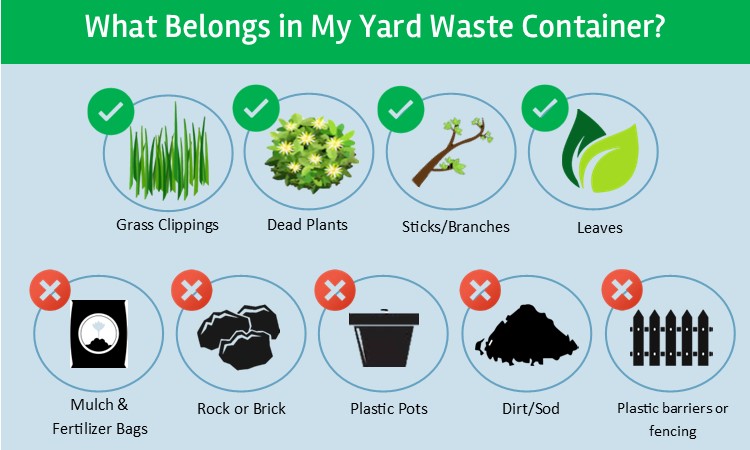
Image Source: mydisposal.com
The Benefits of Smart Lawn Clipping Management
Before we explore the various disposal options, it’s important to recognize why responsible lawn clipping management matters. Simply bagging them up and sending them to the landfill is a missed opportunity. When managed correctly, lawn clippings can enrich your soil, reduce the need for fertilizers, and contribute to a more sustainable lifestyle.
Why Not Just Bag Them?
- Landfill Burden: Grass clippings are organic material that decomposes. When sent to landfills, they break down anaerobically (without oxygen), producing methane, a potent greenhouse gas.
- Wasted Nutrients: Clippings are rich in nitrogen, potassium, and phosphorus – essential nutrients for plant growth. Throwing them away means discarding valuable fertilizer.
- Cost: Many municipalities charge for yard waste pickup, so bagging and discarding can incur additional expenses.
Grasscycling: The Natural Choice
Grasscycling is the practice of leaving grass clippings on the lawn after mowing. This is often considered the simplest and most beneficial method for your lawn.
How Grasscycling Works
When you mow your lawn, the clippings are often short and fine. If your mower is set to the correct height and you don’t let the grass get too long between mowings, these clippings will fall through the grass blades and decompose quickly.
Benefits of Grasscycling:
- Natural Fertilization: As the clippings break down, they release nutrients back into the soil, feeding your lawn and reducing the need for synthetic fertilizers. This is a form of composting lawn clippings directly on your lawn.
- Moisture Retention: The thin layer of clippings can help retain soil moisture, meaning you might need to water your lawn less often.
- Soil Health Improvement: Decomposing organic matter improves soil structure, aeration, and microbial activity.
- Time and Cost Savings: No bagging, no hauling, no extra trips to the yard waste facility. It’s a huge time saver.
Tips for Successful Grasscycling:
- Mow Regularly: Aim to mow when the grass is dry. Don’t remove more than one-third of the grass blade length at a time.
- Use a Mulching Mower: These mowers are designed to finely chop clippings, allowing them to decompose more quickly and evenly.
- Avoid Over-Accumulation: If your grass is very long or thick, you might need to bag the clippings for the first few mows of the season or mow more frequently.
- Distribute Evenly: If you see clumps of clippings, go over them again with the mower or use a rake to spread them out.
Composting Lawn Clippings: Turning Waste into Gold
Composting is an excellent way to manage lawn clippings, transforming them into nutrient-rich compost that can be used in gardens and flower beds. Composting lawn clippings is a cornerstone of effective lawn care clipping management.
Creating a Compost Pile with Grass Clippings
Grass clippings are a “green” material in composting, meaning they are rich in nitrogen. To achieve a balanced compost pile, you need to mix them with “brown” materials, which are carbon-rich.
Ideal Brown Materials:
- Dry leaves
- Shredded newspaper or cardboard
- Straw or hay
- Wood chips or sawdust (in moderation)
The Green-to-Brown Ratio:
A good starting ratio for composting is roughly 2-3 parts brown material to 1 part green material. This helps prevent the compost pile from becoming too wet or smelly.
Building Your Compost Pile:
- Layering: Start with a layer of brown material, then add a layer of grass clippings, followed by another layer of brown material.
- Moisture: Keep the compost pile moist but not soggy, like a wrung-out sponge.
- Aeration: Turn the compost pile regularly (every few weeks) with a pitchfork or compost aerator to provide oxygen. This speeds up decomposition and prevents anaerobic conditions.
Potential Issues and Solutions:
- Smell: A strong ammonia smell indicates too much nitrogen (too many grass clippings). Add more brown materials and turn the pile.
- Sliminess/Wetness: Too much moisture and not enough aeration. Add more brown materials and turn more frequently.
- Slow Decomposition: Not enough nitrogen or moisture, or lack of aeration. Add more green materials (like grass clippings), ensure adequate moisture, and turn the pile.
Composting lawn clippings is one of the most rewarding lawn clipping disposal methods, yielding a valuable soil amendment.
Mulching Lawn Clippings: Protecting and Nourishing
Mulching lawn clippings is a simple and effective way to use them in your garden beds and around trees and shrubs. It serves a dual purpose: suppressing weeds and retaining soil moisture while also adding nutrients as they decompose.
How to Mulch with Grass Clippings
Simply spread a thin layer of grass clippings around plants, keeping them a few inches away from the stems to prevent rot.
Benefits of Mulching with Grass Clippings:
- Weed Suppression: A layer of clippings blocks sunlight, preventing weed seeds from germinating.
- Moisture Retention: It acts as a barrier, reducing evaporation from the soil.
- Soil Enrichment: As the clippings break down, they release nutrients into the soil, acting as a natural fertilizer.
- Temperature Regulation: Mulch helps keep the soil cooler in summer and warmer in winter.
What to Consider:
- Layer Thickness: Avoid applying too thick a layer, as it can become matted, preventing air and water from reaching the soil. A 1-2 inch layer is usually sufficient.
- Avoid Herbicide-Treated Clippings: If you’ve recently applied herbicides to your lawn, wait for a few mowings or avoid using those clippings as mulch until you’re sure the chemicals have dissipated, as they can harm your garden plants.
- Frequency: You can top up mulch layers as needed.
Using grass clippings in garden beds is a fantastic way to improve soil fertility and plant health.
Other Lawn Clipping Disposal Methods
While grasscycling, composting, and mulching are generally the preferred methods, there are other options for lawn clipping disposal methods if these aren’t suitable for your situation.
Bagging for Collection (Municipal Yard Waste)
Many local municipalities offer yard waste collection services. This is a convenient way to dispose of clippings if you don’t have the time or space for other methods.
Key Considerations:
- Check Local Regulations: Some areas have specific rules about how yard waste should be bagged (e.g., paper bags only, no plastic).
- Fees: There may be a fee associated with yard waste collection.
- Destination: Your clippings will likely be taken to a composting facility or a landfill, depending on your local services.
Using a Lawn Vacuum or Bagger System
If you have a large property or find yourself with excessive clippings that grasscycling can’t manage, a lawn vacuum or a specialized bagging system attached to your mower can collect them.
Options:
- Bagging Mowers: Many modern mowers come with bagging attachments.
- Dethatchers/Scarifiers with Collection: Some machines can both remove thatch and collect clippings.
- Dedicated Lawn Vacuums: These are powerful machines that can pick up clippings, leaves, and other debris.
Once collected, these clippings can then be composted, taken to a municipal facility, or used as mulch in designated areas.
Chopping and Leaving (When Grasscycling Isn’t Enough)
Sometimes, your lawn may grow very quickly, leading to thicker clippings than ideal for grasscycling. In such cases, a few extra passes with your mower can help break down the clippings further, ensuring they decompose quickly and don’t smother the grass. This is a more intensive form of grasscycling.
The Best Way to Dispose of Grass Clippings
Determining the best way to dispose of grass clippings depends on your specific circumstances, including your lawn size, local regulations, available space, and personal preferences. However, for most homeowners, grasscycling is often the simplest, most beneficial, and most eco-friendly option.
If grasscycling isn’t feasible or you have an abundance of clippings, composting lawn clippings is the next best alternative, providing valuable fertilizer for your garden. Mulching lawn clippings directly in garden beds is also highly effective for improving soil and suppressing weeds.
Where to Put Lawn Clippings: A Summary
Here’s a quick look at the primary destinations for your lawn clippings:
| Method | Description | Benefits | Considerations |
|---|---|---|---|
| Grasscycling | Leaving clippings on the lawn after mowing. | Natural fertilization, improved soil health, time/cost savings. | Requires regular mowing, mulching mower recommended, avoid if lawn is too wet or overgrown. |
| Composting | Adding clippings to a compost pile with other organic materials. | Creates nutrient-rich soil amendment, reduces landfill waste. | Requires space for a compost bin, balancing green/brown materials, turning for aeration. |
| Mulching | Spreading a thin layer around plants in garden beds or around trees. | Weed suppression, moisture retention, soil enrichment. | Avoid thick layers, be mindful of herbicide use on lawn, keep away from plant stems. |
| Municipal Collection | Bagging clippings for scheduled yard waste pickup. | Convenient, managed by local services. | May incur fees, check local regulations, clippings go to composting facilities or landfills. |
| Lawn Vacuum/Bagger | Collecting clippings using specialized equipment. | Effective for large amounts of clippings, keeps lawn tidy. | Requires purchasing equipment, collected clippings still need to be managed (composted, disposed). |
FAQs About Lawn Clipping Disposal
Q: Can I burn lawn clippings?
A: Burning lawn clippings is generally not recommended and is illegal in many areas due to air pollution concerns. It also destroys valuable organic matter and nutrients.
Q: Will grass clippings clog my mower?
A: If you let the grass get too long or mow when it’s wet, clippings can clump and clog your mower deck. Mowing regularly and when the grass is dry helps prevent this. Using a mulching mower further reduces the risk.
Q: Can I put grass clippings in my garbage disposal?
A: It’s not advisable. While small amounts might go through, large quantities of fibrous material like grass clippings can clog your garbage disposal and plumbing.
Q: How much nitrogen is in grass clippings?
A: Fresh grass clippings are about 80% water and contain approximately 4% nitrogen by dry weight. This makes them an excellent source of nitrogen for your lawn and compost.
Q: Is it okay to use grass clippings from a chemically treated lawn as mulch or in compost?
A: It’s best to avoid using clippings from a lawn treated with herbicides or pesticides for at least a few mowings, or until the chemicals have degraded. This is to protect your garden plants and the beneficial organisms in your compost.
Q: My compost pile smells bad. What’s wrong?
A: A foul smell usually means the pile is too wet and/or lacks aeration, leading to anaerobic decomposition. Add more brown materials (like dry leaves or straw) and turn the pile thoroughly to introduce oxygen.
Q: Can I put grass clippings in my vegetable garden?
A: Yes, but use them as a thin layer of mulch. Avoid piling them thickly, as this can create a dense mat that hinders water and air penetration. Ensure the clippings are from a lawn not treated with harmful chemicals.
By adopting smart lawn care clipping management techniques, you can transform a chore into an opportunity to enhance your lawn’s health and contribute to a greener environment. Whether you choose to grasscycle, compost lawn clippings, or use them for mulching lawn clippings, you’re making a positive impact.