
You can apply fertilizer to your lawn typically 3 to 4 times per year, depending on your grass type and the type of fertilizer you use. This guide will walk you through the best timing and frequency for feeding your lawn to keep it healthy and vibrant.
Image Source: www.canr.msu.edu
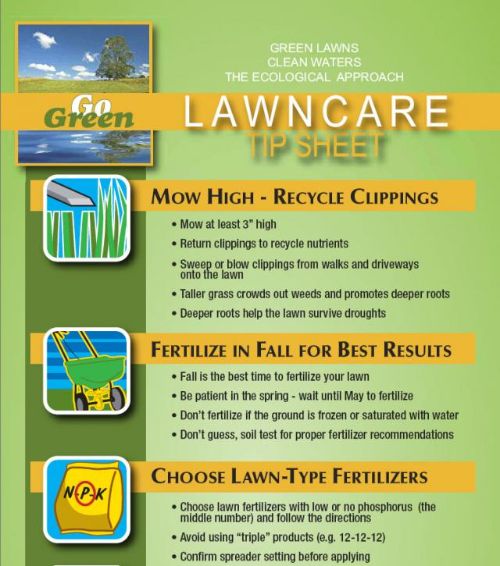
Your Lawn’s Feeding Rhythm: Finding the Right Fertilizer Schedule
Keeping your lawn looking its best involves more than just mowing and watering. Fertilizing plays a crucial role in providing your grass with the essential nutrients it needs to thrive. But how often should you be reaching for that spreader? Establishing a consistent lawn fertilization schedule is key to achieving a lush, green carpet of grass. The right frequency of lawn feeding will depend on several factors, including the type of grass you have, your climate, and the specific fertilizer you choose. Let’s dive into the details to help you create the perfect feeding plan for your lawn.
Deciphering Your Grass Type and Its Needs
Different types of grass have different growth cycles and nutrient requirements. Broadly, we can categorize lawn grasses into two main groups: cool-season grasses and warm-season grasses.
Cool-Season Grasses
These grasses, such as Kentucky bluegrass, perennial ryegrass, and fescues, thrive in cooler temperatures and are typically found in the northern regions of the United States. Their active growth periods are in the spring and fall.
- Spring Lawn Fertilization: This is a critical time for cool-season grasses. After the long winter, they need a boost to recover from dormancy and prepare for active growth. A balanced fertilizer, often with a higher nitrogen content, is beneficial.
- Fall Lawn Feeding: This is arguably the most important feeding for cool-season grasses. Applying fertilizer in the fall helps the grass store energy for the winter and promotes root development. This will lead to a healthier, quicker green-up in the spring.
- Summer: During hot summer months, cool-season grasses can go semi-dormant to conserve moisture. It’s generally best to avoid heavy fertilization during this period, as it can stress the grass. If you must fertilize, use a slow-release formula at a reduced rate.
- Late Fall/Early Winter: Some lawn care professionals recommend a final “winterizer” feeding in late fall or early winter. This application provides nutrients for root growth during milder winter spells and early spring growth.
Warm-Season Grasses
These grasses, including Bermuda grass, Zoysia grass, and St. Augustine grass, flourish in warmer temperatures and are prevalent in the southern United States. Their peak growth occurs during the summer months.
- Late Spring/Early Summer: The best time to start fertilizing warm-season grasses is when they have fully emerged from dormancy and are actively growing. This typically occurs in late spring or early summer. A nitrogen-rich fertilizer is beneficial at this stage.
- Mid-Summer: Continue feeding your warm-season lawn throughout the summer to support its vigorous growth.
- Late Summer/Early Fall: A final feeding in late summer or early fall can help the grass store energy for winter and improve its color before dormancy. Avoid fertilizing too late into fall, as this can stimulate new growth that may be damaged by frost.
- Spring: Avoid fertilizing warm-season grasses until they have fully broken dormancy and show signs of greening up. Fertilizing too early can be a waste of fertilizer and potentially harm the grass.
Comprehending Fertilizer Types and Their Impact on Frequency
The type of fertilizer you use significantly influences how often you need to apply it. Fertilizers are often categorized by their release rate:
- Quick-Release Fertilizers: These fertilizers provide nutrients to the lawn rapidly. While they offer a quick green-up, their effects are short-lived, and they can be more prone to burning the lawn if over-applied. If you opt for quick-release, you’ll need to fertilize more frequently, typically every 4-6 weeks during the active growing season.
- Slow-Release Fertilizers: These fertilizers release nutrients gradually over a longer period, providing a steady supply of food for your grass. This leads to more consistent growth and a reduced risk of burning. Slow-release fertilizers are ideal for a lawn fertilization schedule with fewer applications, often requiring feeding only 2-3 times per year.
- Organic Fertilizers: Derived from natural sources like compost, manure, and bone meal, organic fertilizers improve soil health over time and release nutrients slowly. They are generally considered safer for the environment and less likely to burn the lawn. The frequency of lawn feeding with organic fertilizers can vary, but many lawn care experts recommend applying them 1-2 times per year, often in spring and fall.
Fathoming Seasonal Lawn Care and Fertilizer Needs
Your lawn’s needs change throughout the year. Tailoring your fertilization to the seasons is crucial for optimal results.
Spring Lawn Fertilization
This is a time for renewal. After winter, your lawn has depleted its stored energy.
- For Cool-Season Grasses: Apply a balanced fertilizer or one with a slightly higher nitrogen content to encourage new growth and leaf development.
- For Warm-Season Grasses: Wait until the grass has fully greened up and shows signs of active growth before applying any fertilizer.
Summer Feeding
Summers can be tough on lawns, especially in hotter climates.
- For Cool-Season Grasses: Avoid fertilizing during the hottest part of summer. If you see signs of stress, consider a very light application of a slow-release or organic fertilizer, or focus on proper watering.
- For Warm-Season Grasses: This is their peak growth period. Continue with your regular feeding schedule, using slow-release fertilizers to maintain consistent growth without over-stimulating the grass.
Fall Lawn Feeding
Fall is a critical time for building a strong, resilient lawn for the following year.
- For Cool-Season Grasses: This is the best time to fertilize lawn for these types. A fertilizer with a higher potassium content can help strengthen the grass for winter.
- For Warm-Season Grasses: A late-season feeding can help them store energy for winter dormancy. However, avoid feeding too late, which can encourage tender new growth vulnerable to frost.
Overseeding Lawn Fertilizer
When overseeding a lawn, it’s beneficial to apply a starter fertilizer. This specialized fertilizer is formulated with higher phosphorus levels, which are essential for strong root development in new grass seedlings. Apply this starter fertilizer along with your grass seed according to the product’s instructions.
Mastering Fertilizing Intervals for Grass
The fertilizing intervals for grass are directly tied to the fertilizer type and grass species.
- Quick-Release: Every 4-6 weeks during the active growing season.
- Slow-Release: Every 6-8 weeks during the active growing season, or as per product instructions (some can last up to 3 months).
- Organic: 1-2 times per year, typically in spring and fall.
- Starter Fertilizer for Overseeding: Apply once during the overseeding process.
How Much Fertilizer for Lawn?
Determining how much fertilizer for lawn is crucial to avoid over- or under-fertilization. The general recommendation is to apply 1 pound of actual nitrogen per 1,000 square feet of lawn per application.
- Read the Label: Always check the fertilizer bag for specific application rates. The numbers on the bag (e.g., 20-5-10) represent the percentage of nitrogen (N), phosphorus (P), and potassium (K) by weight.
- Calculate Nitrogen: To find out how much product to apply to get 1 pound of nitrogen per 1,000 sq ft:
- Divide 100 by the first number on the fertilizer bag (the nitrogen percentage).
- For example, if you have a 20-5-10 fertilizer, you would apply 100 / 20 = 5 pounds of product per 1,000 sq ft.
Recognizing Lawn Nutrient Needs
Your lawn communicates its needs through its appearance.
- Nitrogen (N): Promotes lush, green leafy growth. A lack of nitrogen results in a pale, yellowish-green color.
- Phosphorus (P): Essential for root development, seedling growth, and flowering. It’s particularly important for new lawns and overseeding.
- Potassium (K): Helps the grass withstand stress from drought, heat, cold, and disease. It also contributes to overall plant vigor.
A soil test can provide a precise analysis of your lawn’s nutrient deficiencies and pH levels, allowing for more targeted fertilization.
Tips for Successful Lawn Fertilization
- Timing is Everything: Fertilize when the grass is actively growing but not under extreme stress (e.g., during a drought).
- Watering: Water your lawn after fertilizing to help the nutrients soak into the soil and prevent leaf burn. Wait at least 24 hours after fertilizing before watering, or water it in immediately after application as per product instructions.
- Even Application: Use a spreader (broadcast or drop spreader) for even distribution. Avoid overlapping or leaving gaps.
- Clean Up: Sweep any fertilizer that lands on sidewalks or driveways back onto the lawn to prevent it from washing into storm drains and waterways.
- Observe Your Lawn: Pay attention to how your lawn responds to fertilization. Adjust your schedule and fertilizer type as needed.
Seasonal Lawn Care Calendar Example
This is a general guideline and may need adjustments based on your specific climate and grass type.
| Season | Cool-Season Grasses | Warm-Season Grasses | Notes |
|---|---|---|---|
| Spring | Early spring: Balanced or high nitrogen fertilizer. | Wait until fully green and actively growing: Light feeding. | Focus on encouraging new growth and recovery. |
| Summer | Avoid heavy fertilization. Light, slow-release if needed. | Mid-summer: Continued feeding with slow-release fertilizer. | Monitor for drought stress. Proper watering is key. |
| Fall | Early to mid-fall: High potassium fertilizer (winterizer). | Late summer/early fall: Feeding for winter hardiness. | Crucial for building strong roots and preparing for dormancy or winter. |
| Winter | Late fall/early winter: Optional “winterizer” application. | Dormant. No fertilization needed. | For cool-season grasses, this helps with early spring green-up. |
Frequently Asked Questions (FAQ)
Q1: Can I fertilize my lawn every month?
While it’s possible with some quick-release fertilizers, fertilizing every month is generally not recommended for most lawns. It can lead to excessive growth, disease susceptibility, and potential nutrient imbalances. A more sustainable lawn fertilization schedule involves feeding 3-4 times per year with appropriate fertilizer types.
Q2: Is it okay to fertilize a dormant lawn?
It’s generally not beneficial to fertilize a dormant lawn, especially warm-season grasses during winter. Fertilizers are most effective when the grass is actively growing and can absorb the nutrients. Fertilizing a dormant cool-season lawn in late fall can be beneficial as a “winterizer” to promote root growth.
Q3: What if I see moss in my lawn? Does that mean I need to fertilize?
Moss often indicates poor growing conditions, such as compacted soil, insufficient sunlight, or low pH (acidic soil). While some fertilizers contain iron, which can temporarily darken moss, addressing the underlying cause (like aeration or adjusting soil pH) is more effective than simply fertilizing.
Q4: Should I fertilize after aerating my lawn?
Yes, fertilizing after aeration is a great idea. Aeration helps relieve soil compaction, allowing nutrients and water to penetrate the soil more effectively. Applying fertilizer after aerating helps the grass roots readily access the nutrients for better growth.
Q5: How do I know if I’ve used the right amount of fertilizer?
If your lawn shows rapid, unnatural growth, thin patches, or signs of “burning” (brown or yellowing grass blades), you may have applied too much fertilizer. If the grass appears pale and growth is slow, you might not be applying enough or the right type of nutrients. Observing your lawn’s response is the best indicator.
By following these guidelines, you can create a tailored lawn fertilization schedule that keeps your grass healthy, green, and resilient throughout the year. Remember to always read and follow the specific instructions on your fertilizer packaging for the best results.