
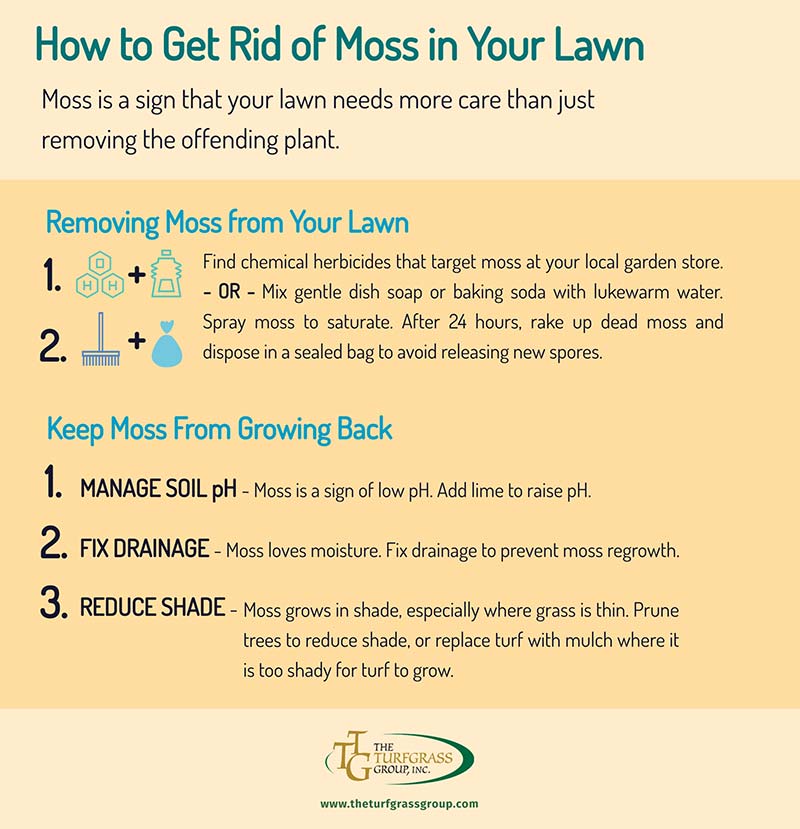
Image Source: theturfgrassgroup.com
How To Treat Moss In Lawn: Simple Steps
Can you treat moss in your lawn? Yes, you absolutely can! Dealing with moss in your lawn might seem like a daunting task, but with the right approach, you can reclaim a lush, healthy green space. This guide will walk you through the most effective lawn care for moss, from identifying the causes to implementing practical solutions for moss removal and prevention. We’ll explore various moss control techniques, share tips on the best way to get rid of lawn moss, and discuss moss killer for lawns, as well as organic moss removal options.
Fathoming Why Moss Thrives in Your Lawn
Moss isn’t inherently bad; it’s simply a plant that prefers certain conditions. If you’re seeing a lot of it, it’s a signal that something in your lawn’s environment isn’t ideal for the grass. Moss loves damp, shady, and compacted areas. It can also indicate acidic soil.
Here are the common reasons moss takes over:
- Poor Drainage: Water sits on the surface for too long, creating a wet environment moss enjoys.
- Shade: Many lawns are shaded by trees or buildings. Grass struggles in low light, opening the door for moss.
- Compacted Soil: Hard, packed soil makes it tough for grass roots to grow and for water to drain.
- Low Soil Fertility: If your soil lacks nutrients, grass can’t grow strongly, allowing moss to move in.
- Low pH (Acidic Soil): Moss often prefers slightly acidic conditions, which can also hinder grass growth.
- Infrequent Mowing or Mowing Too Short: Cutting grass too low stresses it, making it more vulnerable to moss.
Your Guide to Lawn Moss Removal
Once you know why moss is there, you can start the actual moss removal process. This involves a few key steps to effectively kill moss on grass and prepare your lawn for healthy growth.
Step 1: Rake Out the Moss
The first step in moss removal is physical removal. Use a stiff garden rake or a dedicated moss rake.
- Action: Vigorously rake the mossy areas. You want to pull out as much of the moss as possible.
- Timing: Do this when the soil is slightly damp but not waterlogged. This makes the moss easier to pull out.
- Why it works: This loosens the moss and its roots, making it less likely to regrow immediately. It also helps aerate the soil a bit.
Tip: You can use a dethatcher or scarifier for larger areas, as these machines are designed to pull out thatch and moss effectively.
Step 2: Apply a Moss Killer for Lawns
After raking, it’s time to use a moss killer. There are different types of moss treatment products available.
- Chemical Moss Killers: These often contain iron sulfate (ferrous sulfate) or other chemicals that dehydrate and kill the moss. They are usually fast-acting.
- How to Use: Follow the product instructions carefully. Most are applied as granules or mixed with water and sprayed.
- Caution: Be aware that iron sulfate can temporarily stain patios or concrete.
- Organic Moss Removal Options: For those who prefer a more natural approach, several organic options exist.
- Soap or Detergent Solution: A mild dish soap mixed with water can sometimes work.
- Vinegar Solution: A diluted vinegar solution can kill moss but use it with caution as it can also harm grass if not applied properly.
- Beneficial Bacteria: Some products use bacteria that break down moss.
- How to Use: Generally, these are sprayed directly onto the moss.
- Timing: Apply moss killer when moss is actively growing, typically in spring or autumn. Avoid applying during hot, dry weather, as this can stress your grass.
Table: Common Moss Killer Ingredients and Effects
| Ingredient | How it Works | Pros | Cons |
|---|---|---|---|
| Iron Sulfate | Dehydrates moss, turns it black | Fast-acting, readily available | Can stain surfaces, needs careful application |
| Copper Sulfate | Kills moss by disrupting cell functions | Effective | Can be toxic to plants if overused |
| Fatty Acids | Disrupts moss cell membranes | Often considered more eco-friendly | May require repeat applications |
| Detergents/Soaps | Breaks down moss’s outer layer | Easily accessible, affordable | Can harm beneficial soil microbes |
| Vinegar (Acetic Acid) | Dries out moss | Natural, readily available | Can damage grass, needs dilution, affects pH |
Step 3: Rake Again (Optional but Recommended)
Once the moss killer has done its job, the moss will likely turn black or brown. It’s a good idea to rake again to remove this dead moss.
- Action: Use your rake to sweep away the dead moss.
- Why it works: This clears the area, allowing air and sunlight to reach the soil, which is crucial for new grass growth.
Step 4: Address the Underlying Causes
This is the most critical step for long-term moss control. Simply killing moss without fixing the conditions that allowed it to grow will only result in its return.
Improving Drainage
- Aeration: This is key. Use a garden fork or a core aerator to poke holes in the soil. This allows water to penetrate deeper and air to reach the roots.
- Core Aeration: This is the most effective method. It physically removes plugs of soil, reducing compaction significantly.
- Spiking: Poking holes with a fork is better than nothing but less impactful than core aeration.
- Add Compost: After aerating, spread a thin layer of compost over the lawn. This will help improve soil structure and drainage over time.
Managing Shade
- Prune Trees and Shrubs: Trim back branches that are casting dense shade over your lawn.
- Consider Shade-Tolerant Grasses: If your lawn is naturally shady, choose grass varieties that can tolerate low light conditions.
- Moss-Friendly Ground Cover: In heavily shaded areas where grass struggles, consider alternative ground covers like clover or low-growing ground covers that can tolerate shade.
Reducing Soil Compaction
- Aeration: As mentioned above, aeration is the primary method to combat compaction.
- Avoid Heavy Foot Traffic: Try to minimize walking on your lawn, especially when it’s wet.
- Don’t Mow Wet Grass: Driving heavy mowers over wet soil can increase compaction.
Improving Soil Fertility and pH
- Soil Testing: Get your soil tested to determine its pH and nutrient levels. This will tell you exactly what amendments your lawn needs. Local garden centers or agricultural extension offices often offer this service.
- Liming: If your soil is too acidic (low pH), apply lime according to soil test recommendations. Lime raises the soil pH, making it less hospitable to moss and more favorable to grass. Apply lime in the autumn or early spring.
- Fertilizing: Feed your lawn with a balanced fertilizer appropriate for the season. Healthy, well-fed grass is more competitive against moss.
Prevent Moss in Lawn: Long-Term Solutions
The best way to get rid of lawn moss is to prevent it from growing in the first place. This involves consistent, good lawn care practices.
Mowing Habits
- Mow at the Right Height: Never cut your grass too short. A higher cut (around 2.5-3 inches for most cool-season grasses) helps shade the soil, keeping it cooler and moister, which discourages moss and encourages deeper grass roots.
- Keep Mower Blades Sharp: Dull blades tear grass, making it susceptible to disease and stress.
Watering Wisely
- Deep and Infrequent Watering: Water your lawn deeply but less often. This encourages grass roots to grow deeper, making the grass more drought-tolerant and less reliant on surface moisture that moss loves.
- Water in the Morning: Avoid watering in the evening, as lingering moisture overnight can promote fungal diseases and moss growth.
Fertilizing Schedule
- Regular Feeding: A consistent feeding schedule based on your grass type and local climate will keep your grass strong and competitive.
- Avoid Over-Fertilizing: Too much nitrogen can lead to lush, weak growth that’s prone to problems.
Overseeding
- Thicken Your Lawn: If your lawn is thin, moss has more space to grow. Overseeding with a quality grass seed mix, especially in autumn, will fill in bare patches and create a denser turf that crowds out moss.
- Choose the Right Seed: Select grass varieties that are well-suited to your lawn’s conditions (sunlight, soil type).
Dethatching
- Remove Thatch Buildup: Thatch is a layer of dead and living organic matter on the soil surface. A thick thatch layer can prevent water and air from reaching the soil and can harbor moss. Dethatch your lawn annually or bi-annually, usually in spring or autumn, to remove this layer.
Mossy Lawn Solutions: What to Do When It Returns
Even with the best efforts, moss can sometimes reappear. Here’s how to handle it when it does.
Spot Treatment
If you only see a small patch of moss, you can often treat it directly.
- Manual Removal: Simply pull out the moss by hand or with a small trowel.
- Targeted Spray: Use a small spray bottle with a diluted moss killer solution and apply it only to the affected area.
Seasonal Adjustments
Pay attention to the season and adjust your practices.
- Spring: This is a great time for aeration and applying a moss killer if needed. Overseeding is also beneficial.
- Summer: Avoid stressing your lawn. Water deeply when necessary and mow higher.
- Autumn: Another prime time for aeration, overseeding, and lime application if your soil is acidic. Raking out fallen leaves is also important to prevent shade and moisture buildup.
- Winter: Protect your lawn from extreme conditions.
FAQs About Moss in Lawns
Q: What is the best way to get rid of lawn moss?
A: The best way to get rid of lawn moss involves a two-pronged approach: physically removing the moss and then addressing the underlying environmental conditions that allow it to thrive (like poor drainage, shade, and compaction).
Q: Can I kill moss on grass naturally?
A: Yes, you can kill moss on grass naturally using organic methods like manually removing it, using a vinegar solution (diluted and with caution), or employing beneficial bacteria products.
Q: How often should I apply moss killer for lawns?
A: You typically only need to apply moss killer once or twice a year, ideally in spring or autumn when moss is actively growing. Follow the specific product’s instructions for application frequency.
Q: What are effective moss control techniques?
A: Effective moss control techniques include improving drainage through aeration, increasing sunlight by pruning trees, amending soil pH, mowing at the correct height, and keeping the lawn dense through proper fertilization and overseeding.
Q: How do I prevent moss in my lawn?
A: Prevent moss in your lawn by ensuring good drainage, adequate sunlight, proper soil pH, regular fertilization, correct mowing height, and maintaining a thick, healthy turf through practices like overseeding and aeration.
Q: What are good moss treatment products?
A: Good moss treatment products include those containing iron sulfate or copper sulfate for chemical control, or natural alternatives like fatty acid-based sprays or diluted vinegar solutions for organic control. Always read and follow product labels.
By following these steps and maintaining a proactive approach to your lawn care, you can effectively manage and eliminate moss, ensuring a healthy and beautiful lawn for years to come.