
When to spray lawn for bugs? The frequency of insecticide application to your lawn depends on the specific pests you are targeting, their life cycles, the environmental conditions, and the type of insecticide used. A lawn pest control schedule is crucial for effective management, but it’s not a one-size-fits-all answer.
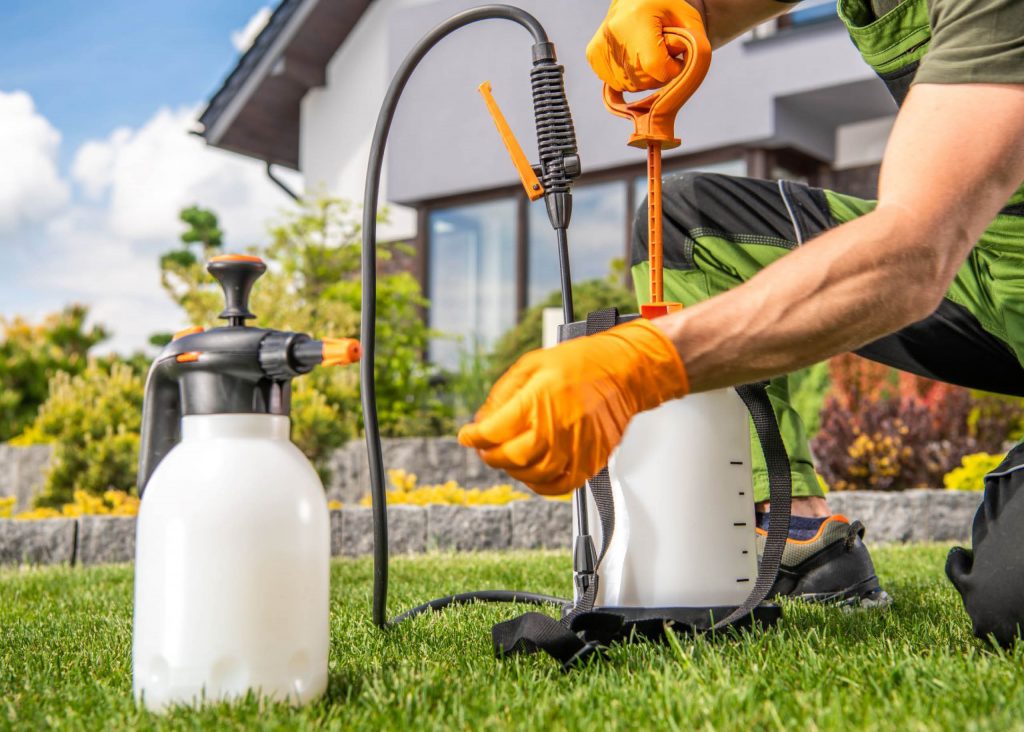
Image Source: www.myhometurf.com.au
Deciphering Insecticide Application Frequency
Applying insecticide to your lawn is a common practice to keep it healthy and free from damaging insects. But how often to apply insecticide to lawn? This question is vital for both effectiveness and environmental responsibility. Over-application can harm beneficial insects, pets, and even yourself, while under-application might leave your lawn vulnerable. We need to grasp that insecticide application frequency isn’t about following a rigid calendar but rather a smart, adaptive strategy.
The Importance of a Proactive Lawn Pest Control Approach
Instead of waiting for a full-blown infestation, adopting a proactive lawn pest control strategy is far more beneficial. This means staying ahead of potential problems by knowing what pests are common in your area and when they are most active. It’s about insect prevention lawn rather than just eradication. This approach often involves fewer, more targeted applications, saving you time, money, and reducing environmental impact.
Factors Influencing How Often To Apply Insecticide To Lawn
Several key elements dictate the ideal lawn grub treatment frequency and general insecticide application:
- Type of Pest: Different insects have unique life cycles. Grubs, for instance, are typically treated at specific times of the year when they are most vulnerable, often in late summer or early fall. Chinch bugs might require different timing.
- Insect Life Cycle: Many lawn pests have distinct stages: egg, larva, pupa, and adult. Insecticides are often most effective when applied during a vulnerable stage, such as the larval stage for grubs. Understanding the optimal insecticide timing is critical here.
- Environmental Conditions: Weather plays a significant role. Warm, humid conditions can encourage insect activity, while heavy rainfall might wash away treatments or activate certain dormant pests.
- Type of Insecticide: Products vary greatly. Some offer quick knockdown but have short residual effects, requiring more frequent applications. Others provide longer-term control, allowing for less frequent use.
- Lawn Health and Type: A healthy, well-maintained lawn is more resilient. Different grass types can also have varying susceptibilities to specific pests.
- Previous Infestations: If you’ve had issues in the past, you might need to be more vigilant with your seasonal insecticide application.
Crafting Your Lawn Pest Control Schedule
A well-thought-out lawn pest control schedule is your roadmap. It involves observing your lawn, identifying potential threats, and planning applications accordingly. This isn’t a set-and-forget plan; it’s a living document that you adjust as needed.
Seasonal Insecticide Application: A General Framework
While precise timing varies, a general seasonal insecticide application guide can be helpful:
- Spring (March-May): This is often a good time for preventative treatments, especially if you experienced pest issues the previous year. Look for early signs of grubs or other soil-dwelling insects as they become active. This is also when many beneficial insects begin to emerge, so careful selection of insecticides is paramount.
- Summer (June-August): This is a peak season for many lawn pests, including chinch bugs, sod webworms, and actively feeding grubs. Monitoring your lawn for signs of stress (browning, thinning) is crucial. When to spray lawn for bugs during summer often involves targeting specific active infestations.
- Fall (September-November): This is a critical period for lawn grub treatment frequency. Applying insecticides in late summer or early fall targets grubs as they feed and prepare for winter. This can prevent significant damage the following spring. It’s also a good time for preventative treatments against overwintering pests.
- Winter (December-February): Generally, insecticide application is minimal in winter as most pests are dormant. However, some exceptions might exist for specific overwintering pests in milder climates.
Common Lawn Pests and Their Treatment Timing
Let’s delve into some common lawn pests and consider their lawn grub treatment frequency and general insecticide needs.
Grubs
Grubs are the larval stage of various beetles, including Japanese beetles and June bugs. They feed on grass roots, causing browning, wilting, and the ability to easily lift sections of turf like a carpet.
- When to Treat: The most effective time for lawn grub treatment frequency is when they are actively feeding and closest to the surface. This typically occurs from late summer through early fall (August to October, depending on your region). A second application might be necessary if you see continued activity or are dealing with a severe infestation.
- Proactive Approach: Applying a preventative grub control product in late spring or early summer can stop grubs before they become a problem. This is a key aspect of insect prevention lawn.
Chinch Bugs
These small insects feed on grass by sucking out plant juices, leading to irregular brown patches, particularly in sunny, dry areas.
- When to Treat: Chinch bugs are most active and damaging during hot, dry weather, usually in mid-to-late summer. This is a prime time for when to spray lawn for bugs like chinch bugs.
- Proactive Approach: Maintaining a healthy lawn with proper watering and avoiding excessive thatch buildup can help deter chinch bugs. Some preventative treatments in late spring can also be effective.
Sod Webworms
The larvae of sod webworm moths feed on grass blades, creating chewed patches and sometimes thinning areas.
- When to Treat: Sod webworms are active during warmer months, with peak activity often in mid-summer. Look for chewed grass blades and small, silk-lined tunnels at the soil surface.
- Proactive Approach: Keeping your lawn healthy and managing thatch are good preventative measures.
Armyworms and Cutworms
These caterpillars can chew grass blades and can quickly defoliate large areas of your lawn.
- When to Treat: These pests are most common in late summer and early fall. They can be identified by their characteristic feeding patterns.
- Proactive Approach: Early detection is key. Monitoring your lawn regularly for signs of feeding will help you address the problem before it escalates.
Choosing the Right Insecticide
The type of insecticide you choose significantly impacts insecticide application frequency.
Types of Insecticides
- Contact Insecticides: These kill insects on contact. They are effective for immediate control but offer little to no residual effect, meaning you’ll need to apply them more often if new pests arrive.
- Systemic Insecticides: These are absorbed by the plant and transported throughout its tissues. Insects are killed when they feed on the treated plant. Systemic insecticides offer longer-lasting protection, reducing the need for frequent applications. This is often preferred for proactive lawn pest control.
- Granular vs. Liquid: Granular insecticides are applied with a spreader and watered in. Liquid insecticides are applied with a sprayer. The choice can depend on ease of application and the specific pest.
Residual Effects
A crucial factor in insecticide application frequency is the residual effect of the product. A product with a longer residual effect will continue to kill pests for a longer period, allowing for less frequent applications. Always read and follow the product label for information on residual activity.
Best Time to Apply Lawn Treatments for Maximum Impact
Beyond seasonal considerations, the best time to apply lawn treatments also includes the time of day.
- Early Morning or Late Evening: Applying insecticides in the early morning or late evening is often recommended. This is when temperatures are cooler, and the sun is less intense. This minimizes the risk of:
- Burning the Lawn: Some insecticides can damage grass if applied during peak heat.
- Harm to Beneficial Insects: Many beneficial insects, like bees, are less active during these cooler periods, reducing the risk of collateral damage.
- Avoid Windy Conditions: High winds can cause spray drift, potentially harming non-target plants or exposing people and pets to the insecticide.
Understanding Recurring Lawn Insecticide Needs
For persistent pest problems, you might consider recurring lawn insecticide applications as part of your lawn pest control schedule. However, it’s important to implement this strategy wisely.
- Rotate Insecticides: To prevent pests from developing resistance, rotate the types of insecticides you use. This means using products with different active ingredients.
- Targeted Applications: Instead of broad, blanket applications, use insecticides only where pests are detected. This is a more sustainable approach to insect prevention lawn.
- Integrated Pest Management (IPM): Consider integrating other pest control methods. This might include:
- Beneficial Nematodes: Microscopic worms that attack grub larvae.
- Proper Watering and Fertilization: Healthy lawns are more resistant to pests.
- Aeration and Dethatching: Reduces thatch buildup where pests can hide.
How Often to Apply Insecticide to Lawn: Specific Scenarios
Let’s consider some specific scenarios for insecticide application frequency:
- Preventative Grub Control: Typically applied once a year, either in late spring/early summer for prevention or late summer/early fall for control.
- Active Grub Infestation: May require a follow-up treatment if the initial application doesn’t fully eradicate the problem, but always wait for the product’s recommended reapplication interval.
- Chinch Bug Outbreak: If you have a severe infestation during peak summer, you might need to apply a contact insecticide for immediate relief, followed by a systemic treatment or repeat application as per label instructions, ensuring you adhere to safe intervals.
- General Insect Control: For a broad range of occasional pests, a preventative seasonal insecticide application in spring and potentially another in fall can be effective, reducing the need for mid-season interventions.
Interpreting Product Labels: Your Ultimate Guide
The product label is your most important resource. It provides explicit instructions on how often to apply insecticide to lawn, dilution rates, target pests, safety precautions, and reapplication intervals. Ignoring the label can lead to ineffective treatment, damage to your lawn, or even pose health risks.
Key Information on Labels:
- Target Pests: Ensure the insecticide is formulated for the pests you are treating.
- Application Rate: Use the correct amount – too little is ineffective, too much can be harmful.
- Reapplication Interval: This is the minimum time you must wait before applying the product again.
- Safety Precautions: Information on protective gear, keeping children and pets away, and preventing runoff.
The Case for Less Frequent Application
While it might seem counterintuitive, applying insecticide less frequently can often be more beneficial in the long run.
- Supports Beneficial Insects: Many beneficial insects prey on or parasitize lawn pests. Frequent applications can wipe them out, leading to a resurgence of pest problems.
- Reduces Pesticide Resistance: Overuse of the same insecticide can lead to pests developing resistance, making future treatments less effective. This is why understanding recurring lawn insecticide strategies involves rotation and judicious use.
- Environmental Protection: Minimizing pesticide use protects water sources, wildlife, and the overall ecosystem.
When Professional Help is Advisable
Sometimes, identifying pests or determining the correct lawn grub treatment frequency can be challenging. If you’re unsure, or if the infestation is severe, consulting a local pest control professional is a wise choice. They have the expertise to identify specific pests, recommend the most effective and environmentally sound treatments, and apply them safely. They are skilled in proactive lawn pest control and know the optimal insecticide timing for your specific region and climate.
FAQs
Q1: How often should I apply insecticide to my lawn for general insect prevention?
A1: For general insect prevention lawn, applying a broad-spectrum insecticide preventatively in the early spring and potentially again in the fall is often sufficient. This is part of a seasonal insecticide application plan.
Q2: What is the best time of year for lawn grub treatment frequency?
A2: The most effective time for lawn grub treatment frequency is typically late summer to early fall (August to October) when grubs are actively feeding near the surface. A preventative application in late spring can also be beneficial.
Q3: Can I apply insecticide to my lawn every month?
A3: Generally, no. Most lawn insecticides do not require monthly application. Frequent, unnecessary applications can harm beneficial insects, lead to pesticide resistance, and pose environmental risks. Always follow the reapplication intervals stated on the product label. This is crucial for responsible insecticide application frequency.
Q4: What are the signs I need to apply insecticide to my lawn?
A4: Signs include visible damage like brown patches, thinning turf, chewed grass blades, or the actual presence of a large number of pests. Observing your lawn for irregular brown spots, especially in sunny areas (chinch bugs), or easily lifting turf sections (grubs) is key to knowing when to spray lawn for bugs.
Q5: Does watering my lawn affect insecticide application frequency?
A5: Yes. Watering can affect how long an insecticide remains active. Granular insecticides usually need to be watered in to be effective. Heavy rainfall after application might necessitate a repeat treatment if the label allows, but generally, consistent watering contributes to a healthier lawn that is less susceptible to pests, potentially reducing the need for frequent recurring lawn insecticide.
Q6: Is there an ideal time of day for insecticide application?
A6: The best time to apply lawn treatments is generally early morning or late evening when temperatures are cooler and beneficial insects like bees are less active. This minimizes the risk of damaging the grass and harming non-target organisms.