
Knowing how often to mow your lawn in summer is crucial for a healthy, vibrant yard. Generally, during the peak growing season of summer, you’ll want to mow your lawn about once every 5 to 7 days. This frequency can adjust based on grass type, weather, and how quickly it grows.
Summer is a time for outdoor enjoyment, and a well-maintained lawn is a big part of that. But keeping your grass looking its best during the hot, often dry months can feel like a challenge. One of the most common questions homeowners have is about the right summer lawn mowing frequency. Get this wrong, and you could end up with stressed, brown patches or an overgrown, unsightly yard.
This guide will dive deep into everything you need to know about keeping your lawn in top shape throughout the summer. We’ll explore the factors that influence when to mow lawn in summer, how to establish an ideal mowing schedule summer, the importance of mowing height summer, and essential tips for lawn care summer. Let’s get your lawn thriving!
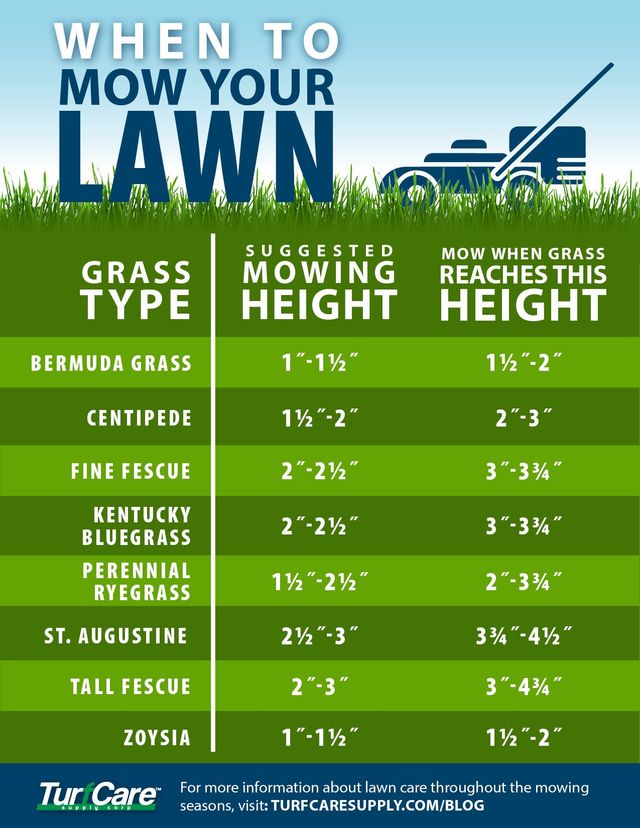
Image Source: lirp.cdn-website.com
The Rhythm of Growth: Why Summer Mowing Matters
Summer’s combination of longer days and warmer temperatures often triggers rapid grass growth. This is especially true if your lawn receives adequate rainfall or you’re irrigating. Understanding this growth spurt is key to answering how often to cut grass summer.
- Photosynthesis Power: Longer daylight hours mean more time for grass to perform photosynthesis, creating the energy it needs to grow.
- Temperature Sweet Spot: Many common turfgrass species thrive in the temperatures typically found in summer.
- Water Availability: If your lawn is watered regularly, either by nature or by you, it will have the resources to grow quickly.
When grass grows quickly, it needs more frequent haircuts. Failing to mow often enough can lead to several problems:
- Scalping: Cutting off too much of the grass blade at once, which can shock the plant and lead to brown spots.
- Weakened Roots: When grass gets too tall, its energy is directed towards blade growth, potentially at the expense of root development.
- Increased Disease Risk: Dense, overgrown grass can trap moisture, creating a perfect environment for fungal diseases.
- Weed Competition: Tall grass can shade out desirable grass seedlings and create opportunities for weeds to establish.
Conversely, mowing too frequently can also be detrimental. It can stress the grass and prevent it from developing a strong root system. Finding the right balance is where the art of lawn maintenance summer comes into play.
Factors Shaping Your Summer Mowing Schedule
While a general guideline of once a week is helpful, your specific circumstances will dictate the precise frequency of lawn cutting. Here are the key factors to consider:
Grass Type: The Foundation of Your Lawn
Different types of grass have different growth habits. Knowing your grass type is fundamental to determining how often to mow lawn in summer.
- Cool-Season Grasses: These include varieties like Kentucky Bluegrass, Fescues, and Ryegrass. They tend to grow most vigorously in the spring and fall. During the heat of summer, their growth may slow down, meaning you might need to mow less often. However, if they receive ample water and nutrients, they can still grow quite rapidly.
- Warm-Season Grasses: These grasses, such as Bermuda, Zoysia, and St. Augustine, thrive in the heat and will likely exhibit significant growth during the summer months. You will probably need to mow these types more frequently.
Table 1: Common Grass Types and Their Summer Growth Tendencies
| Grass Type | Summer Growth Tendency | Typical Mowing Frequency (Summer) |
|---|---|---|
| Kentucky Bluegrass | Moderate to Slow | Every 7-10 days |
| Tall Fescue | Moderate | Every 6-8 days |
| Fine Fescue | Slow | Every 10-14 days |
| Perennial Ryegrass | Moderate | Every 6-8 days |
| Bermuda Grass | Very Fast | Every 4-5 days |
| Zoysia Grass | Fast | Every 5-7 days |
| St. Augustine | Fast | Every 5-7 days |
Weather Conditions: Nature’s Influence
Summer weather plays a massive role in how quickly your grass grows.
- Rainfall: If you experience consistent rainfall during the summer, your grass will likely grow much faster. This will necessitate more frequent mowing.
- Temperature: Hot temperatures can stress some grasses, slowing their growth. However, for warm-season grasses, heat is a growth stimulant. If you have a cool-season grass and it’s extremely hot, you might reduce mowing frequency slightly to minimize stress.
- Sunshine: Plenty of sunshine, combined with adequate water, fuels photosynthesis and leads to faster growth.
Fertilization and Watering: Providing Fuel for Growth
If you’ve recently fertilized your lawn or are watering it regularly to combat dry spells, you’re essentially providing the nutrients and moisture it needs to grow faster. This means you’ll need to adjust your mowing schedule accordingly. If you’re not fertilizing or watering, growth will likely be slower.
Soil Quality: The Groundwork for Growth
Healthy, nutrient-rich soil will support more vigorous grass growth than compacted or poor-quality soil. If you have excellent soil conditions, expect to mow more often.
The Golden Rule of Mowing: The One-Third Rule
A fundamental principle in lawn care summer is the “one-third rule.” This means you should never remove more than one-third of the grass blade’s total height in a single mowing.
Why is this so important?
- Reduces Stress: Cutting off too much at once shocks the grass, leaving it vulnerable to disease, drought, and pests.
- Promotes Healthy Growth: By removing only a small portion, you encourage the grass to grow more blades and develop a denser canopy.
- Maintains Proper Height: Adhering to this rule helps you maintain the mowing height summer that is best for your grass type.
Example: If your grass is 3 inches tall, and your desired mowing height is 2 inches, you should mow when the grass reaches about 3 inches. This allows you to cut off 1 inch, which is one-third of the total height. If you wait until the grass is 4 inches tall, you’d have to cut off 2 inches, which is half the height – a move that can stress the lawn.
This rule directly impacts how often to cut grass summer. If your grass grows quickly and reaches 3 inches in 5 days, you’ll need to mow every 5 days. If it takes 8 days to reach 3 inches, then your mowing frequency is every 8 days.
Determining the Ideal Mowing Height Summer
The correct mowing height summer is just as important as the frequency. Mowing too short can stress the grass, making it more susceptible to drought, weeds, and diseases. Mowing too tall can lead to weak growth and potentially disease due to poor air circulation.
The ideal height varies by grass type:
- Cool-Season Grasses: Generally prefer a slightly higher cut during the summer to help them cope with heat and stress. A height of 2.5 to 3.5 inches is often recommended for Kentucky Bluegrass and Fescues.
- Warm-Season Grasses: Can typically tolerate and even benefit from a slightly lower cut, but still need adequate leaf surface. Heights of 1 to 2.5 inches are common for Bermuda and Zoysia, while St. Augustine may be best at 2 to 3 inches.
Table 2: Recommended Mowing Heights for Common Grass Types (Summer)
| Grass Type | Recommended Mowing Height (inches) |
|---|---|
| Kentucky Bluegrass | 2.5 – 3.5 |
| Tall Fescue | 2.5 – 3.5 |
| Fine Fescue | 2.5 – 3.5 |
| Perennial Ryegrass | 2 – 3 |
| Bermuda Grass | 1 – 2.5 |
| Zoysia Grass | 1 – 2.5 |
| St. Augustine | 2 – 3 |
Important Note: Always adjust your mower’s cutting height for the season. A higher cut in summer is generally beneficial for most turf types.
Best Time to Mow in Summer: Timing is Everything
When should you fire up the mower? The best time to mow in summer is crucial for grass health and your comfort.
- Avoid the Heat: Mowing during the hottest part of the day (typically 10 AM to 4 PM) can stress both you and your lawn. The grass blades are more prone to wilting and damage when exposed to high temperatures.
- Morning Mowing: This is often the ideal time. The grass has had a chance to dew off, and the air is cooler. This allows the grass to recover before the peak heat of the day.
- Late Afternoon/Early Evening: This is also a good option, especially if you prefer not to mow first thing in the morning. The grass has enough time to recover before nightfall.
- Avoid Mowing Wet Grass: Never mow when the grass is wet. It can clog your mower, lead to an uneven cut, and spread diseases. Wet grass also clumps, which can smother the grass underneath.
So, when you’re thinking about your ideal mowing schedule summer, prioritize these cooler parts of the day.
Putting It All Together: Crafting Your Summer Mowing Plan
Now, let’s synthesize these points to create a practical plan for how often to mow lawn in summer.
- Identify Your Grass Type: This is your starting point.
- Set the Correct Mowing Height: Consult the table or your local extension office for the best height for your grass.
- Observe Your Grass: Pay attention to how quickly it grows. Measure the height before mowing.
- Apply the One-Third Rule: If your grass is 3 inches tall and your target is 2 inches, mow when it reaches 3 inches.
- Adjust Based on Conditions:
- If it’s been rainy and warm, you might need to mow every 5 days.
- If it’s been dry and hot, growth might slow, and you could stretch it to 7-10 days.
- Did you just fertilize? Expect faster growth and more frequent mowing.
- Choose the Best Time: Mow in the morning or late afternoon/early evening.
A practical approach:
- Week 1: Mow on Saturday morning at your target height.
- Week 2: Check the grass height on Saturday. If it has grown significantly past your target height (e.g., more than 1/3 taller), mow again. If it’s only slightly taller, wait a couple more days.
- Continuous Monitoring: This ongoing observation is the most effective way to determine your precise summer lawn mowing frequency.
Your lawn care summer routine should be flexible. What worked last week might need adjustment this week due to changing weather.
Essential Summer Lawn Care Tips Beyond Mowing
While how often to mow lawn in summer is a key question, other aspects of lawn maintenance summer are vital for a healthy lawn.
Watering Wisely: When to Water Lawn Summer
Proper watering is critical, especially during hot summer months.
- Deep and Infrequent: Water deeply rather than lightly and frequently. This encourages deeper root growth, making the lawn more drought-tolerant. Aim for about 1 to 1.5 inches of water per week, delivered in one or two applications.
- Morning Watering: Water early in the morning. This allows the grass to absorb the moisture before the heat of the day causes excessive evaporation and reduces the risk of fungal diseases by allowing the grass blades to dry out.
- Observe Your Lawn: Look for signs of stress like a bluish-gray tint or footprints that remain after you walk on the grass. These indicate it’s time to water.
Fertilization: Feeding Your Lawn Appropriately
- Avoid Over-Fertilizing: Summer heat can make heavily fertilized lawns more susceptible to burning. If you fertilize, do so cautiously, especially with nitrogen.
- Slow-Release Fertilizers: These are generally better for summer as they provide a steady supply of nutrients without a sudden surge in growth.
- Timing: If you must fertilize in summer, do it during a period of moderate temperatures, preferably after a rain or light watering, and avoid fertilizing stressed or drought-stricken lawns.
Weed and Pest Management
- Healthy Turf is the Best Defense: A thick, healthy lawn is the best way to naturally crowd out weeds and resist pests. Proper mowing, watering, and occasional fertilization contribute to this.
- Spot Treat: Address weeds and pests as you see them rather than applying broad treatments.
Aeration and Dethatching (Conditional)
- Aeration: While often best done in spring or fall, if your soil is severely compacted, light aeration might be considered in early summer for warm-season grasses, but it’s generally best to avoid stressing the lawn in peak heat.
- Dethatching: Similar to aeration, dethatching can stress the grass. It’s typically best reserved for the cooler, more favorable growing seasons of spring and fall.
FAQ: Your Summer Mowing Questions Answered
Q: How often should I mow my lawn in summer if I have Bermuda grass?
A: Bermuda grass is a warm-season grass that loves the heat and grows quickly in summer. You’ll likely need to mow it every 4-5 days, following the one-third rule, to maintain an ideal height of 1-2.5 inches.
Q: My cool-season grass looks stressed in the summer heat. Should I mow it shorter?
A: No, you should actually mow cool-season grasses slightly higher during summer heat. A higher mowing height (2.5-3.5 inches) provides more shade for the soil and protects the crown of the grass plant from the intense sun, reducing stress.
Q: Is it okay to leave grass clippings on the lawn?
A: Yes, generally it’s good to leave grass clippings on the lawn. They decompose and return valuable nutrients to the soil, acting as a natural fertilizer. This is called “grasscycling.” Just be sure you’re not leaving excessively long clippings that can smother the grass. The one-third rule helps ensure clippings are short enough to break down quickly.
Q: My lawn isn’t growing very fast this summer. Do I still need to mow regularly?
A: You only need to mow when the grass reaches a height that requires you to cut off no more than one-third of its blade. If your grass isn’t growing rapidly due to dry conditions or if it’s a slow-growing variety, you might only need to mow every 10-14 days, or even less. Always base your mowing on the grass height, not just the calendar.
Q: What if I can’t mow when I’m supposed to because of rain or other reasons?
A: If you miss a mowing, your grass will likely grow a bit longer. When you do get to mow, be extra careful to only remove one-third of the current blade length. This might mean adjusting your mower to a higher setting for the first mow, then lowering it back to your target height for the next mow a few days later. Avoid cutting off more than half the blade height at any one time.
By following these guidelines, you can confidently navigate the complexities of how often to mow lawn in summer and ensure your yard remains a beautiful and healthy part of your home. Remember that observation and adaptation are key to successful lawn maintenance summer.