
Do you have to mow your lawn every week? No, you don’t have to mow your lawn every week. In fact, mowing less often can actually be better for your lawn and save you a lot of time. Many homeowners think that frequent mowing is the key to a beautiful lawn, but this isn’t always the case. Let’s explore why reducing your mowing frequency is a smart move for both your schedule and your turf.
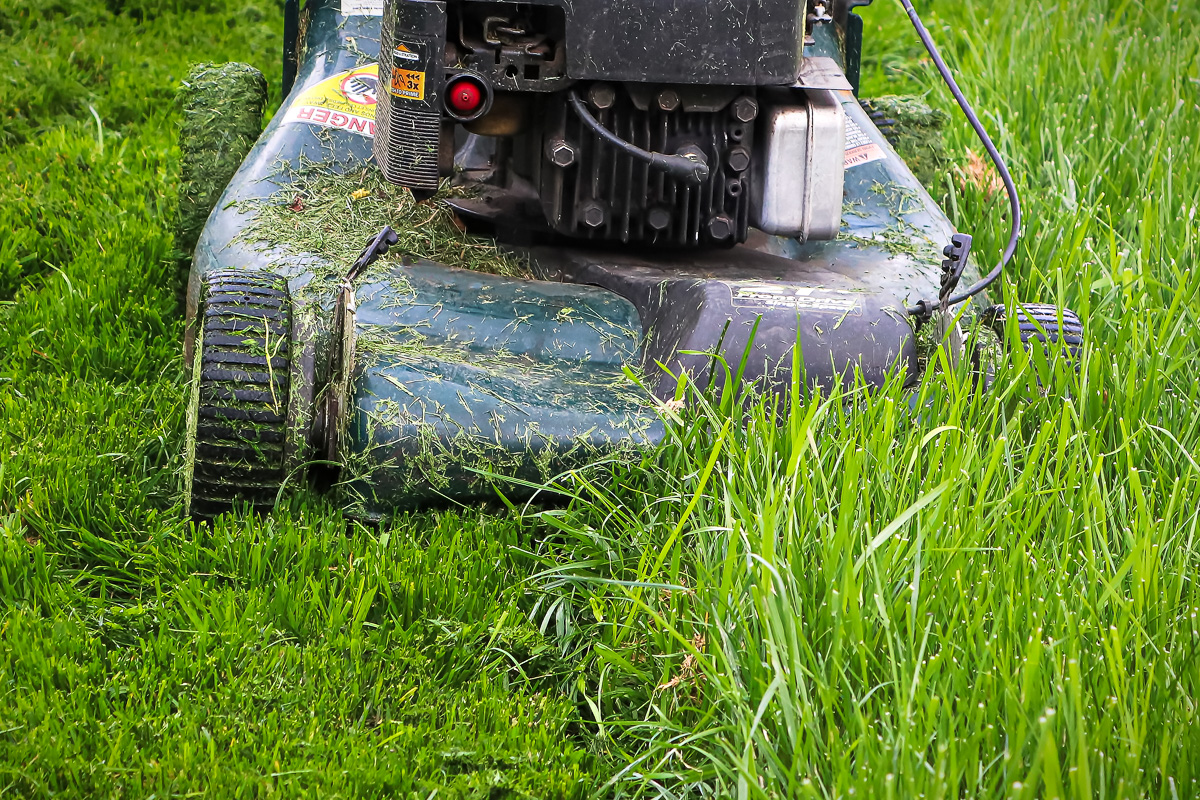
Image Source: www.greenviewfertilizer.com
The Myth of the Weekly Mow
The idea that a lawn must be mowed every seven days is a persistent myth. This practice often stems from a desire for a perfectly manicured look or a misunderstanding of how grass grows. However, adhering to a strict weekly schedule can be counterproductive.
Grass Growth Cycle and Optimal Mowing
Understanding the grass growth cycle is crucial to knowing when to mow your grass. Grass, like most plants, grows in cycles. It needs time to photosynthesize, build roots, and recover from cutting. Mowing too often disrupts this natural process. When you cut grass too short or too frequently, you stress the plant. This stress can lead to weaker roots, less dense growth, and increased susceptibility to pests and diseases.
The general rule of thumb for mowing is the “one-third rule.” This means you should never remove more than one-third of the grass blade’s height at any single mowing. The frequency of mowing is dictated by how quickly your grass reaches this one-third mark. In cooler months or during dry spells, grass grows much slower. In the peak growing season, it might grow faster. This means your mowing schedule should adapt to the grass’s needs, not the other way around.
Benefits of Less Frequent Mowing
Shifting away from a rigid weekly mowing schedule offers a surprising number of advantages. These benefits extend beyond just saving you time; they contribute to a healthier lawn and a more sustainable approach to yard care.
Saving Time and Effort
This is perhaps the most obvious benefit. Imagine reclaiming those hours you spend pushing a mower, bagging clippings, and cleaning up. Less frequent mowing directly translates to more free time for other activities you enjoy.
- Fewer weekends spent on lawn duty.
- Reduced physical exertion.
- Less equipment maintenance and fuel costs.
Promoting Lawn Health Benefits
Contrary to popular belief, letting your grass grow a bit longer between mows can actually improve its overall health.
- Deeper Roots: Longer grass blades encourage deeper root growth. Deeper roots make the lawn more resilient to drought and heat. They can also access nutrients and water more effectively.
- Shade for Soil: Longer grass shades the soil, which helps to keep it cooler and retain moisture. This reduces water evaporation and can suppress weed germination, as many weeds prefer exposed, warm soil.
- Improved Photosynthesis: Longer blades provide more surface area for photosynthesis, the process by which grass converts sunlight into energy. This leads to stronger, healthier growth.
- Reduced Stress: Mowing is a form of stress for grass. By mowing less often, you reduce the cumulative stress on the lawn, allowing it to thrive.
Environmental Impact of Mowing
The environmental benefits of reducing mowing frequency are significant and often overlooked.
- Reduced Emissions: Less mowing means less time your lawnmower engine is running, which directly translates to fewer emissions released into the atmosphere. Traditional gas-powered mowers are a source of air pollution.
- Less Waste: When you mow less frequently, you might be able to leave grass clippings on the lawn as mulch. This practice, known as “grasscycling,” returns valuable nutrients to the soil, reducing the need for fertilizers. It also eliminates the waste of bagging and disposing of grass clippings.
- Support for Biodiversity: Longer grass can provide habitat and food sources for beneficial insects, such as pollinators, and small ground-dwelling creatures. A more natural lawn ecosystem is a healthier ecosystem.
- Water Conservation: As mentioned, longer grass helps the soil retain moisture, meaning you might need to water your lawn less often, conserving a precious resource.
Sustainable Lawn Maintenance
Adopting a less frequent mowing schedule is a cornerstone of sustainable lawn maintenance. It aligns with practices that aim to minimize resource consumption and environmental impact.
- Reduced Water Usage: Healthy lawns with deeper roots require less supplemental watering.
- Minimized Chemical Use: A healthy, dense lawn is more resistant to weeds and diseases, reducing the need for herbicides and pesticides.
- Lower Carbon Footprint: Less mowing directly contributes to a smaller carbon footprint for your household.
Determining How Often to Mow Your Lawn
So, if not every week, then how often to mow lawn? The answer is: it depends. The optimal mowing frequency is dictated by the rate of grass growth, which is influenced by several factors.
Factors Influencing Grass Growth Rate
- Grass Type: Different grass species have different growth rates. Cool-season grasses (like fescue and bluegrass) tend to grow more vigorously in cooler weather, while warm-season grasses (like Bermuda and zoysia) thrive in heat.
- Season and Weather: Growth is fastest during the active growing seasons (spring and fall for cool-season grasses, summer for warm-season grasses) and during periods of adequate moisture and warm temperatures. Slowdowns occur during extreme heat, drought, or dormancy.
- Fertilization: Lawns that are heavily fertilized will grow faster and require more frequent mowing.
- Watering: Consistent watering, especially in warm weather, will also stimulate growth.
- Sunlight and Shade: Areas receiving full sun will generally grow faster than shaded areas.
The One-Third Rule in Practice
The one-third rule is your best guide. Aim to mow when the grass reaches about one-third taller than your desired finished height. For example, if you want your grass to be 3 inches tall, you should mow when it reaches 4.5 inches.
Table 1: Estimating Mowing Frequency Based on Grass Height
| Desired Grass Height | Mow When Grass Reaches | Typical Mowing Interval (During Peak Growth) |
|---|---|---|
| 2 inches | 3 inches | 5-7 days |
| 3 inches | 4.5 inches | 7-10 days |
| 4 inches | 6 inches | 10-14 days |
Note: These are estimates. Actual frequency will vary based on the factors mentioned above.
Alternatives to Weekly Mowing
If you’re looking to reduce your mowing frequency, several alternatives to weekly mowing can help you achieve a beautiful yard while saving time and effort.
Letting Grass Grow Longer
The simplest alternative is to simply let your grass grow a bit longer between mowing sessions. This adheres to the one-third rule and provides the lawn health benefits discussed earlier.
Adjusting Mowing Height
You can also adjust your mower’s cutting height. Many homeowners set their mower to cut too short. Raising the cutting height can significantly reduce how often you need to mow. For most common turfgrasses, a height of 3-4 inches is ideal, especially during hot summer months.
Strategic Planting Choices
Consider lawn care practices that involve reducing the overall lawn area or choosing grass types that require less mowing.
- Ground Covers: Replace grass in hard-to-mow areas or low-traffic spots with ground covers like clover, creeping thyme, or sedum. These often require little to no mowing and can add visual interest.
- Drought-Tolerant Grasses: Opt for grass varieties that are naturally slower growing and more drought-tolerant. This reduces the need for both mowing and watering.
- Native Plants: Incorporating native grasses and wildflowers can create a beautiful, low-maintenance landscape that supports local wildlife and requires minimal intervention.
Smart Lawn Care Practices
Implementing smart lawn care practices can further support reducing mowing frequency.
- Sharpen Your Mower Blades: Dull blades tear grass, causing damage and making it more susceptible to disease. Sharp blades cut cleanly, promoting faster healing.
- Mulch Clippings: As mentioned, letting clippings decompose on the lawn returns nutrients and acts as a natural fertilizer, potentially reducing the need for bagged clippings and supplemental feeding.
- Aeration and Dethatching: Regularly aerating your soil and dethatching your lawn improves air, water, and nutrient penetration to the roots. This leads to a healthier, more resilient turf that may grow at a more manageable pace.
- Proper Watering: Water deeply and less frequently. This encourages deep root growth, making the grass more drought-tolerant and less reliant on frequent moisture, which can slow growth.
Embracing a Less Frequent Mowing Lifestyle
Transitioning to a less frequent mowing schedule is more than just a time-saving hack; it’s a step towards a more environmentally conscious and healthier approach to lawn care. By working with your lawn’s natural growth cycle rather than against it, you can achieve a vibrant, resilient turf with less effort.
Rethinking Lawn Aesthetics
The perception of a “perfect” lawn often leans towards a uniformly short, carpet-like appearance. However, a slightly longer, lusher lawn can be equally, if not more, beautiful. Embracing a more natural look can also reduce the pressure to maintain an excessively manicured appearance.
Adapting Your Lawn Care Routine
- Observe Your Grass: Pay attention to how quickly your grass is growing. Is it getting out of hand quickly, or does it seem to stay at a good height for a longer period? Adjust your mowing based on these observations.
- Seasonal Adjustments: Expect to mow more frequently during peak growing seasons and less often during cooler or drier periods.
- Consider Your Neighbors: While the benefits are clear, be mindful of neighborhood aesthetics if that’s a concern. A well-maintained, slightly longer lawn is generally acceptable.
The Long-Term Rewards
The long-term rewards of reducing mowing frequency are substantial: a healthier lawn that requires less water and fewer chemicals, a reduced environmental footprint, and, of course, more of your valuable time back. It’s a win-win situation for you, your lawn, and the planet.
Frequently Asked Questions (FAQ)
Q1: Will my lawn look unkempt if I don’t mow it weekly?
A: Not necessarily. If you follow the one-third rule and maintain a healthy lawn, it can look lush and attractive even if mowed less often. The key is to mow when the grass is about 1.5 times its desired height, not just because a week has passed.
Q2: Can I leave grass clippings on the lawn?
A: Yes, leaving grass clippings on the lawn, known as grasscycling, is highly beneficial. The clippings decompose, returning valuable nutrients like nitrogen to the soil, acting as a natural fertilizer. This also reduces waste. Ensure your mower blades are sharp for fine clippings that won’t clump.
Q3: How does mowing height affect frequency?
A: Mowing at a higher setting means you’re removing less of the grass blade with each cut. Since you should only remove one-third of the blade’s height, higher mowing heights naturally allow for longer intervals between mows.
Q4: What are the best grass types for less frequent mowing?
A: Slower-growing grass varieties like fine fescues, some zoysia cultivars, and certain ornamental grasses require less mowing. Native grasses are also often well-adapted to local conditions and may need less frequent cutting.
Q5: What should I do if my grass gets too tall?
A: If your grass has grown significantly taller than your ideal mowing height, don’t cut it all at once. Instead, gradually lower the mower’s setting over a few mowing sessions to avoid shocking the grass. Always follow the one-third rule.