
Can you stop tree roots from sprouting in your lawn? Yes, you can effectively prevent tree roots from invading your lawn with the right strategies and barriers. Tree root intrusion is a common problem that can damage your lawn, disrupt your landscaping, and even affect the health of your trees. Understanding how tree roots grow and spread is the first step in tackling this issue. This guide will provide you with comprehensive, actionable advice to stop tree roots from sprouting in your lawn, ensuring a healthier, more beautiful outdoor space.
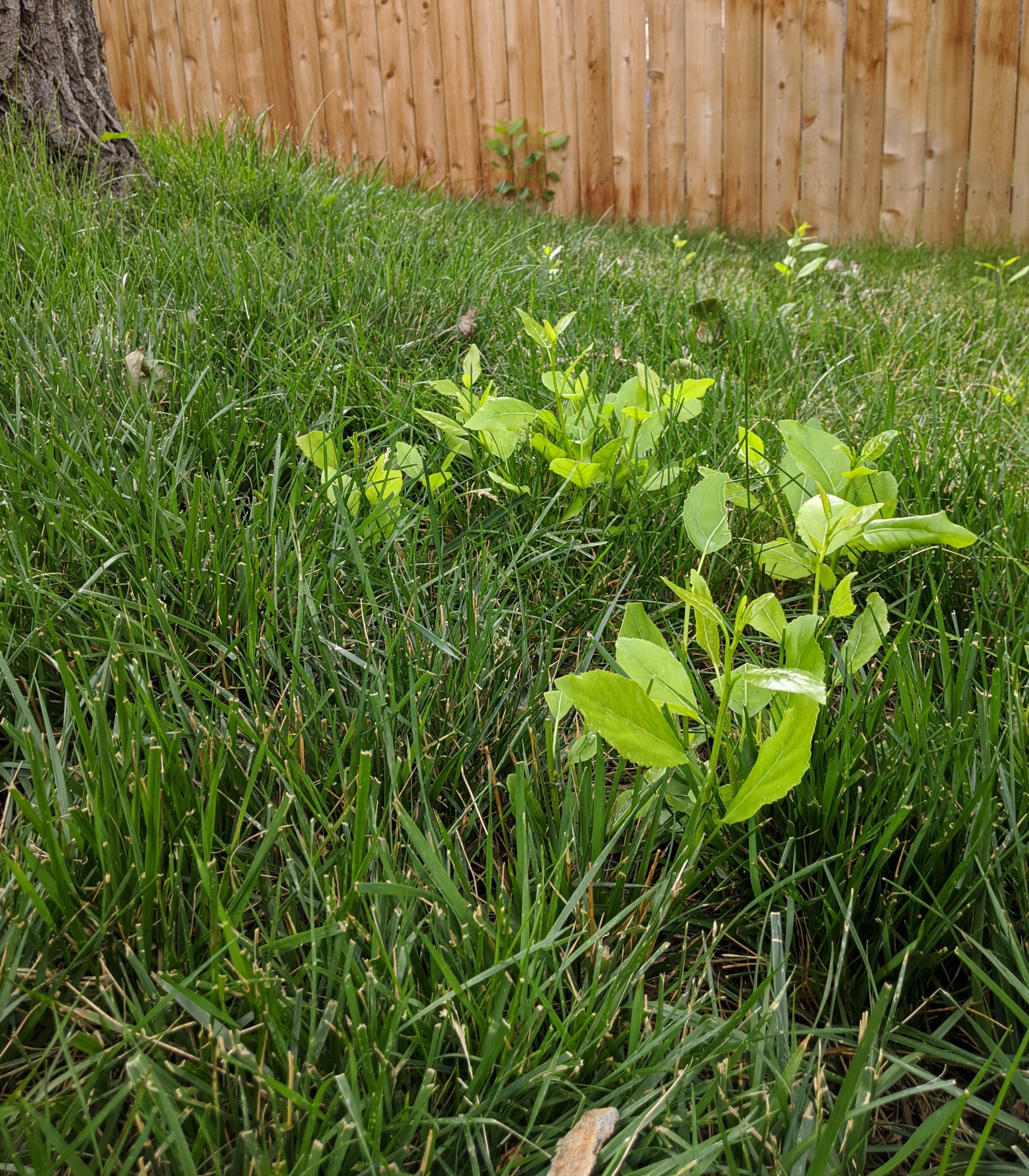
Image Source: organolawn.com
Deciphering Tree Root Growth Patterns
Trees are amazing organisms, and their root systems are just as vital as their leafy canopies. Tree roots spread outwards, often much wider than the tree’s branches. They seek water, nutrients, and oxygen, which are readily available in the soil.
The Reach of Roots
- Surface Roots: Many tree roots grow close to the surface, especially in compacted soil or when looking for oxygen. These are the ones most likely to cause problems in your lawn.
- Deeper Roots: Other roots grow deeper into the soil, anchoring the tree and accessing water.
- Root Spread: A general rule of thumb is that a tree’s root system can spread 2-3 times the width of its canopy.
What Drives Root Growth?
Several factors encourage tree roots to venture into areas we’d rather they didn’t:
- Water Sources: Lush lawns with regular watering are a magnet for tree roots. Your irrigation system can inadvertently attract them.
- Nutrient-Rich Soil: Well-fertilized lawns or garden beds are also prime targets.
- Compacted Soil: If the soil around your tree is hard and compacted, roots will seek easier paths, often horizontally towards softer ground like your lawn.
- Oxygen Availability: Roots need oxygen. Areas with good soil aeration, like a healthy lawn, can be attractive.
Proactive Measures to Prevent Tree Roots in Your Lawn
The best defense is a good offense. Implementing preventative strategies before tree roots become a problem is far easier than dealing with established tree root intrusion.
Strategic Tree Planting
Choosing the right tree for the right spot is crucial.
- Consider Mature Size: Research the mature size of the tree, including its root spread.
- Location, Location, Location: Plant trees away from underground utilities, septic systems, and your home’s foundation.
- Root-Friendly Species: Some trees are known for less aggressive root systems. Research species that are suitable for your climate and soil.
Soil Aeration
Well-aerated soil is good for your lawn and can discourage shallow root growth.
- Regular Aeration: Spike aerate your lawn annually. This creates small holes, allowing air, water, and nutrients to penetrate the soil, promoting healthier turf.
- Avoid Soil Compaction: Limit heavy foot traffic or machinery use directly around the base of trees.
Installing a Root Barrier: Your First Line of Defense
A root barrier is a physical barrier installed vertically in the ground to guide tree roots away from unwanted areas. This is a highly effective method for prevent tree roots from causing tree root damage.
Types of Root Barriers
There are several types of root barriers available, each with its pros and cons. The most common are:
- Plastic Root Barriers: These are typically made from heavy-duty, high-density polyethylene (HDPE). They are durable and effective at deflecting roots.
- Pros: Relatively inexpensive, easy to install, effective against most roots.
- Cons: Can become brittle over time with UV exposure (if not fully buried), may need to be very deep for aggressive root systems.
- Geotextile Root Barriers: These are permeable fabrics that allow water and air to pass through but create an uneven surface that disrupts root growth and encourages roots to grow downwards.
- Pros: Allows for water and air exchange, less likely to cause root girdling if installed correctly.
- Cons: May be less effective against very aggressive root systems, can degrade over longer periods.
- Metal Root Barriers: Galvanized steel or aluminum sheets can be used.
- Pros: Very strong and durable.
- Cons: More expensive, can rust over time if not treated, heavier to install.
- Concrete Root Barriers: Poured concrete walls are a permanent solution.
- Pros: Highly effective and long-lasting.
- Cons: Expensive, labor-intensive to install, can be difficult to modify later.
Installing an Underground Root Barrier
Proper installation is key to the success of any underground root barrier.
Step-by-Step Installation Guide:
- Determine Location: Identify the pathway of the tree roots you want to block. This might be along a driveway, sidewalk, patio, or property line.
- Excavate a Trench: Dig a trench along the determined path. The depth of the trench is crucial. For most trees, a depth of 24-36 inches is recommended. For very aggressive root systems, you may need to go deeper. The width of the trench should be just wide enough to accommodate your chosen barrier material.
- Prepare the Barrier: Cut the barrier material to the required length and height. If using flexible plastic or geotextile, ensure it’s rolled out properly.
- Install the Barrier: Place the barrier material vertically into the trench. Ensure it is completely vertical and covers the entire depth of the trench. If using panels, overlap them by at least 6 inches to prevent root gaps.
- Backfill the Trench: Carefully backfill the trench with the excavated soil, ensuring no large air pockets remain. Compact the soil gently.
- Water the Area: Water the area thoroughly to help settle the soil and remove any remaining air pockets.
Considerations for Root Barrier Placement:
- Distance from Tree: Installing a root barrier too close to the tree can stress it by restricting its main root flares. It’s generally recommended to install barriers at least 10-15 feet away from the trunk for established trees, or at the edge of the drip line. For young trees, you can be closer, but monitor their health.
- Depth: The barrier must be deep enough to intercept the majority of the shallow, aggressive roots.
Managing Existing Tree Roots: When Prevention Isn’t Enough
Sometimes, you’ll find yourself dealing with tree root intrusion that has already begun. In these cases, you might need to consider more direct interventions.
Root Pruning
Root pruning is the process of cutting back existing tree roots. This can be a delicate operation, as damaging too many roots can harm the tree.
-
When to Consider Root Pruning:
- When roots are causing significant damage to hardscaping (patios, driveways).
- When roots are lifting sidewalks or creating tripping hazards.
- When roots are encroaching on essential underground infrastructure.
-
How to Prune Roots:
- Identify the Problem Roots: Carefully excavate to expose the roots causing the issue.
- Use Clean, Sharp Tools: Employ sharp saws or root cutters to make clean cuts. This helps prevent disease entry.
- Cut Cleanly: Cut roots back to a point where they are no longer causing damage. Avoid tearing or ripping roots.
- Minimize Damage: Try to prune only a limited number of roots, typically no more than 25% of the total root mass, and ensure you are not cutting the major structural roots.
- Install a Root Barrier: After pruning, it’s highly recommended to install a root barrier to prevent the roots from regrowing into the problem area.
-
Risks of Root Pruning:
- Tree Instability: Cutting major structural roots can make the tree unstable and prone to windthrow.
- Stress and Decline: Excessive root pruning can stress the tree, leading to reduced growth, leaf drop, or even death.
- Disease and Pest Entry: Improperly pruned roots can become entry points for diseases and pests.
It’s often best to consult an arborist before undertaking significant root pruning.
Rhizome Control and Invasive Roots
Some trees have naturally aggressive or spreading root systems, sometimes referred to as invasive roots when they cause widespread problems. Certain ornamental grasses and shrubs also spread via rhizomes (underground stems), which can be mistaken for tree roots or contribute to similar lawn issues.
- Identifying Rhizomes: Rhizomes are horizontal stems that grow just below the soil surface and produce new shoots and roots at their nodes. If you’re seeing thick, woody stems spreading through your lawn, it might be a rhizomatous plant, not just tree roots.
- Rhizome Control:
- Physical Removal: Digging out rhizomes can be effective for smaller infestations.
- Herbicides: Specific herbicide for tree roots or rhizomatous plants might be necessary. Always use herbicides cautiously and according to label instructions, especially near desirable trees. Some broadleaf weed killers can also help manage certain types of spreading ground cover that might mimic root issues.
Chemical Solutions: Herbicides for Tree Roots?
Using an herbicide for tree roots is a controversial and often last-resort option, and generally not recommended for broad application due to potential harm to the tree and surrounding environment.
- Targeted Application: Some arborists may use very specific chemical treatments to control root growth in extremely problematic situations, such as protecting essential underground utilities. This is typically done by injecting the chemical directly into the soil along the root pathway.
- Risks of Herbicides:
- Harm to the Tree: Chemicals designed to kill roots can also be absorbed by the tree, causing severe damage or death.
- Environmental Contamination: Herbicides can leach into groundwater and harm other plants and soil organisms.
- Ineffectiveness: Roots are often too deep or too widespread for herbicides to be consistently effective without causing collateral damage.
Important Note: For most homeowners, physical barriers and careful landscaping practices are safer and more effective long-term solutions than chemical treatments. If you are considering chemical control, consult a certified arborist or pest control professional.
Strategies for a Root-Resistant Lawn
Beyond barriers and pruning, you can adopt practices that make your lawn less appealing to invasive tree roots.
Watering Practices
- Deep and Infrequent Watering: Water your lawn deeply but less often. This encourages grass roots to grow deeper, making them less competitive with tree roots for surface moisture.
- Avoid Overwatering: Excessively wet soil is very attractive to tree roots. Ensure your lawn has good drainage.
Soil Health
- Improve Soil Structure: Healthy soil with good aeration and drainage is less prone to attracting shallow tree roots. Amend your soil with compost regularly.
- Proper Fertilization: Avoid over-fertilizing your lawn, as this can create overly attractive, nutrient-rich soil conditions that draw tree roots.
Lawn Weed Control
Effective lawn weed control is also a part of the broader strategy. Healthy, dense turf crowds out weeds, which can also be opportunistic and draw moisture and nutrients that tree roots might otherwise seek.
- Mow High: Mow your lawn at a higher setting. Taller grass shades the soil, keeping it cooler and moister, which can discourage shallow tree root growth and promote deeper grass roots.
- Overseeding: Overseeding your lawn in the fall can help create a thicker, more resilient turf that competes better with tree roots.
Case Studies: Success Stories in Root Management
Scenario 1: Protecting a Driveway
- Problem: Tree roots from a large maple tree were lifting and cracking a homeowner’s asphalt driveway.
- Solution: A root barrier was installed along the edge of the driveway, approximately 15 feet from the tree trunk. A 30-inch deep trench was dug, and heavy-duty HDPE plastic panels were installed vertically. The trench was backfilled and the area was re-seeded.
- Outcome: Over the next three years, the homeowner observed significantly less root growth pushing up the driveway. The existing cracks were repaired, and the driveway remained stable.
Scenario 2: Patio Protection
- Problem: Roots from a nearby oak tree were causing unevenness in a paved patio, creating a tripping hazard.
- Solution: An arborist was consulted. They recommended root pruning for the roots directly beneath the patio edge and the immediate installation of a geotextile root barrier on the tree side of the pruned roots. The barrier was installed at a depth of 24 inches.
- Outcome: The patio stabilized, and the geotextile barrier helped deflect new root growth away from the patio area while still allowing for some soil moisture and air exchange.
Scenario 3: Sidewalk Issues
- Problem: The public sidewalk adjacent to a property was being significantly uplifted by tree roots from a large sycamore tree.
- Solution: The city, responsible for the sidewalk, opted for a more aggressive approach. They excavated a wider trench along the sidewalk and installed a specialized, deep underground root barrier made of reinforced concrete.
- Outcome: This permanent solution effectively prevented further tree root intrusion into the sidewalk, ensuring pedestrian safety.
Frequently Asked Questions (FAQ)
Q1: How deep should a root barrier be?
A: For most common tree species, a root barrier should be at least 24 to 36 inches deep. For trees known to have very aggressive or deep root systems, you may need to go deeper, potentially 48 inches or more.
Q2: Can I just cut all the roots I see in my lawn?
A: No, you should not cut all visible roots. Roots are essential for the tree’s health. Cutting too many roots, especially major structural roots, can seriously harm or even kill the tree. It’s best to consult an arborist for guidance on safe root pruning.
Q3: Will a root barrier kill my tree?
A: If installed correctly and at an appropriate distance from the trunk, a root barrier should not kill your tree. It is designed to deflect roots, not to girdle them. However, installing it too close to the tree or using it on a tree that is already stressed can negatively impact its health.
Q4: What is the difference between a root barrier and rhizome control?
A: A root barrier is a physical barrier designed to stop woody tree roots from growing in a specific direction. Rhizome control refers to managing the spread of underground stems (rhizomes) from plants like grasses, bamboo, or certain shrubs, which can sometimes be mistaken for tree roots.
Q5: Are there any natural ways to stop tree roots from growing into my lawn?
A: While physical barriers are the most effective, practices like deep and infrequent watering, improving soil aeration, and encouraging deeper grass root growth can help make your lawn less attractive to shallow tree roots. However, these are preventative and management strategies rather than absolute stops for aggressive roots.
Q6: Can I use chemicals or herbicides to kill tree roots in my lawn?
A: While specific herbicide for tree roots treatments exist, they are generally not recommended for home use due to the risk of harming the tree and the environment. Chemical solutions should only be considered as a last resort and applied by qualified professionals who can assess the risks and benefits.
Conclusion
Dealing with tree root intrusion in your lawn requires a proactive and informed approach. By prevent tree roots from becoming a problem through strategic planting, proper watering, and the installation of an effective root barrier, you can protect your property and maintain a healthy lawn. When existing roots cause damage, careful root pruning combined with barriers can provide a solution. Remember, for significant issues or if you’re unsure about the best course of action, consulting a certified arborist is always the wisest step to ensure the health of your trees and the integrity of your landscape. With the right knowledge and tools, you can effectively manage tree roots and enjoy a beautiful, damage-free lawn.