
Overseeding your lawn is a fantastic way to rejuvenate its appearance and health. The general answer to when you should overseed your lawn is during the fall or spring when temperatures are moderate, and the grass is actively growing. This guide will delve into the specifics of how often to overseed your lawn, the best times for this crucial lawn care task, and the numerous overseeding lawn benefits you can expect.
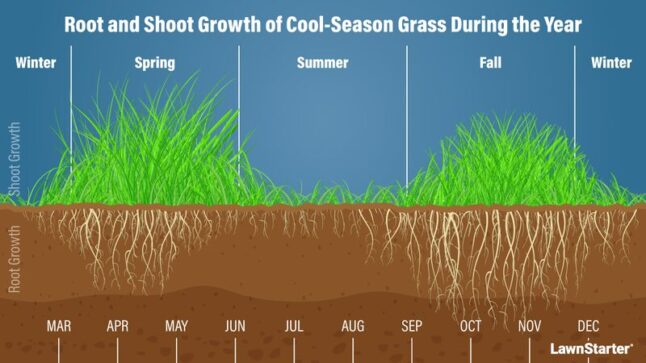
Image Source: www.lawnstarter.com
Why Overseed Your Lawn? The Many Overseeding Lawn Benefits
Overseeding is the process of sowing new grass seed directly onto an existing lawn without tearing up the soil. Think of it as giving your lawn a fresh start without the major upheaval of a complete renovation. The primary goals are often improving lawn density, filling in bare patches, and introducing stronger, more resilient grass varieties.
Here are some of the key overseeding lawn benefits:
- Increased Density: This is perhaps the most significant advantage. Overseeding fills in thin areas, creating a thicker, more luxurious carpet of grass. A denser lawn is better at resisting weeds, as fewer sunlight and nutrients are available for unwanted invaders.
- Improved Color and Uniformity: Over time, lawns can develop uneven patches of color or growth. Overseeding with high-quality seed can restore a more uniform, vibrant green hue and consistent texture.
- Enhanced Durability: By introducing newer, more disease-resistant and drought-tolerant grass varieties, you can significantly improve your lawn’s overall hardiness. This means it will bounce back better from stress caused by heat, drought, pests, or heavy foot traffic.
- Weed Suppression: As mentioned, a thicker lawn naturally chokes out weeds. Overseeding directly combats weed problems by giving your desirable grass the upper hand.
- Re-establishing Grass Types: If your lawn has become dominated by a grass type that doesn’t perform well in your climate, overseeding can be used to gradually transition to a more suitable variety.
How Often to Overseed Lawn: A Seasonal Approach
Deciding how often to overseed your lawn depends on its current condition and your goals. It’s not an annual necessity for every lawn, but rather a strategic intervention.
Assessing Your Lawn’s Needs
Before you even think about picking up a bag of seed, take a good look at your lawn. Ask yourself these questions:
- Is it thin? If you can easily see bare soil through the grass, especially in high-traffic areas, it’s a strong candidate for overseeding.
- Are there bare patches? Areas where grass has died completely due to disease, pests, or stress need new seed.
- Is it suffering from disease or pests? While overseeding can help with recovery, addressing the root cause of the problem is crucial.
- Has it been damaged by extreme weather? Droughts, excessive heat, or heavy rains can weaken a lawn, making overseeding beneficial.
- Do you want to improve its appearance? Even a relatively healthy lawn can benefit from a boost in density and color.
The Ideal Overseeding Lawn Frequency
For most homeowners, overseeding your lawn once a year is a good frequency to maintain a healthy, dense turf. However, this can vary:
- For lawns in excellent condition: You might only need to overseed every 2-3 years, focusing on specific thin spots as needed.
- For lawns with moderate thinning or struggling with weeds: Overseeding annually, typically in the fall, can help significantly.
- For lawns with severe thinning, bare spots, or recovering from major damage: You might consider overseeding twice a year (fall and spring) for a couple of years to rapidly rebuild the turf. However, be mindful not to over-seed too thickly, as this can lead to competition between new and old grass.
When to Overseed Your Lawn: The Best Time to Overseed Grass
The best time to overseed grass is a critical factor for success. The goal is to sow seed when conditions are favorable for germination and establishment, and when the existing grass is either dormant or can tolerate some competition from the new seedlings.
Fall: The Prime Overseeding Season
For cool-season grasses (like fescue, Kentucky bluegrass, and ryegrass), fall is unequivocally the best time to overseed your lawn. Here’s why:
- Moderate Temperatures: The scorching heat of summer has passed, and the harsh cold of winter hasn’t yet arrived. Daytime temperatures are typically in the 60s and 70s Fahrenheit, which are ideal for germination and early growth.
- Warm Soil: The soil retains heat from the summer, providing a cozy environment for seeds to sprout.
- Reduced Weed Competition: Many summer annual weeds have died off or are slowing down, meaning less competition for your new grass seedlings.
- Adequate Moisture: Fall often brings more consistent rainfall, though irrigation will still be necessary.
- Root Development: Cool-season grasses can establish a strong root system before winter dormancy sets in, preparing them for the stresses of the following summer.
When in the fall? Aim for late August through September or early October, depending on your specific climate. You want at least 4-6 weeks of favorable growing conditions before the first hard frost.
Spring: A Secondary Option
While fall is preferred, spring can also be a good time to overseed your lawn, particularly if you missed the fall window or if your lawn suffered significant winter damage.
- Warming Temperatures: As the soil warms up in spring, conditions become suitable for germination.
- New Growth: Grass naturally starts to grow again in spring, and overseeding can fill in any gaps that appeared over winter.
Challenges with Spring Overseeding:
- Weed Competition: Spring is a prime time for weed germination and growth. The new grass seedlings will have to compete with a host of annual weeds for light, water, and nutrients.
- Summer Stress: Grass seeded in the spring may not have developed a deep enough root system to withstand the upcoming summer heat and potential drought, leading to stress and even death.
- Herbicide Restrictions: If you plan to use pre-emergent herbicides to control crabgrass in the spring, you must be very careful. These herbicides can prevent your new grass seed from germinating. Always check the label for restrictions.
When in the spring? Aim for early to mid-spring, as soon as the ground can be worked and the danger of hard frost has passed.
Seasonal Overseeding: Tailoring Your Approach
Understanding the needs of your specific grass type and climate is key to successful seasonal overseeding.
Overseeding Cool-Season Grasses
Cool-season grasses thrive in moderate temperatures and are the most common types overseeded in many parts of the United States.
- Fescue: Tall fescue and fine fescues are popular choices. They are relatively easy to establish and tolerate some shade. Overseeding fescue lawn is best done in the fall.
- Kentucky Bluegrass: Known for its beautiful blue-green color and ability to spread, Kentucky bluegrass is a popular choice for many. Overseeding Kentucky bluegrass is also best performed in the fall. It germinates slower than fescue, so starting in the fall gives it ample time to establish.
- Perennial Ryegrass: This grass germinates quickly and establishes easily, making it a good option for filling in patches. It’s often mixed with fescue or bluegrass. Fall is the ideal time for overseeding ryegrass.
Overseeding Warm-Season Grasses
Warm-season grasses (like Bermuda grass, Zoysia, and St. Augustine) go dormant and turn brown in the winter. They are best overseeded in late spring or early summer when temperatures are consistently warm and they are actively growing.
- Bermuda Grass: This is a very popular warm-season grass that tolerates heat and drought well. Overseeding Bermuda grass is most effective when done in late spring or early summer. The warmer soil temperatures and longer daylight hours provide the perfect conditions for Bermuda seed to germinate and establish. Avoid overseeding Bermuda grass in the fall, as it will not have enough time to establish before winter dormancy.
The Overseeding Process: A Step-by-Step Guide
To maximize the success of your overseeding efforts, follow these steps:
Step 1: Prepare the Lawn
- Mow Low: Before you spread seed, mow your lawn at a lower setting than usual. This helps ensure the seeds have better access to sunlight and soil contact.
- Dethatch (If Necessary): If your lawn has a thick layer of thatch (more than half an inch), dethatching is recommended. Thatch is a layer of dead grass stems and roots that can prevent new seeds from reaching the soil.
- Aerate: Core aeration is highly beneficial before overseeding. It creates small holes in the soil, allowing seeds to fall into them for better germination and root establishment. It also helps reduce soil compaction.
- Remove Debris: Rake up any dead grass, leaves, or other debris to clear the surface.
Step 2: Select the Right Seed
- Choose Seed Suited to Your Climate: Select a high-quality grass seed blend specifically designed for your region and sunlight conditions (full sun, partial shade).
- Consider a Mix: Often, a blend of different grass types (e.g., fescue and ryegrass) can provide better overall performance and resilience.
- Check the Label: Look for seed with a high germination rate and low weed seed content.
Step 3: Apply the Seed
- Use a Spreader: A broadcast or drop spreader ensures an even application of seed. Follow the recommended seeding rates on the seed bag. Over-seeding too heavily can lead to competition and poor establishment.
- Direction Matters: For best coverage, make one pass in one direction and then another pass perpendicular to the first.
Step 4: Ensure Seed-to-Soil Contact
- Light Raking: Gently rake the seeded areas to work the seed into the top layer of soil. This is crucial for good germination.
- Compaction: You can lightly walk over the seeded areas or use a lawn roller to press the seed into the soil.
Step 5: Watering
- Consistent Moisture: This is arguably the most critical step after seeding. Keep the top layer of soil consistently moist, but not waterlogged. Light watering, multiple times a day, is often best during the germination period.
- Avoid Heavy Watering: Don’t blast the newly seeded areas with a strong stream of water, as this can wash the seeds away.
- Reduce Watering Frequency as Grass Grows: Once the grass is about an inch tall, you can gradually reduce the frequency of watering and water more deeply.
Step 6: Post-Overseeding Care
- Avoid Heavy Traffic: Keep foot traffic, pets, and lawn mowing off the newly seeded areas until the grass is well-established (at least 3-4 inches tall).
- First Mowing: When you do mow, set your mower to a higher setting than usual. This encourages the new grass to develop deeper roots.
- Fertilizing: Apply a starter fertilizer after seeding, or at least within a few weeks, to provide the necessary nutrients for strong growth.
How Often to Overseed Lawn: A Deeper Dive into Frequency
Let’s break down overseeding lawn frequency based on your specific goals:
Annual Overseeding for Enhanced Health
If your goal is to maintain a perpetually lush, dense, and healthy lawn, annual overseeding in the fall for cool-season grasses can be very effective. This consistent practice helps:
- Replace grass that dies off naturally each year.
- Introduce newer, improved grass varieties.
- Continuously improve weed resistance.
- Maintain a vibrant, uniform color.
Occasional Overseeding for Targeted Improvements
If your lawn is generally in good shape but has a few thin spots or is starting to show signs of wear and tear, you don’t need to overseed every single year. Consider overseeding only when:
- You notice significant thinning (more than 20% of the lawn).
- Bare patches appear after winter or summer stress.
- You’ve dealt with a pest or disease outbreak that has thinned the turf.
In these cases, you might overseed every 2-3 years, or only in specific problem areas rather than the entire lawn.
Aggressive Overseeding for Renovation
For severely neglected or damaged lawns, a more aggressive approach might be necessary. This could involve:
- Two Years of Annual Overseeding: Overseeding in the fall for two consecutive years can rapidly rebuild a thin or damaged lawn.
- Adjusting Practices: This aggressive approach should be coupled with improved lawn maintenance practices, such as proper watering, fertilization, and weed control, to ensure the new grass thrives.
Important Consideration: Over-seeding too frequently without addressing underlying issues can lead to a lawn that is constantly struggling and can be more susceptible to disease due to overcrowding.
Overseeding Maintenance: Keeping Your Overseeded Lawn Thriving
Overseeding is not a one-time fix; it’s part of an ongoing overseeding lawn maintenance plan.
- Watering: As mentioned, consistent moisture is key for germination and establishment. Once established, adjust your watering schedule to meet the needs of your specific grass type and local climate. Deep, infrequent watering encourages deep root growth.
- Fertilizing: Use a starter fertilizer when overseeding. After the new grass is established, transition to a regular fertilization schedule appropriate for your grass type. Avoid high-nitrogen fertilizers too early, as this can promote weak top growth at the expense of root development.
- Mowing: Mow at the correct height for your grass type. Never remove more than one-third of the grass blade at a time. This helps maintain healthy growth and shade the soil, which can deter weed germination.
- Weed Control: A healthy, dense lawn is the best defense against weeds. If weeds become a problem, spot-treat them or use herbicides judiciously, being mindful of any restrictions on newly seeded areas.
- Aeration and Dethatching: Continue with regular aeration and dethatching as part of your overall lawn care routine to prevent soil compaction and thatch buildup, which can hinder future overseeding efforts.
Frequently Asked Questions About Overseeding
Q1: Can I overseed my lawn in the summer?
While it’s possible, it’s generally not recommended to overseed cool-season grasses in the summer due to extreme heat and potential drought. Warm-season grasses can be overseeded in late spring/early summer when temperatures are consistently warm.
Q2: How long does it take for overseeded grass to grow?
Germination times vary depending on the grass type and conditions. Some grass types, like perennial ryegrass, can germinate in 5-10 days, while others, like Kentucky bluegrass, can take 2-3 weeks or even longer. Full establishment can take several weeks to a few months.
Q3: Do I need to fertilize after overseeding?
Yes, using a starter fertilizer after overseeding is highly beneficial. It provides the essential nutrients needed for new seed germination and seedling establishment.
Q4: Can I use weed killer before or after overseeding?
You need to be very careful. Most herbicides, especially pre-emergent herbicides, can prevent grass seed from germinating. Always read the product label carefully and follow its instructions regarding overseeding. It’s often best to wait until the new grass is established (several mowings) before applying any herbicides.
Q5: How much seed should I use?
Follow the recommendations on the seed bag. Over-seeding too thickly can lead to competition between the new grass seedlings and the existing turf, as well as among the new seedlings themselves, resulting in weaker growth. A general guideline for overseeding is about 5-10 pounds of seed per 1,000 square feet, but this can vary based on the seed type and your lawn’s condition.
Q6: My overseeding didn’t work. What went wrong?
Common reasons for overseeding failure include: poor seed-to-soil contact, insufficient watering, applying seed at the wrong time of year, using old or poor-quality seed, excessive shade, and heavy weed competition. Reviewing the steps outlined in this guide can help identify potential issues.
By following these guidelines, you can transform your lawn into a thicker, healthier, and more beautiful space, enjoying the many overseeding lawn benefits for years to come.