
How often do you water a lawn after seeding? You should water a newly seeded lawn lightly and frequently, typically 2-3 times a day, for the first 1-2 weeks, keeping the top inch of soil consistently moist but not waterlogged. The goal is to provide continuous hydration for the sprouting seeds.
Establishing a lush, green lawn from seed is a rewarding endeavor, but it requires careful attention, especially during the critical germination and early growth stages. One of the most crucial aspects of this process is watering newly seeded lawn. Get it wrong, and your efforts might go to waste. Get it right, and you’ll be well on your way to a thick, healthy carpet of grass. This guide will walk you through everything you need to know about how often to water lawn after seeding to ensure successful germination and vigorous growth.
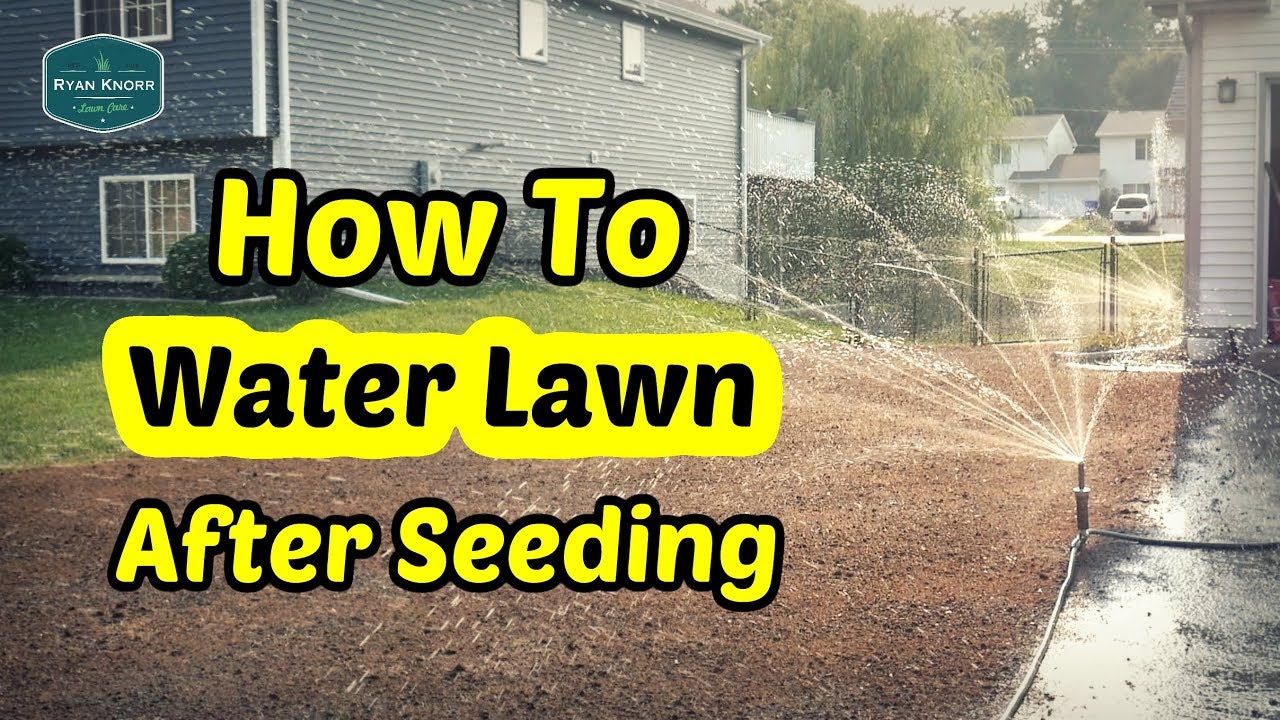
Image Source: i.ytimg.com
The Science of Seed Germination and Water
Before diving into the specifics of watering schedules, it’s important to grasp why water is so vital for grass seed. Grass seeds contain an embryo and stored food. For germination to occur, this embryo needs to absorb water. This process is called imbibition.
- Imbibition: This is the initial absorption of water by the dry seed. Water swells the seed coat and activates enzymes within the seed.
- Metabolic Activity: Once imbibition occurs, the seed’s internal machinery kicks into gear. It uses the stored food to fuel the growth of a root (radicle) and a shoot (plumule).
- Root Development: The radicle emerges first, anchoring the seedling and beginning to draw moisture and nutrients from the soil.
- Shoot Emergence: The plumule then grows upwards, pushing through the soil surface to reach sunlight.
For all these stages to happen successfully, a consistent supply of moisture is paramount. Dry conditions at any point during germination can kill the delicate seedling before it even has a chance to establish itself. This is why a specific seedling hydration schedule is essential.
Determining the Right Watering Frequency
The question of how often to water new grass seed isn’t a simple one-size-fits-all answer. Several factors influence the ideal watering frequency:
Key Factors Influencing Watering Needs
- Soil Type: Sandy soils drain quickly and require more frequent watering. Clay soils retain moisture longer and can become waterlogged if overwatered. Loam soils offer a good balance.
- Weather Conditions: Hot, dry, and windy weather will dry out the soil much faster, necessitating more frequent watering. Cooler, humid, or overcast days will reduce water loss through evaporation.
- Seed Type: Different grass species have varying germination times and moisture requirements. Cool-season grasses (like fescues and ryegrass) often germinate faster and may need more consistent moisture initially than some warm-season grasses.
- Stage of Growth: The watering needs of a newly sown seed are different from those of a seedling that has just emerged.
- Sun Exposure: Areas that receive full sun will dry out faster than shaded areas.
The Critical First Few Weeks: The Foundation of Your Lawn
The initial 1-2 weeks after sowing are the most critical for watering newly sown grass. During this period, the seeds are actively trying to germinate and the first roots are just beginning to form.
The Goal: Consistent Surface Moisture
The primary objective is to keep the top inch of the soil consistently moist. Think of it as keeping a damp sponge, not a soaking wet one. If the soil surface dries out, the tiny root hairs will wither and die, preventing further growth.
A Typical Watering Schedule for Newly Seeded Lawns:
- Frequency: 2-3 times per day (or more in very hot/dry conditions).
- Duration: Short, light waterings. Aim for just enough to moisten the top layer of soil. This might be 5-10 minutes per watering session, depending on your sprinkler system’s output.
- Observation: Check the soil moisture by gently pushing a finger into the soil. If it feels dry to the touch in the top half-inch, it’s time to water.
Why light and frequent?
Heavy watering at this stage can:
* Wash away seeds: Especially on slopes or with powerful sprinklers.
* Cause shallow root growth: Seeds that are constantly saturated may develop weak roots that stay near the surface, making them susceptible to drought later on.
* Promote fungal diseases: Waterlogged soil creates an ideal environment for certain lawn diseases.
This early stage is where many people go wrong. They either water too infrequently, allowing the seeds to dry out, or they water too heavily, washing them away or creating a soggy mess. The key is consistency and observation.
Transitioning from Germination to Establishment
Once you start seeing green sprouts appearing, you haven’t finished with the intensive watering yet. This is the beginning of establishing new lawn watering protocols. The seedlings are still very fragile and lack a deep root system.
The Second Phase: Reducing Frequency, Increasing Duration
As the grass begins to emerge and grow into small seedlings, you can gradually adjust your watering schedule. The goal shifts slightly from keeping the surface constantly damp to encouraging deeper root growth.
- Frequency: Reduce watering to 1-2 times per day.
- Duration: Increase the duration of each watering session. Aim to moisten the soil down to about 2-3 inches. This might mean watering for 15-20 minutes, again depending on your sprinkler output.
- Observation: Continue to check soil moisture. The soil should be moist, but you should allow the surface to dry out slightly between waterings. This encourages roots to grow deeper in search of moisture.
When to stop watering new lawn at this intensity? You can start to transition to a more mature lawn watering schedule once the seedlings have reached a height of about 1 inch and are clearly established. This typically happens around the 2-3 week mark after germination.
Best Time to Water New Lawn
The timing of your watering is just as important as the frequency and duration. Proper timing minimizes water loss due to evaporation and reduces the risk of disease.
Ideal Watering Times:
-
Early Morning (Dawn to 9 AM): This is generally considered the best time to water new lawn.
- Benefits: Temperatures are cooler, and there is less wind, so more water reaches the soil.
- Disease Prevention: The grass blades have the entire day to dry off, which helps prevent fungal diseases.
- Seedling Hydration: Provides essential moisture for the seeds and young seedlings to start their day.
-
Late Afternoon/Early Evening (4 PM to 6 PM): This can be a secondary option if early morning watering isn’t feasible.
- Benefits: Still relatively cooler than midday, reducing evaporation.
- Considerations: If watering is done too late, the grass blades can remain wet overnight, increasing the risk of fungal infections. Ensure the grass has ample time to dry before nightfall.
Times to Avoid:
- Midday (10 AM to 4 PM): This is the least ideal time to water.
- High Evaporation: The sun is at its strongest, and temperatures are highest, leading to significant water loss through evaporation before it can even soak into the soil.
- Potential for Leaf Scorch: While less of a concern for delicate seedlings, water droplets on grass blades can sometimes act like tiny magnifying glasses, potentially causing scorch in intense sun.
Watering Tips for Grass Seed Success
Beyond the fundamental frequency and timing, several other watering tips for grass seed can significantly improve your chances of a successful lawn.
Essential Watering Tips:
- Use a Gentle Sprinkler: Employ a sprinkler that produces a fine mist or light spray. Avoid sprinklers that shoot out heavy streams of water, as these can displace the seeds or wash them into clumps.
- Water the Entire Area Evenly: Ensure that all seeded areas receive the same amount of water. Check your sprinkler coverage by placing a few empty cans around the lawn and observing how long it takes to fill them.
- Avoid Overwatering: While consistency is key, waterlogged soil can be detrimental. If you see puddles forming, reduce the duration or frequency of your watering.
- Adjust Based on Observation: Your eyes and fingers are your best tools. Regularly check the soil moisture. If it feels dry, water. If it’s saturated, hold off.
- Consider a Light Top-Watering: After the grass has emerged and you’ve begun to mow, a very light watering immediately after mowing can help keep the soil cool and moist, especially in hot weather.
- Use a Soil Moisture Meter: For more precise watering, a soil moisture meter can be invaluable. It allows you to check moisture levels at different depths without having to dig.
Gradual Transition to a Mature Lawn Watering Schedule
As your new grass grows taller, you’ll need to shift your watering strategy again. The goal now is to encourage deep root development, making the lawn more resilient to drought and stress.
Moving Towards Deeper, Less Frequent Watering:
- When to Transition: Once the grass has been mowed at least twice (meaning it’s a few inches tall and well-established).
- Frequency: Reduce watering to every 2-3 days, or even less frequently depending on weather.
- Duration: Increase the duration of each watering session significantly. Aim to water deeply, so the moisture penetrates 4-6 inches into the soil. This could mean watering for 30 minutes or more per session.
- Goal: Encourage grass roots to grow deeper in search of moisture. If you water shallowly and frequently, the roots will stay shallow and the lawn will be less drought-tolerant.
How to know if you’re watering deeply enough? After watering, you should see moist soil extending several inches down. If you’re unsure, use a trowel or soil probe to check the depth of moisture penetration.
When to Stop Watering New Lawn Intensively?
You can consider the intensive watering phase over when:
- The grass is consistently 2-3 inches tall.
- You have successfully mowed the new lawn at least twice without damaging it.
- The overall turf appears healthy and established.
At this point, you can start implementing a watering schedule for a mature lawn, which generally involves deep, infrequent watering.
Common Challenges and Solutions in Watering New Seed
- Problem: Seeds washing away on slopes.
- Solution: Use a gentle sprinkler, water more frequently for shorter durations, or consider using a straw mulch to hold seeds in place. Hydroseeding is also an option that can help with erosion control.
- Problem: Uneven germination due to inconsistent watering.
- Solution: Ensure your sprinkler system covers the entire area evenly. Adjust sprinkler heads or watering times as needed.
- Problem: Fungal diseases appearing.
- Solution: Ensure you are not overwatering, especially in the evenings. Improve air circulation if possible and allow the soil surface to dry between waterings once seedlings are established.
- Problem: The soil drying out too quickly in hot weather.
- Solution: Water more frequently during heat waves. Consider applying a light layer of straw mulch (about 1/4 to 1/2 inch) over the seeded area to help retain moisture.
Understanding the Role of Mulch in Watering Newly Seeded Lawn
A light layer of straw or a specialized seed-starting mulch can be incredibly beneficial for watering newly seeded lawn.
Benefits of Mulching for Seeded Areas:
- Moisture Retention: Mulch acts as a barrier, reducing evaporation from the soil surface and keeping the seeds and young seedlings consistently moist.
- Temperature Regulation: It helps keep the soil cooler during hot days and warmer during cool nights, creating a more stable environment for germination.
- Erosion Control: On slopes or in windy areas, mulch can help hold the seeds in place, preventing them from being washed or blown away.
- Reduced Weed Competition: A light layer of mulch can help suppress some weed seeds from germinating.
How to apply mulch:
Apply a thin, even layer of clean, weed-free straw (about 1/4 to 1/2 inch thick) over the seeded area. You should still be able to see about half of the seed through the mulch. Avoid using hay, as it often contains weed seeds that will sprout along with your grass.
Conclusion: Patience and Consistency are Key
Successfully establishing new lawn watering practices requires patience and consistent attention. The key is to keep the seedbed consistently moist, especially during the crucial first few weeks.
Remember these core principles:
- Frequent, light watering for the first 1-2 weeks.
- Gradually reduce frequency and increase duration as seedlings grow.
- Water in the early morning whenever possible.
- Observe soil moisture and adjust your watering accordingly.
- Use gentle watering methods and consider mulch.
By following these guidelines and adapting to your specific conditions, you’ll be well on your way to nurturing a healthy, vibrant lawn from seed. The effort invested in proper watering during the early stages will pay dividends in a beautiful, resilient turf for years to come.
Frequently Asked Questions (FAQ)
Q1: Can I water my newly seeded lawn with a hose?
A1: Yes, but you must use a spray nozzle on a very gentle setting. Avoid using a strong stream of water, which can dislodge the seeds and create bare patches. It’s often easier to achieve a consistent, gentle watering with a sprinkler designed for new lawns.
Q2: How long does it take for grass seed to germinate?
A2: Germination times vary depending on the grass species and environmental conditions. Most common lawn grasses germinate between 7 and 21 days. Some might sprout a bit sooner, while others can take longer.
Q3: What should I do if it rains after I’ve seeded?
A3: If you receive sufficient rainfall that moistens the soil to the desired depth, you can skip watering for that day. However, continue to monitor the soil moisture. If the surface starts to dry out between natural rainfall events, resume your watering schedule.
Q4: Is it okay to mow newly seeded grass?
A4: Wait until the new grass reaches about one-third taller than your desired mowing height. For most lawn grasses, this means waiting until it’s around 3 inches tall. Always use a sharp mower blade and never remove more than one-third of the grass blade at a time.
Q5: My grass seed isn’t sprouting evenly. What could be the problem?
A5: Uneven germination is often due to inconsistent watering, where some areas dry out while others remain too wet. It can also be caused by poor seed-to-soil contact, soil compaction, or variations in soil quality. Review your watering technique and ensure seeds are in good contact with the soil.
Q6: How much water is too much for new grass seed?
A6: Too much water means the soil is saturated and remains constantly waterlogged. You’ll see puddles or water pooling on the surface. Overwatering can drown the seeds, wash them away, and promote fungal diseases. The goal is consistently moist, not soggy, soil.
Q7: When can I stop watering my new lawn every day?
A7: You can typically stop watering daily once the seedlings have emerged and have reached about 1 inch in height. At this stage, you can transition to watering once or twice a day, focusing on slightly longer durations to encourage deeper root growth. Continue this until the grass is well-established (a few inches tall and mowed a couple of times).