
When should you water lawn seed? You should water lawn seed frequently, often multiple times a day, to keep the top layer of soil consistently moist until the grass sprouts and is about an inch tall. After that, you can gradually reduce the frequency.
Starting a new lawn from seed is an exciting prospect. The thought of lush, green grass blanketing your yard is a powerful motivator. However, the success of your new lawn hinges on one crucial element: proper watering. Without the right approach, your carefully sown seed can wither and fail to establish. This guide will provide a comprehensive look at how often to water lawn seed, ensuring your tiny grass plants get the best possible start.
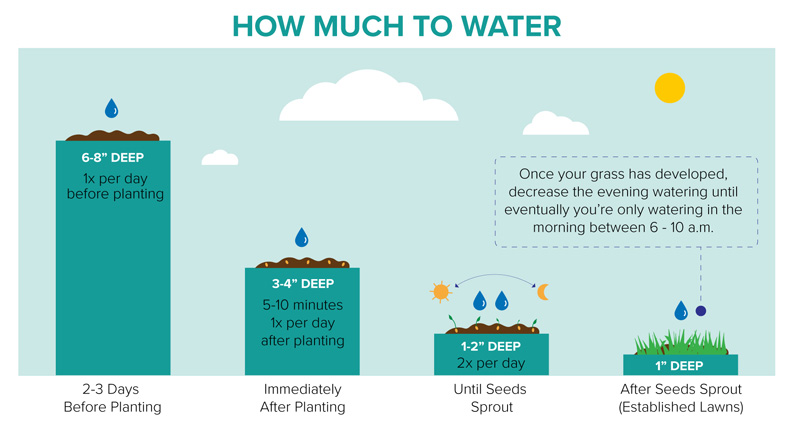
Image Source: www.melnor.com
The Critical Role of Moisture for Seed Germination
Seed germination is a delicate process. For grass seed to sprout, it needs more than just contact with soil. It requires consistent moisture to soften the seed coat and activate the embryo within. Think of it like a tiny plant waiting for a drink to wake it up.
Seed Germination Watering: The Foundation of a New Lawn
The initial phase of seed germination watering is the most critical. During this period, the goal isn’t to soak the soil deeply, but to keep the surface consistently moist. This is where many new lawn enthusiasts falter, either overwatering and washing away the seed, or underwatering and allowing the delicate sprouts to dry out.
How to keep seed moist is the overarching question. The answer lies in understanding the soil’s behavior and the environmental conditions.
Factors Influencing Watering Frequency
Several factors will dictate precisely how often to water lawn seed:
- Soil Type: Sandy soils drain quickly and will require more frequent watering. Clay soils retain moisture longer, meaning you can water less often.
- Temperature: Hotter temperatures increase evaporation rates, meaning you’ll need to water more. Cooler weather reduces evaporation, allowing for less frequent watering.
- Wind: Windy conditions dry out the soil surface rapidly.
- Sunlight: Areas that receive full sun will dry out faster than shaded areas.
- Seed Type: Different grass varieties have slightly different moisture needs during germination.
Establishing a New Grass Watering Frequency
Once your seed begins to sprout, the new grass watering frequency shifts. You’re transitioning from encouraging germination to supporting the growth of young grass plants.
The Early Stages: Keeping It Damp
In the first few days after seeding, and until you see significant germination (little green shoots appearing), you need to focus on keeping the top layer of soil constantly moist. This might mean watering several times a day, especially in warm or windy weather. The soil should feel like a wrung-out sponge – damp, but not waterlogged.
- Morning: Water lightly after the dew has dried.
- Midday (if hot/windy): A quick misting can help prevent the surface from drying out.
- Late Afternoon/Early Evening: Water again to ensure moisture overnight.
Avoid watering late at night if possible, as prolonged dampness can encourage fungal diseases.
Transitioning to Deeper Watering
As your grass grows, you can gradually start watering less frequently but for longer durations. This encourages the roots to grow deeper into the soil in search of moisture, leading to a more resilient lawn.
Watering newly seeded lawn requires a careful balance. You want to provide enough water for the young roots to thrive, but not so much that it encourages shallow root growth.
The Art of Watering Newly Seeded Lawn
Here’s a breakdown of how to approach watering newly seeded lawn as it establishes:
- First Sprout: Once you see the first tiny green shoots, continue the frequent, light watering for about a week to ten days. The goal is still to keep the surface moist.
- Young Grass (1-2 inches tall): Begin to reduce the frequency slightly, but increase the amount of water. Aim for about 1/4 inch of water per watering session. This means watering until the soil is moist down to about 1-2 inches. You might be watering once a day or every other day, depending on conditions.
- Established Grass (2 inches and growing): As the grass gets a bit taller and stronger, you can further reduce the frequency and increase the duration of watering. The aim is to water deeply, about 1 inch of water per week, allowing the soil to dry out slightly between waterings. This encourages deep root growth.
How Much Water For Grass Seed?
Determining how much water for grass seed is not about a set amount but about achieving consistent soil moisture at the surface.
- Initial Stage: Light, frequent mistings or sprinkles that only dampen the top 1/2 inch of soil.
- Sprouting Stage: Continue light watering until grass is about 1 inch tall, ensuring the top 1-2 inches of soil remain moist.
- Post-Germination: As grass grows, gradually increase the depth of moisture. Aim to moisten the soil to 3-4 inches deep.
A good way to gauge this is to use a rain gauge or place a tuna can on the lawn while watering. When the can has about an inch of water, you’ve delivered the right amount.
When to Water Seed: Timing is Everything
Best time to water seed is crucial for maximizing absorption and minimizing evaporation.
Morning Watering: The Ideal Choice
The best time to water your newly seeded lawn is in the early morning, typically between 6 AM and 10 AM.
- Benefits of Morning Watering:
- Reduces Evaporation: Temperatures are cooler, and the sun is less intense, meaning more water is absorbed by the soil and less is lost to the atmosphere.
- Allows Drying: The grass has the entire day to dry off, reducing the risk of fungal diseases that thrive in prolonged dampness.
- Mimics Dew: It provides a natural moisture cycle similar to morning dew.
Afternoon Watering: A Necessary Evil
If you have to water in the afternoon, do so when the sun is less direct and temperatures are slightly cooler, if possible. Avoid the hottest part of the day.
Evening Watering: A Last Resort
Watering in the late afternoon or early evening can be acceptable, but it’s not ideal. If you do water in the evening, aim for early evening (before sunset) so the grass has some time to dry before nightfall. Watering late at night, when the grass remains wet for hours, significantly increases the risk of fungal diseases.
Watering Tips for Seeding Success
Beyond frequency and timing, several watering tips for seeding will contribute to a healthy, established lawn.
Use a Gentle Sprinkler
A sprinkler that produces a fine mist or light spray is ideal for newly seeded areas. This prevents the seed from being displaced and ensures gentle, even coverage. Avoid sprinklers that shoot out heavy streams of water, which can wash the seed into clumps or expose it entirely.
Monitor Soil Moisture
Don’t rely solely on a timer. Regularly check the soil moisture with your finger. If the top inch of soil feels dry, it’s time to water.
Avoid Overwatering
While keeping the soil moist is important, waterlogged soil can suffocate the seeds and roots, promoting disease. Ensure good drainage in your lawn area.
Adjust for Weather
- Hot Weather: Increase watering frequency to combat rapid evaporation.
- Cool Weather: Reduce frequency as evaporation slows.
- Rainfall: If you receive sufficient natural rainfall, you can skip watering. Check the soil moisture to be sure.
Protect Seed from Birds and Critters
A light layer of straw or a specialized seed blanket can help retain moisture and deter birds from eating your seed.
Watering Requirements for Overseeding
Watering requirements for overseeding are very similar to those for starting a new lawn from scratch. The goal is to keep the seed-to-soil contact area consistently moist until the new grass blades emerge and begin to establish.
- Initial Watering: Water gently but thoroughly immediately after overseeding.
- Germination Phase: Keep the top inch of soil consistently moist. This usually means light watering 1-3 times a day, depending on the conditions.
- Establishment Phase: As the new grass grows to about an inch in height, gradually reduce watering frequency and increase duration, encouraging deeper root growth.
Watering Frequency for New Sod vs. Seed
It’s important to differentiate frequency of watering new sod from that of seed. New sod, which is essentially mature grass already growing in soil, has a different set of immediate needs.
New Sod Watering
- Immediate Watering: Water newly laid sod thoroughly until the soil beneath it is moist.
- First Few Days: Water daily, or even twice daily in hot weather, to keep the sod and the soil underneath consistently moist. The goal is to encourage the roots to grow down into the soil.
- First 1-2 Weeks: Gradually reduce watering frequency to every other day, but increase the duration.
- After 2 Weeks: Begin transitioning to a more regular lawn watering schedule, watering deeply 1-2 times per week.
The key difference is that sod already has a root system, whereas seed does not. Seed requires constant surface moisture to trigger germination and support the initial vulnerable root development, while sod needs to establish its existing roots into the underlying soil.
Watering Schedule Considerations for New Lawns
Creating a lawn watering schedule for a new lawn is not about rigidly sticking to specific times. It’s about adapting to the needs of the grass as it grows and the prevailing weather conditions.
Phased Approach to Watering
- Phase 1: Germination (Seed to 1 inch tall)
- Frequency: Multiple times daily.
- Duration: Short bursts, just enough to dampen the surface.
- Goal: Keep the top 1/2 inch of soil perpetually moist.
- Phase 2: Establishment (1 inch to 2-3 inches tall)
- Frequency: Once daily or every other day.
- Duration: Longer, until the top 1-2 inches of soil are moist.
- Goal: Encourage root development downwards.
- Phase 3: Maturation (Above 2-3 inches tall)
- Frequency: 1-3 times per week.
- Duration: Deep watering, moistening soil to 4-6 inches deep.
- Goal: Promote strong, deep root systems for drought tolerance.
Troubleshooting Common Watering Issues
Even with the best intentions, problems can arise. Here are some common issues and how to address them:
Seed Washed Away
If you notice seed has been washed into clumps or bare patches, gently rake it back into place and continue with light, frequent watering. If it’s a severe washout, you may need to reseed the affected areas.
Brown or Wilting Grass
This is a clear sign of insufficient water. Increase your watering frequency immediately. Check the soil moisture to ensure you’re not just wetting the surface.
Yellowing Grass
While yellowing can be a sign of overwatering (due to root rot), it can also indicate a lack of nutrients. If the soil is consistently moist and the grass is still yellowing, consider a light application of a starter fertilizer formulated for new lawns.
Fungal Diseases
Overwatering, especially in the evening, can lead to fungal diseases like dollar spot or brown patch. If you notice these, reduce watering frequency and ensure good air circulation. Avoid watering in the evening.
Frequently Asked Questions About Watering Lawn Seed
Here are some common questions homeowners have about watering new lawn seed:
How long should I water newly seeded grass?
You should water newly seeded grass until it is about 2-3 inches tall. During the germination phase (when the seed is sprouting), you need to keep the top layer of soil consistently moist, which might mean watering several times a day for short durations. As the grass grows taller, you can gradually reduce the frequency and increase the duration of watering to encourage deeper root growth.
Can I water my new grass seed with a hose?
Yes, you can water new grass seed with a hose, but it’s crucial to use a spray nozzle that provides a gentle, fine mist. Avoid using a strong stream from the hose, as this can easily wash away the seed or create uneven watering patterns.
What happens if I overwater my grass seed?
Overwatering grass seed can lead to several problems. It can cause the seed to rot, prevent germination, or encourage the development of fungal diseases. Waterlogged soil also lacks oxygen, which is essential for root development. If you’ve overwatered, allow the soil to dry slightly before resuming watering.
What happens if I underwater my grass seed?
Underwatered grass seed will not germinate. Even if it does sprout, the young roots will dry out and die, leading to sparse and unhealthy growth. It’s crucial to maintain consistent moisture in the top layer of soil until the grass is well-established.
How do I know if I’m watering enough?
The best way to tell if you’re watering enough is to check the soil moisture. Stick your finger about an inch or two into the soil. If it feels dry, it’s time to water. For newly seeded areas, you want the top 1/2 inch to remain consistently damp.
Is it okay to water my seed in the midday sun?
While it’s not ideal, watering in the midday sun is better than letting the seed dry out completely. However, you will lose more water to evaporation. If you must water during the hottest part of the day, make sure it’s a light misting to help cool the surface. The absolute best time is early morning.
I see birds eating my seed. What can I do?
Birds are attracted to the moisture and the seeds themselves. You can deter them by covering the newly seeded area with a light layer of straw, peat moss, or a specialized seed blanket. This also helps retain moisture and protect the seed from wind and sun.
By following this comprehensive guide, you’ll be well on your way to cultivating a beautiful, healthy lawn from seed. Remember that patience and consistent attention to watering are your greatest allies in this endeavor.