
Can you throw a gas lawn mower in the trash? No, you cannot simply throw a gas lawn mower in your regular trash bin. Due to the presence of gasoline and oil, they are considered hazardous waste and require special disposal methods. This comprehensive guide will walk you through the safe and responsible ways to dispose of your old gas lawn mower, covering everything from preparing it for disposal to finding the right recycling or disposal facility.
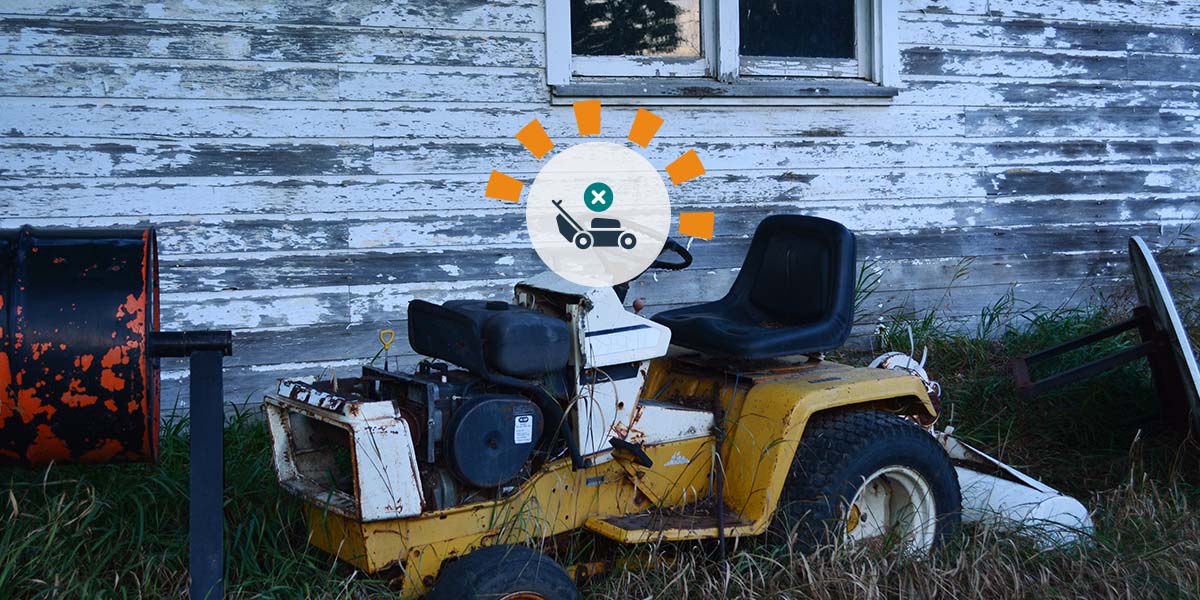
Image Source: dumpsters.com
Why Proper Disposal Matters
When it’s time to dispose of an old lawn mower, doing it the right way is crucial for several reasons. Firstly, gasoline and oil are hazardous materials that can harm the environment if not handled correctly. Leaking fuel can contaminate soil and water, posing risks to ecosystems and human health. Secondly, many parts of a lawn mower, like metal components and certain plastics, can be recycled, reducing waste and conserving resources. Ignoring proper disposal can lead to fines, environmental damage, and missed opportunities for resource recovery.
Step 1: Prepare Your Lawn Mower for Disposal
Before you can even think about taking your lawn mower to a disposal site, there are a few essential preparation steps. These steps are primarily about safely removing flammable materials and making the mower easier to transport.
Remove Fuel from Lawn Mower
This is the most critical safety step. Gasoline is highly flammable, and even small amounts left in the tank can be dangerous.
Here’s how to remove fuel:
- Gather Supplies: You’ll need a safe, approved gasoline container, a funnel, and gloves.
- Run the Mower: The easiest way to empty the tank is to run the mower until it stops from lack of fuel. Do this in a well-ventilated area, away from any open flames or sparks.
- Siphon (If Running is Not Possible): If you can’t run the mower (e.g., it won’t start), you can use a hand-crank siphon pump to carefully transfer the gasoline into a proper container. Insert one end of the siphon hose into the gas tank and the other into your approved container.
- Drain the Carburetor: After emptying the tank, locate the carburetor bowl and its drain screw (often a small screw at the bottom of the bowl). Place a small container underneath and carefully loosen the screw to drain any residual fuel.
Dispose of Old Lawn Mower: Handle Fluids Responsibly
Proper fuel disposal is just as important as removing it. Never pour gasoline down a drain, into the soil, or into storm sewers.
Ways to dispose of leftover gasoline:
- Use it Up: If you have a small amount left, the best option is to use it in another piece of equipment that requires gasoline, like a leaf blower or a generator.
- Hazardous Waste Facility: Most communities have designated hazardous waste disposal sites that accept old gasoline. Contact your local waste management authority to find the nearest facility and their operating hours.
- Auto Repair Shops/Gas Stations: Some auto repair shops or gas stations may accept small amounts of old gasoline for proper disposal. It’s always best to call ahead to confirm.
Drain Oil from the Engine
Just like gasoline, motor oil is a hazardous substance that needs careful disposal.
How to drain the oil:
- Warm Up the Engine (Slightly): It’s easier to drain oil when it’s warm, but be cautious – it will be hot. Run the mower for just a minute or two, then shut it off.
- Locate the Drain Plug: The drain plug is typically found at the bottom of the engine crankcase. You may need to tilt the mower to access it.
- Position a Container: Place a shallow pan or an old oil container directly underneath the drain plug.
- Remove the Plug: Use a wrench to carefully loosen and remove the drain plug. Let all the oil drain out.
- Dispose of Old Oil: Used motor oil should never be poured down drains or into the environment. Take it to an auto parts store, a mechanic, or a designated recycling center that accepts used motor oil.
Remove the Battery (If Applicable)
If your lawn mower has an electric start or is a battery-powered model, you’ll need to deal with the battery separately.
- Lead-Acid Batteries: These contain corrosive acid and heavy metals. They must be taken to a specialized battery recycling facility, an auto parts store, or a household hazardous waste collection site.
- Lithium-Ion Batteries: These are used in many newer cordless mowers. While less toxic than lead-acid batteries, they can be a fire hazard if damaged. Many electronics recycling centers or designated hazardous waste facilities accept them. Never put them in your regular trash.
Clean the Mower
Give your lawn mower a good clean. Remove any grass clippings, dirt, or debris. This makes it easier to handle and transport, and it’s also a good practice for anyone who might be processing it for recycling.
Step 2: Finding Disposal Options
Now that your lawn mower is prepped, it’s time to figure out where it can go. There are several avenues for lawn mower recycling and disposal, depending on your location and the condition of the mower.
Municipal Hazardous Waste Disposal
Your local municipality or county is often the first place to check for disposal options. Many have specific programs for handling yard equipment disposal.
- Household Hazardous Waste (HHW) Collection Sites: These facilities are equipped to handle hazardous materials like gasoline, oil, and batteries. They often have designated drop-off days or permanent collection centers.
- Special Collection Events: Some towns host periodic collection events for bulk items or hazardous waste.
- Contact Your Local Waste Management Department: Visit your city or county’s website, or give them a call. They will have the most up-to-date information on local disposal regulations and facilities.
Junk Lawn Mower Removal Services
If you don’t have the means to transport your old mower, or if you have multiple items to get rid of, a professional junk removal service can be a convenient option.
- How They Work: These companies will come to your home, pick up the mower, and transport it to a recycling or disposal facility.
- Cost: There will be a fee associated with this service, which usually depends on the size and weight of the item and the company’s pricing structure.
- Environmental Responsibility: Reputable junk removal services will ensure that items are disposed of or recycled responsibly, adhering to environmental regulations.
Scrap Metal Yards and Recycling Centers
The metal components of a lawn mower (frame, engine block, blades) are valuable for recycling.
- Scrap Lawn Mower: Many scrap metal yards will accept old lawn mowers. They typically pay by weight for the metal. You may need to remove non-metal parts like plastic housings and batteries before taking it in.
- Local Recycling Centers: Some general recycling centers may also accept old lawn mowers, especially those that have dedicated programs for scrap metal or appliances.
Reselling or Donating
If your lawn mower is still in working condition, or even if it just needs minor repairs, consider giving it a second life.
- Sell It: List it on online marketplaces (e.g., Craigslist, Facebook Marketplace, eBay), at a garage sale, or through local classified ads.
- Donate It: Local charities, vocational schools, or community gardens might accept working or repairable lawn mowers. This is a great way to help others and keep usable equipment out of landfills.
Abandoned Gas Mower Disposal Considerations
If you’ve found an abandoned gas mower on your property or in your neighborhood, the disposal process is similar, but you need to be mindful of ownership.
- Identify Ownership: If it’s not yours, try to ascertain ownership. If it’s truly abandoned, you may need to contact your local authorities or public works department.
- Follow Disposal Steps: Once you have the right to dispose of it, follow the same preparation steps (fuel, oil, battery removal) as outlined above.
Step 3: Responsible Disposal of Specific Components
Some parts of your lawn mower require special attention to ensure safe and environmentally sound disposal.
Proper Fuel Disposal
We’ve already touched on this, but it bears repeating: proper fuel disposal is paramount.
- Never pour gasoline down drains or on the ground.
- Store leftover fuel in approved containers.
- Utilize hazardous waste facilities for disposal.
Old Engine Disposal
The engine is the most complex and potentially hazardous part of your lawn mower.
- Metal Recycling: The engine block is primarily metal and can be recycled at scrap yards.
- Oil and Fuel Residue: Ensure all residual fuel and oil have been drained. If there are still fluids, the scrap yard may have specific requirements or might not accept it.
- Complete Unit: If you’re not dismantling it yourself, most full-service disposal options (like municipal collection or junk removal) will handle the engine as part of the mower.
Blades and Metal Parts
- Scrap Metal: Lawn mower blades and other metal components are excellent candidates for scrap metal recycling.
- Sharpening and Reuse: If the blades are still sharp enough, consider having them professionally sharpened and reused, either on a new mower or by donating them.
Plastic and Rubber Components
- Check Local Recycling: While not all plastics are easily recyclable, some curbside recycling programs might accept certain types of plastic from the mower housing. Check with your local recycling provider.
- Landfill: If plastic parts cannot be recycled locally, they will typically need to be disposed of in a landfill.
Table: Disposal Options at a Glance
| Disposal Option | Best For | Key Considerations |
|---|---|---|
| Municipal Hazardous Waste Disposal | All types of lawn mowers, especially older or non-functional ones. | Check local regulations, accepted materials, and drop-off hours. Often free or low-cost for residents. |
| Junk Lawn Mower Removal Services | Convenience, multiple items, no transportation means. | Fees involved. Ensure the service practices responsible disposal and recycling. |
| Scrap Metal Yards | Mowers with significant metal content, especially if you can dismantle. | May pay you for the metal. Check if they accept complete mowers or just parts. Ensure all fluids are removed. |
| Local Recycling Centers | Mowers that can be broken down into recyclable components. | Confirm they accept lawn mowers or scrap metal. May have specific drop-off requirements. |
| Reselling/Donating | Mowers in working or repairable condition. | Maximizes lifespan, benefits others. Requires effort to sell or find a recipient. |
| Auto Parts Stores / Mechanic Shops | Used motor oil and batteries. | Many accept these items for recycling. Check specific store policies. |
| Designated Hazardous Waste Facilities | Leftover gasoline. | Crucial for safe disposal of flammable liquids. Confirm their acceptance policies. |
Frequently Asked Questions (FAQ)
Q1: Can I just leave my old lawn mower on the curb?
A1: No, this is generally not permitted and is considered illegal dumping. Most municipalities have specific rules for disposing of large items or hazardous waste. Leaving it on the curb can also pose a safety hazard.
Q2: What do I do if my lawn mower has a lot of oil left in it?
A2: Collect the oil in a sealed container and take it to a facility that accepts used motor oil for recycling, such as an auto parts store, mechanic shop, or a municipal collection site.
Q3: Is it safe to take the lawn mower apart myself?
A3: Yes, for many people, dismantling a lawn mower is a safe and effective way to prepare it for disposal, especially if you plan to take parts to different recycling facilities. Just ensure you wear appropriate safety gear (gloves, eye protection) and handle fuel and oil with extreme care.
Q4: What if my lawn mower is electric or battery-powered?
A4: Electric and battery-powered lawn mowers still need proper disposal. Batteries, especially lithium-ion, require special handling due to fire risks and environmental concerns. Take them to a battery recycling center or a hazardous waste facility. The rest of the mower can often be recycled with scrap metal.
Q5: Are there specific rules for disposing of blades?
A5: Lawn mower blades are typically made of steel and can be recycled with other scrap metal. However, they are very sharp, so they should be handled with extreme caution and ideally wrapped or secured before transport to prevent injury.
Q6: How do I dispose of a broken lawn mower?
A6: A broken lawn mower follows the same disposal procedures as a working one. The key is to safely remove all fluids (fuel, oil) and batteries, and then find an appropriate recycling or waste disposal facility.
Q7: Who is responsible for disposing of lawn equipment left at a rental property?
A7: Typically, the property owner or landlord is responsible for the proper disposal of any items left behind by previous tenants, including old lawn mowers. They would need to follow the same guidelines for safe and responsible disposal.
Conclusion
Disposing of a gas lawn mower responsibly is a multi-step process that prioritizes safety and environmental protection. By diligently removing fuel and oil, exploring local disposal options, and understanding the specific requirements for different components, you can ensure your old yard equipment doesn’t become a burden on the environment. Whether you’re opting for lawn mower recycling, utilizing municipal hazardous waste disposal, or choosing junk lawn mower removal, taking these steps makes a significant positive impact. Remember, a little effort in preparation and finding the right facility goes a long way in keeping our communities clean and healthy.