
Overseeding a lawn involves spreading grass seed over an existing lawn to fill in bare spots, improve density, and introduce newer, more resilient grass varieties.
A lush, green lawn is the envy of any neighborhood. But sometimes, despite your best efforts, your lawn can become thin, patchy, or just plain dull. That’s where overseeding comes in! Overseeding is a fantastic way to revive your turf, making it thicker, greener, and more resistant to disease and pests. This guide will walk you through everything you need to know about overseeding a lawn, from choosing the right seed to the best times to do it.
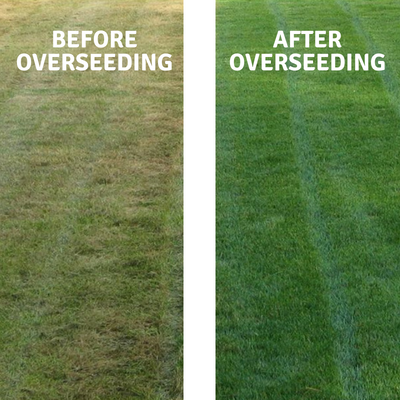
Image Source: www.turfunlimited.com
When to Overseed Your Lawn: Timing is Everything
Knowing when to overseed lawn is crucial for success. The best time to overseed depends on your grass type and climate.
The Best Time to Overseed Grass
For most types of grass, the ideal time to overseed is during the fall. This is because:
- Cooler Temperatures: Most desirable lawn grasses are cool-season grasses that thrive in cooler weather. Fall provides the perfect mild temperatures for germination and establishment.
- Reduced Weed Competition: Weeds are less competitive in the fall as many annual weeds die off with the first frost.
- Moisture: Autumn often brings increased rainfall, which is vital for new seed germination.
- Soil Warmth: The soil retains warmth from the summer, which aids in seed germination even as air temperatures cool.
While fall is generally the prime time, spring can also be a viable option, especially in regions with very hot summers or mild winters. However, spring overseeding comes with more challenges, primarily increased weed competition and the stress of approaching summer heat on young seedlings.
Overseeding Bermuda Grass: A Special Case
Overseeding Bermuda grass requires a different approach. Bermuda grass is a warm-season grass that goes dormant in the cooler months, turning brown. Overseeding Bermuda grass is typically done in late spring or early summer, just as the grass is actively growing. This allows the new Bermuda grass seed to germinate and establish before the hottest part of the summer or the onset of dormancy. However, overseeding with a cool-season grass, like rye, in the fall is common to provide a temporary green cover during the winter. This is often called “winter overseeding.”
Overseeding Cool Season Grass: Fall is Your Friend
For overseeding cool season grass, such as fescue, bluegrass, and rye, fall is undeniably the best time. Aim for a few weeks before the first expected frost. This gives the grass seedlings enough time to establish a good root system before winter sets in.
Overseeding Patchy Lawns: Reviving Thin Spots
If you have an overseeding patchy lawn, you can often overseed these specific areas as soon as you notice them, as long as the weather is favorable. However, for a comprehensive lawn renovation, a full overseeding in the optimal season is more effective.
Overseeding Warm-Season Grasses: Specifics for Zoysia and St. Augustine
- How to Overseed Zoysia: How to overseed Zoysia follows the same principles as overseeding Bermuda grass. It’s a warm-season grass, so the best time for overseeding with Zoysia seed is during the late spring or early summer when soil temperatures are consistently warm.
- Overseeding St. Augustine Grass: Overseeding St. Augustine grass is a bit trickier. St. Augustine grass is a sod-forming grass that spreads by stolons and rhizomes, making it less responsive to overseeding with seed compared to other grasses. If you must overseed St. Augustine, do so in late spring or early summer when it’s actively growing. However, plugging or sodding is often a more successful method for repairing bare patches in St. Augustine lawns.
Choosing the Best Grass Seed for Overseeding
Selecting the best grass seed for overseeding is critical for achieving a beautiful, healthy lawn. The key is to choose a seed that complements your existing grass or replaces it with a superior variety.
Matching Your Existing Grass Type
The easiest and most successful approach is to overseed with a seed mix that matches your current grass type. For example, if you have a fescue lawn, choose fescue seed.
Considering Your Climate and Soil Conditions
- Cool-Season Grasses: If you live in a region with distinct seasons and cold winters, cool-season grasses are your go-to.
- Tall Fescue: Known for its durability, drought tolerance once established, and deep root system. It’s a great choice for overseeding lawns that see a lot of foot traffic. Overseeding lawn with fescue is a common practice for homeowners seeking a robust, low-maintenance lawn.
- Perennial Ryegrass: Germinates quickly, providing fast results. It’s good for overseeding to fill in thin areas rapidly.
- Kentucky Bluegrass: Forms a dense, attractive turf but is slower to germinate and establish, requiring more patience.
- Warm-Season Grasses: If you live in a warmer climate where winters are mild or your grass goes dormant in winter, warm-season grasses are ideal.
- Bermuda Grass: Extremely drought and heat tolerant, but goes dormant in winter.
- Zoysia Grass: Dense, tough, and low-maintenance once established. Also goes dormant in winter.
- St. Augustine Grass: A shade-tolerant grass with broad leaves, common in the southern U.S.
Seed Blends and Mixes
Often, the best grass seed for overseeding is a blend or mix. A blend contains different varieties of the same grass type (e.g., three different fescue varieties). A mix contains different grass types (e.g., fescue, ryegrass, and bluegrass). Blends and mixes are beneficial because they offer a wider range of traits, such as faster germination, better disease resistance, and improved shade or drought tolerance.
Table 1: Common Grass Seed Types for Overseeding
| Grass Type | Climate Suitability | Key Characteristics | Best For Overseeding To… |
|---|---|---|---|
| Tall Fescue | Cool & Transition Zones | Durable, deep roots, good drought tolerance, traffic tolerant | Fill in bare spots, improve density, increase drought resistance |
| Perennial Ryegrass | Cool & Transition Zones | Fast germination, good wear tolerance, can be less drought tolerant | Quick cover, fill in thin areas rapidly |
| Kentucky Bluegrass | Cool Zones | Dense turf, fine texture, good cold tolerance, slow establishment | Create a premium, dense lawn |
| Bermuda Grass | Warm Zones | Heat & drought tolerant, fast-growing, goes dormant in winter | Repair summer damage, create a resilient warm-season lawn |
| Zoysia Grass | Warm Zones | Dense, tough, low maintenance, drought tolerant, goes dormant | Create a robust, wear-resistant warm-season lawn |
| St. Augustine Grass | Subtropical & Tropical | Shade tolerant, broad leaves, spreads by stolons, goes dormant | (Often better plugged or sodded; seed is less common/successful) |
Preparing Your Lawn for Overseeding
Proper preparation is key to ensuring the new grass seed makes good contact with the soil and germinates effectively.
Step 1: Mow Low
Lower your mower to its lowest setting and mow the existing lawn. This helps to remove any thatch (dead grass) and allows the new seed to reach the soil surface. Bag the clippings to prevent smothering the new seed.
Step 2: Dethatch (If Necessary)
If your lawn has a thick layer of thatch (more than ½ inch), dethatching is essential. Thatch prevents seeds from reaching the soil and hinders water and nutrient penetration. You can rent a power dethatcher or use a garden rake to vigorously rake the lawn.
Step 3: Aerate Your Lawn
Aeration involves creating small holes in the soil. This is especially important for compacted soils, as it allows the new seed to fall into the holes and come into direct contact with the soil. It also improves air, water, and nutrient movement to the grass roots. You can rent a core aerator for the best results.
Step 4: Rake and Remove Debris
After dethatching or aeration, rake the lawn thoroughly. This breaks up any remaining thatch, loosens the soil surface, and removes any loose grass clippings or debris. This creates a nice, bare-soil surface for the seed.
The Overseeding Process: Seeding for Success
With your lawn prepped, it’s time to get down to the actual how to overseed lawn process.
Step 1: Choose Your Seed Spreader
A broadcast spreader (rotary spreader) is ideal for covering larger areas evenly. A drop spreader offers more precision for smaller areas or spot seeding.
Step 2: Apply the Seed
- Determine the Correct Seeding Rate: Check the seed bag for the recommended seeding rate per 1,000 square feet. It’s often better to err on the side of slightly too much seed than too little, especially for overseeding patchy lawns.
- Apply in Two Directions: To ensure even coverage, fill your spreader and apply the seed in one direction across the lawn. Then, refill the spreader and apply seed in the perpendicular direction (e.g., north-south, then east-west). This helps avoid missed spots and double-seeding.
Step 3: Lightly Rake the Seed In
After spreading the seed, lightly rake the lawn again. This helps to ensure good seed-to-soil contact, which is critical for germination. You don’t want to bury the seed too deeply; just a light covering is sufficient.
Step 4: Apply a Starter Fertilizer
A starter fertilizer, low in nitrogen and high in phosphorus, will provide the nutrients young seedlings need to establish a strong root system. Apply it according to the product’s instructions, ideally with your spreader before applying the seed, or immediately after.
Step 5: Water Gently and Consistently
This is one of the most critical steps.
- Initial Watering: Water the entire lawn thoroughly immediately after seeding.
- Ongoing Watering: Keep the seedbed consistently moist, but not waterlogged, for the first 1-2 weeks. This means watering lightly once or twice a day, especially in dry or windy conditions. As the seedlings grow, you can gradually reduce the frequency and increase the duration of watering. Avoid heavy downpours that can wash away the seed.
Post-Overseeding Care: Nurturing New Growth
Once the seeds have sprouted, your job isn’t quite done. Proper care will ensure the new grass thrives.
Mowing New Grass
- First Mow: Wait until the new grass reaches about 3 inches in height. When you mow for the first time, set your mower to a higher setting than usual.
- Avoid Scalping: Never cut off more than one-third of the grass blade at a time, especially for young seedlings.
- Bag Your Clippings: It’s a good idea to bag the clippings from the first few mows to prevent smothering the new grass.
Watering New Grass
As the grass matures, transition to a deeper, less frequent watering schedule. This encourages the roots to grow deeper into the soil, making the lawn more drought-tolerant. Aim to water deeply enough to moisten the soil 4-6 inches down.
Fertilizing New Grass
Follow the recommendations on your starter fertilizer bag. Typically, you’ll fertilize again about 4-6 weeks after overseeding. Use a balanced fertilizer or one formulated for established lawns.
Weed Control
Be cautious with herbicides after overseeding. Most pre-emergent herbicides will prevent your new grass seed from germinating. If you must use a herbicide, wait until the new grass has been mowed at least three times. For the first year, hand-pulling weeds is the safest approach.
Common Problems and Solutions
Even with careful planning, you might encounter a few hiccups.
Problem: Seed Not Germinating
- Possible Causes: Lack of moisture, seed applied too deeply, poor seed-to-soil contact, incorrect timing, or using old seed.
- Solutions: Ensure consistent moisture, rake the seed lightly, ensure good soil contact, and check the seed’s expiration date.
Problem: Seed Washed Away
- Possible Causes: Heavy rainfall or watering on a slope, or seed not raked in.
- Solutions: Use erosion control netting on slopes, or rake seed in more thoroughly. For small washouts, reseed those areas.
Problem: Uneven Germination
- Possible Causes: Uneven spreader application, variations in soil moisture or compaction.
- Solutions: Overseed again in the patchy areas, ensuring good seed-to-soil contact and consistent moisture.
Overseeding Specific Grass Types: Advanced Tips
Let’s dive a little deeper into specific grass types.
Overseeding Bermuda Grass: Winter Rye Combo
As mentioned, overseeding Bermuda grass with a cool-season grass like perennial ryegrass in the fall is a popular practice for winter color. The rye germinates and grows during the cooler months, providing a green carpet over the dormant Bermuda. As temperatures rise in the spring, the rye will naturally die off, allowing the Bermuda to re-emerge. When overseeding Bermuda grass for its own growth, focus on late spring/early summer.
Overseeding Cool Season Grass: Fescue Focus
Overseeding lawn with fescue is often done to introduce newer, improved varieties of fescue that offer better disease resistance, drought tolerance, and finer texture. Tall fescue is particularly forgiving for overseeding due to its clumping growth habit and robust nature. When overseeding with fescue, ensure the soil is moist and the seed has good contact.
How to Overseed Zoysia: Patience is Key
How to overseed Zoysia requires patience. Zoysia is a slow-growing grass. When overseeding, use a premium Zoysia seed and be prepared for a longer germination and establishment period compared to faster-growing grasses like ryegrass. Ensure warm soil temperatures and consistent moisture.
Overseeding St. Augustine Grass: The Nuances
Overseeding St. Augustine grass can be challenging. Its broad leaf blades and spread by runners mean that seed often struggles to reach the soil. If you’re trying to fill in small, thin patches, ensure the seed is applied directly to the soil and has good contact. For larger areas or significant thinning, consider sodding or plugging with St. Augustine sod or plugs, as this is a more reliable method for this grass type.
Frequently Asked Questions (FAQ)
Here are some common questions people have about overseeding.
Q1: Can I overseed my lawn in the summer?
A1: It’s generally not recommended for cool-season grasses, as the heat and potential drought can kill the new seedlings. Warm-season grasses can be overseeded in early summer.
Q2: How often should I overseed my lawn?
A2: For most lawns, overseeding once a year in the fall is sufficient. If your lawn is severely thin or damaged, you might consider overseeding in the spring as well, but be mindful of the challenges.
Q3: Will overseeding kill my existing grass?
A3: No, overseeding is designed to work with your existing lawn. The goal is to introduce new grass without removing the old. However, proper preparation like mowing low and dethatching can trim back existing grass to make way for the new seed.
Q4: How long does it take for overseeded grass to grow?
A4: Germination times vary by grass type. Perennial ryegrass can sprout in 5-7 days, while fescue can take 7-14 days, and Kentucky bluegrass 14-21 days or longer. Full establishment can take several weeks to a few months.
Q5: Can I use a weed killer before overseeding?
A5: Be very careful. Most pre-emergent weed killers will prevent your new grass seed from germinating. Wait at least a month or two after applying pre-emergents before overseeding, and check product labels. For post-emergent weed control, it’s best to wait until the new grass has been mowed several times.
Conclusion
Overseeding is a powerful technique to transform your lawn from patchy and thin to thick, lush, and vibrant. By carefully selecting the right seed, preparing your lawn properly, and following a consistent watering and care schedule, you can achieve the green carpet of your dreams. Remember to always consider your specific grass type and climate for the best results. Happy overseeding!