
Can you cut patterns into your lawn? Yes, you can cut amazing patterns into your lawn! This guide will show you how to achieve those beautiful striped lawn patterns that make your yard the envy of the neighborhood. From simple lines to intricate designs, creating lawn patterns is an achievable goal for any homeowner. This lawn striping guide covers everything you need to know about lawn mowing patterns and lawn care patterns for a truly stunning result.
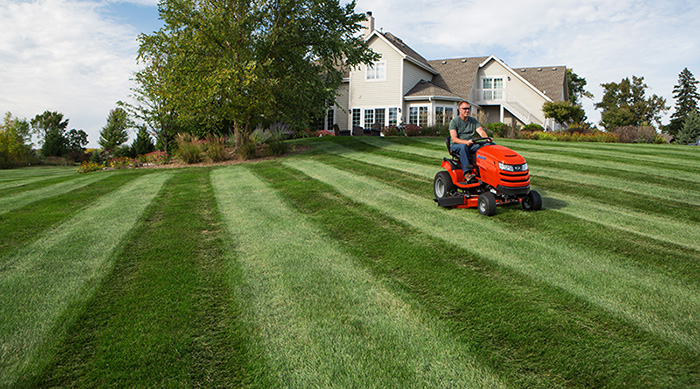
Image Source: www.simplicitymfg.com
The Magic of Lawn Stripes
What makes those striped lawns look so good? It’s all about light reflection. When you mow your lawn with a specific technique, you bend the grass blades in different directions. One direction reflects light towards you, making the grass appear lighter. The opposite direction bends the grass away, making it look darker. This contrast creates the stunning stripes that give your lawn that professional, manicured look. This technique is a form of ornamental lawn designs, transforming a simple lawn into a work of art.
Why Bother with Lawn Stripes?
- Aesthetic Appeal: Stripes add visual interest and a sense of order to your lawn.
- Professional Look: They give your yard a polished, high-end appearance.
- Pride of Ownership: A beautifully striped lawn shows care and attention to detail.
- Unique Yard: Stand out from the typical uniform green.
Getting Started: The Right Equipment
To achieve those perfect stripes, you need the right tools. While any mower can technically bend grass, some are better suited for the task.
Essential Equipment
- Rotary Mower: Most modern lawnmowers are rotary mowers. They have a horizontal blade that spins. The cutting deck’s ability to lift and bend the grass is key.
- Lawn Mower Striping Kits: Many manufacturers offer lawn mower striping kits. These are typically attachments that go on the back of your mower. They usually consist of a roller bar that gently presses the grass down after it’s been cut.
- Good Quality Mower: A mower that cuts cleanly and evenly is essential. Dull blades can tear grass, leading to a poor stripe.
- Healthy Lawn: The foundation of good striping is a healthy, well-maintained lawn. Thick, upright grass will hold its shape better.
What is a Lawn Mower Striping Kit?
A lawn mower striping kit is an accessory designed to enhance the striping effect of a rotary mower. It usually includes a roller that attaches to the rear of the mower. As you mow, the roller presses the grass blades down, creating a more defined and lasting bend. This makes the contrast between the light and dark stripes much more pronounced.
Choosing the Right Mower for Striping
- Roller Attachment: Mowers with built-in rollers or the ability to attach a roller are ideal.
- Deck Height Adjustment: The ability to adjust your cutting height allows you to experiment and find what works best for your grass type.
- Power: Sufficient power ensures a clean cut and consistent performance, especially when using a striping kit.
Can I Stripe with Any Mower?
While a dedicated striping mower with a roller is best, you can achieve some striping with most rotary mowers, especially with a good lawn mower striping kit. The key is the ability to press the grass down after cutting. If your mower doesn’t have a roller, consider purchasing an aftermarket striping kit. Even without a kit, if you have a heavier mower or a well-maintained lawn, you might see a subtle striping effect by simply adjusting your mowing pattern.
Mastering the Art of Striping: Basic Techniques
Once you have your equipment, it’s time to learn the fundamental lawn mowing patterns for creating stripes.
The Simple Straight Stripe
This is the most basic and common striped lawn pattern.
- Start at One Edge: Begin at one side of your lawn.
- Mow in a Straight Line: Mow in a perfectly straight line across the entire width of your lawn.
- Turn and Return: At the end of the row, turn your mower around. Mow the next row, overlapping slightly with the previous one.
- Direction Matters: For your second row, mow in the opposite direction of the first row. This creates the light and dark contrast.
- Continue Across the Lawn: Keep going back and forth, maintaining straight lines.
Creating the Light and Dark Effect
- Light Stripes: Mow away from yourself. The grass blades bend away from you, reflecting light back towards your mower and eyes.
- Dark Stripes: Mow towards yourself. The grass blades bend towards you, creating shadow.
How to Maintain Straight Lines
- Follow a Fixed Point: Pick a point in the distance (a tree, a fence post) and aim for it.
- Use the Mower Deck: Most mowers have a visual cue on the deck you can align with your previous pass.
- Practice: Like any skill, practice makes perfect. Don’t get discouraged if your first attempts aren’t perfect.
Mowing Against the Grain
When you complete a pass, you’re essentially mowing “with the grain” or “against the grain” of the previous pass.
- Mowing Away: Grass bends away, appearing lighter.
- Mowing Towards: Grass bends towards you, appearing darker.
Advanced Lawn Pattern Techniques
Once you’ve mastered the basic stripes, you can explore more complex ornamental lawn designs.
The Checkerboard Lawn Pattern
This creates a captivating checkered effect.
- Establish Your First Stripes: Start by mowing parallel stripes across your lawn as you normally would.
- Change Direction: After completing one set of parallel stripes (e.g., from north to south), stop.
- Mow Perpendicularly: Now, mow your lawn in a perpendicular direction (e.g., east to west).
- Maintain Alternating Directions: For the second set of stripes, alternate the direction of your mower on each pass, just as you did for the first set. This means if you mowed away on the first north-south pass, you’ll mow towards on the second, then away on the third, and so on.
- The Result: The alternating light and dark stripes in both directions will create a beautiful checkerboard lawn pattern.
Tips for the Checkerboard
- Precision is Key: Ensure your initial stripes are as straight and evenly spaced as possible.
- Consistent Overlap: Overlap each pass by a consistent amount.
- Sharp Blades: Crucial for clean cuts that hold the bend.
Diagonal Lawn Stripes
Adding a touch of flair with diagonal stripes.
- Start in a Corner: Begin at one corner of your lawn.
- Mow Diagonally: Mow across the lawn at a 45-degree angle.
- Turn and Continue: Turn your mower and mow the next row parallel to the first.
- Alternate Directions: Continue alternating mowing directions to create the light and dark effect.
- Repeat: Work your way across the entire lawn, maintaining your diagonal pattern.
Creating the Diagonal Effect
- Visual Alignment: Use the corner of your lawn as a guide.
- Consistent Angle: Try to maintain a consistent 45-degree angle for all stripes.
- Edge Trimming: You’ll likely need to trim the edges with a string trimmer after mowing to clean up any stray lines.
Concentric Circles and Curves
For the truly ambitious, intricate patterns are possible.
- Start in the Center: Begin by mowing a small circle in the center of your lawn.
- Expand Outward: Gradually mow larger circles, moving outward from the center.
- Alternating Directions: Remember to alternate your mowing direction on each pass to create the stripes. For circles, this means you’ll be mowing in one direction for one pass and the opposite for the next.
- Practice and Patience: This is the most challenging pattern and requires significant practice.
Tools for Curved Patterns
- Zero-Turn Mower: These mowers offer the best maneuverability for intricate designs.
- Careful Steering: Smooth, controlled steering is essential.
Understanding Grass Types and Striping
Not all grass types respond to striping equally. The type of grass you have can significantly impact the clarity and longevity of your stripes.
Best Grass Types for Striping
- Cool-Season Grasses:
- Kentucky Bluegrass: Excellent for striping due to its ability to self-repair and its stiff blades that hold a bend well.
- Perennial Ryegrass: Also responds well, often used in blends with Kentucky Bluegrass.
- Fine Fescues: Can produce good stripes, particularly when well-maintained.
- Warm-Season Grasses:
- Bermudagrass: Can produce very sharp stripes, especially when mowed low.
- Zoysiagrass: Also stripes well, offering a dense, upright growth habit.
Grasses That Are More Difficult to Stripe
- Tall Fescue: While it can be striped, its coarser blades may not hold a bend as firmly as other cool-season grasses.
- St. Augustine Grass: Its stolons and rapid spread can make consistent striping more challenging.
Why Grass Type Matters
The stiffness and density of the grass blades play a crucial role. Stiffer blades are more likely to stay bent in the direction you mow, creating a more defined contrast. Dense turf provides a fuller base for the stripes to stand out against.
Maintenance Tips for Pristine Stripes
Achieving great stripes is one thing; keeping them looking great is another.
Key Maintenance Practices
- Regular Mowing: Mow your lawn consistently, following your chosen pattern.
- Sharp Blades: Always use sharp mower blades. Dull blades tear the grass, leading to browning and poor stripe definition.
- Proper Watering: A healthy lawn with adequate moisture will hold its stripes better.
- Fertilization: A well-fertilized lawn is dense and vigorous, which enhances striping.
- Aeration: Core aeration helps improve soil health and allows grass roots to grow deeper, promoting stronger turf that stripes better.
When to Mow for Best Stripes
- After Watering: Mow when the grass is dry, not wet. Wet grass clumps and doesn’t bend as cleanly.
- At the Right Height: Don’t cut too short, as this can damage the grass and make striping difficult. Find the optimal cutting height for your grass type.
Troubleshooting Common Striping Issues
| Problem | Cause | Solution |
|---|---|---|
| Faint or no stripes | Mower not bending grass enough | Use a striping kit; ensure mower deck is clean; check tire pressure |
| Uneven or wavy stripes | Mowing in inconsistent lines | Practice straight mowing; use a fixed reference point |
| Stripes disappear quickly | Grass not holding its shape | Check grass type; ensure lawn health (water, fertilizer); consider a roller |
| Brown or damaged grass edges | Dull mower blades | Sharpen or replace mower blades regularly |
| “Ghosting” (faint lines seen) | Mowing too short or grass is weak | Mow at a slightly higher height; improve lawn health |
Elevating Your Lawn: Beyond Simple Stripes
Once you’ve mastered the basics, you can get creative with your lawn care patterns.
Combining Patterns
- Stripes and Circles: Create a striped lawn with a central circular design.
- Checkerboard with Border Stripes: Frame your checkerboard pattern with solid, parallel stripes.
Seasonal Striping
- Spring: Focus on establishing clean, straight lines.
- Summer: Experiment with more intricate patterns as the grass grows vigorously.
- Fall: Continue striping to maintain a tidy appearance.
Using Your Mower for More Than Just Cutting
Think of your lawn mowing patterns as a form of artistic expression. With practice and the right techniques, you can transform your yard into a beautiful canvas.
Frequently Asked Questions About Lawn Striping
Here are answers to some common questions about creating striped lawn patterns:
Q1: What is the best way to start creating lawn stripes?
A1: The best way to start is by using a mower with a rear roller or by attaching a lawn mower striping kit. Then, practice mowing in straight, parallel lines, alternating your mowing direction on each pass to create the light and dark contrast.
Q2: Can I achieve stripes without a special striping kit?
A2: It’s more difficult, but possible to a degree. Some heavier mowers or mowers with a sturdy deck might bend the grass enough. However, a dedicated striping kit will provide much more defined and lasting results.
Q3: How often should I mow to maintain my lawn stripes?
A3: Mow regularly, typically once a week during the growing season, following your chosen pattern. Consistent mowing is key to maintaining the stripe definition.
Q4: What kind of grass is best for lawn striping guide?
A4: Kentucky Bluegrass, Perennial Ryegrass, Bermudagrass, and Zoysiagrass are generally considered the best for creating lawn patterns due to their stiff blades and dense growth habits.
Q5: How do I mow a checkerboard lawn pattern?
A5: Mow parallel stripes in one direction. Then, turn your mower 90 degrees and mow parallel stripes perpendicular to the first set. Alternate your mowing direction on each pass for both sets of stripes to achieve the checkerboard effect.
Q6: What are ornamental lawn designs?
A6: Ornamental lawn designs are decorative patterns or arrangements created on a lawn, often through mowing techniques like striping, or by using different types of grasses, landscaping elements, or sculpted features to create visual appeal.
Q7: How do I create diagonal lawn stripes?
A7: Start in a corner of your lawn and mow at a 45-degree angle. Continue mowing parallel lines, alternating your mowing direction on each pass, to create the diagonal stripes.
Q8: Is rotary mower striping effective?
A8: Yes, rotary mower striping is the primary method used for creating lawn stripes. The spinning blade and the ability to bend the grass blades are what make striping possible. Using a roller attachment further enhances the effect.
Q9: What are the essential lawn care patterns for beginners?
A9: The essential lawn care patterns for beginners are simple, straight, parallel stripes. Once comfortable, you can progress to more complex patterns like the checkerboard or diagonal stripes.
Q10: How can I make my stripes sharper?
A10: Ensure your mower blades are sharp. Use a good quality lawn mower striping kit with a roller. Mow when the grass is dry. Maintain a healthy, dense lawn through proper watering and fertilization.
By following this comprehensive guide, you’ll be well on your way to achieving the stunning striped lawn patterns that elevate your home’s curb appeal and showcase your dedication to exceptional lawn care patterns. Happy mowing!