
Can you eat lawn mushrooms? Generally, no, you should not attempt to eat lawn mushrooms, as many species are toxic and can cause serious illness or even death. Removing mushrooms from your lawn is primarily an aesthetic and safety concern, not necessarily an indication of an unhealthy lawn, though their presence can signal underlying issues. This comprehensive guide will walk you through how to manage and prevent these unwelcome fungal guests, ensuring a healthy and safe lawn.
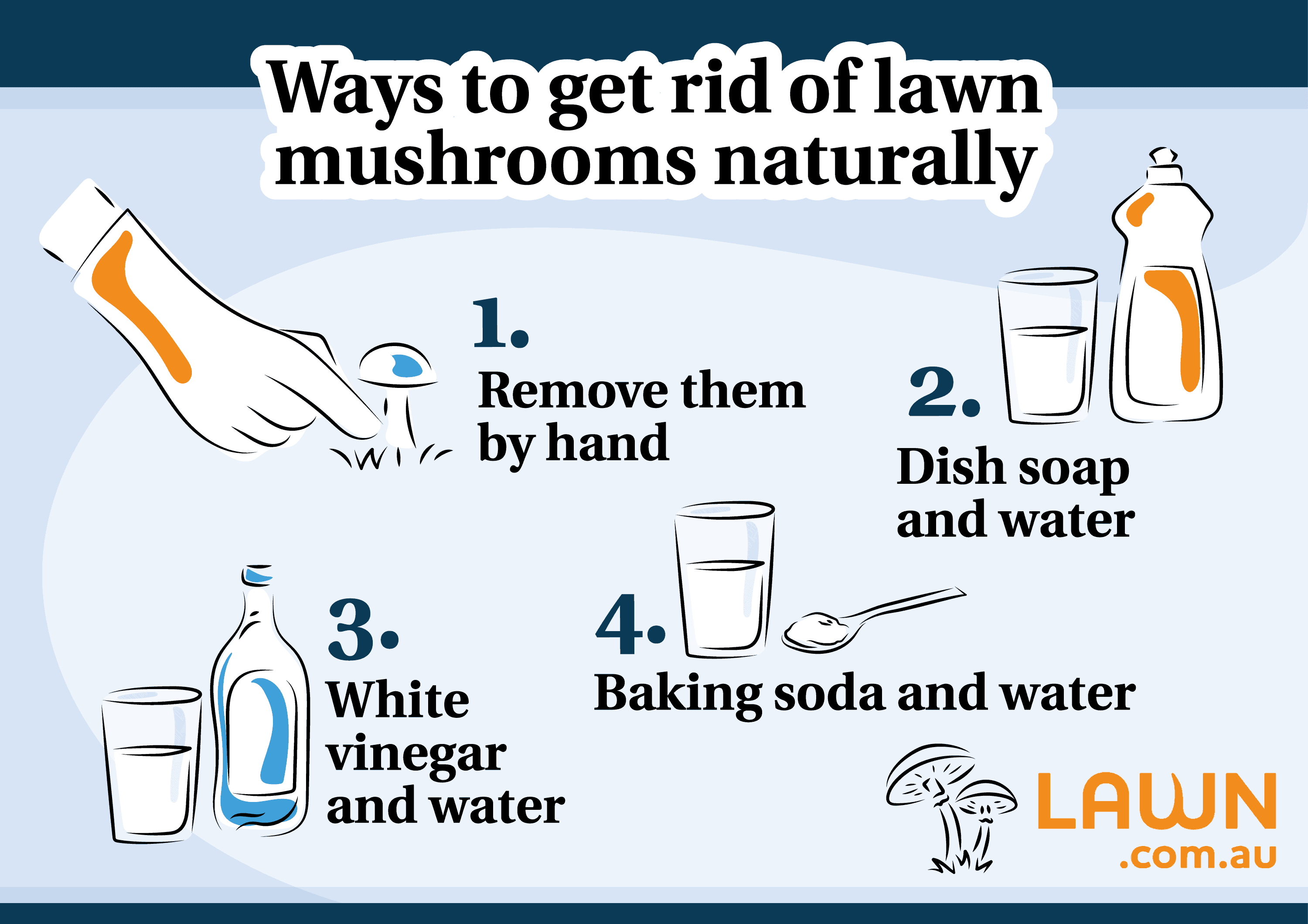
Image Source: lawn.com.au
Why Do Mushrooms Appear in Your Lawn?
Mushrooms, the fruiting bodies of fungi, pop up in lawns for a variety of reasons. Their appearance is often a sign that the soil beneath your turf is rich in decaying organic matter. This is not inherently bad; it means your soil has life. However, excessive or persistent mushroom growth can point to specific conditions you might want to address.
Common Causes for Fungal Growth
- Decomposing Organic Matter: This is the most common culprit. Buried thatch, dead animal matter (like a buried pet or forgotten pet toys), fallen leaves, or even woody debris in the soil can serve as a food source for fungi. The mushrooms are simply the visible reproductive parts of a much larger underground fungal network.
- Excessive Moisture: Fungi thrive in damp conditions. Overwatering your lawn, poor drainage, or frequent rainfall can create the perfect environment for mushrooms to flourish.
- Shady Areas: Many types of fungi prefer the cooler, moister conditions found in shaded parts of your lawn, especially those under trees or near buildings.
- Compacted Soil: Compacted soil restricts water and air movement, leading to increased moisture retention at the surface, which benefits fungi.
- Rich Soil: While a sign of healthy soil, overly fertile soil with a lot of organic material can sometimes lead to more abundant mushroom growth.
Identifying and Removing Mushrooms Safely
The first step in any lawn care endeavor is proper identification. While this guide focuses on general lawn mushroom control, it’s crucial to remember that many wild mushrooms are poisonous. Never taste or ingest a lawn mushroom.
Practical Methods for Mushroom Removal
Dealing with mushrooms is usually about managing their appearance and addressing the underlying causes.
Mechanical Removal
The simplest and most immediate way to get rid of mushrooms is to physically remove them.
- Pulling by Hand: Wear gloves for safety and hygiene. Grasp the mushroom firmly at the base and gently pull it out of the ground. Try to get as much of the root structure (mycelium) as possible, though complete removal of the underground network is unlikely with simple hand-pulling.
- Using a Spade or Trowel: For larger or more stubborn mushrooms, a small spade or trowel can help loosen the soil around the base, making removal easier.
- Bagging and Disposal: Place the removed mushrooms in a plastic bag, seal it tightly, and dispose of them in your regular trash. This prevents them from releasing spores and potentially growing back in the same spot.
Table 1: Mushroom Removal Techniques
| Method | Description | Pros | Cons |
|---|---|---|---|
| Hand-pulling | Gently pull mushrooms from the soil, ideally by the base. | Simple, immediate, no chemicals. | May not remove the entire underground network; can be labor-intensive. |
| Spade/Trowel | Loosen soil around the base and lift the mushroom out. | Effective for larger mushrooms, helps get more of the root. | Requires tools, slightly more effort. |
| String Trimmer | Carefully trim mushrooms at the base. | Quick, can be done without bending. | Spreads spores, doesn’t remove the root, can damage grass if not careful. |
| Raking | Gently rake over areas with mushrooms to break them up and disperse them. | Can help to disperse and dry out smaller mushrooms. | Spreads spores, less effective for larger growths. |
Chemical Solutions: A Word of Caution
While chemical solutions exist for killing mushrooms in yards, they are generally not recommended for aesthetic purposes alone. Most fungicides are designed to combat specific lawn diseases rather than generic mushrooms.
- Fungicides: If mushrooms are accompanied by signs of a specific lawn disease, a targeted fungicide might be appropriate as part of your overall lawn disease management strategy. However, fungicides will not typically “kill” mushrooms without addressing the underlying conditions that promote fungal growth. They are more effective at preventing disease spread.
- Household Solutions: Some people experiment with household solutions like vinegar or baking soda. While these can sometimes affect surface fungi, they are often ineffective against the established underground mycelial network and can harm your grass if not used carefully.
The focus for eliminating lawn mushrooms should always be on cultural practices and addressing the root causes rather than solely on chemical eradication.
Addressing the Underlying Causes for Mushroom Prevention in Turf
Effective mushroom prevention in turf goes beyond simply removing visible mushrooms. It involves creating a less hospitable environment for fungal growth. This is a core aspect of comprehensive lawn care for fungal growth.
Managing Soil Moisture
Controlling the moisture levels in your lawn is crucial for mushroom prevention.
- Proper Watering Practices: Water your lawn deeply and less frequently. This encourages deeper root growth in your grass, making it more resilient. Aim to water early in the morning so the grass has time to dry off during the day. Avoid leaving the lawn wet overnight.
- Improve Drainage: If your lawn holds water for extended periods after rain or watering, you may have poor drainage. Aerating your lawn can help improve soil structure and water penetration. For severe issues, consider installing a drainage system.
- Check for Leaks: Inspect sprinkler systems and hoses for leaks that might be contributing to localized wet spots.
Reducing Thatch Buildup
A thick layer of thatch (dead and living grass stems and roots) can retain moisture and provide a food source for fungi.
- Dethatching: Aeration is an excellent way to break up thatch. Power raking or dethatching can also be effective, but should be done carefully to avoid damaging the grass.
- Proper Mowing: Avoid cutting grass too short, as this can stress the plant and contribute to thatch buildup. Keep mower blades sharp.
Aeration and Soil Health
Aerating your lawn regularly is one of the most effective strategies for overall lawn health and can significantly impact mushroom prevention.
- Core Aeration: This process pulls small plugs of soil from the ground, which helps alleviate soil compaction and allows air, water, and nutrients to reach the root zone. It also helps break down thatch.
- Topdressing: After aerating, consider topdressing with a thin layer of compost. This adds beneficial microbes that can help break down organic matter and improve soil structure, contributing to a healthy lawn without mushrooms.
Removing Decaying Organic Matter
Proactively removing potential food sources for fungi is key.
- Clear Debris: Regularly rake leaves, twigs, and other organic debris from your lawn.
- Remove Buried Matter: If you suspect buried organic matter (like old pet waste or construction debris), try to locate and remove it.
Improving Sunlight Exposure
While not always feasible, increasing sunlight in shaded areas can help dry the soil and make it less appealing to certain types of fungi.
- Pruning: Trim lower branches of trees and shrubs that cast dense shade.
- Consider Shade-Tolerant Grasses: If shade is a persistent problem, you might consider overseeding with grass varieties that are more tolerant of low-light conditions.
Is a Mushroom Infestation a Sign of a Problematic Lawn Disease?
While mushrooms themselves aren’t usually a disease, their appearance can sometimes be a symptom of an underlying issue that might lead to lawn disease management challenges.
- Fairy Rings: Some mushrooms appear in circular patterns known as fairy rings. While often harmless, large or persistent fairy rings can indicate compacted soil or certain types of fungal diseases that damage the grass.
- Soil Conditions: The conditions that promote mushrooms (excess moisture, decaying organic matter) are also conditions that can favor certain turfgrass diseases.
Therefore, while you can safely remove the visible mushrooms, it’s wise to assess your lawn’s overall health and cultural practices. A healthy, well-maintained lawn is more resistant to diseases.
What is the Best Mushroom Killer for Lawns?
There isn’t a single “best mushroom killer for lawns” in the way you might think of a weed killer. This is because mushrooms are the fruiting bodies of a vast underground fungal network (mycelium). Killing the visible mushroom doesn’t eliminate the fungus.
- Focus on Prevention: The most effective “killer” is actually a preventative strategy that makes your lawn inhospitable to fungi. This involves addressing the cultural practices mentioned earlier: proper watering, good drainage, regular aeration, and removing decaying organic matter.
- Targeted Fungicides (with caution): If you are dealing with a specific, identified turf disease that is causing mushrooms, a fungicide specifically formulated for that disease might be considered. However, broad-spectrum fungicides can also harm beneficial soil microbes. It’s best to get a professional diagnosis before using chemicals.
Lawn Care for Fungal Growth: A Holistic Approach
Achieving a healthy lawn without mushrooms requires a consistent, holistic approach to lawn care.
Seasonal Maintenance for Mushroom Prevention
- Spring: Aerate and dethatch to break up compacted soil and thatch. Overseed any thin areas. Begin proper watering and mowing schedules.
- Summer: Continue regular mowing at the correct height. Monitor watering needs, especially during dry spells, but avoid overwatering.
- Fall: Remove fallen leaves promptly. Consider another round of aeration if needed. Adjust watering as temperatures cool.
- Winter: Keep off the lawn when it’s frozen or waterlogged to prevent compaction.
Tools and Equipment for a Healthy Lawn
- Aerator: Essential for relieving soil compaction.
- Dethatcher/Power Rake: For removing excessive thatch.
- Good Quality Mower: With sharp blades.
- Garden Gloves: For safe handling of mushrooms and soil.
- Plastic Bags: For disposal of removed mushrooms.
- Leaf Rake: For clearing debris.
FAQ Section
Can I just mow over the mushrooms?
Mowing over mushrooms will break them apart and can help them dry out, but it will also spread their spores throughout your lawn. It doesn’t address the underlying cause and can potentially lead to more mushroom growth in the future. It’s better to remove them manually.
Are mushrooms harmful to pets or children?
Yes, some lawn mushrooms can be toxic. Always supervise pets and children on the lawn and remove any mushrooms you find to prevent accidental ingestion.
How do I get rid of mushroom mycelium?
Completely eliminating the underground mycelium is very difficult without aggressive soil treatments that would likely harm your grass. The best approach is to make the soil conditions less favorable for fungal growth through good lawn care practices. Over time, a healthy lawn will naturally outcompete the fungi.
My lawn has mushrooms and brown patches. What should I do?
This combination can indicate a more serious turf disease. It’s recommended to get a professional diagnosis from a local extension office or a certified lawn care specialist. They can help identify the specific disease and recommend appropriate lawn fungus treatment.
Will adding lime to my lawn help with mushrooms?
The effectiveness of lime for mushroom control is debatable and depends on your soil’s pH. Fungi generally prefer slightly acidic to neutral soils. If your soil is already alkaline, adding lime will not help and could harm your grass. It’s best to test your soil’s pH before applying lime. Addressing moisture and organic matter is usually more effective.
How do I achieve a healthy lawn without mushrooms?
Focus on consistent, proper lawn care. This includes:
* Deep, infrequent watering.
* Regular aeration to prevent compaction.
* Dethatching to manage organic buildup.
* Prompt removal of leaves and debris.
* Mowing at the correct height.
* Ensuring adequate sunlight and air circulation.
By creating an environment where grass thrives, you naturally create an environment that is less conducive to widespread mushroom growth. This is the essence of effective mushroom prevention in turf and good lawn disease management.
Conclusion: Towards a Healthy Lawn Without Mushrooms
While the sudden appearance of mushrooms can be startling, it’s important to remember that they are often a natural part of a healthy soil ecosystem. The key to managing them effectively and achieving a healthy lawn without mushrooms lies not in aggressive eradication of the visible fungi, but in addressing the underlying conditions that allow them to thrive. By focusing on proper watering, good drainage, regular aeration, and keeping your lawn clean of debris, you can create an environment that favors strong, healthy turfgrass and minimizes the aesthetic impact of these ephemeral visitors. Remember, a proactive approach to lawn care is your best defense against unwanted fungal growth and the most effective method for eliminating lawn mushrooms naturally and safely.