
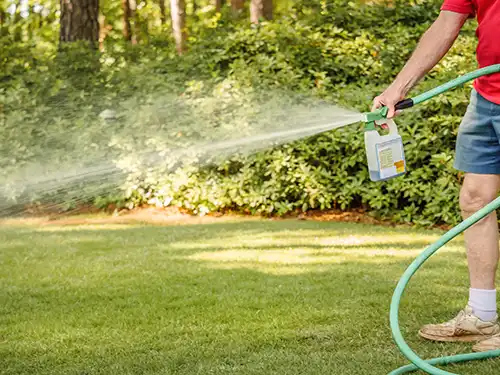
Image Source: florida.bugoutservice.com
How to Apply Weed Killer to Lawn Safely & Effectively
Can I apply weed killer to my lawn safely? Yes, you can apply weed killer safely and effectively by following specific steps and precautions. This guide will walk you through everything you need to know about herbicide application for a healthier, weed-free lawn. Effective weed control methods are a cornerstone of good lawn care and lawn maintenance.
Choosing the Right Weed Killer
Selecting the best weed killer for your specific needs is the first crucial step. Weed killers are broadly categorized into two main types: pre-emergent herbicides and post-emergent herbicides.
Pre-Emergent Herbicides
These herbicides work by preventing weed seeds from germinating. They are applied to the soil before weeds appear, creating a barrier that stops new weeds from growing.
- How they work: Pre-emergents inhibit root or shoot development in germinating seeds.
- Timing is key: They are most effective when applied in early spring before soil temperatures consistently reach 55°F (13°C) for crabgrass and other warm-season annual weeds. A second application in the fall can help control winter annual weeds.
- Benefits: Excellent for preventing common lawn weeds like crabgrass, foxtail, and goosegrass.
- Considerations: Pre-emergents do not kill existing weeds. They can also affect the germination of desirable grass seed, so avoid using them if you plan to overseed your lawn soon.
Post-Emergent Herbicides
These herbicides are designed to kill weeds that have already sprouted and are actively growing.
- How they work: Post-emergents are absorbed by the weed’s leaves and roots, disrupting its growth processes.
- Types of post-emergents:
- Selective: These target specific types of weeds (e.g., broadleaf weeds) without harming your lawn grass. This is usually what you want for a typical lawn.
- Non-selective: These kill any plant they come into contact with, including your grass. They are useful for clearing areas or for spot treatment where you want to remove all vegetation.
- When to use: Apply them when weeds are actively growing and are young for the best results.
- Benefits: Effective at eliminating existing weeds.
Understanding Weed Killer Labels
The label on any weed killer product is your most important guide. It provides vital information for safe weed killer use and effective application.
Key Information on Weed Killer Labels:
- Active Ingredient: This tells you what chemical compound is doing the killing. Different active ingredients target different types of weeds.
- Target Weeds: The label will list the specific weeds the product is designed to control.
- Lawn Grass Type: Crucially, it will state which types of lawn grasses the herbicide is safe to use on. Using a product not labeled for your grass type can kill your lawn.
- Application Rate: This specifies how much product to use per a given area (e.g., ounces per 1,000 square feet).
- Application Timing: It will advise on the best time of year and weather conditions for application.
- Safety Precautions: This section details necessary personal protective equipment (PPE) and handling instructions.
- Re-entry Interval: The time you must wait before entering the treated area after application.
- Pre-Harvest Interval (PHI): If the product is for food crops, this is the waiting period between application and harvesting. While not directly for lawns, it’s a common label component.
- Environmental Hazards: Information about potential risks to wildlife, water sources, and beneficial insects.
Preparing for Application
Proper preparation ensures you maximize the effectiveness of your weed killer and minimize risks to yourself, your family, pets, and the environment.
Essential Preparations:
- Identify Your Weeds: Knowing what weeds you’re dealing with helps you choose the right product. Common lawn weeds include dandelions, clover, crabgrass, and broadleaf plantain.
- Check Your Lawn Grass Type: As mentioned, this is critical. Some herbicides are safe for fescue but toxic to Bermuda grass, for example.
- Read the Label Thoroughly: Do not skip this step. Every product is different.
- Gather Necessary Equipment:
- Weed Killer: The product you’ve chosen.
- Applicator: This could be a pump sprayer, a hose-end sprayer, a granular spreader, or a simple watering can for spot treatment.
- Personal Protective Equipment (PPE):
- Gloves (chemical-resistant)
- Long-sleeved shirt
- Long pants
- Closed-toe shoes
- Eye protection (goggles or safety glasses)
- Respirator (if recommended on the label or if working in poorly ventilated areas)
- Measuring Tools: To ensure you use the correct amount of product.
- Water Source: For mixing liquid herbicides.
- Container for Mixing (if applicable): A clean bucket or jug.
- Stirring Stick: If mixing is required.
- Signage: To warn others that the area has been treated.
- Check the Weather Forecast:
- Wind: Avoid spraying on windy days (over 5-10 mph) to prevent drift onto desirable plants or areas you don’t want to treat.
- Rain: Do not apply weed killer if rain is expected within 24 hours, as rain can wash the product away before it can be absorbed.
- Temperature: Most herbicides are most effective when temperatures are between 60-85°F (15-29°C). Some pre-emergents require specific soil temperatures. Avoid applying when temperatures are excessively hot, as this can damage your lawn or increase the risk of chemical damage.
- Water Your Lawn (if dry): A slightly moist lawn can absorb post-emergent herbicides better. However, avoid watering for at least 24 hours before or after application.
- Mow Your Lawn (if using granular or some liquid applications): Mow a day or two before applying granular herbicides. This allows the granules to fall to the soil. For liquid applications, it’s often best to mow after treatment to allow the weeds to absorb the herbicide. Always check the product label for specific mowing instructions.
Application Methods
There are two primary ways to apply liquid weed killers: spot treatment and broadcast spraying. Granular applications are typically done with a spreader.
Spot Treatment
This method involves applying herbicide directly to individual weeds or small patches of weeds.
- When to use: Ideal for situations where weeds are scattered and not widespread throughout the lawn. It’s also the preferred method for non-selective herbicides to avoid damaging surrounding grass.
- How to do it:
- Mix the herbicide according to label instructions in a small sprayer.
- Carefully aim the spray directly at the target weed.
- Apply enough to wet the foliage but not so much that it drips onto the soil.
- Avoid spraying any desirable grass.
- Advantages: Uses less product, minimizes exposure to the lawn, and reduces the risk of drift.
- Disadvantages: Can be time-consuming if there are many weeds.
Broadcast Spraying
This involves applying the herbicide evenly over the entire lawn surface using a sprayer.
- When to use: Suitable when weeds are present in large numbers or throughout the entire lawn.
- How to do it:
- Calibration is Crucial: Before you start, calibrate your sprayer to ensure you are applying the correct rate. This involves measuring how much liquid your sprayer dispenses over a known area and adjusting the pressure or nozzle.
- Mix the herbicide in the sprayer tank according to label directions.
- Walk at a steady pace, moving the spray wand back and forth in overlapping passes to ensure even coverage.
- Pay attention to the spray pattern from the nozzle.
- Types of Broadcast Sprayers:
- Pump Sprayers: Small handheld or backpack sprayers. Good for smaller to medium-sized lawns.
- Hose-End Sprayers: Attach to your garden hose. They siphon concentrate from a bottle and mix it with water as you spray. Convenient but can sometimes be less precise.
- Advantages: Efficient for treating large areas.
- Disadvantages: Requires careful calibration, higher risk of drift, and potential to over-apply if not done correctly.
Granular Weed Killer Application
Granular products are mixed with sand or other inert materials and applied using a spreader.
- When to use: Often used for pre-emergent herbicides or combined with fertilizers. They can be easier to apply evenly for some homeowners.
- How to do it:
- Use the Right Spreader: Rotary spreaders cover a wider area in a circular pattern, while drop spreaders apply granules in a narrow, straight line.
- Calibrate Your Spreader: Most spreader bags will have settings for different types of spreaders and products. Adjust your spreader to the recommended setting.
- Load the granular product into the spreader.
- Walk at a consistent pace, making overlapping passes to ensure even coverage.
- Apply when the lawn is dry and there is no dew. The granules need to stick to the weed leaves or soil.
- Advantages: Easy to apply, can be combined with fertilizer.
- Disadvantages: Can be less effective if not applied evenly, may not stick to weed leaves if they are wet.
Important Safety Considerations for Safe Weed Killer Use
Safety should always be your top priority when dealing with herbicides. Adhering to these guidelines will protect you and the environment.
Safety Guidelines:
- Always Wear PPE: Never skip wearing gloves, long sleeves, long pants, and eye protection. A respirator may be necessary depending on the product and application method.
- Apply When Wind is Low: As mentioned, wind can carry spray drift to unintended areas.
- Avoid Drift: Angle spray nozzles downward and away from non-target areas. Consider using a drift retardant if necessary.
- Keep Children and Pets Away: Do not allow children or pets to enter the treated area until the herbicide has dried and the re-entry interval (if any) has passed. Check the product label for specific waiting periods.
- Protect Water Sources: Never spray near wells, streams, ponds, or other bodies of water. Prevent spray from entering storm drains.
- Clean Up Thoroughly: Wash your hands and any exposed skin immediately after application. Clean your sprayer according to the product label instructions to prevent contamination of future sprayings.
- Store Properly: Store weed killer products in their original containers, with labels intact, in a cool, dry, locked area away from children and pets.
- Dispose of Containers Safely: Follow local regulations for disposing of empty herbicide containers. Some municipalities have collection programs. Never reuse empty herbicide containers for other purposes.
- Mix in a Well-Ventilated Area: Avoid mixing or spraying in enclosed spaces.
When to Apply Weed Killer for Best Results
The timing of your herbicide application significantly impacts its effectiveness.
Optimal Timing Strategies:
- Post-Emergent Herbicides:
- Active Growth: Apply when weeds are young and actively growing. Older, established weeds are harder to kill and may require repeat applications.
- Temperature: Most effective when temperatures are between 60°F and 85°F (15°C and 29°C). Avoid spraying during extreme heat.
- No Rain: Ensure no rain is forecast for at least 24 hours after application.
- Mowing: For many liquid post-emergents, it’s best to mow a few days after treatment to allow the weeds to absorb the chemical. Check the label.
- Pre-Emergent Herbicides:
- Crabgrass Prevention: Apply in early spring when soil temperatures consistently reach 55°F (13°C). This is typically around the time forsythias bloom.
- Winter Annuals: A fall application can control weeds like chickweed and henbit.
- Moisture: Pre-emergents need moisture to activate. They should be watered in lightly if there’s no rain within a few days of application.
- Do Not Disturb Soil: Once applied, avoid disturbing the soil, as this can break the protective barrier.
Common Weed Killer Mistakes to Avoid
Even with the best intentions, mistakes can happen. Here are common errors to steer clear of for effective lawn care.
Pitfalls in Weed Killer Application:
- Using the Wrong Product: Applying a non-selective herbicide to your lawn, or a product not formulated for your grass type.
- Incorrect Dosage: Using too much can damage your lawn, while too little will be ineffective. Always measure accurately.
- Applying in Poor Conditions: Spraying on windy days, during drought, or when rain is imminent.
- Not Reading the Label: This is the most common and detrimental mistake. Labels contain crucial safety and effectiveness information.
- Overlapping Spray Passes: This leads to over-application in certain areas, potentially damaging the grass.
- Not Calibrating Sprayers/Spreaders: Leads to inconsistent application rates.
- Applying to Dormant or Stressed Lawns: Herbicides are less effective when the grass or weeds are not actively growing.
- Applying to Wet Foliage (for some products): Some herbicides need to stick to dry weed leaves.
- Not Rinsing Equipment Properly: Residue can damage future treatments or the lawn itself.
- Forgetting About Re-entry Intervals: Exposing children or pets to treated areas too soon.
Alternatives and Complementary Weed Control Methods
While chemical weed killers are often the go-to, other methods can complement your efforts or serve as alternatives.
Integrated Weed Management Approaches:
- Manual Removal (Pulling): For scattered weeds, pulling them by hand, especially after rain when the soil is moist, is an effective and environmentally friendly method. Ensure you remove the entire root system.
- Mulching: Applying a layer of mulch around trees and shrubs can suppress weed growth in those areas.
- Healthy Turf: The best defense against weeds is a thick, healthy lawn. Proper mowing, watering, and fertilization create a dense turf that crowds out weeds.
- Mowing Height: Mow your lawn at the recommended height for your grass type. Taller grass shades the soil, preventing weed seeds from germinating.
- Proper Watering: Water deeply and infrequently to encourage deep root growth, making the grass more resilient to stress and competition.
- Fertilization: Feed your lawn with the right nutrients at the right times to promote strong growth.
- Corn Gluten Meal: This is a natural pre-emergent that can inhibit seed germination. It also provides nitrogen to the soil.
- Boiling Water: Pouring boiling water directly on weeds can kill them, but this is only practical for very small areas or cracks in pavement, as it will also kill grass.
- Vinegar: Horticultural vinegar (20% acetic acid) can kill weeds on contact, but it is non-selective and can damage your lawn grass. Use with extreme caution for spot treatment.
Frequently Asked Questions (FAQ)
-
Q1: How soon can I water my lawn after applying weed killer?
A1: Most liquid post-emergent herbicides require the foliage to remain dry for at least 24 hours to ensure proper absorption. Check the specific product label for precise instructions. Pre-emergent herbicides often need to be watered in lightly to activate the chemical barrier. -
Q2: Can I apply weed killer when my lawn is wet?
A2: For most liquid post-emergent herbicides, it’s best to apply when the lawn is dry. Applying to wet foliage can dilute the herbicide or cause it to run off before it can be absorbed effectively by the weeds. Some granular products may require a moist surface for activation, so always refer to the label. -
Q3: My dog ate some grass where I applied weed killer. What should I do?
A3: If you suspect your pet has ingested a significant amount of treated grass or the weed killer itself, contact your veterinarian or a pet poison control center immediately. Keep pets out of treated areas according to the re-entry interval specified on the product label. -
Q4: How long does weed killer last on my lawn?
A4: The duration of effectiveness varies greatly depending on the type of herbicide, the product formulation, and environmental conditions. Pre-emergent herbicides can provide several weeks to a few months of control. Post-emergent herbicides kill existing weeds, but new ones can germinate and grow. -
Q5: Can I mix different types of weed killers together?
A5: It is generally not recommended to mix different herbicides unless the product label specifically states that they are compatible. Mixing incompatible chemicals can reduce their effectiveness or create hazardous reactions. -
Q6: What is the difference between selective and non-selective weed killers?
A6: Selective weed killers are designed to target specific types of weeds, such as broadleaf weeds, without harming your lawn grass. Non-selective weed killers will kill any plant they come into contact with, including your lawn grass, and are best used for spot treatments or clearing areas.
By following these detailed guidelines, you can confidently apply weed killer to your lawn, ensuring effective weed control while prioritizing safety and maintaining a healthy, vibrant green space. Consistent lawn maintenance practices, combined with strategic herbicide application, are key to achieving your desired results.