
Can you stop dogs from pooping on your lawn? Yes, you absolutely can! This guide offers effective solutions and natural tips to keep your lawn pristine.
Your lawn is your sanctuary, a place for relaxation, playing fetch, and enjoying the outdoors. But when your neighbor’s dog, or even your own, turns it into an unwelcome toilet, it can be frustrating and unsanitary. Fido’s frequent deposits can kill grass, spread disease, and leave an unpleasant aroma. Fortunately, there are many ways to deter this behavior and maintain a beautiful, clean yard. We’ll explore a range of solutions, from simple deterrents to comprehensive training strategies, focusing on both immediate fixes and long-term pet waste management.
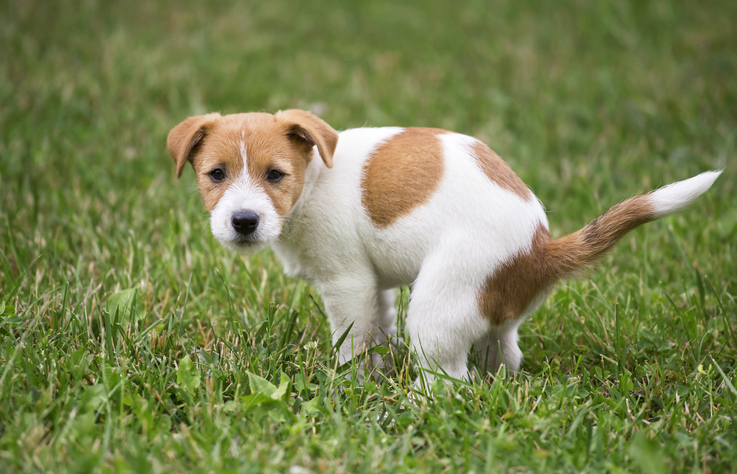
Image Source: www.giovinelandscaping.com
Why Dogs Poop on Lawns
Before we delve into solutions, let’s briefly consider why dogs might choose your lawn as their personal bathroom.
- Territorial Marking: Dogs often mark their territory with urine and feces. If your lawn is frequented by other dogs, it can become a high-traffic “bathroom” area.
- Socialization: Dogs are social animals. They may be attracted to areas where other dogs have been, picking up scent cues.
- Habit: If a dog has been allowed to relieve itself on a particular spot repeatedly, it can become a habit.
- Lack of Training: For younger dogs or those not fully house-trained, the lawn is simply a convenient place to go. This is where effective outdoor dog potty training comes into play.
Practical Dog Deterrents for Your Lawn
Implementing dog deterrents is often the first step in reclaiming your lawn. These methods aim to make your lawn less appealing to canine visitors.
Physical Barriers and Exclusion
The most straightforward way to stop dogs from pooping on your lawn is to prevent them from accessing it in the first place.
- Fencing: A sturdy fence is the most effective physical barrier. Ensure it’s tall enough and has no gaps underneath that a determined dog could slip through. Consider the height: a minimum of 4-6 feet is usually recommended.
- Temporary Fencing: For specific areas or during the initial stages of deterrence, temporary fencing or pet gates can be useful.
- Deterrent Mats: You can purchase mats with spikes or nubs that are uncomfortable for dogs to walk on. These can be placed strategically around your lawn’s perimeter or in problem areas.
Scent-Based Deterrents
Dogs rely heavily on their sense of smell. Manipulating scents can be a powerful deterrent.
Natural Repellents
Many homeowners prefer natural dog lawn care and opt for scents that are safe for humans, children, and the environment.
- Citrus Peels: Dogs generally dislike the smell of citrus. Scatter fresh orange, lemon, grapefruit, or lime peels around your lawn’s edge. Replace them every few days as they dry out.
- Vinegar: The strong smell of vinegar can be off-putting to dogs. Mix equal parts white vinegar and water in a spray bottle and lightly mist the affected areas. Be cautious, as excessive vinegar can harm plants.
- Coffee Grounds: Used coffee grounds have a strong aroma that many dogs find unpleasant. Sprinkle them around your lawn. They also act as a mild fertilizer.
- Essential Oils: Certain essential oils like citronella, eucalyptus, lemongrass, and peppermint are known to deter dogs. Mix a few drops of your chosen oil with water in a spray bottle. Apply cautiously, as some oils can be toxic to pets if ingested in larger quantities. Always dilute properly and test on a small area of your lawn first.
- Cayenne Pepper/Chili Powder: While effective, this is a controversial method. The capsaicin in chili peppers can irritate a dog’s paws and nose, discouraging them from lingering. However, it can also cause discomfort and pain if ingested or comes into contact with a dog’s eyes. Use with extreme caution, if at all, and consider alternatives.
Commercial Dog Repellent Sprays
There are numerous dog repellent spray products available on the market. These are formulated with scents and ingredients that dogs find unpleasant.
- How They Work: Most commercial repellents use natural or synthetic scents that mimic predator urine or are generally offensive to a dog’s olfactory senses.
- Application: Follow the product instructions carefully. Typically, they are sprayed around the perimeter of the lawn or directly on areas where dogs frequently defecate.
- Reapplication: Natural repellents need frequent reapplication, especially after rain. Synthetic ones may last longer but can also be less environmentally friendly.
Taste Deterrents
These are less common for lawns as they can be messy and affect your own pets. However, some products are designed to make the grass itself unappealing.
- Bitter Sprays: Some sprays are formulated with bitter-tasting agents that, when applied to the grass, make it unpalatable to dogs. Again, test on a small area first to ensure it doesn’t damage your lawn.
Training Solutions for Your Own Dog
If the “offending” dog is your own, then outdoor dog potty training and reinforcing good habits are key. This is especially crucial when you have house training puppies.
Establishing a Potty Spot
Consistency is vital when training your dog or puppy.
- Designated Area: Choose a specific spot in your yard for your dog to relieve itself. This could be a corner of the lawn, a patch of gravel, or a designated potty pad area.
- Leash Training: Initially, take your dog to the designated spot on a leash. This allows you to guide them and supervise.
- Positive Reinforcement: When your dog successfully eliminates in the designated spot, praise them enthusiastically and offer a high-value treat immediately. This creates a positive association with the correct location.
- Consistency: Stick to a regular potty schedule, especially for puppies. Take them out first thing in the morning, after waking from naps, after eating, and before bedtime.
Managing Puppy Accidents
Puppy accident cleanup requires diligence and the right products.
- Immediate Cleanup: Clean up accidents as soon as you discover them.
- Enzymatic Cleaners: This is where enzymatic cleaners are invaluable. They break down the organic matter in pet waste, eliminating odors that might attract your dog back to the same spot. Regular cleaners may mask the smell for humans but not for a dog’s sensitive nose.
- Avoid Ammonia-Based Cleaners: Ammonia smells similar to urine, which can actually encourage your dog to mark the spot again.
Discouraging Undesirable Behavior
For dogs who persistently poop in the wrong places on your lawn.
- Supervision: When your dog is in the yard, supervise them closely. If you see them sniffing around and preparing to squat in an undesirable spot, interrupt them with a gentle verbal cue (“No” or “Ah-ah”) and immediately redirect them to their designated potty area.
- Interrupt and Redirect: If you catch your dog in the act, interrupt them calmly and lead them to their correct spot. Praise them if they finish there.
- Avoid Punishment: Punishing a dog after the fact is ineffective and can create fear or anxiety. They won’t connect the punishment to the previous action.
Dealing with Neighbors’ Dogs
When the problem comes from a neighbor’s pet, the approach needs to be respectful but firm.
Direct Communication
The first step is always polite communication.
- Friendly Chat: Approach your neighbor in a friendly, non-confrontational manner. They might not even be aware of the issue.
- Express Concerns: Politely explain that you’re having issues with their dog using your lawn as a toilet and the impact it’s having (e.g., on your children playing, on the lawn’s health).
- Suggest Solutions: You could casually mention that you’re looking into various pet waste management strategies for your own yard and ask if they have any tips or if they could help manage their dog’s habits.
Collaborative Solutions
Working together can yield the best results.
- Leash Laws: Remind them of local leash laws if applicable, which often require dogs to be leashed and cleaned up after in public or private spaces.
- Shared Responsibility: If you have a good relationship, you might even discuss creating a shared walking route or designated potty area for dogs in the neighborhood.
Escalation (If Necessary)
If polite communication doesn’t work, you may need to consider other options.
- Written Communication: A polite, written note or letter detailing the issue and its impact might be necessary.
- Homeowners Association (HOA): If you live in a community with an HOA, they may have rules regarding pet waste and can help mediate.
- Local Authorities: As a last resort, you might need to contact your local animal control or municipality. They can enforce leash laws and cleanliness ordinances.
Natural Dog Lawn Care Practices
Beyond deterrents, incorporating good natural dog lawn care practices can help your lawn recover and stay healthy.
Lawn Repair
Dog urine can create brown spots and kill grass.
- Watering: Immediately after a dog urinates on your lawn, water the spot generously. This dilutes the nitrogen and salts in the urine, reducing the damage.
- Aeration and Reseeding: For damaged spots, aerate the soil and reseed with a hardy grass type that can tolerate occasional stress.
- Top Dressing: Apply a thin layer of compost or topsoil to the damaged areas before reseeding.
Enhancing Lawn Health
A healthy, dense lawn is more resistant to damage and less inviting for dogs to dig in.
- Proper Mowing: Mow your grass at the higher recommended height for your grass type. Taller grass shades the soil, keeping it cooler and moister, and helps to crowd out weeds.
- Regular Watering: Water deeply and less frequently to encourage deep root growth.
- Fertilizing: Use organic fertilizers to promote healthy growth.
Advanced Strategies and Training Aids
For persistent issues, consider these more involved approaches.
Discouraging Dog Digging
While not directly about pooping, discouraging dog digging is often related to a dog’s boredom or anxiety in the yard, which can sometimes lead to other unwanted behaviors.
- Provide Alternatives: Offer plenty of appropriate chew toys and puzzle feeders to keep your dog mentally stimulated.
- Designated Digging Area: If your dog loves to dig, create a designated digging pit filled with sand or loose soil. Bury toys there to encourage them to use this area.
- Burying Feces: Some recommend burying dog feces in the designated digging area to train them to eliminate there.
Training Aids for Dogs
Specific training aids for dogs can supplement your efforts.
- Clicker Training: Clicker training is a highly effective positive reinforcement tool for teaching dogs specific behaviors, including where to potty.
- Potty Bells: Hanging bells on your doorknob can help teach puppies to signal when they need to go outside. They learn to ring the bells with their nose or paw.
Creating an Uninviting Environment
Think of your lawn as a whole system. Making it less attractive overall can deter dogs.
Odor Neutralization
Beyond immediate cleanup, you want to eliminate lingering scents.
- Regular Application of Odor Neutralizers: Use enzymatic cleaners or natural odor neutralizers regularly on any areas where accidents have occurred, even if they appear clean.
- Vinegar Washes: Periodically washing down patios or pathways with diluted vinegar can help neutralize odors that might attract dogs.
Visual Deterrents
Sometimes, what your lawn looks like can also be a deterrent.
- Jagged Edges or Uneven Terrain: While not ideal for your aesthetic, slightly uneven edges or the presence of decorative rocks can make a lawn less appealing for a dog to mark.
Table: Natural Deterrents and Their Application
| Deterrent | Application Method | Frequency | Notes |
|---|---|---|---|
| Citrus Peels | Scatter fresh peels around the lawn perimeter and problem areas. | Every 2-3 days, or when peels dry out. | Replace with fresh peels. |
| White Vinegar | Mix 1:1 with water and spray lightly around the lawn edge. | Every few days, and after rain. | Can harm plants if overused. Test on a small area first. |
| Coffee Grounds | Sprinkle used grounds around the lawn. | Weekly or as available. | Also acts as a mild fertilizer. |
| Essential Oils | Mix a few drops with water in a spray bottle and mist lightly. | Every few days, and after rain. | Use oils like citronella, eucalyptus, lemongrass, peppermint. Dilute well. |
| Cayenne Pepper | Sprinkle lightly in problem areas. | As needed, but use with extreme caution. | Can irritate paws and noses. Avoid if you have children or pets that roam. |
| Commercial Sprays | Follow product instructions, typically spray around perimeter or specific spots. | As per product instructions; may vary. | Choose reputable brands. |
Frequently Asked Questions (FAQ)
Q1: How quickly do natural dog deterrents work?
A: Natural deterrents often start working immediately by introducing an unpleasant scent. However, their effectiveness depends on the concentration, frequency of application, and the individual dog’s sensitivity to the scent. For consistent results, regular reapplication is key.
Q2: Can I use human urine as a dog deterrent?
A: While human urine can act as a deterrent due to its scent, it’s generally not recommended for aesthetic reasons, potential for attracting other animals, and public health concerns. Natural and commercially produced deterrents are far more practical and hygienic solutions.
Q3: What is the best way to clean up dog poop on my lawn?
A: The best way to clean up dog poop is to scoop it up immediately with a plastic bag or a pooper scooper. For the area where the poop was, use an enzymatic cleaner to thoroughly break down any residual organic matter and neutralize odors, preventing your dog from returning to the same spot.
Q4: Are dog repellent sprays safe for my lawn and other animals?
A: Most reputable commercial dog repellent sprays are formulated to be safe for lawns and non-target animals when used according to instructions. However, it’s always wise to check the ingredients and test a small area of your lawn first. Natural options like citrus peels and diluted vinegar are generally considered very safe.
Q5: My dog keeps digging holes in my lawn. How can I stop this?
A: To stop dogs from digging, try providing them with a designated digging area, ensuring they get enough exercise and mental stimulation, and offering a variety of engaging toys. If the digging is due to anxiety, addressing the root cause of the anxiety is crucial. Some training aids for dogs can also help redirect digging behavior.
Q6: How do I train a puppy not to poop on the lawn?
A: Outdoor dog potty training is essential for puppies. Establish a consistent potty schedule, take your puppy to a designated potty spot, and reward them with praise and treats immediately after they eliminate there. Clean up any accidents thoroughly with an enzymatic cleaner to remove all traces of odor.
Q7: What if my neighbor’s dog is a constant problem, and they won’t listen?
A: If polite communication with your neighbor fails, you may need to consider implementing more robust deterrents like fencing or commercial sprays. If the problem persists and affects your property’s health or hygiene, you might need to consult your HOA or local animal control for assistance with pet waste management enforcement.
By combining practical deterrents, consistent training, and good natural dog lawn care practices, you can effectively reclaim your lawn and keep it a pleasant space for everyone. Remember that patience and consistency are your best allies in achieving a poop-free lawn.