
Here’s your comprehensive blog post on preventing dogs from pooping on your lawn:
Can you stop dogs from pooping on your lawn? Yes, you absolutely can prevent dogs from pooping on your lawn through a combination of training, deterrents, and vigilant property maintenance. This guide will provide you with practical, well-researched methods to keep your lawn clean and your neighbors happy.
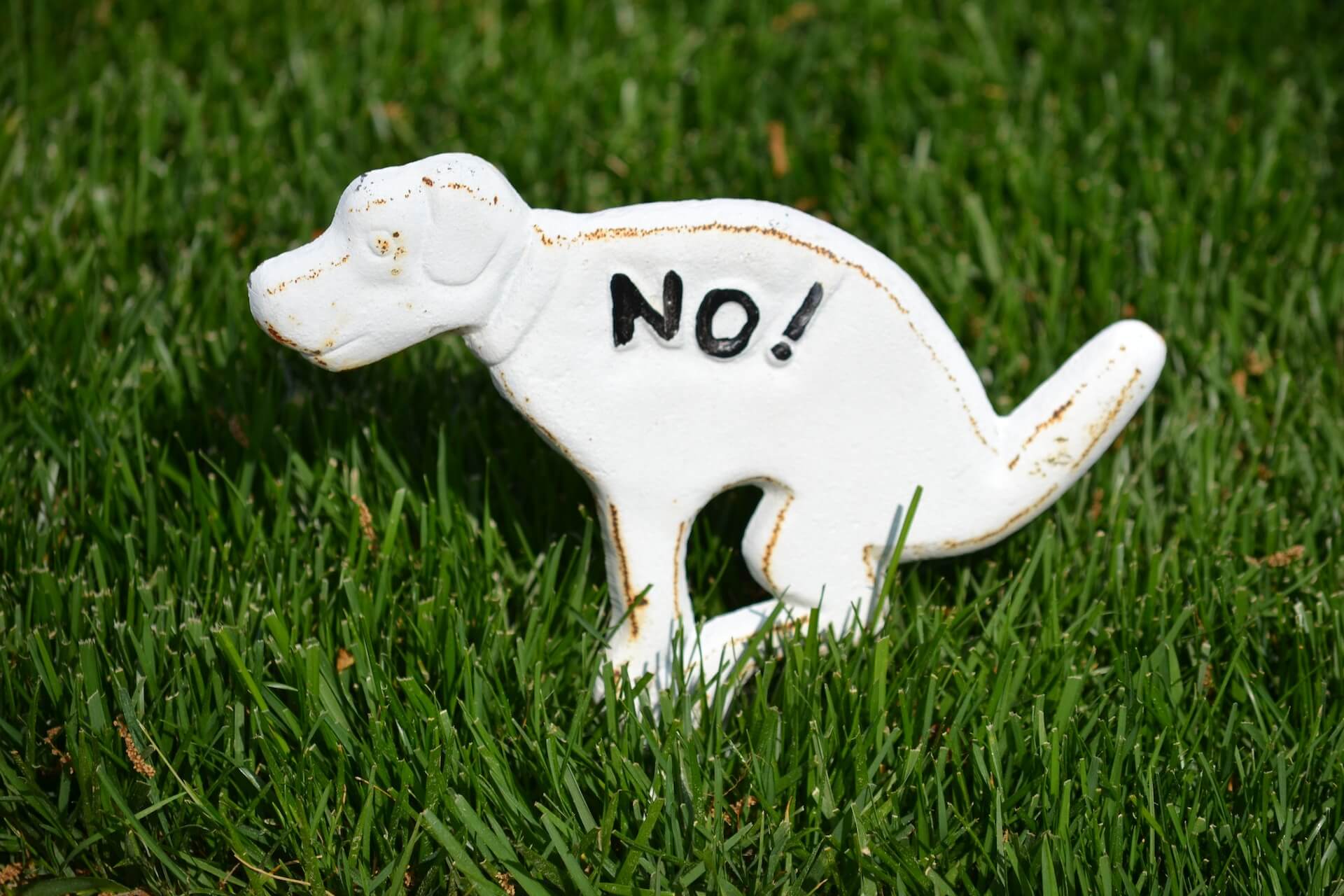
Image Source: www.boredpanda.com
Why Dogs Poop on Lawns
It’s helpful to know why dogs choose your lawn as their bathroom spot. Dogs often mark territory with their urine and feces. When they encounter a scent they recognize from other dogs, they might add their own scent. Your lawn might also be a convenient stop on a walking route, especially if it’s well-maintained and easily accessible. Sometimes, it’s simply a matter of convenience for owners who aren’t actively managing their pet’s waste. Understanding these behaviors is the first step in effective pet waste management.
Common Reasons for Unwanted Deposits:
- Territorial Marking: Dogs use scent to communicate with each other.
- Convenience: Easily accessible and appealing spots are often chosen.
- Habitual Routes: Dogs may regularly visit the same areas on walks.
- Lack of Owner Supervision: When owners aren’t present or attentive, dogs can relieve themselves freely.
Strategies for a Poop-Free Lawn
Preventing dogs from pooping on your lawn involves a multi-pronged approach. We’ll explore various methods, from physical barriers to training techniques and natural repellents. Effective lawn care and garden protection are key to maintaining a pleasant outdoor space.
1. Physical Barriers and Boundaries
Creating physical barriers is one of the most straightforward ways to keep dogs off your lawn. These methods make your lawn less accessible and less appealing for them to use as a restroom.
Fencing Options:
- Full Fencing: The most effective, but also the most expensive, solution. A sturdy fence around your entire property prevents access.
- Low Borders: Decorative borders, small hedges, or garden edging can act as subtle deterrents. Dogs may hesitate to step over them.
- Temporary Barriers: For specific areas or when you notice increased activity, temporary fencing or even garden stakes with string can be used.
Accessibility Control:
- Gate Management: Ensure gates are always closed and secured.
- Strategic Planting: Planting dense shrubs or thorny bushes along the perimeter can create a less inviting entry point.
2. Canine Behavior Modification and Training
Positive reinforcement is crucial when dealing with your own dog or influencing the behavior of neighborhood dogs. While you can’t directly train every dog in your area, understanding canine behavior helps.
For Your Own Dog:
- Consistent Potty Training: Reinforce appropriate potty spots in your yard with praise and treats.
- Leash Walks: Keep your dog on a leash during walks, even in your own yard, to guide them to designated areas.
- Supervision: Actively supervise your dog when they are outdoors. If you see them about to go, redirect them to their designated potty spot.
Influencing Neighborhood Dogs:
- Communicate with Neighbors: A friendly conversation about shared responsibility for pet waste management can go a long way. Many people are unaware their dog is a nuisance.
- Encourage Leash Use: Politely request that neighbors keep their dogs on leashes when walking near your property.
3. Natural Animal Repellents and Dog Deterrents
For those who prefer not to use harsh chemicals, natural remedies can be effective. These work by creating smells or tastes that dogs find unpleasant.
Scent-Based Deterrents:
- Citrus Peels: Dogs generally dislike the smell of citrus. Scatter orange, lemon, or grapefruit peels around your lawn’s perimeter.
- Vinegar: Diluted vinegar can be sprayed around the lawn. The strong smell can deter dogs. Reapply after rain.
- Coffee Grounds: Many dogs dislike the smell and texture of coffee grounds. Scatter used grounds around your lawn.
- Essential Oils: Certain essential oils like citronella, peppermint, or eucalyptus are known to repel dogs. Mix a few drops with water and spray, but be cautious as some oils can be toxic if ingested in larger quantities. Always do a patch test on a small area of your lawn.
Taste-Based Deterrents:
- Cayenne Pepper: A light dusting of cayenne pepper can make the lawn unpleasant to step on or lick. However, this can be irritating if it gets into a dog’s eyes or nose, so use with extreme caution and be mindful of wind.
- Commercial Taste Repellents: Several commercially available products are designed to deter dogs by taste. Look for those specifically labeled as safe for lawns.
Table: Natural Dog Deterrent Effectiveness
| Deterrent | Method of Action | Effectiveness | Reapplication Frequency | Caution |
|---|---|---|---|---|
| Citrus Peels | Scent | Moderate | Weekly | Can attract insects if not replaced |
| Vinegar (Diluted) | Scent | Moderate | After rain/weekly | May affect plant growth if too concentrated |
| Coffee Grounds | Scent/Texture | Low-Moderate | Weekly | May slightly acidify soil |
| Essential Oils | Scent | Moderate | Weekly | Toxic if ingested in large amounts |
| Cayenne Pepper | Taste/Irritation | Moderate | After rain/weekly | Irritating to eyes/nose, use sparingly |
4. Commercial Dog Repellents
If natural methods aren’t sufficient, commercial repellents offer stronger solutions. These are typically formulated to be safe for plants when used as directed.
Types of Commercial Repellents:
- Granular Repellents: These are sprinkled around the lawn and release scent or taste deterrents.
- Spray Repellents: Applied directly to the lawn, these can be effective for targeted areas.
- Ultrasonic Devices: These emit high-frequency sounds that are unpleasant to dogs but usually inaudible to humans.
Application Tips:
- Read Labels Carefully: Always follow product instructions for application rates and safety precautions.
- Targeted Application: Apply repellents around the perimeter of your lawn or in specific areas where dogs are most likely to defecate.
- Regular Reapplication: Most repellents need to be reapplied periodically, especially after rain or watering, to maintain effectiveness.
5. Enhancing Your Lawn Care and Property Maintenance
A well-maintained lawn can be less inviting to dogs. Implementing good lawn care practices can indirectly help.
Keeping Your Lawn Tidy:
- Regular Mowing: Keep grass at an appropriate height. Overgrown grass can provide better cover for dogs to relieve themselves.
- Promptly Clean Up: If you have your own dog, clean up their waste immediately. This reinforces good habits and removes attractive scents.
- Watering Schedules: While not a direct deterrent, a well-watered lawn is generally healthier and can withstand minor disturbances better.
Adding Deterrent Elements:
- Ground Cover: Consider using ground cover plants that are dense and less appealing for dogs to walk on or use.
- Mulch: A layer of mulch, especially certain types like pine bark, can be unappealing to dogs.
- Garden Features: Incorporating small decorative rocks or gravel in certain areas can make them less desirable for dogs.
6. Addressing Pet Waste Management Directly
Beyond prevention, effective pet waste management is about responsible ownership and community cleanliness.
The Importance of Bagging and Disposing:
- Your Own Dog: Always carry poop bags and pick up after your dog immediately. Dispose of waste in designated bins or take it home.
- Community Awareness: Encourage neighbors to do the same. Public signage can sometimes help, but direct communication is often more effective.
- Disposal Methods: Double-bagging and disposing of waste in sealed trash cans is the most sanitary approach. Avoid flushing dog waste down toilets, as it can cause plumbing issues and isn’t always suitable for municipal wastewater treatment.
7. Legal and Community Actions (If Necessary)
In persistent cases where individual efforts fail and the problem significantly impacts your property or community, there are further steps you can consider.
Understanding Local Ordinances:
- Leash Laws: Familiarize yourself with local leash laws. Most municipalities require dogs to be leashed in public areas.
- Pet Waste Ordinances: Many towns and cities have ordinances specifically addressing the cleanup of pet waste.
Reporting Nuisances:
- Contact Authorities: If you have a recurring problem with a specific individual’s dog repeatedly defecating on your property and they are unresponsive to direct requests, you may need to contact your local animal control or code enforcement office.
- Documentation: Keep records of incidents, including dates, times, and any attempts you’ve made to resolve the issue. Photos or videos can be helpful if pursuing formal action.
Choosing the Right Solution: A Practical Approach
The best approach often involves combining several methods. Consider the specific circumstances:
- If you have your own dog: Focus on consistent training and responsible pet waste management.
- If it’s neighborhood dogs: Start with friendly communication and natural deterrents.
- For persistent issues: Implement physical barriers and, if necessary, explore commercial repellents or community resources.
Considerations for Your Lawn:
- Plant Safety: Always ensure that any deterrents or repellents you use are safe for your lawn’s grass, plants, and soil.
- Environmental Impact: Opt for eco-friendly and non-toxic solutions whenever possible.
- Weather Conditions: Reapply deterrents as needed, especially after rain, to ensure continued effectiveness.
Frequently Asked Questions (FAQ)
Q: Will spraying vinegar on my lawn kill the grass?
A: Diluted vinegar can be safe for lawns if used sparingly and in moderation. However, if the concentration is too high or it’s applied too frequently, it can damage or kill grass. It’s best to dilute it with equal parts water and spray only on the perimeter or problem areas, avoiding direct contact with the grass blades if possible. Always test in a small, inconspicuous area first.
Q: Are commercial dog repellents safe for children and pets?
A: Most commercial dog repellents are formulated to be safe for children and pets when used according to the manufacturer’s instructions. However, it’s always crucial to read the product label carefully for specific safety warnings and guidelines. Some products may require keeping pets and children away from treated areas for a short period after application.
Q: How often do I need to reapply natural deterrents like citrus peels?
A: Natural deterrents like citrus peels lose their potency as they dry out and decompose. You’ll typically need to replace or refresh them about once a week, or more often if they are washed away by rain or sprinklers.
Q: Can I train my neighbor’s dog to stop pooping on my lawn?
A: You cannot directly train your neighbor’s dog. The responsibility for training and managing a dog’s behavior lies with its owner. Your efforts should focus on making your lawn less appealing or inaccessible to dogs, and communicating with the owner if the problem persists.
Q: What if I have a dog that likes to dig?
A: While this article focuses on preventing defecation, digging is another common canine behavior. For digging issues, consider providing your dog with a designated digging area (like a sandbox), burying toys or treats there, and ensuring they get enough exercise and mental stimulation to prevent boredom-related digging.
Conclusion
Preventing dogs from pooping on your lawn is achievable with the right strategies and a commitment to consistent effort. By employing a combination of physical barriers, understanding canine behavior, using effective deterrents, and practicing good property maintenance, you can create a cleaner, more enjoyable outdoor space for everyone. Remember, a proactive and consistent approach is key to successful pet waste management and maintaining good neighborly relations.