
Can you check for lawn grubs? Yes, you can and should check for lawn grubs proactively to keep your lawn healthy. Early detection is key to preventing significant damage. Knowing when to check for grubs and how to identify them will save your lawn from stress and potential death.
Lawn grubs are the C-shaped, creamy-white larvae of several types of beetles, most commonly the Japanese beetle, European chafer, and masked chafer. They live in the soil and feed on the roots of your grass. This feeding can wreak havoc on your lawn, turning lush green patches into unsightly brown, dead areas. Fortunately, with a little know-how, you can become your lawn’s best defense against these subterranean pests.
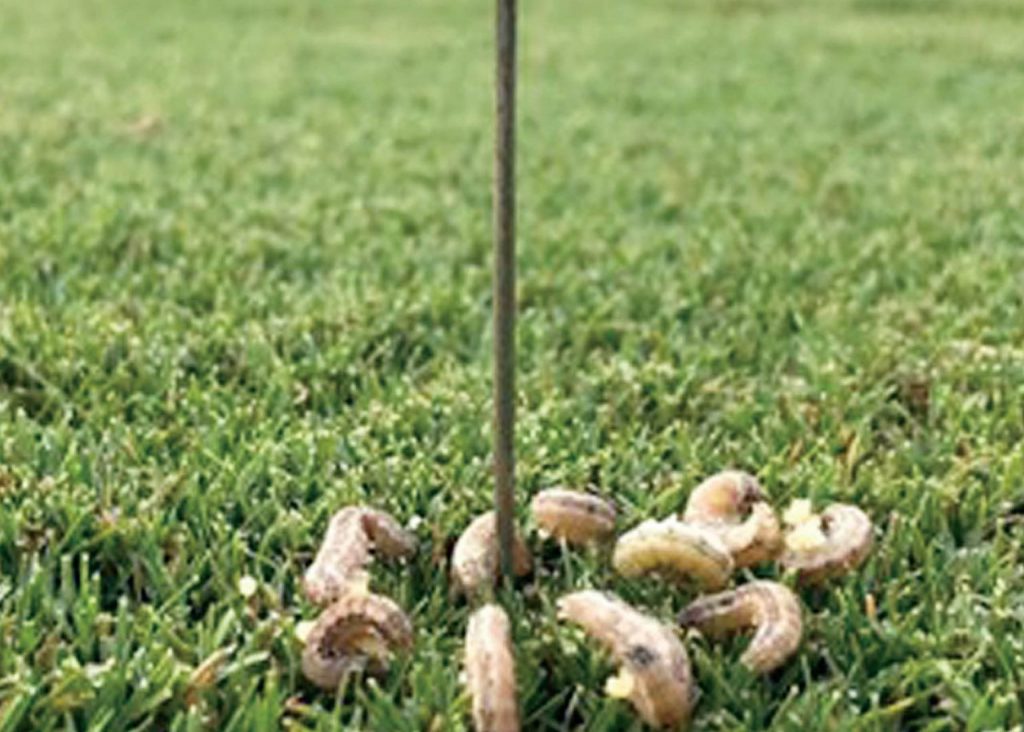
Image Source: www.myhometurf.com.au
Deciphering Grub Damage Signs
Spotting the early signs of grub damage is crucial. Often, homeowners don’t realize they have a grub problem until the damage is quite severe. Recognizing grub damage signs is the first step in effective lawn grub control.
- Irregular Brown Patches: The most common symptom is the appearance of irregular, dying patches of grass that are often straw-like. These patches may enlarge over time.
- Spongy Feel: When you walk on an infested area, the turf might feel unusually spongy. This is because the grubs have eaten the roots, making the sod loose and detached from the soil.
- Peeling Back Like Carpet: In severe infestations, you can often roll back the turf like a carpet, as the roots are completely severed. This is a definitive sign of grub infestation symptoms.
- Increased Bird Activity: Birds, particularly robins and starlings, love to eat grubs. You might notice more birds digging aggressively in your lawn, which can be an indicator of a grub presence.
- Beetle Presence: While not a direct sign of grubs in the soil, the presence of adult beetles flying around your lawn, especially in the summer, indicates that they are likely laying eggs.
When to Check for Grubs: Timing is Everything
The grub life cycle dictates the best times to check for them. Knowing these periods allows for timely intervention and prevents population booms.
Peak Grub Activity Periods
- Late Summer to Early Fall (August – October): This is arguably the most critical time to check. Newly hatched grubs are small and actively feeding on grass roots as temperatures cool. They are also most vulnerable to treatment during this stage.
- Early Spring (April – May): As the soil warms up, grubs that survived the winter begin to feed again before they pupate. While they are larger and have caused damage, treating them now can still be effective in reducing the adult beetle population for the following year.
Other Times to Inspect
- When You See Adult Beetles: If you notice significant numbers of Japanese beetles or other grub-producing beetles flying around your lawn, especially during their active season (typically June through August), it’s a good idea to start checking your soil.
- If You Notice Symptoms: Any time you see the signs of damage mentioned earlier (brown patches, spongy turf), it’s time to investigate for grubs.
How To Check For Lawn Grubs: Practical Methods
Performing a physical check is the most reliable way to confirm the presence of grubs. It’s a simple process that requires minimal tools.
The Sod-Cutting Method
This is the go-to method for confirming lawn grub identification.
What You’ll Need:
- A sharp spade or a half-moon edger.
- Gloves.
- A bucket or plastic bag for collecting samples.
Steps:
- Choose Inspection Sites: Select several different areas of your lawn, especially those showing signs of damage or in areas where you’ve seen adult beetles. Aim for at least 3-4 sample spots.
- Dig a Test Square: At your chosen spot, use the spade to cut a 1-foot by 1-foot square of sod. Dig down about 2-4 inches, just deep enough to expose the root zone where grubs typically reside.
- Gently Lift the Sod: Carefully lift the 1-foot by 1-foot section of turf and place it to the side, keeping the soil attached to the roots.
- Inspect the Soil and Roots:
- Look for the C-shaped, white larvae.
- Examine the roots of the grass. If they are severely damaged or absent, this is a strong indicator of grub activity.
- Gently sift through the soil within the 1-foot square. Grubs can burrow deeper if the soil is dry.
- Count the Grubs: Count how many grubs you find in that 1-foot square.
- Replace the Sod: Gently place the sod back into the hole and lightly press it down to ensure good soil contact. Water the area if it seems dry.
- Evaluate Findings: A general rule of thumb is that if you find 5-10 grubs per square foot, it may warrant treatment. However, this can vary depending on the grub species and your lawn’s health. More than 10 grubs per square foot almost always requires action.
Other Detection Clues
- Wilting Grass: Grubs damage the root system, preventing the grass from absorbing water. This can cause your lawn to wilt, even when it’s watered.
- Yellowing Grass: Similar to wilting, damaged roots lead to nutrient deficiencies and can cause the grass to turn yellow.
Identifying Lawn Grubs: Know Your Enemy
There are several common types of grubs that can infest lawns, and how to identify lawn grubs often involves looking at their specific characteristics and the damage they cause.
Common Grub Species
| Grub Type | Beetle Parent | Appearance | Typical Damage Season |
|---|---|---|---|
| Japanese Beetle | Japanese Beetle | Small (1/4 – 1/2 inch), grayish-white with a brownish head. | Mid-summer to fall |
| European Chafer | European Chafer | Plump, milky-white grubs with a dark brown head, about 1 inch long. | Fall, then spring |
| Masked Chafer | Masked Chafer (Green June Beetle) | Large, whitish grubs with a grayish-brown head, up to 1.5 inches long. Can burrow deeper. | Fall, then spring |
| Billbug Larvae | Billbug | Legless, white, grub-like larvae, but often more cylindrical and yellowish. | Spring |
Grub Life Cycle Explained
Understanding the grub life cycle is key to effective control.
- Adult Beetles: In late spring or early summer, adult beetles emerge from the soil. They feed on plant foliage and mate.
- Egg Laying: After mating, female beetles lay eggs in the soil, usually in healthy, well-watered lawns, typically between June and August.
- Larval Stage (Grubs): The eggs hatch into small larvae (grubs) within a few weeks. This is when they begin feeding on grass roots. This feeding continues throughout the summer and fall.
- Overwintering: As temperatures drop, grubs burrow deeper into the soil to survive the winter.
- Spring Feeding: In early spring, as the soil warms, the grubs resume feeding on grass roots before they pupate.
- Pupation: Grubs then transform into adult beetles, and the cycle begins anew.
Grub Damage Identification in Detail
Distinguishing grub damage from other lawn problems is important for correct treatment.
- Drought Stress vs. Grubs: Drought-stressed grass typically turns uniformly brown and may recover with watering. Grub-damaged areas often have irregular brown patches and remain brown even after watering, due to the severed roots. The spongy feel is a key differentiator.
- Fungal Diseases vs. Grubs: Fungal diseases can also cause brown patches, but they often have distinct patterns (like rings or circles) and may have a fuzzy or web-like appearance on the grass blades. Grub damage is more about root destruction.
Grub Treatment Methods: What to Do
Once you’ve confirmed a grub problem, there are several grub treatment methods available.
Chemical Treatments
These offer quick and effective control but should be used judiciously. Always follow label instructions carefully.
- Curative Insecticides: These are designed to kill existing grubs. Look for active ingredients like Trichlorfon (Dylox) or Carbaryl. They are most effective when applied to actively feeding grubs (late summer/early fall).
- Preventative Insecticides: These are applied before grubs hatch or while they are very small and vulnerable. They create a barrier in the soil that kills grubs as they feed. Active ingredients include Imidacloprid, Chlorantraniliprole, and Halofenozide. These are best applied in late spring or early summer, before egg-laying begins.
Biological and Natural Treatments
For those seeking eco-friendly solutions, several options exist.
- Nematodes: These are microscopic roundworms that are naturally occurring. Certain species, like Heterorhabditis bacteriophora (Hb nematodes), parasitize and kill grubs. They are most effective when soil temperatures are between 55-80°F and soil is moist. They are best applied in late summer or early fall.
- Milky Spore: This is a naturally occurring bacterium that affects only Japanese beetle grubs. It’s a long-term solution that builds up in the soil over time. It’s most effective when applied over several seasons for complete lawn grub control. It does not affect other grub species.
- Neem Oil: Derived from the neem tree, neem oil can disrupt the grub’s life cycle and act as a repellent. It’s often applied as a drench to the soil.
Application Tips for Treatments
- Watering: Most grub treatments require watering the lawn before and/or after application to move the product into the soil where the grubs are.
- Timing: Applying treatments when grubs are actively feeding and are younger is generally most effective.
Grub Prevention Tips: Proactive Defense
Prevention is always better than cure. Implementing grub prevention tips can significantly reduce the likelihood of a serious infestation.
Maintain a Healthy Lawn
- Proper Mowing: Keep your mower blades sharp and mow at the higher end of the recommended height for your grass type. Taller grass shades the soil, making it less attractive to egg-laying beetles.
- Appropriate Watering: Avoid overwatering, which can attract egg-laying beetles. Water deeply and infrequently to encourage deep root growth, making your lawn more resilient to grub feeding.
- Fertilization: A well-fertilized lawn is a strong lawn. Healthy grass can better withstand minor grub damage.
- Aeration and Dethatching: These practices improve soil health and water penetration, supporting robust root systems.
Beneficial Insects
- Encourage natural predators of grubs and adult beetles by planting native plants and avoiding broad-spectrum pesticides that harm beneficial insects.
Beetle Control
- Japanese Beetle Traps: While these can catch adult beetles, they can sometimes attract more beetles to your yard than they trap. Use them with caution and place them away from your prized plants.
Frequently Asked Questions (FAQ)
Q1: How many grubs are too many?
A general guideline is that if you find 5-10 grubs per square foot, you might have a problem. If you find more than 10 grubs per square foot, treatment is usually recommended.
Q2: Can I treat grubs in the spring?
Yes, you can treat grubs in the spring. However, they are larger and have already caused damage. Treatment at this time helps reduce the population for the following year and can still protect your lawn from further damage if the infestation is severe. Late summer and early fall are considered the most effective times for grub control.
Q3: Are milky spore effective against all grubs?
No, milky spore is only effective against Japanese beetle grubs. If you suspect other types of grubs, other treatment methods will be necessary.
Q4: How do I know if my lawn has grubs or just needs water?
If your lawn looks dry and brown, try watering a small section thoroughly. If the grass recovers and turns green, it was likely a watering issue. If it remains brown and feels spongy or lifts easily like a carpet, it’s a strong indicator of grub damage.
Q5: When is the best time to apply preventative grub control?
Preventative grub control products are best applied in late spring or early summer, before egg-laying by adult beetles begins. This ensures the insecticide is in the soil when the eggs hatch into young grubs.
By actively checking your lawn and knowing the signs and seasons for grub activity, you can protect your turf and maintain a healthy, vibrant yard. Early detection and appropriate action are your best allies against these destructive soil-dwelling pests.