
Can you fertilize your lawn if you have dogs? Yes, you absolutely can fertilize your lawn when you have dogs, but it requires careful selection of products and adherence to specific safety protocols to ensure your furry friends remain healthy and happy. Fertilizing a yard with pets might seem tricky, but with the right approach, you can achieve a lush, green lawn without putting your dogs at risk.
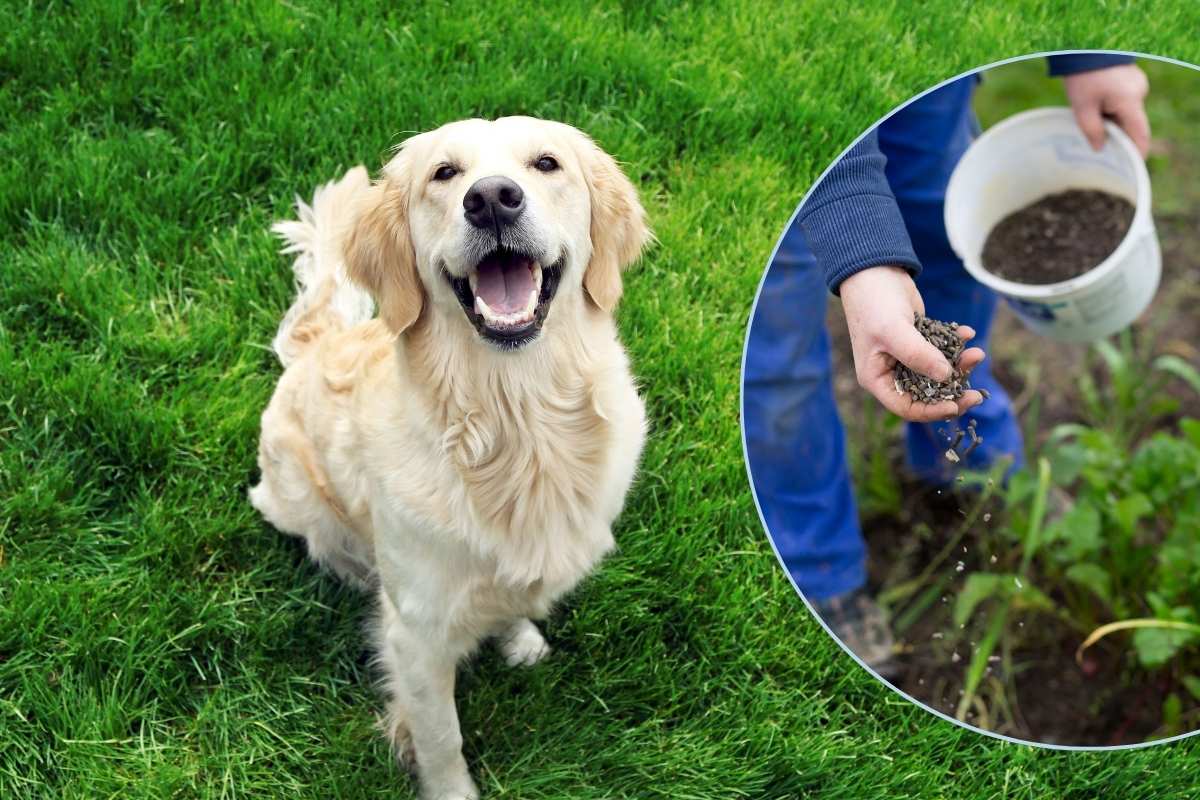
Image Source: www.lawnstarter.com
Choosing the Right Fertilizer: A Safe Foundation
The most crucial step in fertilizing your lawn with dogs is selecting a dog-safe fertilizer. Many conventional lawn fertilizers contain chemicals that can be harmful, even toxic, to pets if ingested or inhaled. Dogs are naturally curious creatures and often spend time outdoors, sniffing and sometimes even licking the grass. This makes them particularly vulnerable to the side effects of harsh chemicals.
Understanding Fertilizer Ingredients and Risks
It’s important to know what to look for and what to avoid. Many common fertilizers contain nitrogen, phosphorus, and potassium (NPK), which are essential for plant growth. However, the sources of these nutrients and the presence of other additives are what matter most when it comes to pet safety.
- Ammonia Toxicity Lawn: Some fertilizers, especially those with high nitrogen content derived from synthetic ammonia, can pose a risk. While the ammonia itself dissipates relatively quickly, ingestion of large amounts of concentrated fertilizer can lead to ammonia toxicity lawn issues for dogs, causing gastrointestinal upset, lethargy, and even more severe symptoms. Always check the label for the source of nitrogen.
- Heavy Metals and Other Additives: Some fertilizers may contain heavy metals or other chemicals that are not beneficial for your pets or the environment. Reading the ingredient list carefully is paramount.
The Benefits of Organic Lawn Fertilizer for Dogs
For a truly pet-friendly lawn care approach, consider organic lawn fertilizer for dogs. These fertilizers are derived from natural sources such as compost, bone meal, fish emulsion, and manure.
- Nutrient Release: Organic fertilizers tend to release nutrients more slowly, reducing the risk of nutrient burn to your grass and minimizing the chances of your dog ingesting a concentrated dose of harmful chemicals.
- Soil Health: They also contribute to the long-term health of your soil, fostering a more robust and resilient lawn ecosystem that is less prone to disease and pest issues.
- Reduced Chemical Exposure: The primary advantage is the significant reduction in synthetic chemical exposure for your pets.
Synthetic vs. Organic: A Comparison for Pet Owners
| Feature | Synthetic Fertilizers | Organic Fertilizers |
|---|---|---|
| Source | Chemically manufactured | Natural, biodegradable materials |
| Nutrient Release | Rapid, can be prone to leaching and burning | Slow, steady release, less risk of burning |
| Pet Safety | Higher risk of toxicity if ingested in large quantities | Generally considered safer, but moderation is still key |
| Soil Impact | Can deplete soil microbes over time | Improves soil structure and microbial activity |
| Environmental Impact | Potential for water pollution through runoff | Environmentally friendly, sustainable |
| Cost | Often cheaper upfront | Can be more expensive upfront, but beneficial long-term |
Fertilizing Safely With Pets: Practical Steps
Once you’ve chosen your dog-safe fertilizer, the next step is to implement a safe fertilizing strategy. Fertilizing when dogs are present requires a mindful approach.
Pre-Fertilization Preparations
Before you even open the fertilizer bag, there are a few things you can do to ensure a smooth and safe process.
- Clear the Area: Remove all toys, bowls, and anything else your dog might interact with on the lawn. This prevents accidental contamination.
- Secure Your Dog: The safest method is to keep your dogs indoors or in a secure, separate area of your property while you fertilize and until the fertilizer has settled or been watered in. This is the most effective way of protecting dogs from lawn chemicals.
- Read and Follow Instructions: This cannot be stressed enough. Every fertilizer product has specific application rates and instructions. Failure to follow them can lead to over-application, increasing the risk to your pets.
Application Techniques for Pet Safety
The way you apply the fertilizer makes a big difference.
- Even Distribution: Use a spreader to ensure the fertilizer is applied evenly. Patchy application can lead to concentrated areas that are more dangerous if ingested.
- Avoid Direct Contact: Try not to let the fertilizer come into direct contact with your dog’s fur or skin. While less common, some pets can have reactions.
- Sweep Up Spills: Immediately sweep up any fertilizer that spills onto sidewalks, patios, or driveways. These areas can track fertilizer into the house, and you don’t want your dog licking it off their paws.
Post-Fertilization Protocols
What you do after the fertilizer is down is just as important as the application itself.
- Watering In: Most granular fertilizers require watering after application. This helps the fertilizer to dissolve and move into the soil, reducing the chance of it sticking to paws or being inhaled as dust. Follow the product instructions for watering.
- Allow Drying/Settling Time: Even after watering, it’s wise to keep your dogs off the lawn for a specified period. This drying or settling time is crucial for fertilizing safely with pets. Most recommendations suggest waiting at least 24-48 hours, or until the lawn is completely dry and any visible granules are gone. The product label will usually specify a recommended waiting period.
- Monitor Your Dog: Keep an eye on your dog for any unusual behavior, such as excessive thirst, drooling, vomiting, diarrhea, or lethargy, after you’ve fertilized. If you notice any of these signs, contact your veterinarian immediately.
Addressing Common Lawn Issues with Pet-Safe Solutions
Beyond general fertilization, you might encounter specific lawn problems that require attention.
Dealing with Dog Urine Lawn Damage Treatment
One of the most common lawn issues for dog owners is dog urine lawn damage treatment. Dog urine contains nitrogen and salts, which can scorch grass, creating brown spots or dead patches.
- Encourage Hydration: Ensure your dog drinks plenty of water. More diluted urine means less concentrated nitrogen and salts.
- Spot Treatment: For existing spots, you can try to rinse the area thoroughly with water immediately after your dog urinates. This helps dilute the urine.
- Fertilizing Urine Spots: When fertilizing, focus on helping the damaged areas recover. You can use a high-nitrogen fertilizer specifically designed for repairing lawns. However, ensure it’s a dog-safe fertilizer and follow the waiting period.
- Soil Amendments: Some products are designed to neutralize the acidity of dog urine in the soil, which can help prevent future damage.
Pet-Safe Weed Control
While not directly related to fertilization, weeds can detract from your lawn’s appearance. If you need to address weeds, look for pet safe weed killer options.
- Manual Removal: The most pet-friendly method is to simply pull weeds by hand.
- Organic Weed Killers: There are several commercially available organic weed killers that use ingredients like vinegar or essential oils. Always check the label to ensure they are safe for pets and follow application instructions carefully.
- Corn Gluten Meal: This is a pre-emergent weed control that can also act as a natural fertilizer. It works by inhibiting root formation in germinating seeds.
Creating a Comprehensive Pet-Friendly Lawn Care Plan
A truly pet-friendly lawn care routine goes beyond just fertilizing. It involves a holistic approach to maintaining a healthy and safe outdoor space for your dogs.
Regular Lawn Maintenance
- Mowing: Keep your lawn at the appropriate height for your grass type. Taller grass is generally more resilient and can help shade out weeds.
- Aeration: Aerating your lawn improves air, water, and nutrient penetration into the soil, promoting healthier grass growth. This is especially beneficial in compacted soils where dogs frequently play.
- Overseeding: Filling in bare spots with grass seed will help create a thicker, more uniform lawn that is less susceptible to weeds and damage.
Seasonal Fertilization Schedule for Pet Owners
A typical fertilization schedule might involve 2-4 applications per year, depending on your climate and grass type.
- Spring: The first application is usually in early to mid-spring as the grass begins to grow actively.
- Summer: A light feeding might be needed in late spring or early summer, but avoid fertilizing during the hottest part of the summer as this can stress the grass.
- Fall: The most important feeding is often in early to mid-fall, as the grass prepares for winter.
- Late Fall (Optional): Some homeowners apply a winterizer fertilizer in late fall to help the roots.
When fertilizing a yard with pets, always adjust your schedule to ensure the safety protocols are followed during each application.
Common Mistakes to Avoid When Fertilizing with Dogs
Even with the best intentions, some common pitfalls can compromise your pet’s safety.
- Ignoring Product Labels: This is the most frequent and dangerous mistake. Always read and follow the manufacturer’s instructions for application rates, watering, and waiting periods.
- Using the Wrong Product: Not all fertilizers are created equal when it comes to pet safety. Opting for a quick-fix synthetic fertilizer without considering alternatives can be risky.
- Over-Fertilizing: More fertilizer doesn’t necessarily mean a healthier lawn. Over-application can lead to chemical burns on the grass and increased risk to pets.
- Allowing Immediate Lawn Access: Letting your dogs back onto the lawn too soon after fertilizing is a significant risk. Always adhere to the recommended waiting period.
- Not Cleaning Up Spills: Fertilizer spills are an invitation for pets to ingest harmful substances. Prompt cleanup is essential.
- Confusing Lawn Treatments: Many lawn treatments, like weed killers or grub control, can be toxic. Always ensure all products used on your lawn are pet-safe.
Frequently Asked Questions
Q1: How long after fertilizing can my dog go on the lawn?
A1: Generally, it’s recommended to keep dogs off the lawn for at least 24-48 hours after fertilizing, or until the fertilizer has been thoroughly watered in and the lawn is completely dry. Always check the specific product’s label for recommended waiting times.
Q2: Is all lawn fertilizer dangerous for dogs?
A2: Not all, but many conventional synthetic fertilizers can be harmful if ingested in sufficient quantities. Organic fertilizers are generally considered safer, but it’s still important to follow application instructions and waiting periods.
Q3: What are the symptoms of fertilizer poisoning in dogs?
A3: Symptoms can include vomiting, diarrhea, excessive drooling, lethargy, difficulty breathing, and tremors. If you suspect your dog has ingested fertilizer, contact your veterinarian or a pet poison control center immediately.
Q4: Can I use a weed and feed product if I have dogs?
A4: It’s best to avoid “weed and feed” products unless they are specifically labeled as pet-safe and you follow all instructions meticulously. Often, the weed killer component is the primary concern. It’s safer to manage weeds and fertilize separately with pet-approved products.
Q5: How do I treat brown spots in my lawn caused by dog urine?
A5: To tackle dog urine lawn damage treatment, you can try to rinse the area with water immediately after your dog urinates. For existing brown spots, you can reseed the area with grass seed and use a dog-safe fertilizer to help the new grass grow. Using soil amendments designed to neutralize urine can also help.
By prioritizing dog-safe fertilizer, following proper application techniques, and being diligent with post-fertilization protocols, you can successfully maintain a beautiful lawn that is also a safe and enjoyable space for your beloved canine companions. Remember, pet-friendly lawn care is achievable with the right knowledge and careful execution.