
Yes, you can clean your lawn mower engine, and it’s a vital part of lawn mower engine maintenance. A clean engine runs better, lasts longer, and is less prone to breakdowns. This guide will walk you through the process, covering everything from removing debris to detailed component cleaning.
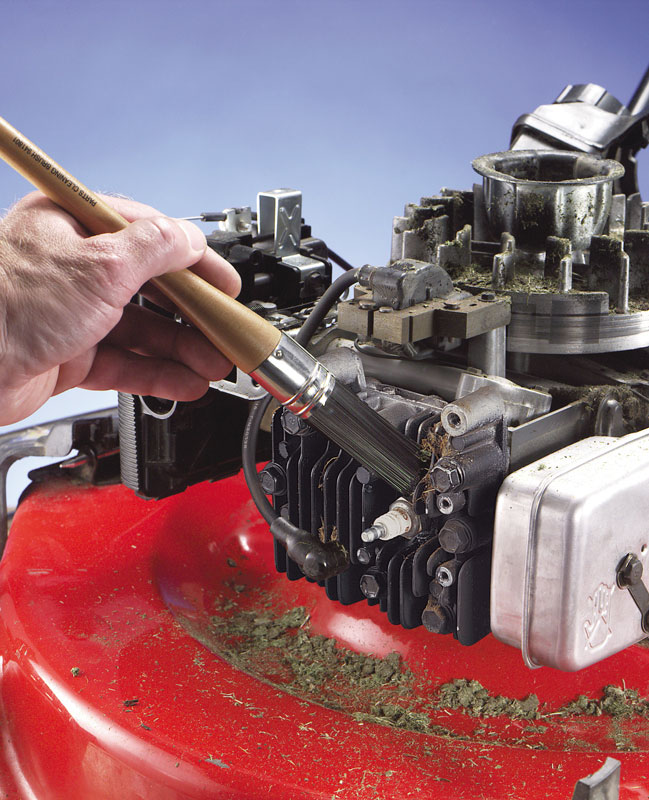
Image Source: www.briggsandstratton.com
Why Cleaning Your Lawn Mower Engine Matters
Keeping your lawn mower engine clean isn’t just about looks; it’s about performance and longevity. Over time, dirt, grass clippings, oil, and fuel residue can build up on and inside the engine. This buildup can lead to several problems:
- Overheating: A thick layer of grass and dirt acts as an insulator, trapping heat. This can cause the engine to overheat, leading to reduced performance and potential damage to internal components.
- Reduced Efficiency: Clogged air intakes and cooling fins restrict airflow, making the engine work harder. This means less power and increased fuel consumption.
- Corrosion: Moisture trapped by debris can lead to rust and corrosion on metal parts, weakening them and potentially causing leaks.
- Fire Hazard: Oily residues and accumulated debris can be a fire risk, especially when the engine gets hot.
- Component Failure: Dirt can get into moving parts, causing premature wear and eventual failure of components like bearings or seals.
Regular cleaning is a key aspect of proper lawn mower engine care and will help prevent engine buildup mower issues down the line.
Getting Ready: Tools and Safety Precautions
Before you start, gather the necessary tools and take safety precautions.
Essential Tools and Supplies
- Safety Glasses: Protect your eyes from debris and cleaning solutions.
- Gloves: Keep your hands clean and protected from grease and chemicals.
- Shop Rags or Microfiber Cloths: For wiping and drying.
- Wire Brush or Stiff Bristle Brush: To scrub away stubborn grime.
- Compressed Air Can or Air Compressor: For blowing away loose debris.
- Garden Hose with Spray Nozzle: For rinsing.
- Mild Degreaser or Engine Cleaner: Specifically designed for engines.
- Carburetor Cleaner (if cleaning the carburetor): A specialized solvent.
- Spark Plug Wrench: To remove the spark plug.
- Screwdriver Set: For removing covers or components.
- Bucket: For holding cleaning solutions or rinse water.
- Plastic Sheeting or Tarpaulin: To protect surrounding areas from spray.
- Optional: Vacuum Cleaner with Hose Attachment: For initial debris removal.
Safety First!
- Disconnect the Spark Plug Wire: This is the most crucial safety step to prevent the engine from accidentally starting.
- Work in a Well-Ventilated Area: Especially if using chemical cleaners.
- Allow the Engine to Cool: Never work on a hot engine. Wait at least 30 minutes after running it.
- Wear Appropriate Safety Gear: As listed above.
- Consult Your Owner’s Manual: It may have specific cleaning instructions or warnings for your model.
Step-by-Step Guide to Cleaning Your Lawn Mower Engine
Now, let’s get down to cleaning.
Step 1: Initial Debris Removal
The first step in cleaning your lawn mower engine is to remove all loose debris. This includes grass clippings, dirt, leaves, and any other gunk clinging to the exterior.
- Brush Away Loose Debris: Use a stiff brush or wire brush to dislodge grass clippings, dirt, and dust from the engine housing, cooling fins, and other accessible areas.
- Use Compressed Air: A can of compressed air or an air compressor is excellent for blowing away fine dust and debris from hard-to-reach spots, especially around cooling fins. This is an effective way to remove grass clippings mower attachments.
- Vacuum (Optional): For very stubborn dry debris, a shop vacuum with a hose attachment can be helpful.
Step 2: Degreasing the Engine Exterior
Many mower engines accumulate oil and grease, especially around the fuel tank and exhaust. Degrease mower engine components thoroughly.
- Apply Degreaser: Spray a mild engine degreaser or a degreaser specifically designed for automotive engines onto the greasy areas. Avoid spraying directly onto electrical components or the carburetor if possible.
- Let it Sit: Allow the degreaser to work for the time recommended on the product label (usually a few minutes). This helps break down the oil and grime.
- Scrub Stubborn Areas: Use a stiff brush to scrub away any tough grime. A toothbrush can be useful for tight spots.
- Wipe Clean: Use shop rags to wipe away the loosened grease and degreaser. For very dirty areas, you might need to repeat the process.
Step 3: Washing the Engine (Carefully!)
This is where you’ll wash lawn mower engine surfaces. Be cautious with water, especially around sensitive parts.
- Protect Sensitive Components: Cover the carburetor, air intake, muffler, and any exposed electrical connections with plastic bags or plastic wrap to prevent water from entering them.
- Rinse with Water: Use a garden hose with a gentle spray setting to rinse away the degreaser and remaining dirt. Avoid using a high-pressure washer, as this can force water into places it shouldn’t be.
- Clean Cooling Fins: Pay special attention to the cooling fins on the engine block. These are crucial for heat dissipation. Ensure they are free of any buildup that could restrict airflow.
- Rinse Thoroughly: Make sure all traces of degreaser and dirt are washed away.
Step 4: Drying the Engine
Proper drying is crucial to prevent engine buildup mower and corrosion.
- Wipe with Rags: Use clean, dry shop rags or microfiber cloths to wipe down the engine as much as possible.
- Use Compressed Air: Again, compressed air is excellent for blowing water out of nooks and crannies, including the cooling fins. Ensure the engine is as dry as possible.
- Allow to Air Dry: Let the engine air dry completely for several hours, or even overnight, in a warm, dry place before proceeding with the next steps or attempting to start it.
Step 5: Cleaning Specific Components
Beyond the general exterior cleaning, some internal components benefit from focused cleaning as part of lawn mower engine maintenance.
Cleaning the Mower Engine Air Filter
A clogged air filter restricts airflow to the engine, making it run poorly. Mower engine air filter cleaning is essential.
- Locate the Air Filter Housing: This is usually a plastic or metal cover on the side of the engine.
- Remove the Air Filter: Unscrew or unclip the cover and carefully remove the air filter. Note its orientation for reinstallation.
- Inspect the Filter:
- Paper Filters: If the filter is paper, you typically cannot clean it effectively. If it’s dirty, it needs to be replaced. A light dusting might be blown off with compressed air from the inside out, but if it’s greasy or heavily soiled, replace it.
- Foam Filters: Foam filters can often be cleaned.
- Cleaning Foam Filters:
- Wash: Gently wash the foam filter in warm, soapy water. You can use a mild detergent. Squeeze it out gently; do not wring it.
- Rinse: Rinse thoroughly with clean water until all soap is gone.
- Dry: Squeeze out excess water and let the filter air dry completely. Never reinstall a damp filter.
- Oil (if applicable): Some foam filters require a light coating of specialized foam filter oil after drying. Check your owner’s manual. Apply it sparingly and work it into the foam evenly, then squeeze out any excess.
- Reinstall: Once the filter is clean and dry (or you’ve installed a new one), place it back into the housing and secure the cover.
Spark Plug Cleaning Lawn Mower
A dirty or fouled spark plug can cause misfires and hard starting. Spark plug cleaning lawn mower is a good maintenance task.
- Locate the Spark Plug: It’s usually a ceramic-tipped metal cylinder with a wire attached.
- Disconnect the Wire: Gently pull the spark plug wire off the plug.
- Remove the Spark Plug: Use a spark plug wrench of the correct size to unscrew the spark plug counter-clockwise.
- Inspect the Spark Plug: Look at the tip. If it’s covered in black soot, oil, or carbon, it needs cleaning or replacement. If the electrode is worn down or damaged, replace it.
- Clean the Spark Plug:
- Wire Brush: Use a small wire brush to gently scrub away carbon deposits from the electrode and the plug’s metal threads.
- Spark Plug Cleaner (Optional): Some specialized cleaners can help.
- Compressed Air: Blow away any loose debris.
- Check the Gap: If you’re reusing the spark plug, it’s good practice to check and adjust the gap between the electrodes using a feeler gauge. Consult your owner’s manual for the correct gap specification.
- Reinstall the Spark Plug: Screw the spark plug back in by hand first to avoid cross-threading. Then, tighten it with the spark plug wrench. Do not overtighten.
- Reconnect the Wire: Push the spark plug wire firmly back onto the new or cleaned spark plug until it clicks into place.
Clean Carburetor Lawn Mower
The carburetor mixes fuel and air for combustion. If it gets clogged with debris or old fuel residue, the engine will run poorly. Clean carburetor lawn mower tasks can improve engine performance significantly.
- Note: Cleaning the carburetor can be a more involved process and might require removing it from the engine. If you’re not comfortable with this, consider taking it to a professional or following a detailed carburetor cleaning guide specific to your mower model.
- Fuel Shut-off: Ensure the fuel valve is turned off.
- Remove the Air Filter Housing: You’ll need to remove the air filter housing to access the carburetor.
- Disconnect Linkages and Hoses: Carefully note where fuel lines, throttle cables, and choke linkages connect. You may need to take pictures or label them. Disconnect them.
- Remove the Carburetor: Unscrew the bolts or nuts holding the carburetor to the engine.
- Disassemble the Carburetor: Typically, you’ll remove the float bowl (the bottom part). Inside, you’ll find the main jet and pilot jet.
- Clean the Jets: Use carburetor cleaner spray and a thin wire (like a thin piece of guitar string or a fine needle) to carefully clean out the small passages in the jets. Do NOT enlarge the holes. The cleaner spray is designed to dissolve gum and varnish.
- Clean the Float Bowl: Wipe out the float bowl with a rag.
- Spray Carburetor Cleaner: Spray carburetor cleaner into all accessible passages and orifices of the carburetor body.
- Reassemble: Carefully reassemble the carburetor, ensuring all parts are in their correct places.
- Reinstall: Mount the carburetor back onto the engine, reconnecting all lines and cables.
- Reinstall Air Filter: Put the air filter housing back on.
Mower Engine Fuel System Cleaning
A clean fuel system is essential for smooth operation. Old fuel can leave deposits that clog the carburetor and fuel lines.
- Drain Old Fuel: If the mower has been sitting for a long time with old fuel, drain the fuel tank completely. Dispose of old fuel properly according to local regulations.
- Use a Fuel Stabilizer: For seasonal storage, always use a fuel stabilizer to prevent fuel degradation.
- Fuel System Cleaner Additive: You can add a quality fuel system cleaner to fresh fuel when you refill the tank. Follow the product’s instructions. This helps keep the fuel lines and carburetor clean over time.
Step 6: Final Touches and Reassembly
Once all cleaning is done and the engine is dry, it’s time to put everything back together.
- Reinstall Components: Put back any covers, guards, or components you removed.
- Reconnect Spark Plug Wire: Ensure it’s securely attached.
- Check Oil Level: If you had to remove any oil-related parts or if cleaning involved significant moisture, it’s wise to check the engine oil level and top it up if necessary, or even change the oil if it’s due.
- Double-Check: Ensure all nuts, bolts, and screws are tightened and all connections are secure.
Regular Maintenance for a Cleaner Engine
Incorporating these simple practices into your routine will help maintain a cleaner engine and prolong its life:
- Post-Mow Wipe Down: After each use, take a few minutes to wipe down the engine with a dry rag to remove fresh grass clippings and dust before they bake on.
- Inspect Air Filter Regularly: Check the air filter periodically and clean or replace it as needed.
- Keep an Eye on Oil Leaks: Address any oil leaks promptly, as they can attract a lot of dirt.
- Proper Storage: Store your mower in a clean, dry place.
By following these steps for lawn mower engine maintenance, you ensure your mower operates efficiently and reliably for many seasons. Proper lawn mower engine care is an investment in the longevity and performance of your equipment.
Frequently Asked Questions (FAQ)
Q1: How often should I clean my lawn mower engine?
A1: It’s a good idea to give your lawn mower engine a thorough cleaning at least once a year, typically at the end of the mowing season or before you start it up for the spring. You can also do a quick wipe-down after each use to remove fresh debris.
Q2: Can I use a pressure washer to clean my lawn mower engine?
A2: It’s generally not recommended to use a high-pressure washer. The strong spray can force water into sensitive areas like the carburetor, air intake, electrical components, and bearings, potentially causing damage or corrosion. A garden hose with a gentle spray is a safer option.
Q3: What happens if I don’t clean my lawn mower engine?
A3: If you don’t clean your lawn mower engine, you risk overheating, reduced performance, increased fuel consumption, and premature wear on engine parts due to dirt and debris buildup. It can also become a fire hazard.
Q4: What is the best cleaner for a lawn mower engine?
A4: A mild, engine-specific degreaser or a solution of warm water and dish soap is usually effective for general cleaning. For tougher grease and oil, a dedicated engine degreaser is recommended. Always follow the product instructions and ensure it’s safe for engine components.
Q5: Can I wash the entire lawn mower, including the engine, with soap and water?
A5: You can wash the engine, but you must take precautions. Cover the carburetor, air intake, muffler, and any electrical components with plastic bags before washing to prevent water ingress. Ensure the engine is thoroughly dried afterward.
Q6: My mower is smoking. Could cleaning the engine help?
A6: Yes, a smoking engine can sometimes be caused by oil or debris buildup on the exhaust or engine block that burns off when the engine gets hot. Thoroughly cleaning and degreasing the engine, especially around the exhaust areas, might resolve this issue. However, smoking can also indicate internal engine problems, so if cleaning doesn’t help, consult a mechanic.