
Can you truly kill crabgrass permanently? While achieving a 100% permanent eradication of crabgrass can be challenging due to its prolific seed production, a consistent and well-executed lawn care strategy can effectively control and significantly reduce its presence, making your lawn look its best. This guide delves deep into the most effective methods for crabgrass control, focusing on both preventative and reactive approaches to give you the best chance at a crabgrass-free lawn.
Crabgrass is a stubborn annual grassy weed that thrives in the heat of summer. It germinates from seeds that have lain dormant in your soil, often for years, and pops up unsightly in otherwise healthy lawns. Its spreading nature and ability to produce thousands of seeds per plant make it a recurring problem for many homeowners. Tackling it requires a multi-pronged approach that begins before the weed even appears and continues throughout the growing season.
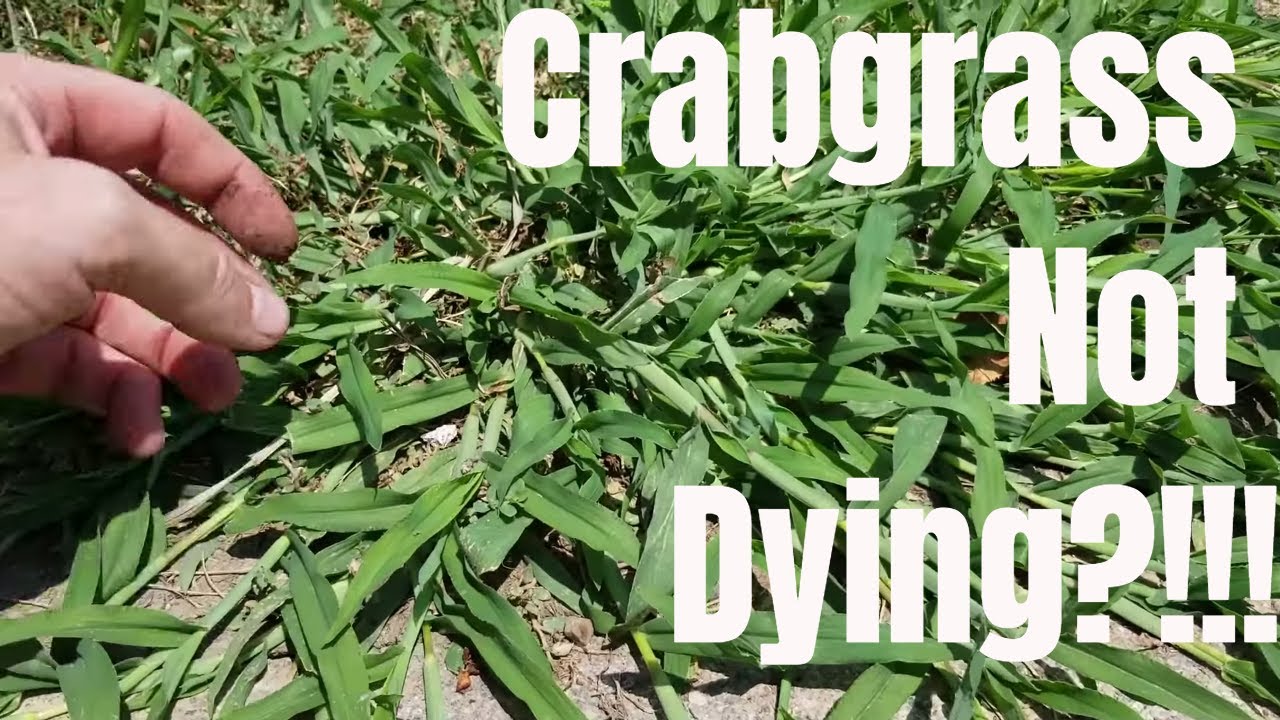
Image Source: i.ytimg.com
The Crabgrass Life Cycle: Fathoming Your Foe
To effectively combat crabgrass, it’s crucial to grasp its life cycle. This understanding is the cornerstone of successful crabgrass control.
- Germination: Crabgrass seeds typically begin to germinate when soil temperatures consistently reach around 55°F (13°C) or higher. This usually occurs in late spring, often coinciding with Memorial Day weekend in many regions.
- Growth: Once germinated, crabgrass grows rapidly, outcompeting desirable turfgrass for water, nutrients, and sunlight, especially in thin or stressed areas of the lawn.
- Seed Production: A single crabgrass plant can produce an enormous number of seeds before it dies with the first frost. These seeds fall to the ground and lie dormant, ready to sprout the following year.
- Dormancy: The seeds are incredibly hardy and can remain viable in the soil for many years, meaning even if you have a great year for crabgrass control, the threat of new growth persists.
This cyclical nature is precisely why a “permanent” kill is difficult. You’re not just killing the visible plants; you’re trying to prevent new seeds from germinating and those already in the soil from taking root.
Preventive Measures: Stopping Crabgrass Before It Starts
The most effective way to “permanently” eliminate crabgrass is to prevent it from germinating in the first place. This is where pre-emergent herbicides come into play.
Pre-Emergent Herbicides: Your First Line of Defense
Pre-emergent herbicides are applied to the lawn before crabgrass seeds germinate. They work by creating a chemical barrier in the soil that kills the young crabgrass seedlings as they sprout.
When to Apply Pre-Emergent Herbicides
Timing is critical for pre-emergent herbicides. Applying too early might mean the chemical barrier breaks down before germination begins. Applying too late means the crabgrass has already started to grow.
- Ideal Timing: Apply when soil temperatures consistently reach 55°F (13°C) for several days. This often falls in early to mid-spring, typically around early April to mid-May, depending on your climate.
- Signs to Watch For: Observing when your neighbors’ lawns start to green up, or when certain spring flowers begin to bloom, can be good indicators. However, relying on soil temperature is the most accurate method.
- Two Applications: For extended protection, especially in areas with a long spring growing season, a second application of pre-emergent herbicides about 6-8 weeks after the first can provide a more robust defense.
Types of Pre-Emergent Herbicides
Many active ingredients are available in pre-emergent herbicides for crabgrass control. Some common ones include:
- Dithiopyr: Effective against crabgrass and some other grassy weeds, and also provides some post-emergent activity on very young crabgrass.
- Prodiamine: A widely used and effective pre-emergent herbicide that provides excellent crabgrass control with a long residual effect.
- Pendimethalin: Another popular option for crabgrass control and some broadleaf weeds.
- Trifluralin: Also effective for crabgrass control, often found in combination products.
Table 1: Common Pre-Emergent Herbicides and Their Uses
| Active Ingredient | Target Weeds (Primary) | Residual Control | Notes |
|---|---|---|---|
| Dithiopyr | Crabgrass | 4-6 weeks | Can kill very small crabgrass seedlings. |
| Prodiamine | Crabgrass | 6-8 weeks | Excellent for long-term prevention. |
| Pendimethalin | Crabgrass, Barnyardgrass | 4-6 weeks | Also controls some broadleaf weeds. |
| Trifluralin | Crabgrass, Foxtails | 4-6 weeks | Often found in granular formulations. |
Using Pre-Emergent Herbicides Safely and Effectively
- Read the Label: Always read and follow the instructions on the product label carefully. This includes application rates, safety precautions, and recommended watering practices.
- Watering: Some pre-emergent herbicides require light watering after application to activate them. Others are designed to be activated by rainfall. Check the label.
- Avoid Seeding: Do not apply pre-emergent herbicides if you plan to seed your lawn in the spring. They will prevent your desired grass seeds from germinating as well. Wait until after seeding and at least one mowing.
Cultural Practices for a Healthier Lawn
Beyond herbicides, strong cultural practices are vital for a resilient lawn that can outcompete weeds. A healthy lawn is the best defense against any weed, including crabgrass.
Proper Mowing
- Mow High: Set your mower to the highest recommended setting for your turfgrass type. Taller grass shades the soil, making it difficult for crabgrass seeds to germinate and grow.
- Sharp Blades: Keep your mower blades sharp. Dull blades tear grass, making it more susceptible to stress and weeds.
- Don’t Remove Too Much: Never remove more than one-third of the grass blade height at a single mowing.
Effective Watering
- Water Deeply and Infrequently: Encourage deep root growth by watering your lawn thoroughly but less often. This makes the turf more drought-tolerant and less prone to thin spots where weeds can establish.
- Water in the Morning: Watering in the early morning allows the grass to dry before nightfall, reducing the risk of fungal diseases.
Smart Fertilizing
- Right Time, Right Amount: Fertilizing lawn at the correct times of year and with the appropriate amount of nutrients is crucial. Fall is often the most important time to fertilize cool-season grasses to promote root health and density.
- Avoid Over-Fertilizing: Excessive fertilization can lead to rapid, weak growth that is more susceptible to disease and pests, creating opportunities for weeds.
- Soil Testing: Consider a soil test to determine your lawn’s specific nutrient needs. This prevents over- or under-fertilizing.
Aeration and Dethatching
- Aeration: This process creates small holes in the soil, improving air, water, and nutrient penetration to the roots. It helps relieve soil compaction, promoting a denser, healthier turf.
- Dethatching: A thick layer of thatch (dead grass stems and roots) can prevent water and nutrients from reaching the soil. Dethatching removes this layer, allowing your lawn to thrive.
Reactive Measures: Dealing with Crabgrass That Appears
Despite the best preventive efforts, some crabgrass may still emerge. This is where post-emergent herbicides and other targeted methods come into play.
Post-Emergent Herbicides: Tackling Existing Crabgrass
Post-emergent herbicides are designed to kill crabgrass that has already germinated and is actively growing. These are most effective when applied to young, actively growing crabgrass plants.
When to Apply Post-Emergent Herbicides
- Young Plants are Key: The earlier you can spot and treat crabgrass with a post-emergent herbicide, the more effective it will be. Look for the tell-tale clumpy, light-green grass spreading through your lawn in late spring and summer.
- Actively Growing: The weed must be actively growing for the herbicide to be absorbed and move through the plant. Avoid applying during extreme heat or drought when grass may be stressed.
- Check the Label: Different post-emergent herbicides have specific temperature ranges for effective application.
Types of Post-Emergent Herbicides for Crabgrass
Several types of weed killer products are available for post-emergent crabgrass control. Many target grassy weeds specifically.
- Quinclorac: This is a highly effective post-emergent herbicide for crabgrass that can also control some broadleaf weeds. It often works best when applied to young crabgrass.
- Fenoxaprop-p-ethyl: Another common active ingredient in post-emergent herbicides that targets grassy weeds like crabgrass.
- Mesotrione: This herbicide works by inhibiting pigment production, causing weeds to turn white and die. It can be effective on both crabgrass and some broadleaf weeds.
- Dismiss: A selective herbicide containing sulfosulfuron, effective against crabgrass and other grassy weeds.
Table 2: Common Post-Emergent Herbicides and Their Uses
| Active Ingredient | Target Weeds (Primary) | Mode of Action | Notes |
|---|---|---|---|
| Quinclorac | Crabgrass | Growth Regulator | Can be applied at higher temperatures than some other crabgrass herbicides. |
| Fenoxaprop-p-ethyl | Crabgrass, Foxtails | Acetyl-CoA Carboxylase (ACCase) Inhibitor | Effective on young, actively growing crabgrass. |
| Mesotrione | Crabgrass, Foxtails, Some Broadleaf Weeds | HPPD Inhibitor | Can cause temporary whitening of turfgrass. |
| Sulfosulfuron (e.g., Dismiss) | Crabgrass, Nutsedge, Some Broadleaf Weeds | ALS Inhibitor | Highly effective, but sensitive to soil pH. |
Important Considerations for Post-Emergent Application
- Spot Treatment: For localized infestations, spot treating with a post-emergent herbicide is more efficient and less disruptive to your overall lawn than broadcast applications.
- Sequential Applications: Sometimes, multiple applications of post-emergent herbicides are needed, spaced according to the product label, to completely eliminate persistent crabgrass.
- Turfgrass Safety: Always ensure the weed killer you choose is safe for your specific type of turfgrass. Some herbicides can damage or kill desirable grass. Read the label!
- Broadleaf Weeds: If you also have problems with broadleaf weeds like dandelion control, you may need to use a broadleaf weed killer or a combination product that addresses both grassy and broadleaf weeds.
Other Weed Control Methods
While herbicides are the most common solution, other methods can contribute to crabgrass control.
Manual Removal
- For Small Infestations: If you have only a few scattered crabgrass plants, you can pull them out by hand, ensuring you remove the entire root system. This is most effective when the soil is moist.
- Seed Head Prevention: Even if you can’t pull the entire plant, removing the seed heads before they mature can prevent thousands of new seeds from entering the soil.
Organic Weed Control
For those seeking organic weed control, the approach focuses heavily on cultural practices and manual removal.
- Corn Gluten Meal: This is a natural pre-emergent that also acts as a slow-release nitrogen fertilizer. It inhibits root formation in germinating seeds, including crabgrass. It must be applied in early spring before germination. Its effectiveness can vary, and it’s generally considered less potent than synthetic pre-emergent herbicides.
- Vinegar-Based Herbicides: Household vinegar (acetic acid) can act as a contact weed killer, burning down the foliage of actively growing weeds. However, it is non-selective and will also damage desirable grass. It has little to no residual effect, meaning it won’t prevent future germination.
- Boiling Water: Pouring boiling water directly on crabgrass can kill it. Again, this is non-selective and best for very small, isolated areas.
Long-Term Strategies for Permanent Control
Achieving long-term, near-permanent crabgrass control involves a sustained commitment to these practices.
Year-Round Lawn Care Strategy
Think of lawn care as a year-round cycle, not just a spring or summer task.
- Fall: Focus on fertilizing lawn to build root strength, overseeding thin areas to create a denser turf, and applying a fall pre-emergent herbicide if you have a history of winter annual weeds that can pave the way for summer annuals like crabgrass.
- Winter: While dormant, the lawn still benefits from good soil health. Avoid heavy traffic on frozen ground.
- Spring: This is the critical time for pre-emergent herbicide application. Continue with proper mowing and watering.
- Summer: Monitor for and treat any breakthrough crabgrass with post-emergent herbicides. Maintain good watering practices, especially during heatwaves.
Building a Dense, Healthy Lawn
The most powerful tool against crabgrass is a thick, healthy turf that crowds out weeds. This means:
- Choosing the Right Grass: Ensure you have a turfgrass variety well-suited to your climate and growing conditions.
- Overseeding: Regularly overseed thin areas of your lawn in the fall (for cool-season grasses) to maintain density.
- Soil Health: Continue to improve soil health through aeration and by adding organic matter.
Integrated Pest Management (IPM)
An IPM approach combines multiple strategies for weed control, rather than relying solely on one method. For crabgrass, this means:
- Prevention: Use pre-emergent herbicides at the correct time.
- Cultural Controls: Implement proper mowing, watering, and fertilizing.
- Monitoring: Regularly scout your lawn for any signs of crabgrass.
- Targeted Treatment: Use post-emergent herbicides or manual removal on any weeds that appear.
Frequently Asked Questions (FAQ)
Q1: Can I kill crabgrass permanently with one application of herbicide?
A: While a strong pre-emergent herbicide application is the best way to prevent germination, the sheer number of crabgrass seeds in the soil means a single application is unlikely to provide permanent, 100% eradication. Consistent application year after year, combined with healthy lawn practices, is key to long-term control.
Q2: When is the best time to apply pre-emergent for crabgrass?
A: The optimal time to apply pre-emergent herbicides is when soil temperatures consistently reach 55°F (13°C) for several days, typically in early to mid-spring (April to May in many regions) before crabgrass seeds germinate.
Q3: What should I do if I see crabgrass already growing in my lawn?
A: If crabgrass has already germinated, you will need to use a post-emergent herbicide that is specifically labeled for crabgrass control and safe for your turfgrass type. Spot treatment is often recommended for existing crabgrass.
Q4: Is there an organic way to permanently kill crabgrass?
A: Truly permanent organic weed control for crabgrass is challenging. Organic methods like corn gluten meal can help prevent germination when applied at the right time, and manual removal can be effective for small infestations. However, the long-term viability of crabgrass seeds in the soil means a purely organic approach requires diligent, repeated efforts.
Q5: How often should I fertilize my lawn for best results?
A: The frequency of fertilizing lawn depends on your grass type and climate. For cool-season grasses, fall fertilization is often the most crucial. For warm-season grasses, early summer is important. A soil test can help determine your specific needs. Generally, 2-4 applications per year are common.
Q6: Can I apply weed killer for crabgrass and then overseed my lawn?
A: You generally cannot apply most pre-emergent herbicides and then overseed your lawn in the spring because the herbicide will prevent your desirable grass seeds from germinating. If using a post-emergent herbicide, check the product label for re-seeding intervals.
By diligently applying these preventive and reactive strategies, you can significantly reduce and control crabgrass in your lawn, moving towards a healthier, greener, and more enjoyable outdoor space. Remember, consistency and observation are your best allies in the ongoing battle against this tenacious weed.