
Is your lawn dotted with those familiar white flowers? You’re not alone! Many homeowners struggle with clover in their lawns. You can get rid of clover in your lawn by combining a few simple strategies. The best approach often involves a mix of proper lawn care practices, mechanical removal, and targeted weed control.
Clover, scientifically known as Trifolium repens, is a common lawn weed that thrives in less-than-ideal grass conditions. It’s a nitrogen-fixer, meaning it adds nitrogen to the soil, which can actually benefit your grass if it’s struggling. However, many people find its vigorous spread and distinct appearance unsightly, leading to a desire for clover removal. This guide will walk you through effective methods to kill clover and achieve a healthier, more uniform lawn. We’ll cover everything from manual removal to the use of broadleaf weed killer and natural clover control options.
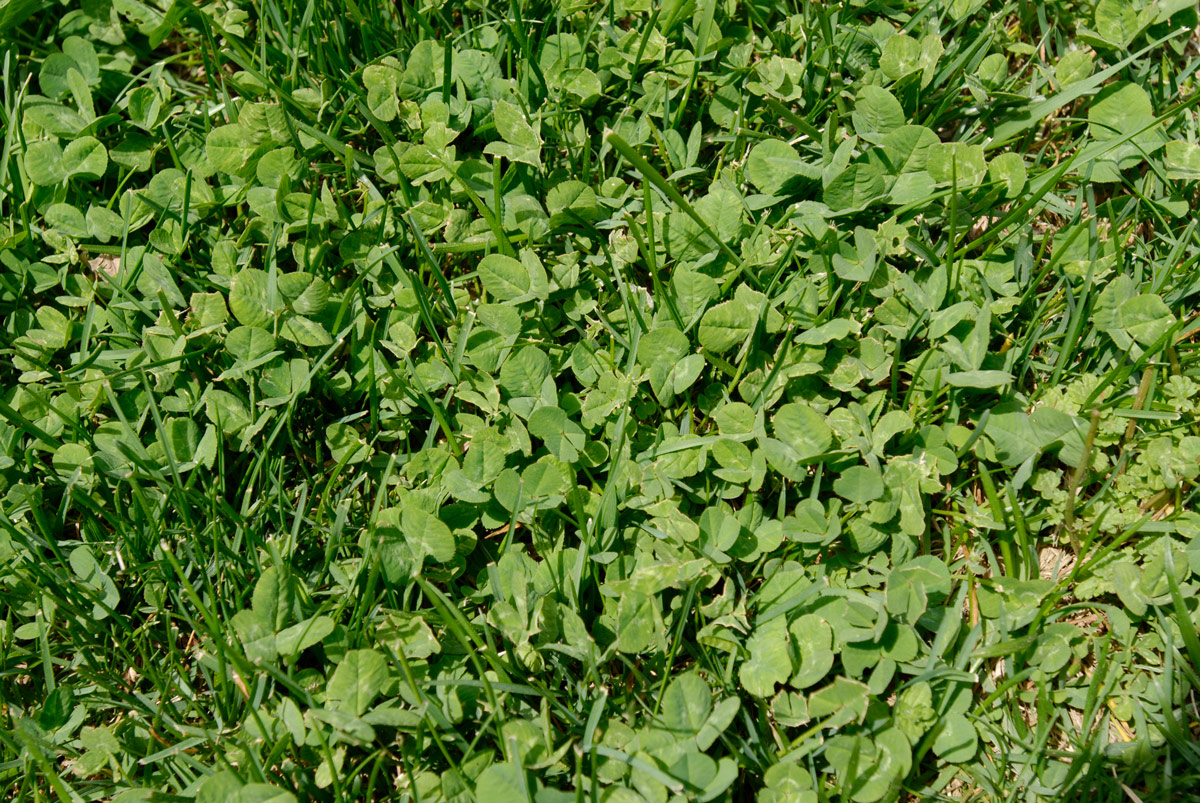
Image Source: naturalawn.com
Why Clover Takes Over Your Lawn
Before we dive into the “how,” let’s briefly touch on the “why.” Clover tends to invade lawns that are weak or lacking in essential nutrients. It thrives in compacted soil, areas with poor drainage, and lawns that are cut too short. Understanding these factors is the first step in preventing future clover infestations and improving your overall lawn care.
Common Culprits Behind Clover Growth
- Low Nitrogen Levels: Clover is a nitrogen fixer. When your grass isn’t getting enough nitrogen, clover steps in to fill the gap, often outcompeting the grass.
- Compacted Soil: Hard, compacted soil makes it difficult for grass roots to penetrate and access water and nutrients. Clover, with its shallower root system, can easily establish itself in these conditions.
- Mowing Too Short: Cutting your grass too low stresses the grass blades, weakens the roots, and opens up space for weeds like clover to grow.
- Poor Drainage: Waterlogged areas create an environment where clover flourishes, while many types of desirable turfgrass struggle.
- Under-Seeding or Thin Areas: Bare patches or thin areas in your lawn are prime real estate for clover seeds to germinate and take hold.
Effective Strategies for Clover Removal
Getting rid of clover is a multi-pronged approach. Relying on just one method might not be enough, especially if you have a significant clover infestation.
Manual Removal: The Hands-On Approach
For smaller patches of clover, manual removal is a viable and eco-friendly option. It’s labor-intensive but very effective for targeted clover removal.
Tools You’ll Need
- Gloves: Protect your hands.
- Hand Trowel or Dandelion Weeder: These tools are perfect for digging out the entire clover plant, including its roots.
- Bucket or Bag: To collect the removed clover.
The Process
- Water the Area: Water the lawn a day before you plan to pull clover. This softens the soil, making it easier to pull the entire plant, roots and all.
- Grasp the Clover: Get a firm grip on the base of the clover plant, as close to the soil as possible.
- Dig and Pull: Use your trowel or weeder to gently loosen the soil around the clover. Then, pull the plant upwards, aiming to get the entire taproot.
- Inspect the Roots: Check the roots to ensure you’ve removed the entire plant. Leaving roots behind can allow the clover to regrow.
- Dispose of Clover: Place the removed clover in a bag and dispose of it away from your lawn. This prevents seeds from spreading.
- Fill and Reseed (Optional): If you’ve removed a significant patch, fill the hole with a quality topsoil mix and reseed with your preferred grass type. This helps the lawn recover quickly and prevents new weeds from taking root.
Pros and Cons of Manual Removal
- Pros:
- Environmentally friendly, no chemicals involved.
- Precise; you only remove what you want.
- Effective for small, isolated patches.
- Cons:
- Time-consuming and labor-intensive for large areas.
- Can be difficult to remove the entire root system.
- May leave small bare spots that need reseeding.
Chemical Weed Control: Targeting the Clover
When manual removal isn’t practical, a chemical approach using a weed killer can be very effective. The key is to use the right type of weed killer for clover.
Choosing the Right Weed Killer
For clover, you need a broadleaf weed killer. These herbicides are designed to kill broadleaf plants like clover, dandelions, and plantain, while leaving grasses unharmed.
- Selective Herbicides: These are the most effective. Look for products specifically labeled for broadleaf weed control in turfgrass. Common active ingredients include:
- 2,4-D: A widely used herbicide effective against many broadleaf weeds.
- Mecoprop (MCPP): Often combined with 2,4-D, it targets similar weeds.
- Dicamba: Another potent broadleaf weed killer.
- Trimec (a combination of 2,4-D, MCPP, and Dicamba): A popular and effective choice.
- Quinclorac: Effective against clover and crabgrass.
How to Apply Weed Killer
- Read the Label: This is the most crucial step. Always read and follow the manufacturer’s instructions regarding application rates, timing, and safety precautions.
- Choose the Right Time:
- Temperature: Apply when temperatures are between 60°F and 85°F (15°C and 29°C). Avoid applying during extreme heat or frost.
- Wind: Do not apply on windy days to prevent drift onto desirable plants or gardens.
- Rain: Avoid application if rain is expected within 24 hours, as rain can wash away the herbicide before it works.
- Application Methods:
- Liquid Sprays: Most common. Mix the concentrate with water according to the label instructions. Apply evenly over the affected areas. A broadcast spreader or a handheld sprayer can be used.
- Granular Weed Feeders: Some products are combined with fertilizer. Apply with a spreader.
- Targeted Application: For smaller infestations, spot-treating is more efficient and uses less product. Use a sprayer or a sponge applicator to apply directly to the clover.
- Post-Application:
- Watering: Some products require watering in, while others are best left dry. Check the label.
- Repeat Applications: Some stubborn clover patches may require a second application after a few weeks.
Safety Precautions
- Protective Gear: Wear gloves, long sleeves, long pants, and eye protection when handling and applying herbicides.
- Children and Pets: Keep children and pets off the lawn until the spray has dried and the product is no longer visible.
- Storage: Store herbicides in their original containers in a cool, dry, well-ventilated place, away from food and pet access.
Natural Clover Control: Eco-Friendly Options
If you prefer to avoid chemical weed killers, there are several natural methods to manage and kill clover. These methods focus on improving lawn health and using natural substances.
Improving Lawn Health: The Best Natural Defense
The most sustainable way to get rid of clover is to create an environment where grass thrives and clover struggles.
- Proper Mowing Height: Set your mower to a higher setting. For most cool-season grasses, this means 3-4 inches. Taller grass shades the soil, keeping it cooler, retaining moisture, and preventing weed seeds from germinating.
- Adequate Watering: Water deeply and infrequently. This encourages grass roots to grow deeper, making them more resilient to drought and competition. Aim for about 1 inch of water per week, either from rain or irrigation.
- Fertilization: Feed your lawn with a balanced fertilizer at the right times of year. This ensures your grass has the nutrients it needs to stay healthy and dense, crowding out weeds. A soil test can help you determine specific nutrient needs.
- Aeration: If your soil is compacted, aeration is key. This process pulls small plugs of soil from the lawn, allowing air, water, and nutrients to reach the root zone. It also helps improve drainage.
- Dethatching: A thick layer of thatch (dead grass material) can smother grass and harbor pests and diseases. Dethatch your lawn when the thatch layer exceeds half an inch.
- Overseeding: Fill in thin or bare spots by overseeding with a good quality grass seed. This increases lawn density and reduces opportunities for clover to establish.
Natural Herbicidal Approaches
While not as potent as synthetic chemicals, some natural substances can help kill clover.
- Vinegar (Acetic Acid): Horticultural vinegar (20% acetic acid) can burn clover leaves. However, it’s a non-selective herbicide, meaning it will also damage or kill grass if it comes into contact with it.
- Application: Mix horticultural vinegar with a surfactant (like a drop of dish soap) to help it stick to the leaves. Apply directly to the clover on a sunny day. It’s best for spot treatment.
- Caution: Be extremely careful not to spray this on your grass. It can brown or kill it, requiring reseeding.
- Boiling Water: Pouring boiling water directly onto clover can kill it. Like vinegar, this is non-selective and will harm grass. It’s best for cracks in pavement or very small, isolated patches.
- Corn Gluten Meal: This is a pre-emergent weed suppressant. When applied at the right time (typically early spring before clover seeds germinate), it can inhibit root formation in seedlings. It also acts as a natural fertilizer.
Integrated Pest Management (IPM) for Clover
The most successful approach to clover control is often an Integrated Pest Management (IPM) strategy. This means combining various methods for the best long-term results.
Key IPM Principles for Clover
- Prevention: The best defense is a healthy lawn. Focus on proper mowing, watering, and fertilization to create dense, healthy turf that naturally crowds out clover.
- Monitoring: Regularly inspect your lawn for early signs of clover. Catching it early makes manual removal much easier.
- Action: When clover is detected, choose the appropriate action based on the infestation level and your preferences (manual, chemical, or natural).
- Evaluation: After implementing a strategy, observe your lawn to see what worked and what needs adjustment for the next season.
Timing Your Clover Control Efforts
The effectiveness of any clover removal method often depends on when you apply it.
Spring: Ideal for Prevention and Early Removal
- Overseeding: Spring is a good time to overseed thin areas, giving your grass a head start against spring-emerging weeds.
- Aeration and Dethatching: If needed, perform these tasks in early spring before active growth.
- Manual Removal: Small clover patches can be pulled in early spring as soon as you see them.
- Broadleaf Weed Killer Application: Apply selective herbicides in mid-to-late spring, after the grass has greened up and when temperatures are consistently in the ideal range. Clover is actively growing at this time, making it more susceptible.
Summer: Approach with Caution
- Heat Stress: Summer heat can stress both your grass and clover. Applying herbicides during extreme heat can damage your lawn.
- Watering: Continue proper watering practices.
- Spot Treatment: If you must treat in summer, focus on spot treatments with broadleaf weed killers during cooler parts of the day, ensuring no heat-related damage to your grass.
Fall: A Prime Time for Treatment and Preparation
- Broadleaf Weed Killer Application: Fall is often considered the best time to apply broadleaf weed killers. The soil is still warm enough for roots to absorb the herbicide, and the clover is actively growing and preparing for winter. This application can significantly reduce the clover population for the following year.
- Fertilization: Apply a fall fertilizer to nourish your lawn and help it recover from summer stress and prepare for winter.
- Overseeding: Fall is another excellent time for overseeding, especially if you addressed clover patches in the summer or fall.
Common Questions About Clover Control
What is the best way to kill clover?
The best way to kill clover is often a combination of improving your lawn’s health and using a selective broadleaf weed killer. Focus on dense, healthy turf through proper mowing, watering, and fertilization. For active clover removal, a broadleaf weed killer applied in spring or fall is highly effective.
Can I get rid of clover naturally?
Yes, you can get rid of clover naturally. Focus on creating a strong, healthy lawn through proper lawn care. This includes mowing at the correct height, watering deeply, aerating compacted soil, and overseeding thin areas. You can also use spot treatments with horticultural vinegar or boiling water, but be very careful as these can also harm your grass.
Is clover bad for my lawn?
Clover isn’t inherently “bad” for your lawn in the way some aggressive weeds are. It’s a nitrogen fixer, which can benefit the soil. However, it’s often considered an undesirable weed because it spreads aggressively, outcompetes grass, creates a patchy appearance, and can make your lawn more susceptible to grubs if it’s a significant part of the turf. Many homeowners seek clover removal for aesthetic reasons and to promote a denser, more uniform grass stand.
How do I prevent clover from coming back?
Prevention is key! Maintain a healthy, dense lawn. Mow at a higher setting (3-4 inches), water deeply and infrequently, aerate compacted soil, and fertilize appropriately. Regularly overseeding thin areas will also help outcompete clover. Monitoring your lawn and addressing any early signs of clover promptly can prevent a major clover infestation.
When should I apply weed killer for clover?
The best times to apply a broadleaf weed killer for clover are mid-to-late spring, after the grass has greened up and clover is actively growing, and fall, which is often considered the most effective time. Aim for temperatures between 60°F and 85°F (15°C and 29°C) and avoid windy or rainy conditions.
Will a fertilizer with weed killer get rid of clover?
Yes, some fertilizers contain added broadleaf weed killer, often referred to as “weed and feed” products. These can be effective for simultaneous fertilization and clover control. However, always ensure the weed killer component is suitable for your grass type and apply it according to the label instructions for best results and to avoid damaging your lawn.
Conclusion: A Healthier Lawn Awaits
Conquering clover is achievable with patience and a consistent approach to lawn care. By understanding the conditions that favor clover growth and implementing a combination of manual removal, appropriate weed killer use, and diligent lawn maintenance, you can effectively rid your lawn of clover. Remember, a healthy, well-maintained lawn is the best defense against any type of weed, including a persistent clover infestation. Enjoy the process of transforming your lawn into a lush, green carpet!