
What is the fastest way to get rid of clover in the lawn? The fastest way to get rid of clover in your lawn often involves a combination of manual removal and targeted herbicide application, but a healthy, dense turf is the ultimate defense against invasive weeds like clover.
Clover, with its distinctive three-leaflets (sometimes four!), is a common sight in many lawns. While it can add a splash of green and even benefit soil by fixing nitrogen, its aggressive growth can quickly overtake desirable grass, leading to an uneven and unsightly lawn. Tackling clover might seem daunting, but with the right strategies, you can reclaim your lawn and prevent its return. This guide will walk you through effective methods for clover removal, from quick fixes to long-term solutions, ensuring your lawn stays healthy and weed-free.
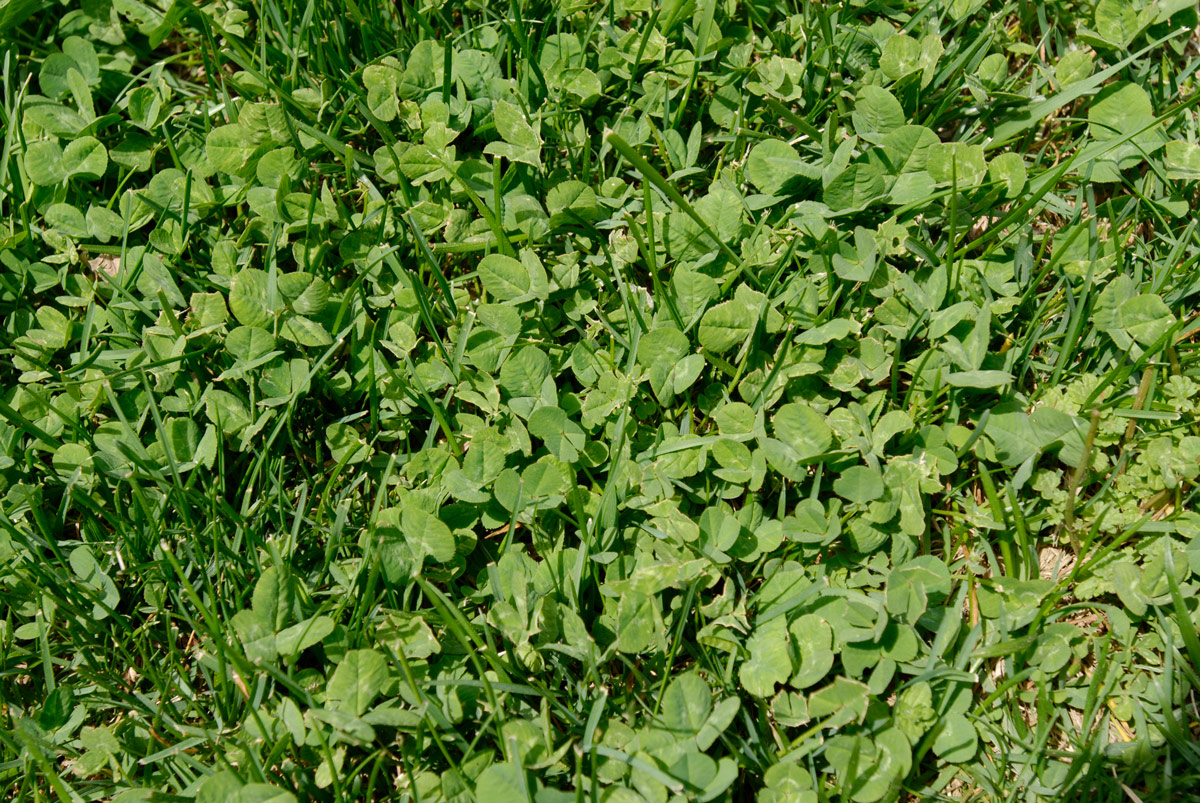
Image Source: naturalawn.com
Why Clover Invades Your Lawn
Before diving into clover removal methods, it’s helpful to understand why this persistent weed thrives. Clover often signals underlying issues within your lawn’s ecosystem.
- Low Nitrogen Levels: Clover is a nitrogen-fixing plant. When your lawn lacks sufficient nitrogen, the grass struggles to grow thickly, leaving open spaces where clover can easily establish itself.
- Poor Soil Conditions: Compacted soil, poor drainage, and incorrect pH levels can weaken grass roots, making them vulnerable to weed encroachment.
- Mowing Too Short: Mowing your grass too low stresses the turf, reducing its ability to outcompete weeds. Taller grass shades the soil, discouraging weed seed germination.
- Over-watering or Under-watering: Inconsistent watering practices can create conditions favorable for clover and detrimental to healthy grass.
- Compacted Soil: As mentioned, compacted soil restricts root growth for your grass, giving shallow-rooted weeds like clover an advantage. Lawn aeration is a key solution here.
Swift Strategies for Clover Removal
When you want to get rid of clover fast, a multi-pronged approach usually yields the best results. These methods offer rapid action.
Manual Weed Pulling: The Direct Approach
For small infestations, manual weeding is surprisingly effective and offers immediate visible results. It’s also a great option for those seeking organic weed removal.
How to Manually Pull Clover
- Timing is Key: Pull clover when the soil is moist. This makes it easier to extract the entire root system. A good time is after a rain or watering.
- Use the Right Tool: A weeding tool with a narrow blade or fork can help loosen the soil around the clover and lift it out by the roots. For larger areas, a trowel or even a spade can be useful.
- Grasp Firmly: Get a good grip on the clover plant, as close to the soil surface as possible.
- Pull Steadily: Pull upwards with consistent pressure. Avoid yanking, which can break off the roots, allowing the clover to regrow.
- Dispose Properly: Place the pulled clover in a bag to prevent re-rooting or spreading seeds.
Pros of Manual Pulling:
- Immediate Results: You see the clover gone right away.
- Environmentally Friendly: No chemicals are involved.
- Cost-Effective: Requires no special products.
- Precise: You only remove the weeds, not the surrounding grass.
Cons of Manual Pulling:
- Time-Consuming: Can be very labor-intensive for large areas.
- Root Fragments: If roots are left behind, clover can regrow.
Targeted Herbicide Application: The Chemical Quick Fix
For a faster elimination of clover across larger areas, herbicides are often employed. It’s crucial to choose the best weed killer that specifically targets broadleaf weeds like clover.
Understanding Clover Killer Herbicides
Herbicides designed for broadleaf weed control are generally effective against clover. These chemicals work by being absorbed by the leaves and translocated throughout the plant, killing it from the roots up.
Types of Herbicides:
- Selective Herbicides: These are designed to kill specific types of weeds without harming the desired grass. This is usually the preferred choice for lawn care.
- Non-Selective Herbicides: These kill all plants they come into contact with, including your grass. Use with extreme caution and only for spot treatments or areas you plan to reseed.
Active Ingredients to Look For:
Many effective broadleaf herbicides contain one or a combination of the following active ingredients:
- 2,4-D: A common and effective herbicide for many broadleaf weeds.
- Mecoprop (MCPP): Often found in combination products, effective against clover and other lawn weeds.
- Dicamba: Another widely used herbicide that controls a broad spectrum of weeds.
- Trimec: A popular brand that combines 2,4-D, MCPP, and Dicamba for broad-spectrum control.
- Quinclorac: Particularly effective against crabgrass but can also help with clover.
Application Tips for Maximum Effectiveness:
- Read the Label: Always read and follow the herbicide label instructions carefully. This includes application rates, timing, and safety precautions.
- Apply on a Calm Day: Wind can cause drift, potentially damaging desirable plants and spreading the herbicide to unintended areas.
- Water Before or After: Some herbicides work best when applied to dry foliage and watered in later, while others need to be applied to moist foliage. Check the label.
- Spot Treat: Whenever possible, spot treat the clover patches rather than broadcast spraying the entire lawn. This conserves the product and minimizes impact on non-target plants.
- Multiple Applications May Be Needed: For stubborn clover, a second application may be necessary a few weeks later, as indicated on the product label.
Caution: Be aware that some herbicides can temporarily discolor grass. Always test a small, inconspicuous area first if you are concerned.
Dandelion Removal and Clover: A Shared Battle
Often, clover isn’t the only unwelcome guest. Dandelion removal might also be on your agenda. Many broadleaf weed killers are effective against both clover and dandelions, offering a two-in-one solution for your broadleaf weed control needs. This means you can often tackle multiple weed problems with a single, well-chosen product.
Long-Term Strategies for a Clover-Free Lawn
While fast-acting methods address the immediate problem, preventing clover from returning requires a focus on building a healthy, resilient lawn. This is where proactive lawn care comes into play.
Improving Lawn Health: The Best Defense
A thick, healthy turf is the most effective barrier against weeds. Focus on these key areas:
Fertilization: Nourishing Your Grass
- Proper Nutrient Balance: Ensure your lawn receives the right balance of nitrogen, phosphorus, and potassium. A soil test can help identify any deficiencies.
- Seasonal Fertilization: Fertilize your lawn according to its specific needs during its active growing seasons. This promotes dense growth, shading out weeds.
Mowing Practices: Height Matters
- Mow Higher: Set your mower to a higher setting. For most cool-season grasses, this means 3 to 3.5 inches. Taller grass shades the soil, suppressing weed seed germination and encouraging deeper root growth.
- Sharp Mower Blades: Dull blades tear grass, leaving it susceptible to disease and stress. Keep your mower blades sharp for clean cuts.
- Leave Grass Clippings: Grass clippings return valuable nutrients to the soil. As long as they aren’t clumped, leaving them on the lawn acts as a natural fertilizer.
Watering Wisely: Consistency is Key
- Deep and Infrequent Watering: Water your lawn deeply but less often. This encourages grass roots to grow deeper into the soil, making them more drought-tolerant and better able to compete with weeds. Aim for about 1 inch of water per week, delivered in one or two sessions.
- Water Early: Water in the morning to allow the grass to dry off before evening, reducing the risk of fungal diseases.
Lawn Aeration: Breaking Up Compaction
- Purpose of Aeration: Lawn aeration involves creating small holes in the soil to relieve compaction. This allows air, water, and nutrients to reach the grass roots more effectively.
- Benefits: Aeration improves soil structure, which is vital for healthy grass growth. It helps grass roots penetrate deeper, making the lawn more resilient.
- When to Aerate: The best times to aerate are during the peak growing seasons for your grass type – typically spring or fall for cool-season grasses, and late spring or early summer for warm-season grasses.
- Combining with Overseeding: Aeration is often done in conjunction with overseeding, which fills in any bare patches with new grass seed.
Overseeding: Filling the Gaps
- Promoting Density: If your lawn has thin patches where clover thrives, overseeding with a high-quality grass seed appropriate for your climate can fill these gaps, creating a denser turf that crowds out weeds.
- Best Time: Fall is generally the best time to overseed cool-season lawns.
Organic Approaches to Clover Control
For those who prefer natural lawn care and organic weed removal, several effective methods can be employed. These often focus on building soil health and using gentler, natural deterrents.
Vinegar: A Natural Broadleaf Weed Control
Household vinegar, particularly horticultural vinegar (which has a higher acetic acid content), can be effective as a clover killer and for dandelion removal.
How to Use Vinegar
- Concentration: Use a white vinegar with at least 5% acetic acid. Horticultural vinegar can be 10-20%.
- Application: Spray directly onto the clover on a sunny, warm day. The acetic acid burns the plant’s foliage.
- Limitations: Vinegar is a non-selective contact killer. It will damage any plant it touches, including your grass. It also tends to kill only the top growth, meaning the roots might survive, and clover could regrow. Multiple applications are often needed.
Corn Gluten Meal: A Pre-Emergent Strategy
Corn gluten meal is a natural product that acts as a pre-emergent herbicide, meaning it can prevent weed seeds (including clover) from germinating.
Using Corn Gluten Meal
- Application Timing: Apply in early spring, before clover seeds begin to sprout.
- How it Works: Corn gluten meal inhibits root formation in seedlings.
- Benefits: It also provides a nitrogen boost to the lawn.
- Limitations: It’s less effective on established clover plants and requires precise timing for optimal results. It’s also not a complete clover killer for existing weeds.
Boiling Water: A Simple Spot Treatment
Boiling water can be used to kill clover on contact.
How to Use Boiling Water
- Application: Carefully pour boiling water directly over the clover patches.
- Effectiveness: It kills the plant on contact.
- Caution: Like vinegar, boiling water is non-selective and will kill grass. It also only kills the top growth, so roots may survive. Use only for small, targeted areas.
Strengthening the Grass: The Ultimate Organic Solution
The most effective organic strategy is to create a lawn so healthy and dense that clover cannot establish itself. This involves all the principles of good lawn care discussed earlier: proper watering, mowing, and fertilization. By outcompeting clover for sunlight, water, and nutrients, you prevent its establishment naturally.
Combining Methods for Best Results
Often, the most successful approach to clover removal involves combining several strategies.
- Manual Pulling + Healthy Lawn Practices: Pull out existing clover and then focus on building a strong, dense lawn through proper mowing, watering, and feeding.
- Herbicide + Overseeding: Use a selective herbicide to quickly knock back clover and other weeds, then overseed thin areas to promote a thick turf.
- Aeration + Natural Treatments: Aerate your lawn to improve soil health, then apply organic treatments like corn gluten meal in the spring for prevention, and maintain a robust lawn with good practices.
Common Questions About Clover Removal
Here are answers to some frequently asked questions about tackling clover in the lawn.
Can I Get Rid of Clover Naturally?
Yes, you can get rid of clover naturally. This involves manual pulling, improving soil health, and encouraging dense grass growth through proper mowing, watering, and fertilization. Organic treatments like corn gluten meal can also help prevent new clover from establishing.
Is Clover Bad for a Lawn?
Clover can be considered a weed when it disrupts the desired look and density of a lawn. It spreads aggressively and can overtake grass. However, it does have benefits, such as fixing nitrogen in the soil, which can help reduce the need for nitrogen fertilizer. Many people choose to tolerate or even embrace clover for its environmental benefits.
Will Dandelions and Clover Grow Back?
Both dandelions and clover can grow back if their root systems are not fully removed or if the underlying conditions that allowed them to thrive are not addressed. For dandelions, ensuring the taproot is removed is crucial. For clover, consistent maintenance of a healthy, dense lawn is key to preventing its return.
When is the Best Time to Apply Clover Killer?
The best time to apply a clover killer herbicide is when the clover is actively growing and the weather is mild, typically in spring or early fall. Avoid applying during extreme heat or drought conditions, as this can stress the grass and reduce the herbicide’s effectiveness. Always check the product label for specific timing recommendations.
How Do I Prevent Clover From Coming Back?
Preventing clover from coming back involves consistent and proper lawn care. This includes:
* Maintaining a healthy, dense turf by mowing at the correct height and sharpening mower blades.
* Watering deeply and infrequently.
* Fertilizing your lawn appropriately to ensure it has adequate nutrients, especially nitrogen.
* Aerating your lawn periodically to relieve soil compaction.
* Overseeding thin or bare spots to prevent weed germination.
* Addressing any underlying soil issues like poor drainage or incorrect pH.
By focusing on these long-term strategies, you create an environment where grass thrives and clover struggles to gain a foothold.