
Can you keep raccoons from digging up your lawn? Yes, by using a combination of deterrents, repellents, and habitat modification, you can effectively discourage raccoons from turning your yard into their personal buffet.
Raccoons, with their intelligent eyes and masked faces, are a common sight in many suburban and even urban areas. While they can be fascinating to observe, their nocturnal habits and natural foraging behaviors can cause significant damage to lawns, gardens, and landscapes. Raccoon digging is often a result of their search for food, such as grubs, earthworms, or insects, beneath the soil’s surface. They can also dig to find a place to burrow or create dens, especially during mating season or when seeking shelter from harsh weather. This article delves into practical, humane, and effective strategies for lawn protection from raccoons, focusing on raccoon digging control methods and safe raccoon repellents.
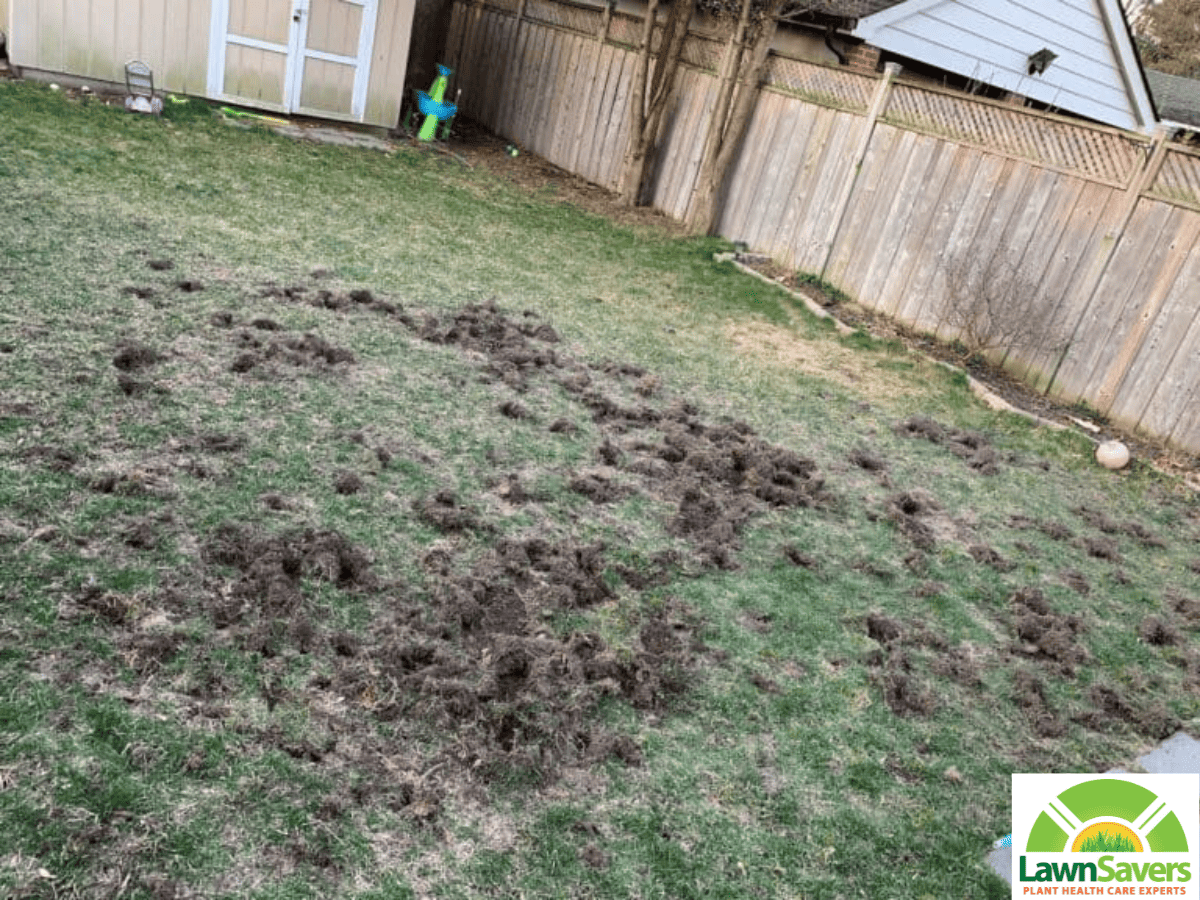
Image Source: lawnsavers.com
Why Raccoons Dig in Your Lawn
To effectively deter raccoons, it’s helpful to understand why they’re attracted to your lawn in the first place.
Food Sources Underground
Raccoons are omnivores, and their diet includes a variety of things found in the soil.
- Grubs and Insects: The most common attractant for digging raccoons are the larvae of beetles, such as Japanese beetles and June bugs. These plump, juicy grubs are a protein-rich meal.
- Earthworms: Especially after rain, earthworms come closer to the surface, making them an easy target for raccoons.
- Other Invertebrates: Raccoons will also consume various other small creatures they find in the soil.
Seeking Shelter and Den Sites
While less common for lawn digging, raccoons might excavate shallow depressions or expand existing holes if they perceive your yard as a safe place to rest or raise young.
- Protection from Predators: Raccoons look for areas with cover, and a dense lawn or nearby bushes can offer that.
- Access to Water: Proximity to a water source can also make your yard appealing.
General Curiosity and Exploration
Raccoons are naturally curious animals. They explore their environment, and digging can be part of that process, even if they don’t find food immediately.
Proven Methods for Deterring Raccoons from Garden Beds and Lawns
Successfully stopping raccoons digging up grass involves a multi-pronged approach. The goal is to make your lawn less appealing and harder to access for these determined creatures.
1. Eliminate Food Sources
The most fundamental step in preventing raccoons from burrowing is removing what attracts them.
Secure Your Garbage Cans
- Use Raccoon-Proof Bins: Invest in heavy-duty garbage cans with secure locking lids. These are designed to withstand raccoons’ strength and dexterity.
- Clean Cans Regularly: Wash garbage cans to remove food odors that can attract raccoons from a distance.
- Store Cans Securely: Keep bins in a garage or shed until collection day. If bins must remain outside, consider anchoring them.
Manage Pet Food
- Feed Pets Indoors: Never leave pet food or water bowls outside, especially overnight. Raccoons will readily eat pet food.
- Clean Up After Pets: Ensure any spilled pet food or water is cleaned up promptly.
Harvest Fruit and Vegetables
- Collect Ripe Produce: Ripe fruits and vegetables in your garden are a significant attractant. Harvest them as soon as they are ready.
- Remove Fallen Produce: Don’t leave fallen fruit on the ground; it attracts raccoons and other pests.
Address Bird Feeders
- Use Squirrel-Proof Feeders: Raccoons can also raid bird feeders. Opt for feeders designed to deter larger animals.
- Clean Up Spilled Seed: Sweep up any seed that falls to the ground, as this can attract raccoons and rodents.
2. Physical Barriers for Lawn Protection from Raccoons
Creating physical barriers is a direct way to keep raccoons out of your yard and protect specific areas.
Fencing
- Height and Depth Matter: For effective fencing, it should be at least 3 feet tall to deter climbing. Crucially, it needs to be buried at least 1 foot deep and angled outwards at the bottom to prevent raccoons from digging under it.
- Materials: Use sturdy materials like wire mesh (hardware cloth with small openings) or solid fencing.
- Electric Fencing: A low-voltage electric fence can be a highly effective deterrent. Raccoons will learn to avoid the area after a single unpleasant encounter. This is a humane option as it simply provides a mild shock.
Netting and Covers
- Garden Beds: Use fine-mesh netting or row covers to protect vulnerable garden beds and plants. Ensure the netting is secured well to the ground to prevent raccoons from getting underneath.
- Trash Cans: Secure mesh netting can be used to cover trash cans if specialized bins are not available, but this is less secure.
3. Safe Raccoon Repellents
When physical barriers are not practical, repellents can be a useful tool. The key is to use safe and humane options that are effective for deterring raccoons from garden beds and lawns.
Scent-Based Repellents
Raccoons have a keen sense of smell, and certain odors can be unpleasant for them.
- Ammonia-Soaked Rags: Place rags soaked in ammonia in strategic locations around your lawn or garden. Ammonia’s strong scent mimics predator urine. Caution: Ammonia can damage some plants and is a respiratory irritant.
- Cayenne Pepper/Chili Powder: Sprinkle cayenne pepper or chili powder around the perimeter of your lawn or garden beds. Raccoons dislike the spicy sensation. Reapplication is necessary after rain.
- Epsom Salts: Some anecdotal evidence suggests that sprinkling Epsom salts around gardens can deter raccoons. The salty taste might be unappealing.
- Peppermint Oil or Castor Oil: Apply a few drops of peppermint oil or castor oil on cotton balls and place them in areas where raccoons are digging. These strong scents can be off-putting.
- Predator Urine: Commercially available predator urine (e.g., fox or coyote urine) can be sprinkled around your yard. The scent of a natural predator can make raccoons feel unsafe.
Taste-Based Repellents
These can be applied to plants or soil to make them unpalatable.
- Bitter Apple Spray: Available commercially, this spray has a bitter taste that deters animals from chewing or digging. Ensure it’s safe for your plants before widespread application.
- Garlic Spray: A homemade garlic spray (blended garlic with water, strained, and mixed with a little dish soap) can be sprayed on plants. The strong smell and taste can be a deterrent.
Sound and Light Repellents
- Motion-Activated Sprinklers: These devices detect movement and spray a burst of water, startling animals and encouraging them to leave. This is a very effective humane raccoon removal from yard technique.
- Ultrasonic Devices: These emit high-frequency sounds that are inaudible to humans but bothersome to many animals, including raccoons. Their effectiveness can vary, and some studies suggest animals may become accustomed to them over time.
- Lights: Motion-activated lights can startle nocturnal animals like raccoons, making them feel exposed and less likely to stay.
4. Habitat Modification
Making your yard less inviting is a long-term strategy for raccoon digging control methods.
Trim Overhanging Branches
- Access Points: Raccoons are excellent climbers. Trim any tree branches that overhang your roof or provide easy access to elevated areas of your home or yard.
- Secure Sheds and Decks: Raccoons often seek shelter under decks or in sheds. Secure the perimeter with sturdy wire mesh to keep raccoons out of your yard.
Remove Potential Shelter
- Clear Debris: Piles of wood, rocks, or dense vegetation can provide shelter for raccoons. Keep your yard tidy.
- Cover Crawl Spaces: Ensure crawl spaces under your house are securely sealed.
5. Professional Assistance and Trapping
When other methods fail, or if you have a persistent problem, professional help might be necessary.
- Wildlife Control Specialists: Professionals can assess the situation and implement more intensive control measures, often including live trapping and relocation. This is often the most effective way to achieve humane raccoon removal from yard.
- Live Trapping: If you choose to trap raccoons yourself, use a large live trap. Place bait (like marshmallows or canned cat food) inside. Once trapped, relocate the animal at least 5-10 miles away to prevent it from returning. Check local regulations regarding trapping and relocating wildlife.
Homemade Raccoon Deterrents: DIY Solutions
For those who prefer a more hands-on approach, several homemade raccoon deterrents can be effective. These often rely on strong scents or tastes that raccoons find unpleasant.
Garlic and Pepper Spray
- Ingredients:
- 1 bulb of garlic, minced
- 1 tablespoon of cayenne pepper
- 1 quart of water
- 1 teaspoon of mild liquid dish soap
- Instructions:
- Blend the minced garlic and cayenne pepper with the water.
- Let the mixture sit for at least 24 hours to allow the scents to infuse.
- Strain the mixture to remove solids.
- Add the liquid dish soap (acts as a surfactant, helping the spray adhere to surfaces).
- Pour into a spray bottle.
- Application: Spray generously around the base of plants, on garden borders, or on areas where digging is occurring. Reapply after rain or irrigation.
Ammonia and Cotton Balls
- Ingredients:
- Household ammonia
- Cotton balls
- Instructions:
- Soak cotton balls in ammonia.
- Place the soaked cotton balls in small, open containers or directly on the ground (but not in direct contact with plants) in areas frequented by raccoons.
- Caution: Ammonia’s fumes can be strong. Wear gloves and avoid inhaling directly. Ensure placement is safe for children and pets.
Vinegar Solution
- Ingredients:
- White vinegar
- Water
- Instructions:
- Mix equal parts white vinegar and water.
- Spray around the perimeter of your lawn or garden.
- Effectiveness: The acidity and strong smell of vinegar can deter raccoons. Like other scent deterrents, it needs frequent reapplication.
What NOT to Do When Dealing with Raccoons
While you want to stop raccoons digging up grass, it’s crucial to do so humanely and legally.
- Never Use Poisons: Poisons are inhumane, can harm non-target animals (including pets and beneficial wildlife), and pose risks to human health.
- Avoid Lethal Traps: Lethal traps are cruel and often illegal. They can also cause unnecessary suffering.
- Don’t Corner or Provoke Them: Raccoons can become aggressive if they feel threatened. Maintain a safe distance.
- Do Not Handle Raccoons Directly: Raccoons can carry diseases like rabies. Leave handling to professionals.
Table: Effective vs. Less Effective Raccoon Deterrents
| Method | Effectiveness Level | Notes |
|---|---|---|
| Securing Garbage | Very High | Directly removes a primary food attractant. |
| Motion-Activated Sprinklers | High | Startles and repels raccoons with water. Humane and effective. |
| Electric Fencing | Very High | Creates a strong physical and sensory barrier that animals learn to avoid. Humane shock. |
| Physical Barriers (Deep Fencing) | High | Prevents access to the lawn and garden areas. Requires proper installation for effectiveness. |
| Predator Urine | Moderate to High | The scent of natural predators can make raccoons feel unsafe. Effectiveness can diminish over time and requires reapplication. |
| Ammonia/Strong Scents | Moderate | Can deter raccoons through unpleasant smells. Requires frequent reapplication, especially after rain. Can be harmful to plants if applied directly. |
| Chili Powder/Pepper Sprays | Moderate | The spicy taste can deter raccoons from eating grubs or plants. Needs frequent reapplication. Can irritate eyes and lungs if inhaled. |
| Ultrasonic Devices | Low to Moderate | Effectiveness can be inconsistent. Animals may habituate to the sound. |
| Taste Repellents | Moderate | Can protect specific plants but doesn’t address general digging for grubs or burrowing. Requires consistent application. |
| Garlic Sprays | Low to Moderate | Pleasant to humans, but the strong smell might deter some raccoons. Needs frequent reapplication. |
Frequently Asked Questions (FAQ)
Q1: What is the best humane way to get rid of raccoons digging up my lawn?
The best humane methods involve making your yard less attractive and implementing deterrents. This includes securing garbage, removing food sources, using motion-activated sprinklers, installing proper fencing, and employing safe raccoon repellents for lawns.
Q2: Can I use mothballs to deter raccoons?
While mothballs are sometimes suggested, they are not considered safe raccoon repellents. Mothballs contain naphthalene or paradichlorobenzene, which are toxic chemicals. They can be harmful to pets, children, and wildlife, and can contaminate soil and water. Their use is often restricted or illegal for wildlife deterrence.
Q3: How deep do I need to bury a fence to stop raccoons?
To effectively stop raccoons from digging under a fence, it needs to be buried at least 1 foot deep. Additionally, an outward-facing L-shaped footer made of wire mesh can further prevent them from burrowing underneath.
Q4: What attracts raccoons to dig in lawns specifically?
The primary attractant is usually the presence of grubs, earthworms, and other invertebrates found in the soil. Raccoons use their strong paws to tear up the turf in search of these protein-rich food sources.
Q5: How often do I need to reapply repellents?
Most safe raccoon repellents, especially scent-based ones like pepper sprays or ammonia, need to be reapplied regularly, typically every few days or after any rainfall or watering. This is because their potency diminishes with exposure to the elements.
Q6: Are there any natural remedies that actually work for deterring raccoons?
Natural remedies like garlic spray, peppermint oil, and castor oil can have some effect due to their strong scents. However, their effectiveness is often less consistent than commercial repellents or physical barriers, and they require frequent reapplication.
By implementing these strategies, you can effectively protect your lawn from the unwelcome digging of raccoons, ensuring a healthier and more aesthetically pleasing outdoor space. Remember that consistency and a combination of methods are key to achieving successful lawn protection from raccoons.