
Can you get rid of mushrooms in your lawn? Yes, you can manage and eliminate mushrooms in your lawn through a combination of good lawn care practices, proper identification, and targeted removal methods. This comprehensive guide will walk you through everything you need to know about dealing with these common lawn visitors.
Mushrooms, often referred to as toadstools, are the fruiting bodies of fungi that live beneath the soil surface. Their sudden appearance can be puzzling and sometimes concerning for homeowners. While most lawn mushrooms are harmless and even indicate a healthy soil ecosystem, their aesthetic impact and potential association with more serious lawn issues make their removal a common goal for many. This guide aims to provide you with the knowledge and tools to effectively manage and prevent mushroom growth in your lawn, leading to healthier grass solutions and an overall improved lawn health. We’ll delve into why they appear, how to get rid of them, and crucially, how to prevent them from returning.
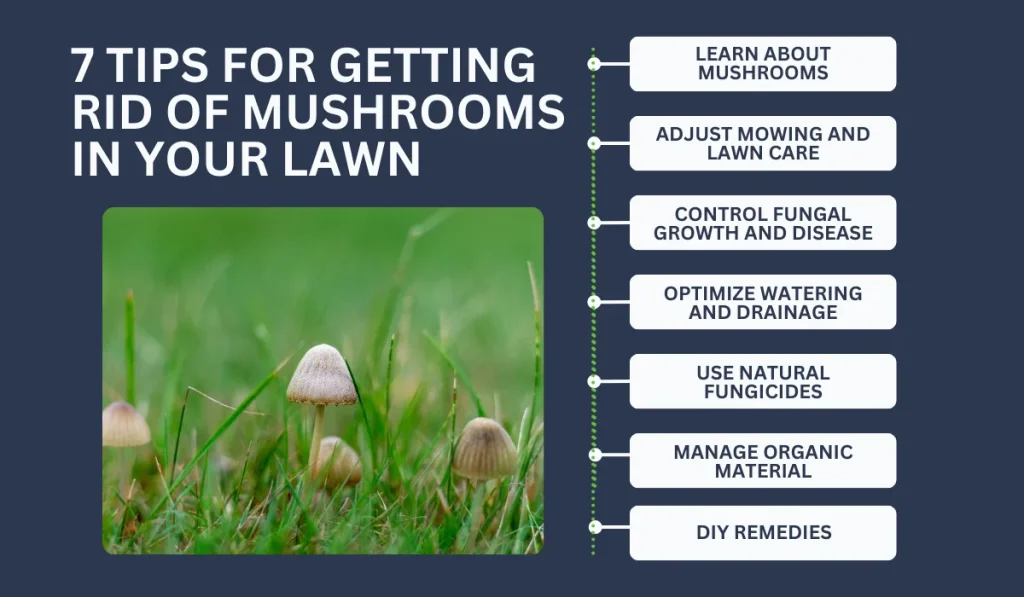
Image Source: sodlawn.com
Why Do Mushrooms Appear in My Lawn?
Grasping the reasons behind mushroom growth is the first step to effective removal. Mushrooms sprout when specific environmental conditions are met, often signaling underlying issues within your lawn’s ecosystem.
The Fungal Network Beneath the Surface
Fungi are a natural part of the soil. They play a vital role in decomposing organic matter. Mushrooms are simply the reproductive parts of these fungi, much like an apple is to an apple tree. The main fungal body, the mycelium, is a network of thread-like structures (hyphae) that lives underground. When conditions are right, the mycelium produces mushrooms.
Common Triggers for Mushroom Growth
Several factors contribute to the emergence of mushrooms:
- Moisture: Fungi thrive in damp conditions. Prolonged periods of rain, overwatering, or poor drainage can create the ideal environment for mushroom growth.
- Organic Matter: A thick layer of thatch (dead grass clippings and organic debris) or decaying organic material in the soil provides a food source for the fungi. This is why mushrooms often appear after aerating your lawn, which brings buried organic matter closer to the surface.
- Shade and Poor Air Circulation: Shady areas that remain damp for longer periods are more prone to mushroom growth.
- Soil Compaction: Compacted soil reduces drainage and air circulation, creating a hospitable environment for fungi.
- Fertilizer Use: While not a direct cause, excessive nitrogen can sometimes encourage fungal growth.
Identifying the Mushrooms in Your Lawn
Before you can effectively get rid of mushrooms, it’s helpful to know what you’re dealing with. Most common lawn mushrooms are saprophytic, meaning they feed on dead organic matter.
Harmless Lawn Mushrooms
The vast majority of mushrooms you’ll find in your lawn are harmless to your grass. They are simply nature’s way of recycling organic material. Common types include:
- Meadow Mushrooms (Agaricus campestris): White to light brown, often found in fairy rings.
- Puffballs: Spherical or pear-shaped, with powdery spores inside.
- Coprinus species (Inky Caps): Often appear in clusters and can dissolve into an inky liquid as they mature.
When to Be Concerned: Identifying Problematic Fungi
While most mushrooms are benign, some fungal issues can indicate or lead to lawn disease treatment needs.
- Fairy Rings: These are circular patches of mushrooms, or darker green, faster-growing grass, or even brown, dead grass. They are caused by specific fungi that grow outwards from a central point, consuming organic matter as they go. While the mushrooms themselves don’t harm the grass, large or persistent fairy rings can indicate underlying soil problems or thatch buildup.
It’s important to note that while some mushrooms are toxic to pets and humans if ingested, this guide focuses on their management in the lawn environment and not on consumption. Always exercise caution and keep pets and children away from mushrooms.
How to Get Rid of Mushrooms: Practical Steps
Removing existing mushrooms is often the first priority for homeowners. While they are a symptom of an underlying condition, direct removal provides immediate visual improvement.
Physical Removal of Mushrooms
The most straightforward method is to simply remove the mushrooms by hand or with a spade.
- Hand-Pulling: Wear gloves and carefully pull the mushrooms from the ground. Try to get the entire mushroom, including the base, to prevent regrowth from remaining parts.
- Shoveling: For larger mushrooms or clusters, you can use a spade to dig them out.
- Collection: Place the removed mushrooms in a plastic bag, seal it tightly, and dispose of them in the trash. Do not compost them, as this can spread spores.
Important Note: Removing the mushroom itself is a temporary solution. The fungal network (mycelium) remains in the soil. To truly solve the problem, you need to address the conditions that allow the fungus to thrive.
Lawn Care Tips for Mushroom Management
Effective lawn care is the cornerstone of preventing and managing mushroom growth. Implementing these practices will contribute to overall lawn health improvement.
1. Water Wisely
- Avoid Overwatering: Water your lawn deeply but infrequently. Allow the soil surface to dry out between waterings.
- Water in the Morning: This allows the grass blades to dry off before nightfall, reducing the damp conditions that fungi love.
- Check Soil Moisture: Use a screwdriver or soil probe to check moisture levels a few inches down. If it’s still moist, you likely don’t need to water.
2. Manage Thatch
- Dethatching: A thatch layer thicker than half an inch can harbor fungi. Dethatch your lawn annually or as needed, especially in the spring or fall.
- Core Aeration: Aeration helps break down thatch and improve soil drainage and air circulation.
3. Improve Drainage
- Identify Problem Areas: Observe where water tends to pool after rain.
- Aeration: As mentioned, aeration improves overall drainage.
- Topdressing: After aeration, you can topdress with a thin layer of sand to further improve drainage in problem areas.
- Consider Grading: For severe drainage issues, you might need to consult a landscaping professional about re-grading your lawn.
4. Adjust Mowing Habits
- Mow at the Correct Height: Taller grass shades the soil, keeping it cooler and moister, which can be beneficial. However, maintaining grass at the appropriate height for your grass type can also help prevent shallow root systems that are more susceptible to stress, indirectly supporting healthier turf that can outcompete fungi. Aim for the higher end of the recommended mowing height for your grass type.
- Leave Grass Clippings: Unless the clippings are excessively long and clumpy, leaving them on the lawn can provide a natural source of nutrients and help retain soil moisture. They decompose relatively quickly.
5. Fertilize Appropriately
- Avoid Over-Fertilizing: Excessive nitrogen can lead to lush, succulent growth that is more attractive to certain fungi.
- Use Slow-Release Fertilizers: These provide nutrients gradually, preventing sudden growth spurts.
- Test Your Soil: Knowing your soil’s nutrient levels will help you fertilize precisely what your lawn needs.
6. Sunlight and Air Circulation
- Prune Overhanging Branches: In shady areas, trimming tree branches can increase sunlight and air circulation, helping the soil dry out more effectively.
Organic Mushroom Removal and Prevention
For those seeking a more natural approach, organic mushroom removal methods focus on enhancing the lawn’s natural resilience and eliminating the conditions that favor fungi.
Natural Control Methods
- Manual Removal: As described above, pulling mushrooms by hand is an organic method.
- Improving Soil Health: Healthy soil is the best defense against fungal issues. This involves:
- Composting: Incorporating compost into your soil improves its structure, drainage, and microbial activity, creating a more balanced ecosystem that can naturally suppress fungal growth.
- Avoiding Harsh Chemicals: Overreliance on synthetic fertilizers and pesticides can disrupt the beneficial microbes in the soil that help keep fungal pathogens in check.
Dealing with Lawn Mold and Other Fungal Issues Organically
Mushrooms are often a sign of broader fungal activity. Dealing with lawn mold and preventing lawn fungus organically involves:
- Beneficial Microorganisms: Introducing beneficial bacteria and fungi to the soil can help outcompete pathogenic fungi. Products containing mycorrhizal fungi can be beneficial.
- Baking Soda Solution (Limited Use): A diluted baking soda solution (1 tablespoon baking soda to 1 gallon of water) can be sprayed directly on mushrooms. However, this is a temporary fix and can affect grass if overused.
- Vinegar Solution (Caution): A diluted vinegar solution can kill surface fungi, but it can also harm grass. Use with extreme caution and only on affected mushroom spots.
- Cornmeal: Some gardeners have success sprinkling cornmeal on lawns. The theory is that the cornmeal introduces beneficial fungi that attack and kill pathogenic fungi.
Specific Challenges: Killing Fairy Rings
Killing fairy rings requires a more targeted approach as they represent a persistent fungal presence.
Why Fairy Rings Appear
Fairy rings are caused by various species of fungi that feed on decaying organic matter in the soil. As the mycelium grows outwards, it can create a ring of mushrooms, or a ring of dark green, rapidly growing grass, or even a ring of dead, brown grass due to nutrient depletion.
Methods for Dealing with Fairy Rings
- Watering: Keep the affected area consistently moist. This can sometimes encourage the mushrooms to develop fully and then die back, breaking the cycle.
- Aeration and Dethatching: This is crucial. Aerate the entire lawn, paying extra attention to the fairy ring area. Dethatch if thatch is present. This breaks up the mycelial mat.
- Core Aeration and Topdressing: For severe fairy rings, core aeration followed by topdressing with a quality compost or soil mixture can help reintroduce beneficial microbes and improve soil health within the ring.
- Water Penetration: If you see a dry, brown ring, it might be because the mycelium repels water. Aerate the area deeply to allow water to penetrate.
- Fertilizing: In some cases, lightly fertilizing the affected area with a nitrogen-rich fertilizer can help the grass green up and mask the visual impact of the ring, especially the brown dormant type.
- Fungicides (Last Resort): While this guide leans towards natural methods, in persistent cases, a fungicide specifically labeled for fairy ring control might be considered. Always follow product instructions carefully and use as a last resort after exhausting cultural practices.
It’s important to remember that fairy rings can be very persistent, and it may take a season or more of consistent effort to significantly reduce their appearance.
When to Seek Professional Help
While most mushroom issues can be managed with good lawn care, there are times when professional assistance is beneficial.
Signs You Might Need a Professional
- Widespread or Persistent Problems: If your lawn is covered in mushrooms, or fairy rings are dominating your landscape, a professional can diagnose the underlying cause.
- Uncertainty About Identification: If you suspect a more serious lawn disease and are unsure of the cause.
- Severe Drainage Issues: Professionals can offer solutions for complex drainage problems.
- Large Lawn Areas: For extensive lawns, professional services can be more efficient.
A qualified lawn care professional can provide accurate identification of fungal issues and recommend appropriate lawn disease treatment or healthy grass solutions tailored to your specific needs.
Frequently Asked Questions About Lawn Mushrooms
Q1: Are mushrooms bad for my lawn?
A1: Most lawn mushrooms are not directly harmful to your grass. They are a sign that your soil has a healthy amount of organic matter and moisture. However, their presence can indicate conditions that might lead to other lawn problems, and they are often unsightly.
Q2: Can I kill mushrooms by spraying them with anything?
A2: You can physically remove mushrooms. Some diluted solutions like baking soda or vinegar might kill surface growth, but they are temporary and can harm your grass if not used carefully. The best approach is to change the conditions that allow the fungus to grow.
Q3: Why do mushrooms appear after I aerate my lawn?
A3: Aeration brings buried organic matter (food for fungi) closer to the surface and can also increase moisture retention in the soil. These conditions, combined with favorable weather, can trigger mushroom growth.
Q4: How do I prevent mushrooms from coming back?
A4: Focus on good lawn care: proper watering (not too much), good drainage, managing thatch, and ensuring adequate sunlight and air circulation. Improving your soil health is key to long-term prevention.
Q5: Are mushrooms dangerous to my pets?
A5: Some species of mushrooms are toxic if ingested by pets. It’s best to remove any mushrooms from your lawn and keep pets from nibbling on them.
Conclusion: A Healthier Lawn, Free from Unwanted Fungi
Getting rid of mushrooms in your lawn is less about eradicating the fungi entirely and more about creating a lawn environment that discourages their visible growth. By implementing consistent and proper lawn care tips, you can effectively manage mushroom appearances and foster a healthier, more resilient turf. Remember that a lawn with a few mushrooms is often a sign of a living, breathing ecosystem. By focusing on improving soil health, managing moisture, and ensuring good air circulation, you’ll not only remove unsightly toadstools but also achieve a greener, healthier lawn that requires less intervention over time. Your journey to a pristine lawn involves a commitment to these practices, leading to lasting lawn health improvement and the satisfaction of a beautiful, thriving outdoor space.