
Yes, you can get rid of clover on your lawn. Clover is a common lawn weed that spreads by runners and seeds, making it tough to control. This guide will help you tackle clover and get back to a lush, green lawn. We’ll explore quick fixes and more thorough methods for clover removal.
Clover can be a nuisance for any homeowner aiming for a pristine lawn. While it does have some benefits, like fixing nitrogen in the soil which can make grass greener, its prolific growth often overshadows these positives. Dealing with clover is a key part of good lawn care. This article will guide you through effective strategies for clover eradication, from quick fixes to long-term lawn maintenance plans. We’ll also touch on related lawn care issues like dandelion removal and crabgrass prevention.
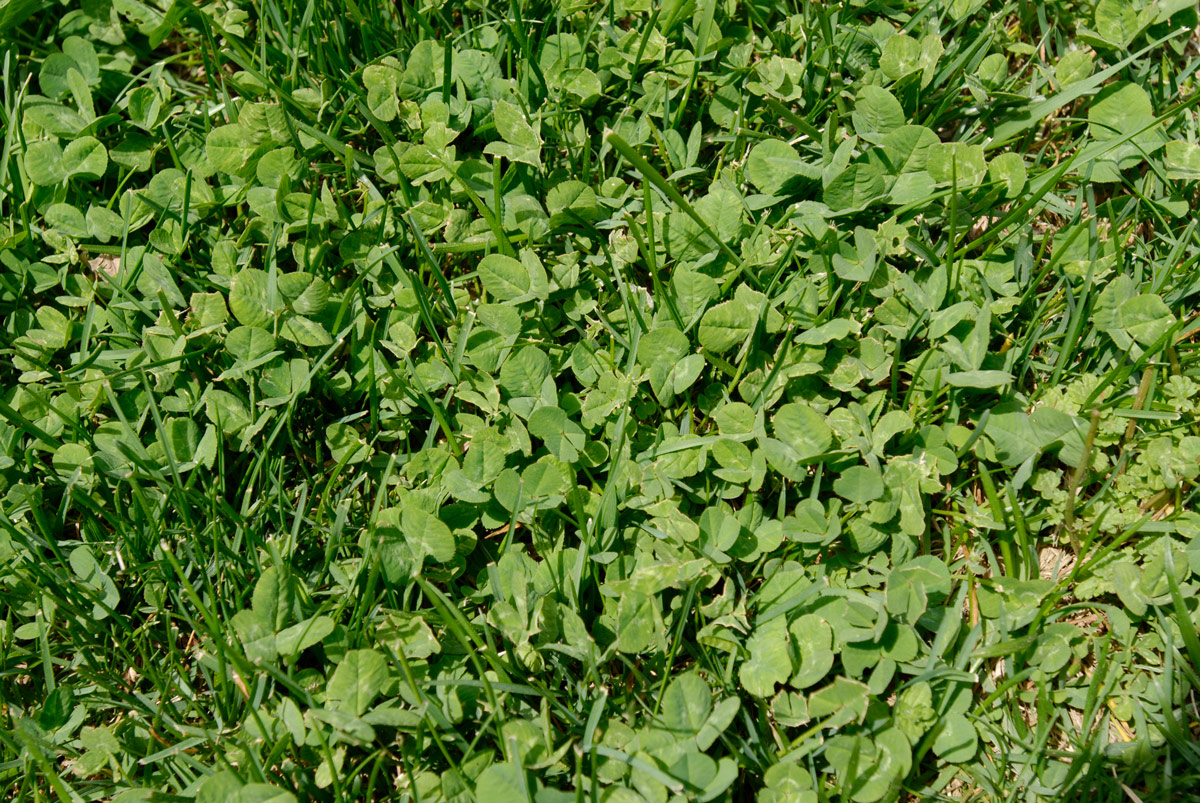
Image Source: naturalawn.com
Why Clover Invades Your Lawn
Before we dive into how to get rid of clover, let’s look at why it shows up. Clover thrives in lawns that have compacted soil, low nitrogen levels, and soil that is too acidic or too alkaline. These conditions weaken your grass, giving clover a chance to take over. Poor drainage can also contribute. Understanding these root causes is the first step in successful weed control.
Quick Fixes for Clover Removal
When you need to get rid of clover fast, several methods can give you immediate results. These often involve manual labor or targeted treatments.
Manual Weeding: The Direct Approach
Manual weeding is one of the simplest and most effective ways to tackle clover, especially for smaller infestations. It’s also a cornerstone of organic lawn care.
The Process of Manual Weeding
- Timing is Key: The best time to pull clover is after a rain or watering. The soil will be soft, making it easier to pull out the entire plant, including the roots.
- Tools for the Job: A weeding tool with a narrow blade or a fork can be very helpful. These tools allow you to get under the clover and pry it out.
- Grip and Pull: Firmly grasp the clover at its base. Pull steadily upwards, trying to extract the entire root system. If the root breaks, new clover can regrow from the remaining piece.
- Dispose Properly: Place the pulled clover in a bag and dispose of it. This prevents seeds from spreading.
- Fill the Gaps: After removing the clover, fill any bare spots with good quality topsoil and reseed with your lawn grass. This helps prevent new weeds from taking hold.
Benefits of Manual Weeding
- Environmentally Friendly: No chemicals are used, making it ideal for organic lawn care.
- Precise: You only remove the weeds, leaving your grass undisturbed.
- Immediate Results: You see the difference as soon as you finish.
Drawbacks of Manual Weeding
- Labor Intensive: Can be time-consuming and physically demanding, especially for large lawns.
- May Miss Roots: If not done carefully, roots can be left behind, leading to regrowth.
Spot Treatment with Weed Killer
For faster results on more widespread clover, a targeted application of weed killer can be effective. This is a common method in general weed control.
Choosing the Right Weed Killer
When selecting a weed killer for clover, look for products specifically labeled for broadleaf weed control. Many common lawn herbicides will target clover.
- Selective Herbicides: These are designed to kill broadleaf weeds like clover while leaving grasses unharmed.
- Non-Selective Herbicides: These will kill any plant they come into contact with, so they must be used with extreme caution to avoid damaging your lawn.
Application Tips
- Read the Label: Always read and follow the product label instructions carefully. This includes recommended application rates, safety precautions, and the best weather conditions for application.
- Apply on a Calm Day: Avoid applying weed killer on windy days to prevent drift onto desirable plants or your own grass.
- Targeted Application: Use a sprayer to apply the weed killer directly to the clover patches. A pump sprayer or a spray bottle can work well for spot treatment.
- Timing Matters: Apply when temperatures are between 60-85°F (15-29°C) and when the clover is actively growing. Avoid applying when rain is expected within 24 hours.
- Repeat Applications: Some clover may require multiple applications to ensure complete clover eradication.
Types of Weed Killers to Consider
| Type of Weed Killer | Active Ingredients (Common Examples) | How it Works | Best For |
|---|---|---|---|
| Selective Broadleaf | 2,4-D, Dicamba, MCPP (Mecoprop), Triclopyr | Absorbed by leaves and moved to roots, disrupting growth. | Killing clover, dandelions, and other broadleaf weeds. |
| Non-Selective (Contact) | Glyphosate | Kills all plant tissue it touches by preventing a vital enzyme. | Quick kill of any green growth; use with extreme care. |
| Organic Options | Acetic acid (vinegar), Citric acid, Essential oils (clove oil, etc.) | Disrupt plant cell membranes, causing dehydration and death. | General weed control, often requires repeat applications. |
Safety Precautions
- Wear gloves, long sleeves, and eye protection when applying any herbicide.
- Keep children and pets away from the treated area until the spray has dried.
- Store herbicides safely and out of reach of children.
Improving Lawn Health for Long-Term Clover Control
While quick fixes can help, the best way to get rid of clover permanently is to create a lawn environment where grass thrives and clover struggles. This falls under comprehensive lawn maintenance.
Fertilization: Boosting Grass Strength
Clover often takes over in lawns deficient in nitrogen. Proper fertilization helps your grass grow thick and healthy, outcompeting weeds.
Nitrogen’s Role
Nitrogen is crucial for grass growth and green color. When your lawn lacks nitrogen, grass becomes thin and weak, allowing weeds like clover to establish.
Fertilization Schedule
- Spring: A spring application provides nutrients for new growth.
- Fall: A fall feeding is particularly important for building strong root systems that will help grass survive winter and green up quickly in spring.
- Follow Soil Test: For best results, get a soil test to determine the specific nutrient needs of your lawn.
Aeration: Loosening Compacted Soil
Compacted soil restricts air, water, and nutrient flow to grass roots. Aeration creates small holes in the soil, allowing these essential elements to penetrate.
Benefits of Aeration
- Improves Root Growth: Grass roots can grow deeper and stronger.
- Reduces Compaction: Allows air and water to reach the soil.
- Enhances Fertilizer Uptake: Nutrients can reach the root zone more effectively.
- Helps Clover Control: Stronger grass outcompetes clover.
When to Aerate
The best times to aerate are during the active growing seasons of your lawn, typically spring and fall for cool-season grasses, and late spring to early summer for warm-season grasses.
Overseeding: Thickening Your Lawn
Overseeding involves spreading grass seed over an existing lawn. This helps to fill in bare spots and thicken your turf, making it harder for weeds to establish.
How Overseeding Works
- Prepare the Area: Mow the lawn short and remove any thatch.
- Spread Seed: Distribute high-quality grass seed evenly.
- Rake In: Lightly rake the seed into the soil to ensure good seed-to-soil contact.
- Keep Moist: Water the area regularly until the new grass is established.
Adjusting Soil pH: Creating the Right Environment
Clover prefers acidic soil conditions. Adjusting your soil’s pH can make it less favorable for clover and more favorable for your grass.
Testing Soil pH
You can test your soil pH using a home test kit or by sending a sample to your local extension office.
Adjusting pH
- For Acidic Soil (Low pH): Apply lime to raise the pH. Follow product recommendations based on your soil test results.
- For Alkaline Soil (High pH): Apply elemental sulfur or other acidifying agents to lower the pH.
Advanced Clover Eradication Strategies
For stubborn or extensive clover problems, you might need to combine several methods or consider more advanced treatments.
Pre-Emergent Herbicides
While not ideal for existing clover, pre-emergent herbicides can help prevent new clover seeds from germinating in the spring. They are often used in conjunction with crabgrass prevention.
Post-Emergent Herbicides (More Potent Options)
If selective herbicides aren’t doing the trick, stronger post-emergent options are available. These often require careful application and may involve multiple treatments. Always follow label instructions precisely.
Professional Lawn Care Services
If you’re struggling with persistent clover or other lawn issues, consider hiring a professional lawn care service. They have access to specialized products and equipment, and their expertise can ensure effective treatment and advice for ongoing lawn maintenance.
Preventing Future Clover Infestations
Once you’ve got your clover problem under control, focus on prevention. A healthy, well-maintained lawn is the best defense against weeds.
Mowing Habits
- Mow High: Set your mower to a higher setting. Taller grass shades the soil, preventing weed seeds from germinating and helping grass roots grow deeper. Aim for 2.5 to 3.5 inches for most cool-season grasses.
- Sharp Blades: Ensure your mower blades are sharp. Dull blades tear grass, making it more susceptible to disease and stress.
Watering Practices
- Deep and Infrequent: Water your lawn deeply but less often. This encourages deep root growth, making your grass more drought-tolerant and resilient. Avoid frequent, shallow watering, which can lead to shallow roots and weak turf.
Seasonal Lawn Care Calendar
A consistent lawn care schedule is vital for preventing weeds and promoting healthy grass growth.
| Season | Key Activities | Focus |
|---|---|---|
| Spring | Aeration, Dethatching (if needed), Overseeding (cool-season grasses), Apply pre-emergent herbicide (optional, for crabgrass and some broadleaf weeds), First fertilization. | Preparing the lawn for active growth, correcting compaction, thickening turf, preventing early-season weeds. |
| Summer | Regular mowing (high), Deep watering (as needed), Spot treat any emerging weeds (e.g., dandelions). Avoid heavy fertilization or overseeding, as this can stress the lawn. | Maintaining healthy growth, managing heat and drought stress, addressing any breakthrough weeds. |
| Fall | Fertilization (crucial for cool-season grasses), Overseeding (cool-season grasses), Dethatching (if needed), Continue mowing high, Fall aeration. | Building root strength for winter, repairing summer damage, thickening the lawn for the following year, preparing for dormancy. |
| Winter | Minimal activity. Ensure trees and shrubs are watered if drought conditions persist. Prepare equipment for spring. | Dormancy and minimal stress on the lawn. Focus on equipment maintenance. |
Frequently Asked Questions About Clover Removal
Q1: Is clover bad for my lawn?
While clover can add nitrogen to the soil and stay green in dry conditions, it often indicates underlying lawn health issues. Its low growth habit can smother desirable grasses, and its white flowers attract bees, which can be a concern for some homeowners.
Q2: Can I get rid of clover using only organic methods?
Yes, organic methods like manual weeding, improving soil health through aeration and proper fertilization, and using natural weed killers are effective for organic lawn care. Success often requires patience and persistence.
Q3: When is the best time to treat clover?
The best time to treat clover is when it is actively growing, typically in the spring or fall. This is when herbicides are most effective, and manual pulling is easiest after rain.
Q4: Will overseeding help get rid of clover?
Yes, overseeding helps to thicken your lawn, making it more competitive against weeds like clover. A dense turf creates shade and reduces the space available for weed seeds to germinate and establish.
Q5: How often should I fertilize my lawn?
A good fertilization schedule usually involves applications in the spring and fall. The exact timing and type of fertilizer depend on your grass type and local climate. Always follow product instructions.
Q6: What’s the difference between clover removal and clover eradication?
Clover removal often refers to the immediate act of getting rid of clover patches. Clover eradication is a more comprehensive process that aims to eliminate clover from your lawn and prevent its return by addressing the conditions that allow it to thrive.
Q7: Is there anything I can do about dandelions too?
Yes, many of the same methods used for clover removal also work for dandelion removal. Manual pulling when the soil is moist is effective for individual dandelions. Selective herbicides that target broadleaf weeds will also control dandelions. Maintaining a healthy, dense lawn is also a key deterrent.
Q8: How does crabgrass prevention relate to clover control?
While crabgrass prevention focuses on stopping annual grassy weeds, the principles of maintaining a healthy lawn apply to both. Methods like proper fertilization, mowing high, and overseeding help create a dense turf that outcompetes both clover and crabgrass. Some pre-emergent herbicides can offer control for both, but always check product labels.
By understanding why clover appears and implementing a consistent lawn care strategy, you can effectively manage and eliminate this common lawn weed, ensuring a healthier, more attractive lawn.