
Can you prevent moss in your lawn? Yes, you can prevent moss in your lawn by improving its growing conditions. Moss thrives in shady, damp areas with compacted soil and poor drainage. By addressing these underlying issues, you can create an environment where grass flourishes and outcompetes moss. This detailed guide will walk you through the essential steps for effective moss control and achieving a lush, healthy lawn.
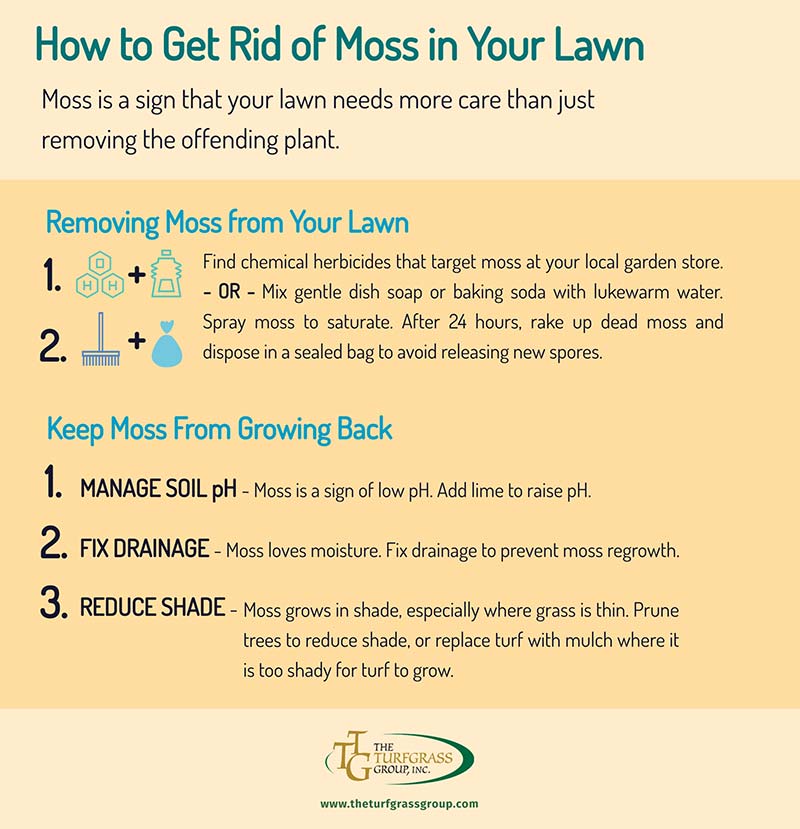
Image Source: theturfgrassgroup.com
Why Does Moss Grow in My Lawn?
Moss is not a weed; it’s a non-vascular plant that prefers conditions most grasses dislike. Fathoming the reasons behind moss growth is the first step toward effective moss control. These conditions typically include:
- Shade: Many lawns have areas that receive little to no direct sunlight. Moss loves shade.
- Poor Drainage: Water that sits on the soil surface for extended periods creates a damp environment ideal for moss.
- Compacted Soil: When soil is hard and dense, it restricts air and water movement, hindering grass root growth and favoring moss.
- Low Fertility: Grass needs nutrients to grow strong. If the soil lacks essential nutrients, moss can take over.
- Incorrect pH: Soil pH affects nutrient availability. If the pH is too low (acidic), it can encourage moss.
- Thatch Buildup: A thick layer of dead grass at the soil level can prevent water and air from reaching the soil, creating a damp surface.
Your Comprehensive Guide to Moss Prevention
Preventing moss is all about creating a healthy environment for your grass. Think of it as outsmarting the moss by making your lawn a less appealing place for it to grow and a more welcoming place for vibrant grass. This involves a multi-pronged approach to lawn care.
Improving Drainage: The Foundation of a Healthy Lawn
Waterlogged soil is a moss magnet. If your lawn holds water, addressing drainage is paramount. Standing water suffocates grass roots and provides the consistent moisture moss craves.
Assessing Your Lawn’s Drainage
Before you start digging, observe your lawn after rain.
- Does water pool in certain areas?
- How long does it take for the water to disappear?
If water sits for more than a few hours, your drainage needs improvement.
Drainage Solutions
- Improve Soil Structure: Over time, adding organic matter like compost can improve soil structure, making it more porous and better at draining.
- Aeration: This process creates small holes in the soil, allowing water and air to penetrate. It’s a key step in preventing compaction and improving drainage.
- French Drains: For persistent waterlogged areas, installing French drains (trenches filled with gravel and a perforated pipe) can effectively channel water away from the lawn.
- Regrading: In severe cases, gently sloping the land away from the house or problematic areas can significantly improve surface drainage.
Thatch Removal: Clearing the Way for Healthy Grass
Thatch is the layer of dead and living organic material that builds up between the green grass blades and the soil surface. A thin layer is normal, but a thick thatch layer (more than half an inch) can be problematic. Thatch removal is crucial for preventing moss.
Why Thatch Encourages Moss
A thick thatch layer acts like a sponge, holding moisture close to the surface. This creates a consistently damp environment that moss loves and prevents air and water from reaching the soil and grass roots.
Methods for Thatch Removal
- Raking: For light thatch, vigorous raking with a stiff-tined rake can break up and remove the layer. Do this in early spring or fall.
- Dethatching Machine (Scarifier): These machines have verticutting blades that slice vertically through the thatch layer, pulling it to the surface for removal. This is more effective for thicker thatch.
- Power Raking: Similar to a dethatching machine, power rakes use rotating tines to lift and remove thatch.
After dethatching, always rake up and dispose of the removed thatch. You can also use a moss killer treatment at this stage if you have existing moss problems.
Soil Aeration: Giving Your Grass Roots Room to Breathe
Soil aeration is the process of removing small cores of soil from the lawn. This not only relieves compaction but also significantly improves drainage and air circulation.
Benefits of Aeration
- Reduces soil compaction.
- Improves water infiltration.
- Allows air to reach grass roots.
- Helps fertilizer penetrate the soil.
- Creates a better environment for grass growth, making it more competitive against moss.
When to Aerate
The best times to aerate are when your grass is actively growing. For cool-season grasses (like fescue and bluegrass), this is typically spring and fall. For warm-season grasses (like Bermuda and zoysia), it’s late spring or early summer.
Maximizing Sunlight: Outshining the Moss
Moss thrives in low-light conditions. Increasing the amount of sunlight reaching your lawn can dramatically help prevent moss.
Strategies for More Sunlight
- Prune Overhanging Branches: Trim tree branches that cast deep shade over your lawn.
- Remove Obstructions: If possible, relocate any structures or plants that are blocking sunlight.
- Consider Shade-Tolerant Grasses: If your lawn is naturally shady, consider overseeding with grass varieties that tolerate shade better.
Promoting Grass Health: The Best Defense Against Moss
A thick, healthy stand of grass is the most effective way to prevent moss. When grass is dense, it shades the soil surface, outcompetes moss for nutrients, and creates a less hospitable environment for moss to establish. Strong grass health is key.
Essential Lawn Care Practices
- Proper Mowing: Mow at the correct height for your grass type. Taller grass shades the soil and has deeper roots. Never remove more than one-third of the grass blade at a time.
- Watering Wisely: Water deeply and infrequently. This encourages deep root growth, making grass more drought-tolerant and less susceptible to moss. Avoid shallow, frequent watering, which keeps the surface moist.
- Fertilizing: Regular fertilizing provides the nutrients grass needs to grow strong and healthy. Use a balanced fertilizer appropriate for your grass type and the season.
- Overseeding: In the fall, consider overseeding bare or thin patches with grass seed. This will thicken your lawn and improve its density.
Soil pH Balance: Creating the Right Environment
The acidity or alkalinity of your soil, measured by its pH, plays a significant role in grass health and moss growth. Moss prefers acidic soil, while most lawn grasses prefer a slightly acidic to neutral pH. Achieving the correct pH balance is vital.
What is Soil pH?
Soil pH is a scale from 0 to 14, with 7 being neutral. Below 7 is acidic, and above 7 is alkaline. Most lawn grasses grow best in a pH range of 6.0 to 7.0.
Testing Your Soil pH
You can test your soil pH using a home soil testing kit or by sending a sample to your local cooperative extension office. This will give you precise recommendations for adjustments.
Adjusting Soil pH
- To Raise pH (Make Less Acidic): Apply lime. The amount of lime needed depends on your soil type and current pH. Follow the recommendations from your soil test carefully.
- To Lower pH (Make Less Alkaline): Apply sulfur. Again, the amount depends on your soil type and current pH.
Always apply amendments gradually and retest your soil periodically to maintain the desired pH balance.
Choosing the Right Grass Seed
If you have persistent moss issues, especially in shady or damp areas, it might be time to switch to grass varieties that are more tolerant of these conditions.
Shade-Tolerant Grasses
- Fine Fescues: Varieties like Creeping Red Fescue, Chewings Fescue, and Hard Fescue are excellent for shady spots.
- Tall Fescue: Newer turf-type tall fescues have improved shade tolerance and drought resistance.
- Rough Bluegrass (Poa trivialis): While it prefers moist conditions, it can tolerate shade. However, it can struggle in heat and drought.
When overseeding, ensure the seed is suitable for your climate and the specific conditions of the shady or damp areas.
Dealing with Existing Moss: When Prevention Isn’t Enough
Sometimes, moss has already taken hold. In these cases, you’ll need to address the existing growth along with implementing preventive measures. This is where a good moss killer comes into play.
How Moss Killers Work
Moss killers typically contain active ingredients that desiccate (dry out) and kill the moss. Common active ingredients include:
- Iron Sulfate (Ferrous Sulfate): This is a common and effective ingredient that quickly turns moss black, after which it can be raked away. It also helps to slightly acidify the soil, which can deter future moss growth.
- Ammonium Sulfate: Similar to iron sulfate, this can kill moss and also acts as a nitrogen fertilizer for your grass.
- Detergents: Some products use dish soap or other surfactants to break down the moss’s cell structure.
Applying Moss Killer
- Read the Label: Always follow the manufacturer’s instructions precisely.
- Timing: Apply when the moss is actively growing, typically in spring or fall.
- Weather: Avoid applying when rain is expected shortly after, as this can wash the product away. Apply on a dry day.
- Rake After Treatment: Once the moss has turned black or brown, rake it out of the lawn. This is essential for removing the dead material and opening up the soil for grass growth.
- Follow-up: After removing dead moss, it’s crucial to implement the lawn care practices mentioned earlier to prevent its return. You might need to reseed bare patches and improve drainage.
Natural Moss Control Methods
For those who prefer to avoid chemical treatments, several natural methods can help control moss:
- Baking Soda: Mix 1 tablespoon of baking soda with 1 gallon of water. Spray directly onto the moss.
- Vinegar: Dilute white vinegar with water (1 part vinegar to 4 parts water). Spray onto the moss. Be cautious, as vinegar can also harm grass if applied too heavily.
- Iron Sulfate: As mentioned above, this is a common ingredient in moss killers but can also be purchased and applied directly, following dilution and application instructions.
Remember that natural methods may require more frequent application and might not be as potent as commercial moss killers. They are best used in conjunction with improving the underlying conditions.
Putting It All Together: A Seasonal Approach
Effective moss prevention is an ongoing process. Here’s how you can integrate these practices throughout the year:
Early Spring
- Assess: Check for moss and assess soil conditions.
- Dethatch: If thatch is present, dethatch your lawn.
- Aeration: Aerate compacted areas, especially those prone to moss.
- Moss Killer: If moss is prevalent, apply a moss killer.
- Rake: Remove dead moss and thatch.
- Fertilize: Apply a spring fertilizer once the grass begins to green up.
- Overseed: Repair any bare spots from winter damage or moss removal.
Late Spring/Early Summer
- Mow: Maintain proper mowing height.
- Water: Water deeply and infrequently, encouraging deep roots.
- Weed Control: Address any broadleaf weeds that may be competing with your grass.
Summer
- Monitor: Keep an eye on your lawn’s moisture levels.
- Water: Water as needed, focusing on deep, infrequent watering.
- Fertilize (Optional): Some grasses benefit from a light summer feeding, but avoid over-fertilizing in hot weather.
Fall
- Aeration: Aerate again if soil has compacted.
- Overseeding: This is an excellent time to overseed thin areas, which will help thicken the lawn for the following year.
- Fertilize: Apply a fall fertilizer to help the grass store energy for winter and promote root growth.
- Leaf Removal: Keep leaves from smothering the grass.
Winter
- Limit Foot Traffic: Avoid heavy foot traffic on frozen or saturated lawns.
- Snow Removal: If you must remove snow, do so carefully to avoid damaging the grass.
Key Takeaways for a Moss-Free Lawn
| Practice | Why It Helps Prevent Moss |
|---|---|
| Improve Drainage | Removes excess moisture that moss thrives in. |
| Thatch Removal | Prevents moisture retention at the soil surface and allows air and water to reach roots. |
| Soil Aeration | Relieves compaction, improves drainage and air circulation, promoting grass root health. |
| Maximize Sunlight | Reduces shady conditions that moss prefers. |
| Promote Grass Health | A dense, healthy lawn outcompetes moss for resources. |
| Fertilizing | Provides essential nutrients for strong grass growth. |
| pH Balance | Creates an environment unfavorable to moss and optimal for grass. |
| Moss Killer | Eliminates existing moss, making way for grass recovery. |
By consistently applying these lawn care strategies, you can effectively prevent moss and cultivate a lush, healthy, and beautiful lawn. Remember, preventing moss is less about killing it and more about creating an environment where your grass can thrive.
Frequently Asked Questions (FAQ)
Q1: How quickly does moss killer work?
A1: Moss killers containing iron sulfate typically start working within a few hours to a couple of days. You’ll usually see the moss turn black or brown, indicating it’s dying. Other types might take longer. Always check the product label for expected results.
Q2: Can I prevent moss by fertilizing more often?
A2: While proper fertilizing is crucial for grass health, simply fertilizing more often won’t prevent moss if the underlying conditions (shade, poor drainage, compaction) are not addressed. Over-fertilizing can actually harm your grass. Focus on balanced feeding as part of a complete lawn care plan.
Q3: Is moss harmful to my grass?
A3: Moss itself doesn’t typically harm grass directly. However, its presence is a strong indicator of poor growing conditions for grass, such as shade, excessive moisture, and compaction. The conditions that allow moss to thrive are what ultimately weaken your grass and make it susceptible to other problems.
Q4: What is the best time of year to treat moss?
A4: The best times to treat moss are generally in early spring as the grass begins to grow, or in the fall when conditions are cooler and moister. These are also good times to aerate, dethatch, and overseed, tackling the root causes of moss growth simultaneously.
Q5: How do I know if my soil needs lime or sulfur?
A5: You need to test your soil’s pH. If your soil test shows a pH below 6.0, it’s acidic, and you’ll need lime to raise the pH balance. If the pH is above 7.0, it’s alkaline, and you might consider sulfur to lower it, though this is less common for moss issues. Always follow soil test recommendations for application rates.